Why Your Backup Strategy Needs a 2024 Update

New Threats and Best Practices

When it comes to website design and hosting, website backups are more than just a safety net—they’re a vital component of a robust cybersecurity strategy. While the importance of backups has always been clear, evolving threats and new technologies make it essential to revisit and update your backup approach regularly. Here’s why your backup strategy needs a 2024 refresh.

1. Evolving Cyber Threats

Cyber threats have grown more sophisticated since 2017. Ransomware attacks, in particular, have surged, targeting businesses of all sizes. Hackers now aim not only to steal data but also to encrypt it, holding it hostage for ransom. Without a reliable backup, businesses can find themselves with no recourse but to pay hefty sums to regain access to their own data.

2024 Update: Implementing backups that are isolated from your primary network—often called “air-gapped” backups—can protect against ransomware. Ensure your backup solution provides real-time alerts if suspicious activity is detected, allowing you to act quickly before damage is done.

2. Cloud-Based Backups

In the past, many businesses relied on local backups, such as external hard drives or on-premises servers. However, these methods are vulnerable to physical damage, theft, or localized cyber-attacks. Cloud-based backups offer a more secure and scalable solution, providing instant recovery options and protection from local disasters.

2024 Update: Modern cloud backup solutions now offer enhanced security features, such as encryption both in transit and at rest, and the ability to distribute data across multiple geographic regions. This not only ensures your data is safe but also improves recovery times, minimizing downtime.

3. Automated Backup Solutions

Manual backups are prone to human error—whether it’s forgetting to run a backup or not realizing a backup failed. Automation is key to a foolproof backup strategy, reducing the risk of oversight.

2024 Update: Today’s automated backup tools are more advanced, offering seamless integration with your website’s content management system (CMS). They provide granular control, allowing you to schedule backups based on your site’s activity and traffic. Some solutions also offer continuous data protection (CDP), which creates backups in real-time as changes are made.

4. Data Compliance

With data protection regulations like GDPR and CCPA, businesses must ensure that their backup strategies comply with legal requirements. Non-compliance can lead to hefty fines and damage to your brand’s reputation.

2024 Update: Modern backup solutions come equipped with features that assist with compliance, such as the ability to easily manage data retention policies and ensure data is stored in compliant regions. They also offer advanced reporting tools to demonstrate compliance in audits.

5. Backup Frequency and Testing

A backup is only as good as its last successful recovery. In 2017, it was common to schedule backups daily or weekly, but in 2024, the frequency of backups and regular testing is more critical than ever.

2024 Update: With businesses operating in real-time, even a daily backup may not be sufficient. Consider implementing incremental backups, which capture changes made since the last backup. This approach not only saves storage space but also ensures that you always have the most up-to-date version of your data. Regular testing of your backups, including running full restoration drills, is essential to confirm that your data can be recovered quickly and completely when needed.

A proactive and modern backup strategy is non-negotiable

As we navigate the complexities of 2024, having a proactive and modern backup strategy is non-negotiable. By updating your approach to include advanced cloud-based solutions, automated tools, compliance-focused features, and frequent testing, you can safeguard your business against the ever-evolving landscape of cyber threats. Don’t wait until it’s too late—ensure your backup strategy is as resilient as your business needs it to be.


Ready to discover how we can help make your website and marketing more successful?
Contact Us

Marketing Made Simple

Insights from Full Scope Creative

Our thoughts on website design, graphic design, marketing, SEO, website hosting, branding, business management, and more here in the Full Scope Creative blog!

Insights, Tips, and Strategies for Small Business Success

Our blog is packed with expert advice on website design, SEO, marketing, branding, and more. Whether you’re looking to improve your website’s performance, boost your online presence, or streamline your business’s digital strategy, you’ll find valuable insights and actionable tips right here.

4 servers and the 4 different types of website hosting.

What Are the 4 Types of Hosting?

What are the 4 types of hosting? Shared, VPS, dedicated, and cloud hosting each offer different levels of cost, speed, security, and control. In this guide, we break them down in simple terms so small business owners can understand their options and choose a hosting setup that fits their needs and budget.

Read More »
business owner going over a checklist

Your Site Isn’t Ready for SEO If…

SEO can drive real growth for a small business. But if your website is slow, hard to use on mobile, thin on content, or not focused on the right keywords, you may be wasting money. Before investing in SEO, make sure your site is built and structured to support it the right way.

Read More »

List out all of your services

Many small businesses offer more services than their website lets on. When those services are hidden or scattered, potential customers never see the full picture. This blog explains why clearly listing every service matters, how to structure services pages, and how the right setup helps build trust and guide visitors toward the next step.

Read More »
a website with a good CTA button

Better Calls To Action On a Site

Clear calls to action help guide website visitors instead of leaving them guessing what to do next. Just like good signage in a new building, CTAs create clarity, reduce frustration, and lead users where they want and need to go. If your website feels confusing, stronger CTAs can make all the difference.

Read More »

Do I need to redesign my website?

Do I need to redesign my website? It’s a question we hear all the time, and the answer is usually “maybe.” Some sites are outdated but workable. Others are held together with digital duct tape. This article walks through how to tell the difference and why starting with the “why” matters more than jumping into a redesign.

Read More »
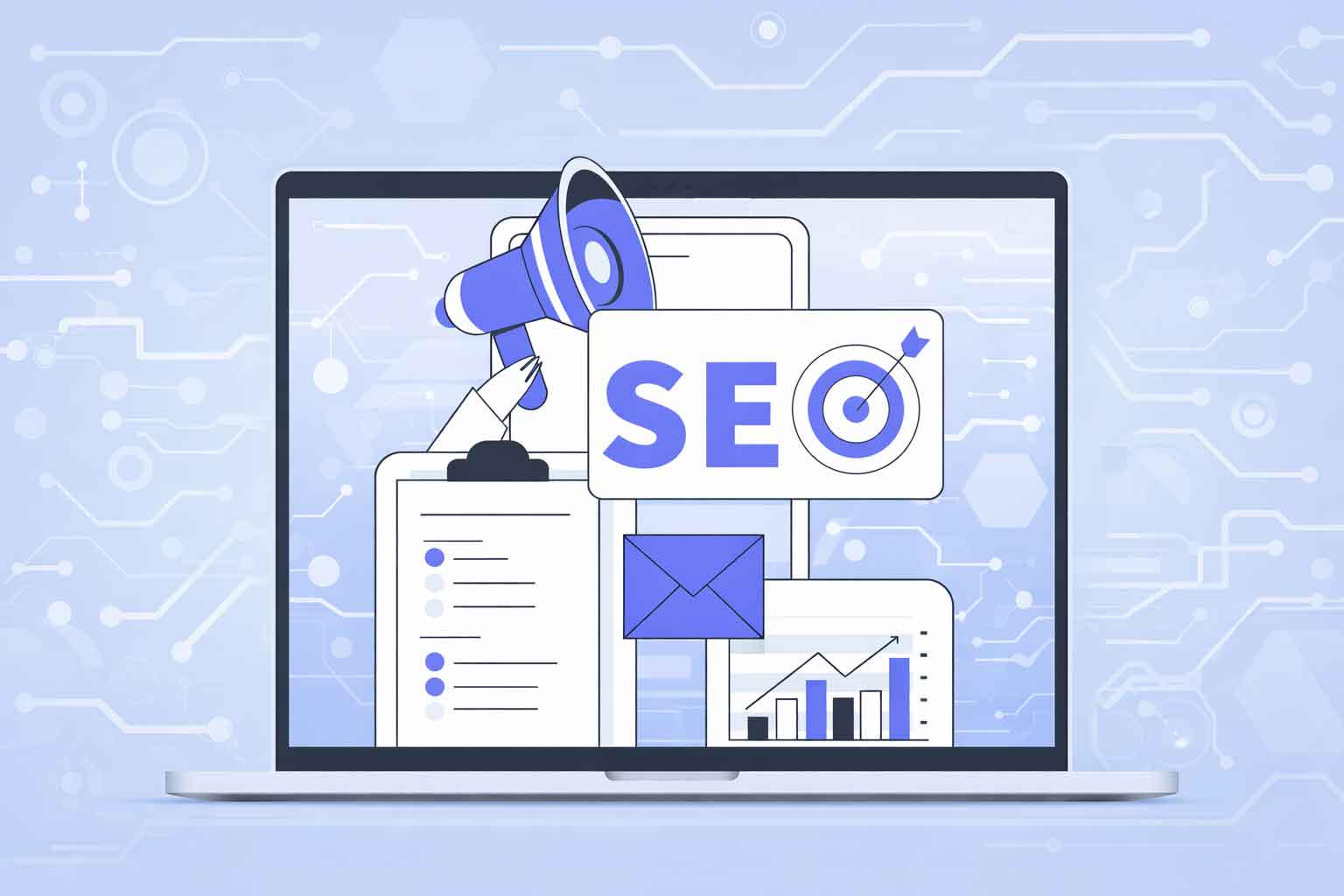
Illustration showing a website displayed on a computer screen with SEO elements like charts, content blocks, and targeting icons, explaining the question “Does Web Design Include SEO?” and how design and search optimization work together.

Does Web Design Include SEO?

Does web design include SEO? Not exactly, but the two work closely together. Web design focuses on structure, usability, and experience, while SEO focuses on visibility and how people find your site. A successful website needs both working together to reach its full potential and support long-term business growth.

Read More »
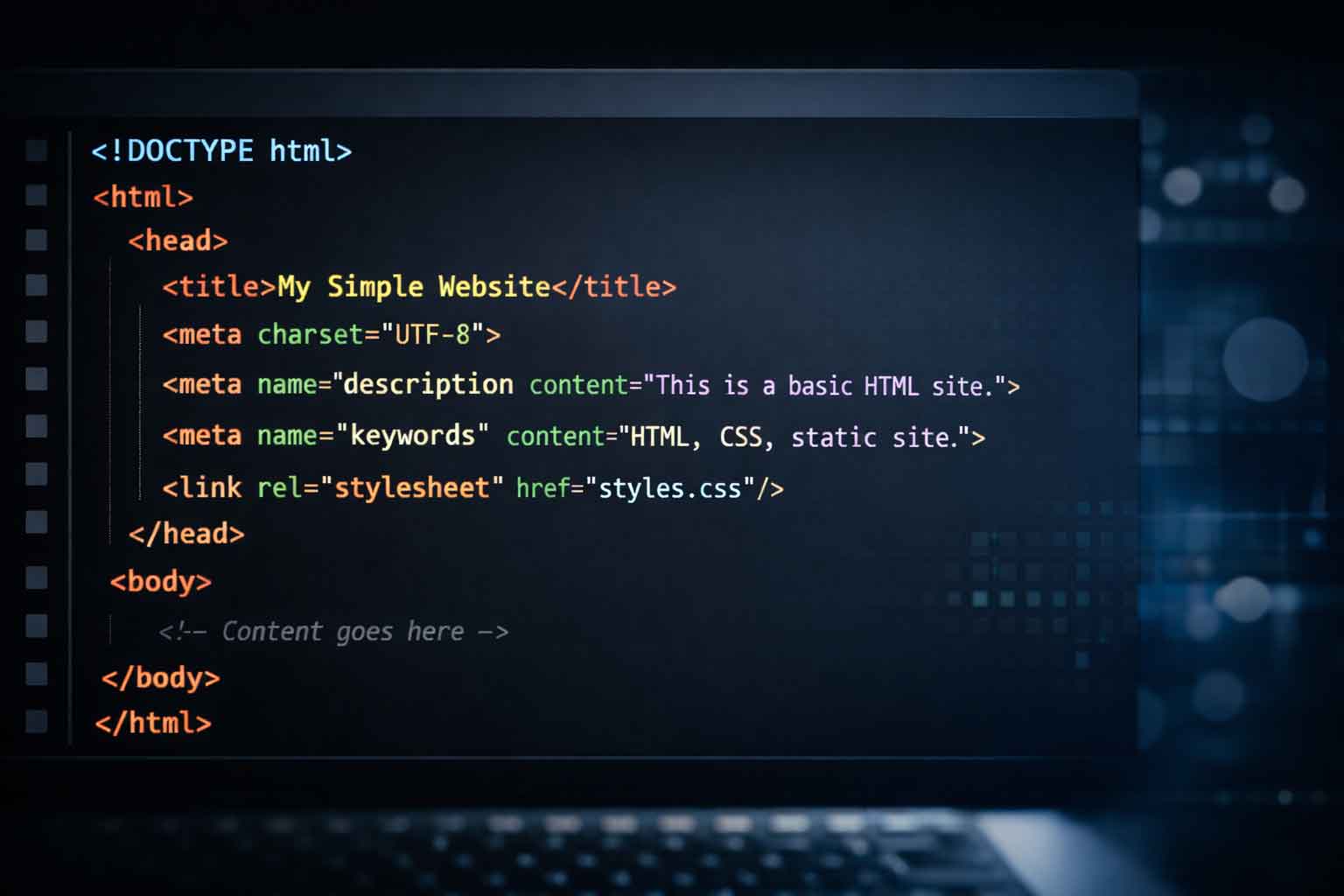
Simple HTML code for a website. Just cause it's a simple HTML site doesn't mean it can't be hacked.

Can a Static HTML Site Get Hacked?

Can a static HTML site get hacked? Many people assume simple websites are immune to security risks, but that is not how website security actually works. Hosting, access controls, and ongoing management play a much larger role than file type. This article explains why static sites are still vulnerable and how properly managed WordPress sites can be just as secure.

Read More »
A web browsers address bar showing the domain name.

Should your domain name move when your site does?

When businesses move from Wix or Squarespace to WordPress, the focus is usually on design and content. One critical detail often gets missed: the domain name. Leaving a domain with an old platform can create unnecessary complications later. Understanding where your domain lives and when to move it can save time, frustration, and future technical headaches.

Read More »
A computer screen with security icons

Can my WordPress site be hacked?

Can my WordPress site be hacked? Yes, it can, just like any other website. The real difference comes down to how security is managed. In this article, we explain why WordPress is safe when set up correctly, what security risks actually exist, and how Full Scope Creative removes the headaches by managing hosting, security, and backups for you.

Read More »
Ready to discover how we can help make your website and marketing more successful?
Contact Us
We needed our firm website recreated with a new hosting company, and Chris with Full Scope Creative made it happen efficiently. He is a pleasure to work with, and he was ahead of our projected schedule throughout the project. He has been very responsive to emails and questions. I highly recommend Full Scope Creative for your website needs.
~ Callie Kidder Lacy,
Renning, Lewis & Lacy, S.C.