The Harmony of Music and Web Design

Just like music relies on rhythm and harmony, a well-designed website brings together structure, flow, and consistency to create a memorable experience. By drawing inspiration from the seven notes of music, web design can achieve balance, creativity, and clarity—proving that great design, much like great music, comes from working within a simple, powerful framework.

Seven Notes, One Masterpiece

Have you ever stopped to think about how much music in the world comes from just seven simple notes? That’s it—just A through G. From classical compositions to classic rock, jazz to pop, every song you’ve ever heard finds its roots in those same seven notes. It’s not the number of notes that makes a piece great—it’s how they’re arranged, timed, and layered.

When it comes to websites, the same idea holds true. You don’t need dozens of complex features or flashy tools to make a site that stands out. You just need the right foundation—the right “notes.” With the following seven elements in place, your website can become a masterpiece in its own right.

A) Clear Purpose (The Key of the Site)

Before a musician plays a single note, they know the key they’re in. A website works the same way. It should have a clearly defined purpose from the start. Are you trying to sell a product? Book consultations? Showcase a portfolio? Whatever it is, every part of your site should support that goal.

If your purpose isn’t clear to you, it definitely won’t be clear to your visitors. And when visitors are confused, they tend to leave.

B) User-Friendly Navigation (The Rhythm and Flow)

A song with a good rhythm feels smooth and effortless. The same should be true for your site’s navigation. Users should be able to find what they need quickly and without frustration. If someone visits your homepage, can they easily get to your contact page? Your services? Your pricing?

Menus should be simple, consistent, and predictable. Think of them like the beat in a song—steady, reliable, and always in the right place.

C) Compelling Content (The Melody That Sticks)

Good content is like a melody—it’s what people remember. Your headlines, service descriptions, and even your About page should all work together to tell your story clearly and confidently.

Whether it’s the copy on your homepage or a blog article (like this one), aim to answer your visitors’ questions and speak directly to their needs. Avoid fluff. Be helpful. That’s what keeps people reading—and keeps them coming back.

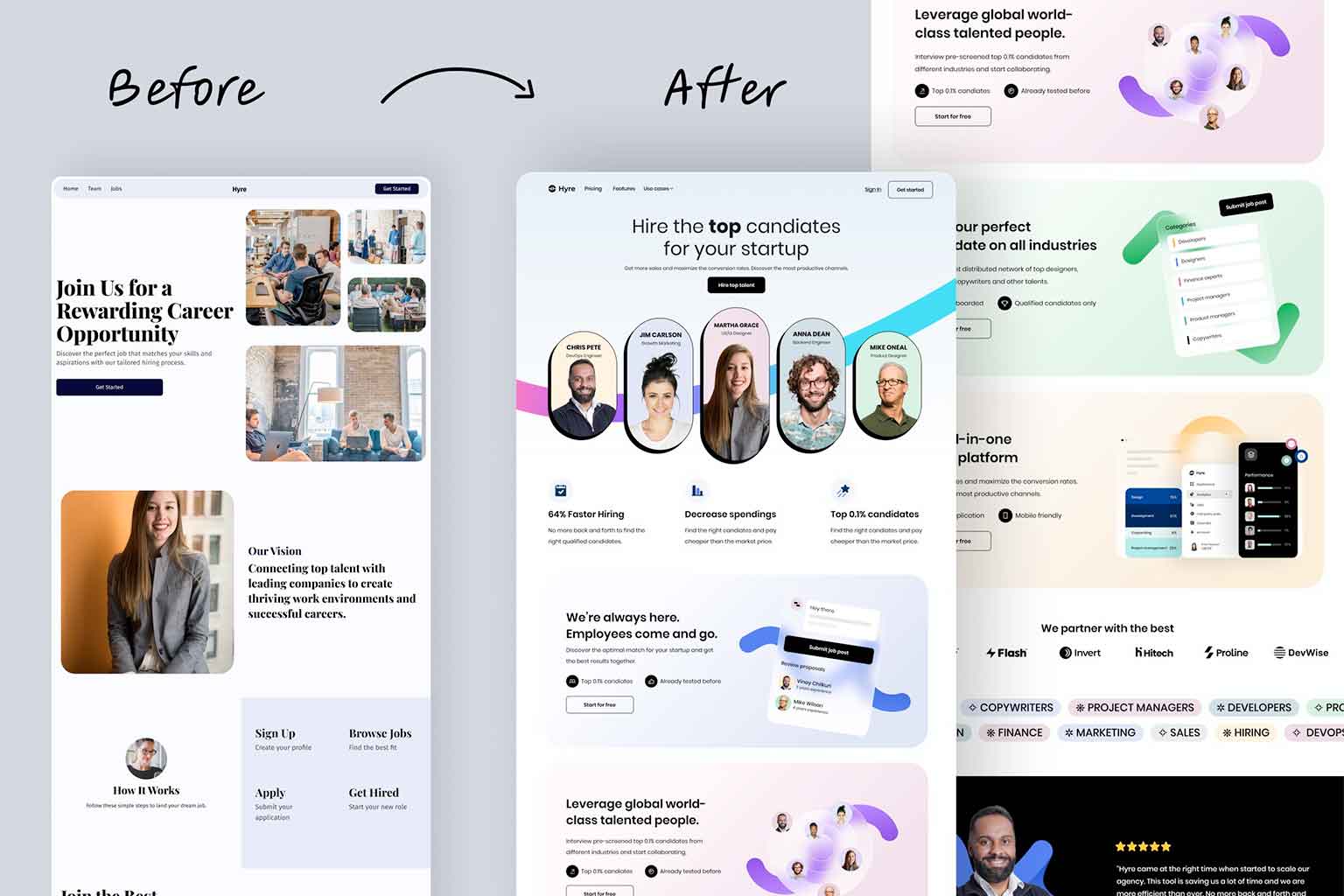
D) Strong Visual Design (The Harmony of Aesthetics)

In music, harmony happens when different notes complement each other. On a website, this happens when colors, fonts, images, and layout all feel like they belong together.

Strong visual design doesn’t mean it has to be fancy—it just needs to be consistent. Use your brand colors throughout. Stick to just one or two fonts. Make sure your spacing and alignment are clean. The design should support your content, not distract from it.

E) Mobile Optimization (Tempo for All Devices)

Music can be played at different tempos, and it should still sound good. Your website should work just as well whether someone is viewing it on a desktop, tablet, or phone.

Mobile optimization is no longer optional. If your site doesn’t load well or look good on a smartphone, you’re likely losing out on a big chunk of potential customers.

F) Clear Calls to Action (The Chorus That Repeats)

Every great song has a chorus—the part that repeats and gets stuck in your head. Your website should do the same with clear calls to action. Whether it’s “Call Now,” “Schedule a Free Consultation,” or “Get a Quote,” those messages should be easy to find and repeated often.

Calls to action guide your visitors to the next step. Without them, you’re just playing background music with no direction.

G) Speed and Security (Your Metronome and Safeguard)

A metronome keeps the beat steady. Security keeps your website steady. If your site loads slowly or isn’t secure, it throws everything off. Visitors will leave, and search engines may rank you lower.

Make sure your site loads quickly, uses a valid SSL certificate, and has regular backups in place. This is the technical foundation that keeps everything else performing in harmony.

Wrapping All The Notes Together

You don’t need every plugin or every design trick in the book. Just like great music comes from seven basic notes, a great website comes from mastering a few essential elements. When these parts are arranged just right—when the message is clear, the design is strong, and the site is easy to use—your website becomes more than just a collection of pages. It becomes a powerful tool to grow your business.


Ready to discover how we can help make your website and marketing more successful?
Contact Us

Marketing Made Simple

Insights from Full Scope Creative

Our thoughts on website design, graphic design, marketing, SEO, website hosting, branding, business management, and more here in the Full Scope Creative blog!

Insights, Tips, and Strategies for Small Business Success

Our blog is packed with expert advice on website design, SEO, marketing, branding, and more. Whether you’re looking to improve your website’s performance, boost your online presence, or streamline your business’s digital strategy, you’ll find valuable insights and actionable tips right here.

4 servers and the 4 different types of website hosting.

What Are the 4 Types of Hosting?

What are the 4 types of hosting? Shared, VPS, dedicated, and cloud hosting each offer different levels of cost, speed, security, and control. In this guide, we break them down in simple terms so small business owners can understand their options and choose a hosting setup that fits their needs and budget.

Read More »
business owner going over a checklist

Your Site Isn’t Ready for SEO If…

SEO can drive real growth for a small business. But if your website is slow, hard to use on mobile, thin on content, or not focused on the right keywords, you may be wasting money. Before investing in SEO, make sure your site is built and structured to support it the right way.

Read More »

List out all of your services

Many small businesses offer more services than their website lets on. When those services are hidden or scattered, potential customers never see the full picture. This blog explains why clearly listing every service matters, how to structure services pages, and how the right setup helps build trust and guide visitors toward the next step.

Read More »
a website with a good CTA button

Better Calls To Action On a Site

Clear calls to action help guide website visitors instead of leaving them guessing what to do next. Just like good signage in a new building, CTAs create clarity, reduce frustration, and lead users where they want and need to go. If your website feels confusing, stronger CTAs can make all the difference.

Read More »

Do I need to redesign my website?

Do I need to redesign my website? It’s a question we hear all the time, and the answer is usually “maybe.” Some sites are outdated but workable. Others are held together with digital duct tape. This article walks through how to tell the difference and why starting with the “why” matters more than jumping into a redesign.

Read More »
Illustration showing a website displayed on a computer screen with SEO elements like charts, content blocks, and targeting icons, explaining the question “Does Web Design Include SEO?” and how design and search optimization work together.

Does Web Design Include SEO?

Does web design include SEO? Not exactly, but the two work closely together. Web design focuses on structure, usability, and experience, while SEO focuses on visibility and how people find your site. A successful website needs both working together to reach its full potential and support long-term business growth.

Read More »
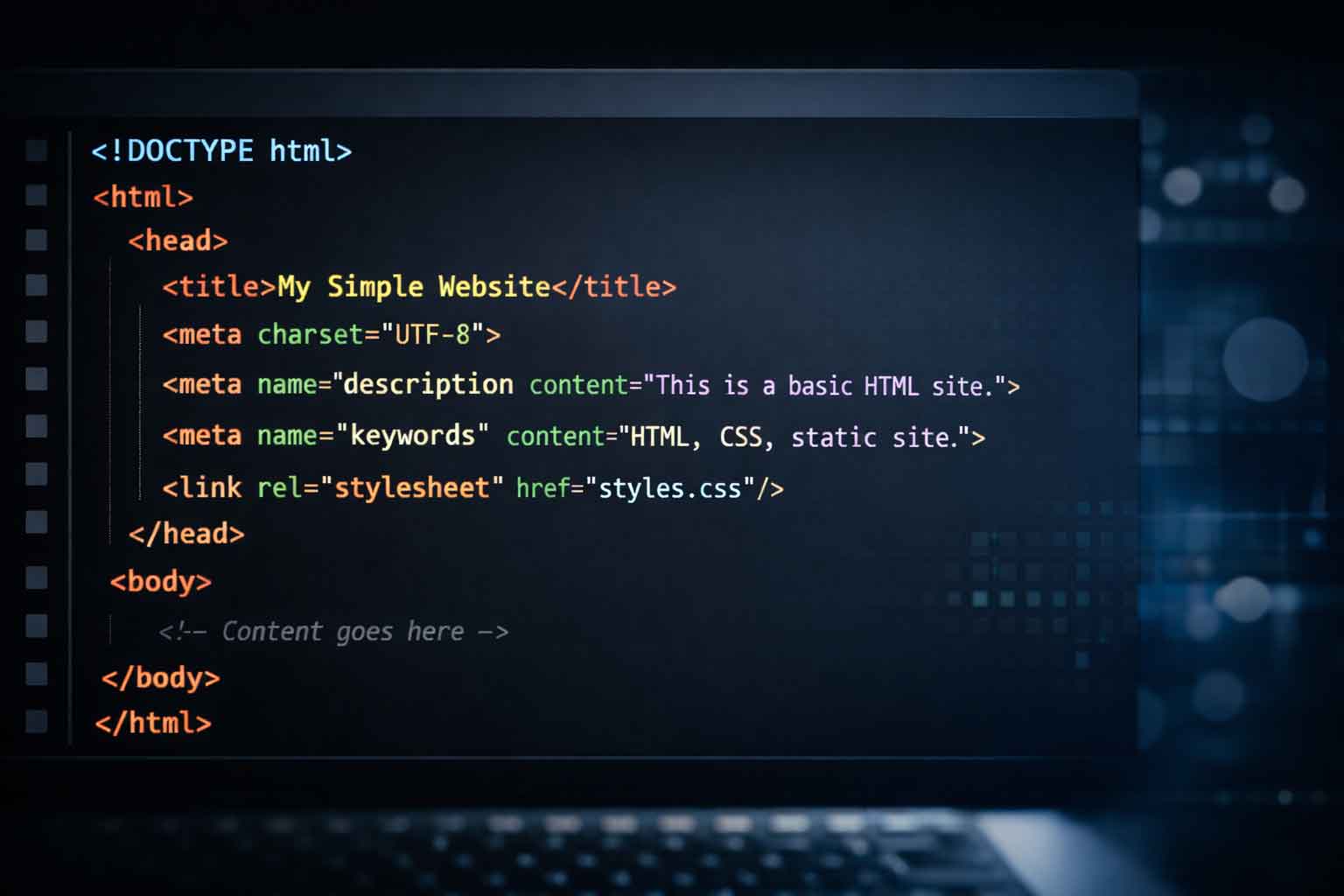
Simple HTML code for a website. Just cause it's a simple HTML site doesn't mean it can't be hacked.

Can a Static HTML Site Get Hacked?

Can a static HTML site get hacked? Many people assume simple websites are immune to security risks, but that is not how website security actually works. Hosting, access controls, and ongoing management play a much larger role than file type. This article explains why static sites are still vulnerable and how properly managed WordPress sites can be just as secure.

Read More »
A web browsers address bar showing the domain name.

Should your domain name move when your site does?

When businesses move from Wix or Squarespace to WordPress, the focus is usually on design and content. One critical detail often gets missed: the domain name. Leaving a domain with an old platform can create unnecessary complications later. Understanding where your domain lives and when to move it can save time, frustration, and future technical headaches.

Read More »
A computer screen with security icons

Can my WordPress site be hacked?

Can my WordPress site be hacked? Yes, it can, just like any other website. The real difference comes down to how security is managed. In this article, we explain why WordPress is safe when set up correctly, what security risks actually exist, and how Full Scope Creative removes the headaches by managing hosting, security, and backups for you.

Read More »
Ready to discover how we can help make your website and marketing more successful?
Contact Us

Wonderful experience working with Chris and his staff for the redesign of some marketing pieces for the upcoming year. Great turn time, super responsive to feedback, and final results were really impressive. Thank you so much!!

~ Jacob Jirschele,
Allouez Optimist Club