Improve Your SEO Without Spending a Fortune

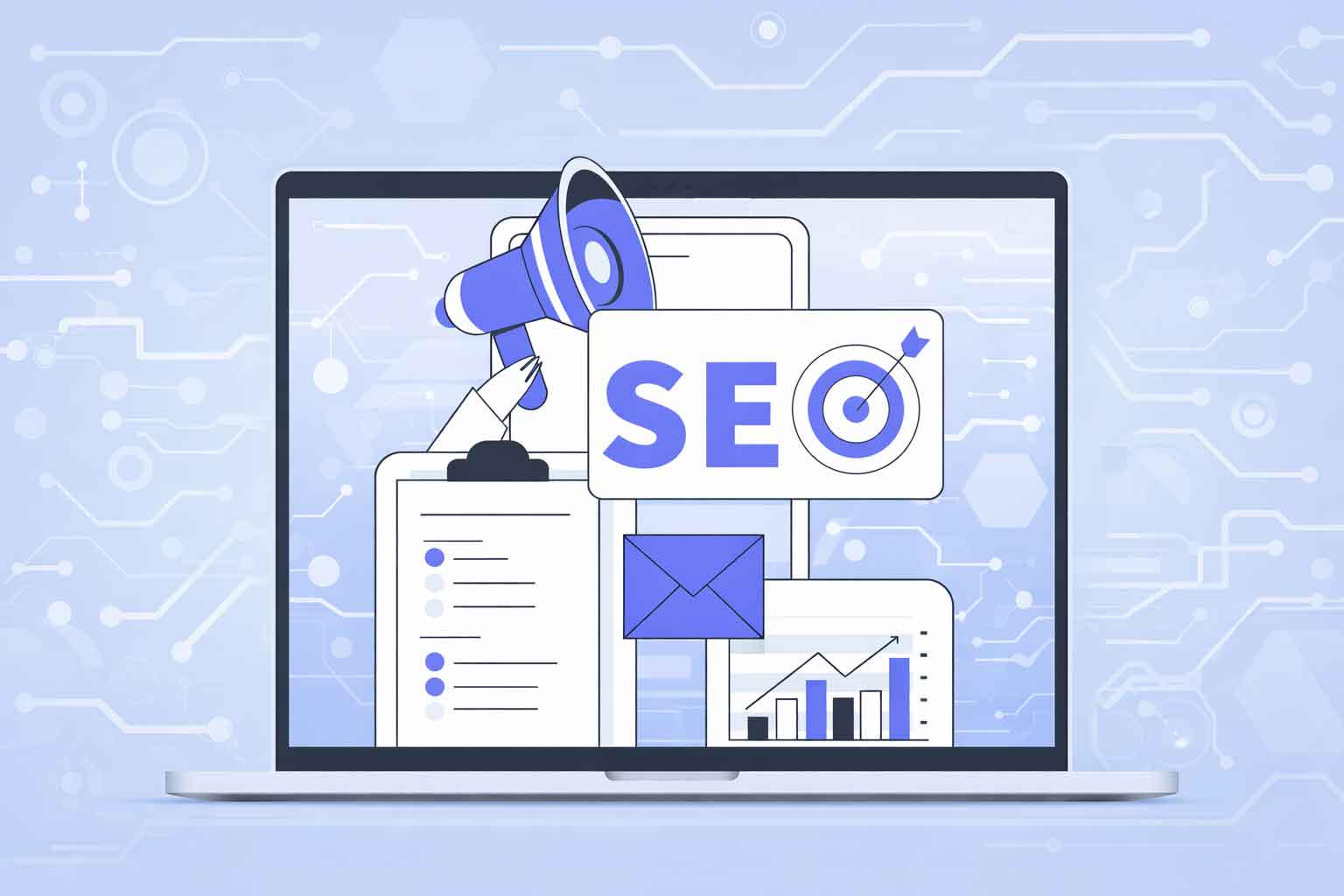
Search Engine Optimization (SEO) can often feel like an overwhelming and expensive undertaking, especially for small business owners. But here’s the good news: improving your website’s SEO doesn’t have to break the bank. There are plenty of simple and cost-effective strategies that you can implement to help your site rank higher in search results and attract more visitors. Here are five easy ways to improve your website’s SEO without spending a fortune:

Improving your SEO doesn’t have to break the bank

Search Engine Optimization (SEO) can often feel like an overwhelming and expensive undertaking, especially for small business owners. But here’s the good news: improving your website’s SEO doesn’t have to break the bank. There are plenty of simple and cost-effective strategies that you can implement to help your site rank higher in search results and attract more visitors.

Here are five easy ways to improve your website’s SEO without spending a fortune:

Optimize Your Images

Images play a significant role in your website’s design and user experience, but they can also impact your SEO. By optimizing your images, you’ll not only improve your site’s loading speed but also help search engines better understand your content.

  • Compress Your Images: Use tools like TinyPNG or ImageOptim to reduce the file size of your images without compromising quality.
  • Use Descriptive File Names: Instead of uploading images with generic names like “IMG1234.jpg,” rename them with descriptive keywords, such as “green-bay-web-design.jpg.”
  • Add Alt Text: Include alternative text for each image that describes its content. Alt text helps with accessibility and gives search engines more context about your page.

Create Local-Focused Content

If your business serves a specific geographic area, creating localized content is a fantastic way to attract nearby customers and improve your local SEO.

  • Write Location-Specific Blog Posts: Share helpful information related to your industry and your local community. For example, a blog titled “Top Website Design Tips for Green Bay Small Businesses” can attract local traffic.
  • Use Local Keywords: Incorporate keywords that include your location, such as “Green Bay SEO services” or “Ashwaubenon graphic design.”
  • List Your Business on Local Directories: Ensure your business is listed in local directories and review platforms, such as Google My Business and Yelp.

Focus on Internal Linking

Internal linking is one of the simplest and most effective SEO strategies that often goes overlooked. By linking related pages and blog posts within your site, you help search engines understand the structure of your site and keep visitors engaged for longer.

  • Link to Relevant Blog Posts: If you mention a topic in one blog that you’ve covered in another, link to it.
  • Use Descriptive Anchor Text: Instead of using generic text like “click here,” use descriptive phrases that include keywords, such as “learn more about website hosting options.”
  • Highlight Important Pages: Make sure your most important pages, like your services or About Us page, are linked throughout your site.

Keep Your Website Fast and Mobile-Friendly

Google considers website speed and mobile-friendliness as key ranking factors. A slow or unresponsive website can hurt your SEO and drive visitors away.

  • Test Your Website’s Speed: Use tools like Google PageSpeed Insights to identify issues slowing down your site.
  • Minimize Plugins: If you’re using a platform like WordPress, reduce the number of plugins to improve speed.
  • Ensure Mobile Responsiveness: Make sure your site is easy to navigate on smartphones and tablets. Responsive design is essential for modern SEO.

Write High-Quality, Engaging Content

Content is still king when it comes to SEO. Creating informative, engaging, and well-written content not only helps your site rank better but also builds trust with your audience.

  • Answer Common Questions: Use tools like AnswerThePublic or Google’s “People Also Ask” section to find questions your audience is searching for and create content around those topics.
  • Update Existing Content: Refresh your old blog posts with updated information and new keywords.
  • Use Keywords Strategically: Place your primary keywords in the title, headings, and throughout the text naturally—but avoid keyword stuffing.

Attract more visitors without spending a fortune

By taking these simple steps, you can improve your website’s SEO and attract more visitors without spending a fortune. Remember, SEO is an ongoing process, so be consistent with your efforts and monitor your results over time. If you ever feel stuck, Full Scope Creative is here to help with straightforward SEO solutions tailored to small businesses. Let us take the stress off your plate so you can focus on running your business!


Ready to discover how we can help make your website and marketing more successful?
Contact Us

Marketing Made Simple

Insights from Full Scope Creative

Our thoughts on website design, graphic design, marketing, SEO, website hosting, branding, business management, and more here in the Full Scope Creative blog!

Insights, Tips, and Strategies for Small Business Success

Our blog is packed with expert advice on website design, SEO, marketing, branding, and more. Whether you’re looking to improve your website’s performance, boost your online presence, or streamline your business’s digital strategy, you’ll find valuable insights and actionable tips right here.

Improving a webpage for better SEO

How to Improve SEO Rankings for Service Pages

Service pages don’t rank the same way blog posts do. Improving their SEO takes more than keywords and backlinks. It requires clear focus, stronger structure, trust signals, and supporting content that works together. This article breaks down practical, page-level improvements you can make to help your service pages perform better in search results.

Read More »

2025 Blog Recap: What We Shared This Year at Full Scope Creative

In 2025, we shared a lot on the Full Scope Creative blog. Those posts came from real questions, real projects, and real conversations with small business owners. This recap looks back at what we covered, why those topics mattered, and how steady, practical education continues to shape how we support our clients.

Read More »

Do I Need Hosting If I Use WordPress?

If you use WordPress, you still need website hosting. WordPress is the tool that manages your content, while hosting is what makes your site accessible online. Without hosting, your website has nowhere to live. This article explains how WordPress and hosting work together and why many businesses choose managed hosting with Full Scope Creative.

Read More »

What Is a Mockup in Graphic Design?

A mockup in graphic design is more than a preview. It is a critical step where designers test how a design works in real-world situations like websites, signage, and print materials. This process helps uncover issues early and explains why professional graphic design involves far more than just making things look good.

Read More »

Easy Ways to Improve Your Site

Small website changes can make a big difference. You do not need a full redesign to improve readability and usability. Adjusting line height, adding white space, using clearer headings, and breaking up long paragraphs can make your site easier to read and easier to use. These simple improvements help visitors feel more comfortable and confident on your site.

Read More »

Blog Comments

Blog comments sound great in theory, but in reality they create more risk than reward. On most WordPress sites, open comments invite spam, add security concerns, and require ongoing moderation. That is why we turn blog comments off by default. It saves time, protects the site, and avoids unnecessary headaches for business owners.

Read More »
Referees making sure the rules are followed

What Are the 7 Rules of Graphic Design?

Good graphic design is about more than looks. The seven rules of graphic design help guide attention, improve clarity, and build trust with your audience. From balance and contrast to white space and movement, these principles show up in every effective logo, website, and marketing piece. When one is missing, something always feels off.

Read More »
Everything will be OK if your keywords sound a little clunky or odd

Keywords Might Sound Clunky or Odd (And That’s Okay)

Keywords can sound awkward or unnatural, but they’re often the exact words people type into Google. Businesses and customers don’t always speak the same way, especially online. Understanding how people actually search helps your website get found, even if the wording feels a little clunky at first.

Read More »
Ready to discover how we can help make your website and marketing more successful?
Contact Us

FSC does great work. Let your friends know. Chris puts all his passion into making your company look great on the internet.

~ Dean Raasch,