For many users it is their first exposure to your online presence. It is packed with useful information such as you phone number, address, map, web address, and reviews.  No, it isn’t your website or even your Facebook page. It’s your Google Places page.

Claim Your Page

When you go to your Google Places page, you’ll find a link to claim the page or that business as your own. Google will then send out a post card to the address containing your PIN to log in to your new account – an account which, as all good things in life, is free to set up. Once you’re in control of the page, you can add an even greater amount of information, such as store hours, parking options, and which credit cards you accept. You’ll also be able to update or correct any information that may be present but outdated.

Once you have your page verified, double check to make sure that the phone number and address that Google is listing is correct. You should also take this opportunity to ensure that the map points users to the right location. Not long ago we had a client that noticed that the map for their office was incorrect – there is a river running along the west side of their office building, but the Google map showed it to be on the east side. Since the river is a major landmark that they used to get clients to their office, we needed to get it fixed. There is a process you can go through to let Google know that there is an issue and they will look into every issue reported. It may, however, take a while. In our instance, for example, the river was updated to show on the correct side of the building three weeks after our report.

Reviews

Users can post reviews and ratings of your company before or after you claim the page. If you don’t have any reviews and ratings showing up, ask your clients if they’d be willing to log in and let the Google universe know what they think of your offerings. There’s nothing wrong with asking for testimonials, so long as you don’t tell them what to say. Be sure to try and respond to your reviews as well. Let the community know that you’re listening and paying attention to what they are saying.

Doesn’t eliminate the need for your site

While the Google Places page does offer a lot of pertinent information about your company, it doesn’t offer everything. Because of that, you still want to be sure that your website is as top notch as your business is. Your Google Places page is just part of your online presence. Claim it, maintain it, and monitor it.

If you’d like help claiming your Google Places page or getting started, we’d be more than happy to help.
Ready to discover how we can help make your website and marketing more successful?
Contact Us

Marketing Made Simple

Insights from Full Scope Creative

Our thoughts on website design, graphic design, marketing, SEO, website hosting, branding, business management, and more here in the Full Scope Creative blog!

Insights, Tips, and Strategies for Small Business Success

Our blog is packed with expert advice on website design, SEO, marketing, branding, and more. Whether you’re looking to improve your website’s performance, boost your online presence, or streamline your business’s digital strategy, you’ll find valuable insights and actionable tips right here.

Which Website Builder Is Best for WordPress?

Trying to decide which website builder is best for WordPress? Divi, Beaver Builder, WP Bakery, and Elementor all offer different strengths. In this guide, we break down what each builder does well, where they fall short, and why Elementor is our top choice for small business websites at Full Scope Creative.

Read More »
ACF and Elementor are easy to use and can add so much to a site!

ACF and Elementor

ACF and Elementor allow us to turn a basic WordPress site into a structured, easy-to-manage system. With custom fields, custom post types, and dynamic layouts, your content stays organized and simple to update. Full Scope Creative sets it all up so you can just fill out fields and publish with confidence.

Read More »
4 servers and the 4 different types of website hosting.

What Are the 4 Types of Hosting?

What are the 4 types of hosting? Shared, VPS, dedicated, and cloud hosting each offer different levels of cost, speed, security, and control. In this guide, we break them down in simple terms so small business owners can understand their options and choose a hosting setup that fits their needs and budget.

Read More »
business owner going over a checklist

Your Site Isn’t Ready for SEO If…

SEO can drive real growth for a small business. But if your website is slow, hard to use on mobile, thin on content, or not focused on the right keywords, you may be wasting money. Before investing in SEO, make sure your site is built and structured to support it the right way.

Read More »

List out all of your services

Many small businesses offer more services than their website lets on. When those services are hidden or scattered, potential customers never see the full picture. This blog explains why clearly listing every service matters, how to structure services pages, and how the right setup helps build trust and guide visitors toward the next step.

Read More »
a website with a good CTA button

Better Calls To Action On a Site

Clear calls to action help guide website visitors instead of leaving them guessing what to do next. Just like good signage in a new building, CTAs create clarity, reduce frustration, and lead users where they want and need to go. If your website feels confusing, stronger CTAs can make all the difference.

Read More »

Do I need to redesign my website?

Do I need to redesign my website? It’s a question we hear all the time, and the answer is usually “maybe.” Some sites are outdated but workable. Others are held together with digital duct tape. This article walks through how to tell the difference and why starting with the “why” matters more than jumping into a redesign.

Read More »
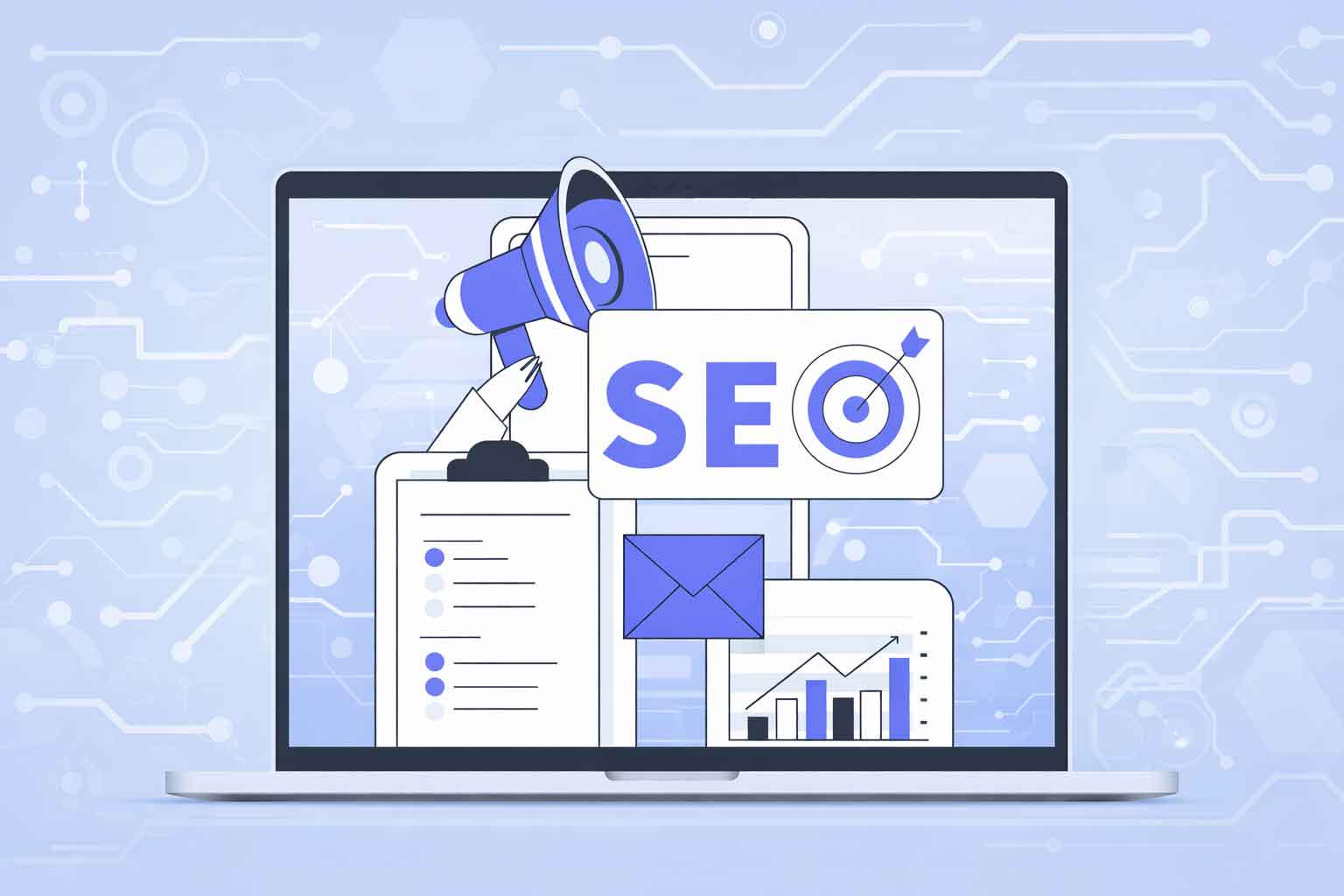
Illustration showing a website displayed on a computer screen with SEO elements like charts, content blocks, and targeting icons, explaining the question “Does Web Design Include SEO?” and how design and search optimization work together.

Does Web Design Include SEO?

Does web design include SEO? Not exactly, but the two work closely together. Web design focuses on structure, usability, and experience, while SEO focuses on visibility and how people find your site. A successful website needs both working together to reach its full potential and support long-term business growth.

Read More »
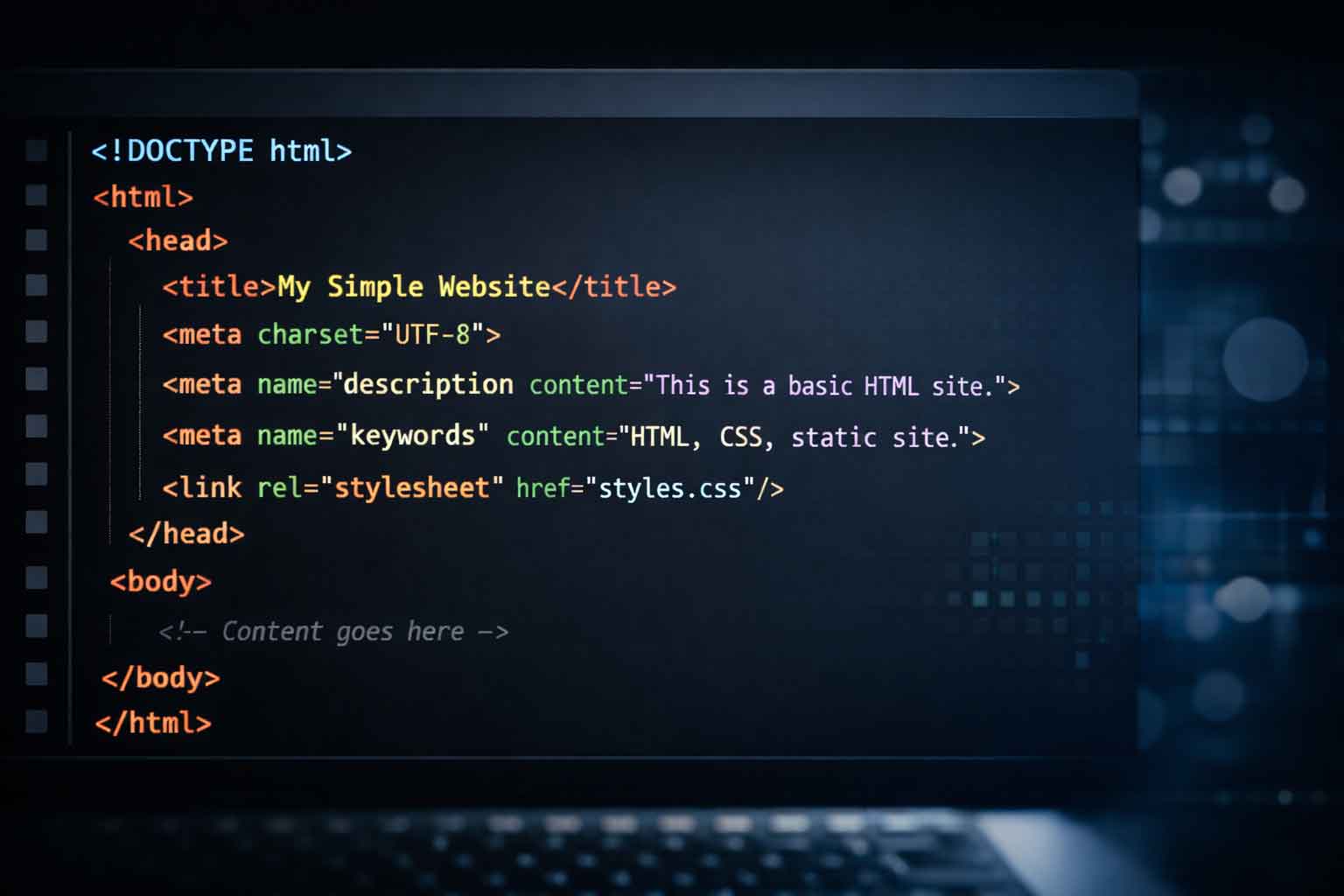
Simple HTML code for a website. Just cause it's a simple HTML site doesn't mean it can't be hacked.

Can a Static HTML Site Get Hacked?

Can a static HTML site get hacked? Many people assume simple websites are immune to security risks, but that is not how website security actually works. Hosting, access controls, and ongoing management play a much larger role than file type. This article explains why static sites are still vulnerable and how properly managed WordPress sites can be just as secure.

Read More »
Ready to discover how we can help make your website and marketing more successful?
Contact Us

Full Scope Creative has been great to work with. On top of the services they are contracted to provide, as a small Nonprofit without a website professional on staff, Chris is always willing to answer questions & provide guidance when asked. I recommend working with Chris and his team!

~ Leah Stevens,
LT Virtual Solutions