Simple design tweaks that make a big impact
At Full Scope Creative, we know that just having a great-looking website isn’t enough. What you and any small business really wants is a website that really works – bringing in leads, new sales, adds new newsletter sign-ups, or boosts the number of incoming phone calls. That’s where smart design and smart marketing meet up. Let’s dive into 8 design steps to boost your conversions. We’re really going to focus on strong SEO and site basics every small business website should have in place.
Whether you’re just starting your website from scratch or refreshing an existing website, these 8 design steps to boost your conversions can help ensure your site isn’t just sitting pretty – they’ll make sure it’s working hard for your business. As you’ll see, none of these ideas are rocket science or require years of website design experience or fancy degrees in computer sciences. They’re all practical improvements any small business owner can implement with the right guidance.
1. Use Clear and Compelling Headlines
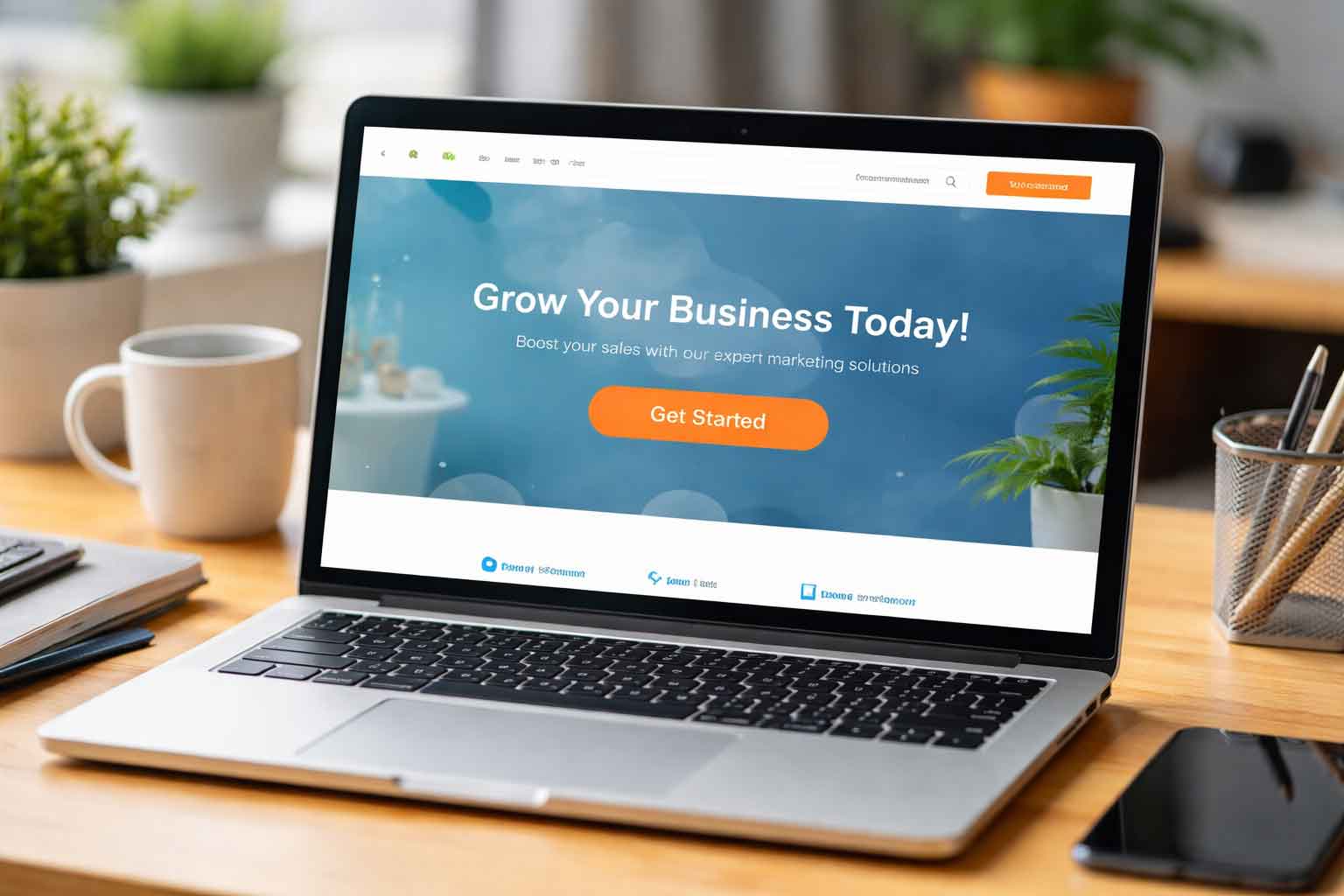
A powerful headline does more than just look good. Great headlines set the stage for your entire page and all the information that follows. Headlines, especially H1 and H2 headings, should instantly communicate what your business offers and who it’s for. Be sure to never use vague intros like “Welcome to Our Site” and instead lead with your biggest value proposition AND use your keyword. A headline like “Green Bay Web Design That Converts Visitors Into Clients” not only tells users what you do, but does so in a way that invites them to learn more.
From an SEO perspective, your headline has a huge technical role as well. The main headline (typically set as an H1 tag) helps Google quickly get to know the content and context of your page and website. Including a primary keyword in your H1 – while being sure not to keyword stuff at all – can improve your search rankings and click-through rates. Subheadings (such as H2s and H3s) should be used to help guide and direct readers down the page while continuing to reinforce topic relevance.
If you’re not sure where to begin with headings, take a look at your site’s homepage and key service pages. Ask yourself, “Would someone reading the first headline immediately know what problem my company solves” and would they know what actions to take next? If not, this is one of the fastest design steps to boost your conversions.
✅ Recommended Link: The Importance of the H1 Tag – This article explains how a pages H1 tag can have a great impact on search visibility.
2. Simplify Your Navigation
When it comes to website menus, less really is more. If your site’s navigation looks like a cluttered drop-down jungle, users won’t stick around. Your menu should make it super easy for someone to find what they’re looking for—without needing a GPS. Stick with straightforward terms like “About,” “Services,” and “Contact,” and group any similar pages under one clear heading.
A simplified nav bar also helps with SEO. Every link in your menu tells Google what’s most important on your site. By keeping things clean and logical, you’re helping users and search engines at the same time. That structure also makes it easier for visitors to move from one section to another, which means they’ll spend more time on your site—and that’s always a good thing.
If your navigation is too complex or trying to do too much, simplify it. This is one of those easy design steps to boost your conversions that can make a big difference right away.
✅ Recommended Link: A Website Alone Won’t Get You Customers – This article looks at how structuring your website the right way (including navigation) helps keep visitors moving and increases the chances they’ll take action.
3. Focus on One Clear CTA Per Page
Too many calls-to-action on one page can be overwhelming—like walking into a room and being shouted at from every direction. When you build a page, think about its one goal. Is it to schedule a consultation? Fill out a form? Make a purchase? Whatever that one goal is, make it crystal clear.
Don’t just stick your CTA at the bottom of the page and call it a day. Put it near the top, somewhere in the middle, and again near the bottom. Make it easy to see and even easier to understand. Instead of “Submit” try something more benefit-driven like “Start Your Project” or “Get My Free Review.”
The goal here isn’t just to have a button—it’s to have the right button in the right place. Having one clear CTA is a classic and powerful design step to boost your conversions, and it’s an easy one to get right.
✅ Recommended Link: The Importance of Clear Calls-to-Action on a Website – Learn how to write CTAs that actually get clicked.
4. Speed Up Your Site
Nobody likes a slow website—not your users, and definitely not Google. When a site takes too long to load, people leave. Period. And if they bounce before the page finishes loading, that’s a conversion that never had a chance.
Images are often the main culprit, especially if they’re huge, uncompressed files. Plugins and bloated code can also bog things down. Use tools to test your site speed (like GTmetrix or PageSpeed Insights) and work on optimizing what’s slowing it down. A fast site isn’t just good for the user experience—it’s something Google rewards with better rankings.
Speed is one of those behind-the-scenes design steps to boost your conversions. You don’t notice it when it’s good—but when it’s bad, it’ll cost you.
✅ Recommended Link: Speeding Up Images – A breakdown of what slows sites down and how to fix it.
5. Make It Mobile-Friendly
Chances are, at least half of your site’s visitors are coming from a phone or tablet. If your site doesn’t look good or function properly on mobile, you’re likely losing business before someone even gets a chance to engage. Text should be readable, buttons should be easy to tap, and nothing should feel “squished.”
Google uses mobile-first indexing now, which means the mobile version of your site is what Google primarily looks at to determine your rankings. So even if your desktop site is beautiful, if your mobile site is frustrating, that’s a problem for both your users and your SEO.
Making sure your site works well on mobile isn’t just good practice anymore—it’s a requirement. This design step to boost your conversions is one that can’t be skipped in today’s world.
✅ Recommended Link: Mobile Design is More Important Than Ever – A small-business guide to responsive web design.
6. Add Trust Signals
Visitors won’t take action unless they trust you. That trust can be built in several ways—testimonials, reviews, membership badges, case studies, or even something as simple as real photos of your team. These little details can make your business feel more “real” and trustworthy.
If you work locally, trust signals like Google reviews, local chamber badges, or awards can really help. Showcasing your partnerships or highlighting the number of clients you’ve worked with can build authority and comfort. And don’t forget the About page—it’s often one of the most visited pages on a site and a great place to build trust.
When people feel confident about you, they’re much more likely to contact you. Trust signals are one of the most underrated design steps to boost your conversions—but they’re incredibly powerful when done right.
✅ Recommended Link: Using Social Proof to Boost Your Website’s Credibility – Learn how to showcase testimonials and case studies.
7. Write SEO-Optimized, User-Friendly Content
The best websites are full of clear, helpful content that speaks to your customers—and includes keywords naturally. Your content should answer the questions your clients are already asking and guide them toward taking action. Be conversational, be real, and don’t overcomplicate things.
For SEO, place your keywords in the right spots—your H1, first paragraph, and a couple of H2s if possible. But don’t keyword stuff. Write for humans first, search engines second. Google’s smart enough to understand natural language now, and users can smell robotic text a mile away.
Great content is one of those ongoing design steps to boost your conversions because it helps you rank better and connect with your audience. It might take time, but it’s worth every word.
✅ Recommended Link: Don’t Be an SEO Stormtrooper – A fun, non-nerdy guide to writing better SEO content.
8. Make Forms Simple and Non-Intimidating
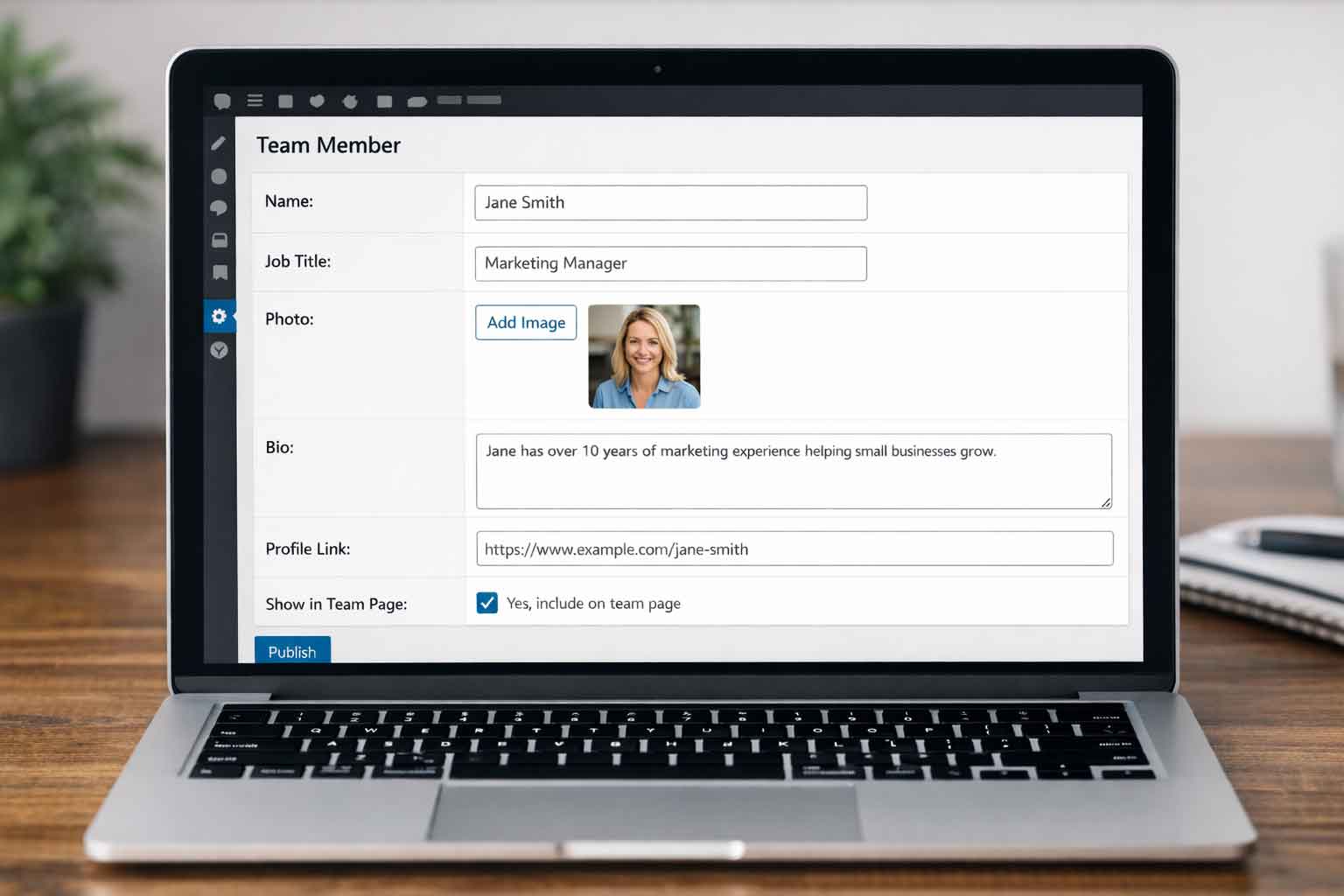
The contact form is where conversions happen—so don’t scare people off with something that looks like a government application. Keep it short and sweet. Name, email, maybe a phone number or short message field. That’s all you usually need.
Use friendly language and design that makes the form feel approachable. Give users a little reassurance like “We never share your info” to ease their minds. And don’t forget the CTA button—make it something that aligns with the form’s purpose, like “Get My Free Quote” instead of just “Submit.”
If your form feels easy, users are more likely to fill it out. This final design step to boost your conversions could be the one that brings in your next lead.
✅ Recommended Link: Contact Forms – Simple ways to make your contact forms more effective.
Ready to Turn Clicks Into Clients?
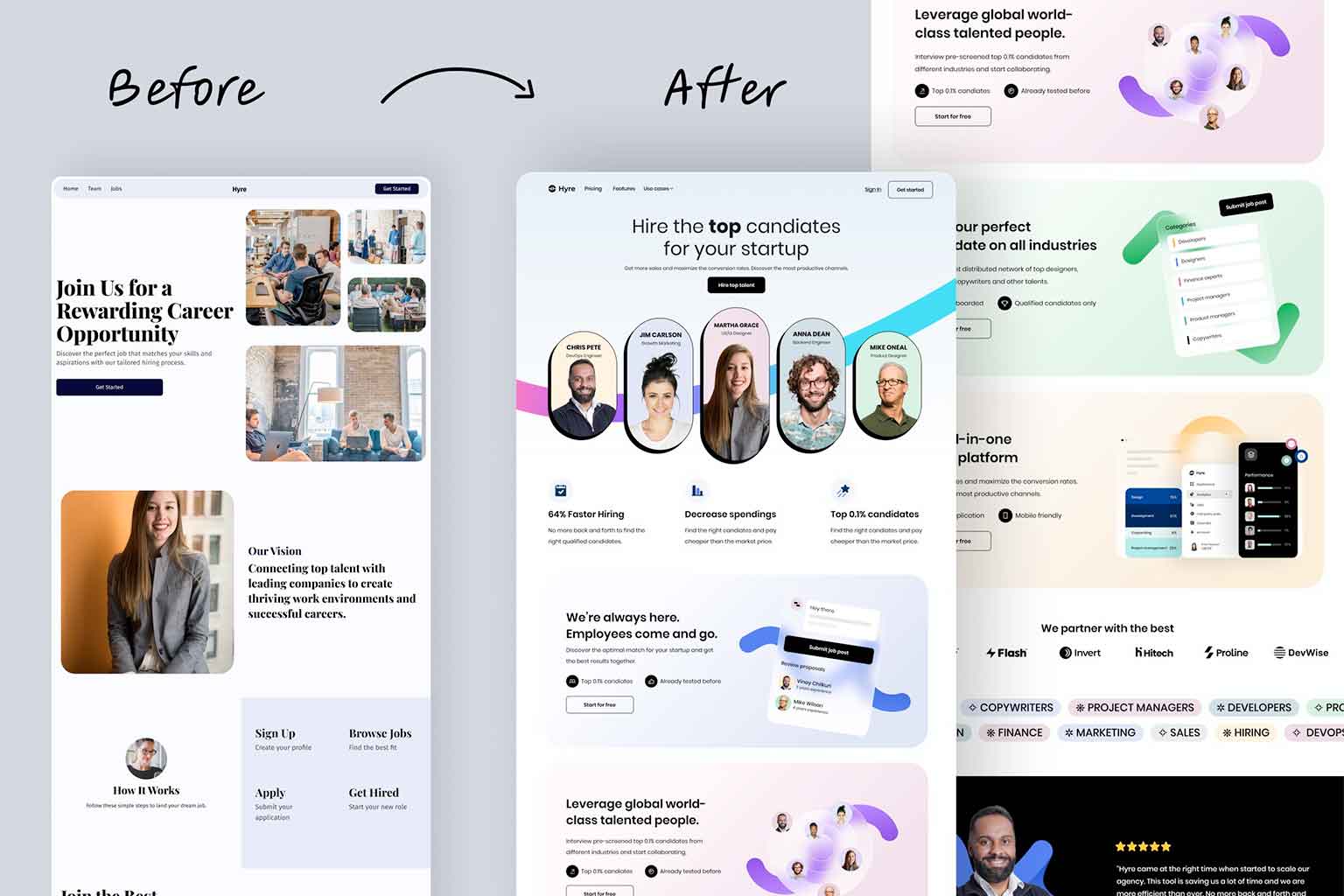
Improving your site’s performance doesn’t mean starting over. These 8 design steps to boost your conversions can each be tackled one at a time, and even small tweaks can make a huge difference. Your website should be your hardest working employee—bringing in leads, building trust, and showing off what you do best.
If you’re not sure where to begin or want a second set of eyes, we’d love to help. Schedule a free consultation and let’s look at how we can turn your site into a conversion machine.