It is your business, but the photos aren’t for you
When business owners think about website photos, they often start with what they personally like. Favorite colors. Favorite places. Images that feel cool or inspiring to them. And that makes sense. It is your business after at the end of the day.
But your website is not really for you.
Your website is there for the people you want to work with. Because of that, the images on it should speak to them first.
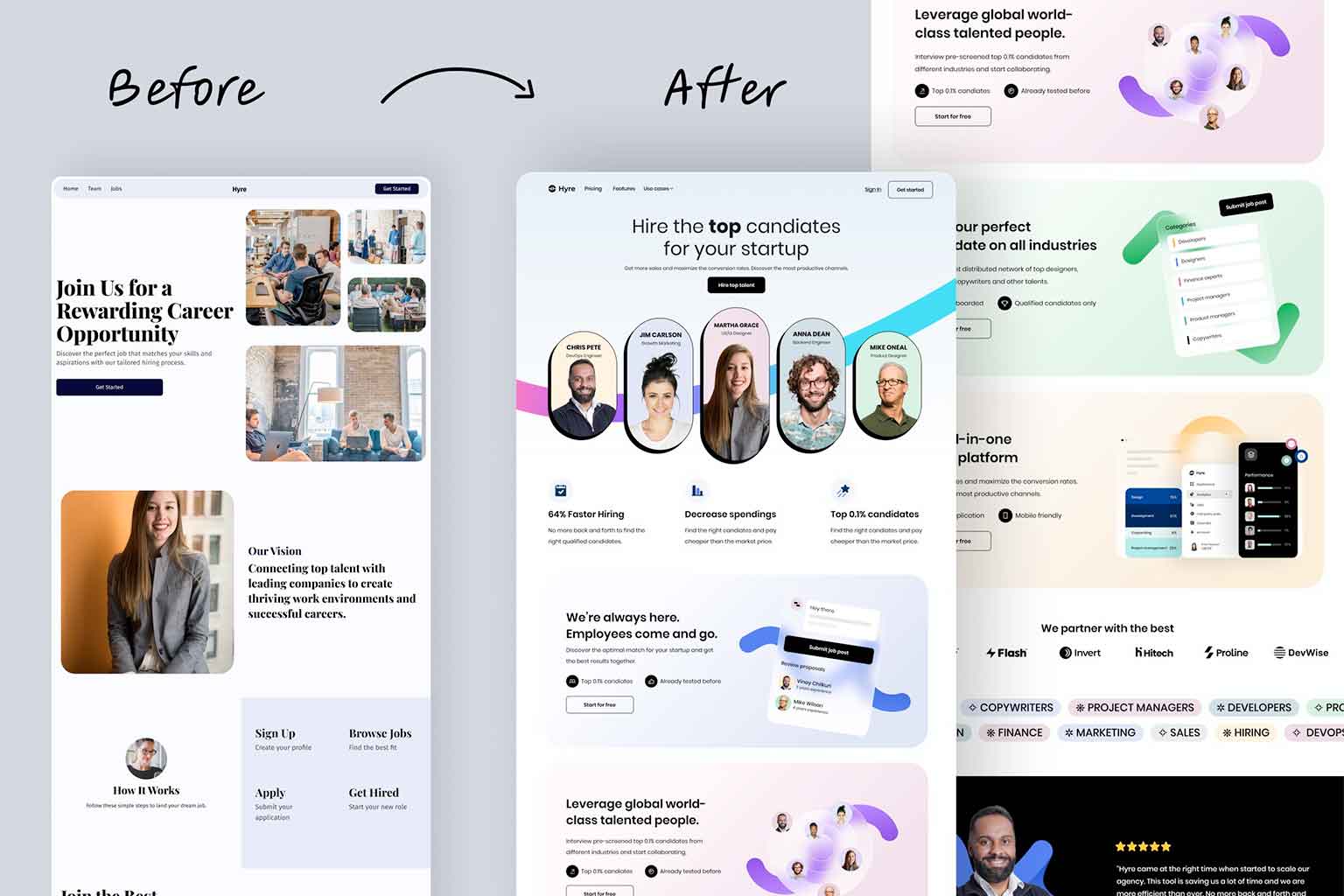
This is a common disconnects we see on small business websites. The photos look nice. Sometimes very nice. But they do not match the audience, the service, or the personality of the business.
What Your Photos Are Really Communicating
Every photo on your website is sending a message. Even if you did not intend it to.
Photos help answer questions visitors are already asking in their head like:
- Is this business for someone like me?
- Do they understand my needs?
- Do I feel comfortable reaching out?
If your images do not help answer those questions, they are working against you.
A contractor website filled with abstract visuals might look interesting, but it does not help a homeowner picture the work being done. A professional service business using overly futuristic or stylized imagery may look impressive, but it can feel cold or confusing to the people you want to attract.
Your photos should support clarity. Not distraction.
Personal Taste vs Professional Fit
You can love something and still know it is not right for your audience.
One of my favorite bands is Uriah Heep. I love their music. That does not mean it belongs in a client meeting at our office. It would reflect my personal taste but not what would make most clients feel connected.
Your website images work the same way.
You might love beach photos. Or mountains shots. Or bold, dramatic visuals. But if your business serves local customers, homeowners, or other small businesses, those images may not help build trust. They may even create a distance.
The goal is not to remove your personality from the business or marketing. It is to align it with your audience.
Images Should Reflect Who You Are and Who You Serve
Good website photos do two things at the same time: They reflect you as a business. They connect with the people you want to work with.
That balance is so important.
If your business is friendly and approachable, your images should feel that way. If you are local, your photos should feel grounded and real. If you work hands on with clients, your visuals should show people, environments, and situations your audience recognizes.
This does not mean everything has to be literal. But it should feel believable.
When Images Become a Distraction
We are seeing more businesses use AI generated imagery or heavily stylized visuals. That can be useful in some cases. There is nothing inherently wrong with it.
The problem comes when the images become the focus instead of the service.
Overly dramatic visuals. Highly futuristic designs. Images that feel disconnected from reality. These can confuse visitors. Instead of thinking about what you offer, they are trying to figure out what they are looking at.
If someone remembers your website for the visuals but still does not understand what you do, the photos missed the mark.
AI imagery should support your brand, not overpower it. It should still feel aligned with who you are and what your audience expects from a business like yours.
This Applies Beyond Your Website
While your website is often the first place this issue shows up, it applies everywhere.
Brochures.
Social media graphics.
Ads.
Presentations.
Any place your brand shows up visually should be consistent and audience focused. If your website feels professional and grounded but your printed materials feel flashy and disconnected, it creates friction.
Consistency builds trust. Confusion breaks it.
A Simple Way to Evaluate Your Images
If you are unsure about the photos on your website, ask yourself a few questions.
Would my ideal customer feel comfortable here?
Do these images help someone understand what it is like to work with us?
Do they reflect the tone of our conversations and meetings?
Are they supporting the message or distracting from it?
If the answer feels uncertain, it may be time to rethink your visuals.
Photos are not just decoration. They are part of your communication. When they are chosen with intention, they quietly do a lot of work for you.
If you are not sure whether your website images are connecting with the right audience or just reflecting personal taste, this is something we help small businesses sort through all the time. A few small adjustments can make a big difference.