Back in the good ol’ days, when there was a new site, or even new pages, developers would manually enter the new site info to a search engine via a submission form. Not only was that time consuming, and an easy way to miss content, it was easy for spammers and hackers to sneak their way into search results pages. Fast forward to today, and we can use tools like Google Search Console and XML sitemaps to achieve those same results. And best of all – more effectively. 

The easiest way to make a sitemap, at least for a WordPress site, is to use the Yoast SEO plugin. After installing the plugin, you can generate the sitemap in a few clicks. One of the great things with a Yoast sitemap, is that it includes the date that the individual page or post was last updated. This helps to give Google as much data as possible to crawl your site as often as needed or possible. If you add a new section of content or pages, the sitemap will be updated automatically. 

You can also submit multiple sitemaps to Google Search Console. For example, if you have an active blog, you can submit one sitemap for the pages on your site, and a second that lists your blog posts. A sitemap is limited to 50,000 URLs (such as domainname.com/page-name or domainname.com/blog/great-article), so if you have a larger site it would be beneficial to split pages and posts into separate sitemaps. While we don’t have 50,000 URLs on the Full Scope Creative website, we still split our sitemaps that are submitted to Google by pages and blog posts. 

When I talk to clients about sitemaps, one of the questions I often hear is “Does my site really need a sitemap?” Google does give some guidelines for which sites should use one based on site size, size of site archive, and how recently the site was published. To keep it simple, I would say that if your goal is to be found in a Google search, your site is definitely in need of an XML sitemap that can be linked to Google Search Console. 

What used to take time and lead to possible mistakes, we can today use an XML sitemap for. Gone are the days of needing to manually enter new sites and pages to search engines. While there are times I’d love to go back to “the good ol’ days,” this is not one of them. 

Ready to discover how we can help make your website and marketing more successful?
Contact Us

Marketing Made Simple

Insights from Full Scope Creative

Our thoughts on website design, graphic design, marketing, SEO, website hosting, branding, business management, and more here in the Full Scope Creative blog!

Insights, Tips, and Strategies for Small Business Success

Our blog is packed with expert advice on website design, SEO, marketing, branding, and more. Whether you’re looking to improve your website’s performance, boost your online presence, or streamline your business’s digital strategy, you’ll find valuable insights and actionable tips right here.

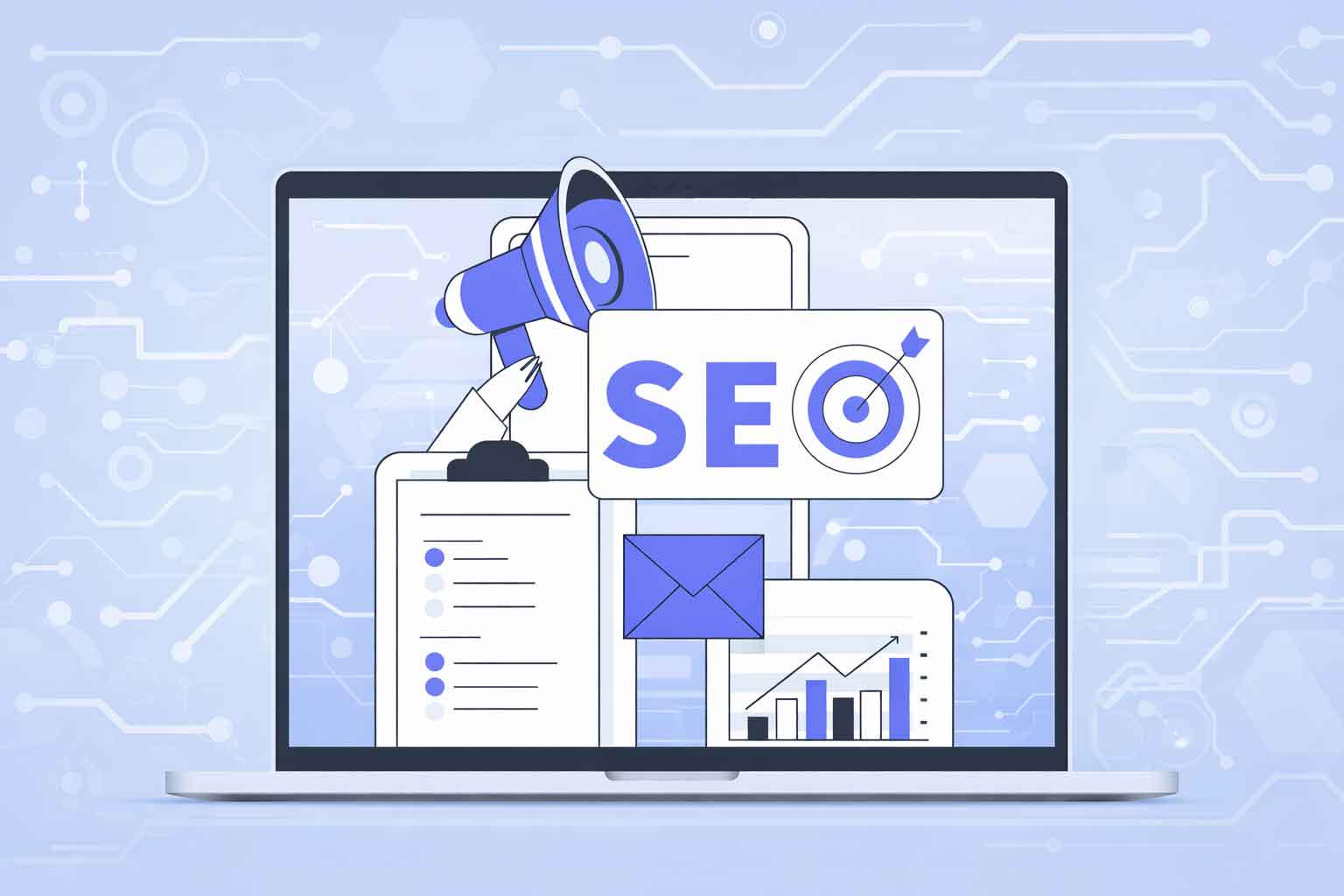
Illustration showing a website displayed on a computer screen with SEO elements like charts, content blocks, and targeting icons, explaining the question “Does Web Design Include SEO?” and how design and search optimization work together.

Does Web Design Include SEO?

Does web design include SEO? Not exactly, but the two work closely together. Web design focuses on structure, usability, and experience, while SEO focuses on visibility and how people find your site. A successful website needs both working together to reach its full potential and support long-term business growth.

Read More »
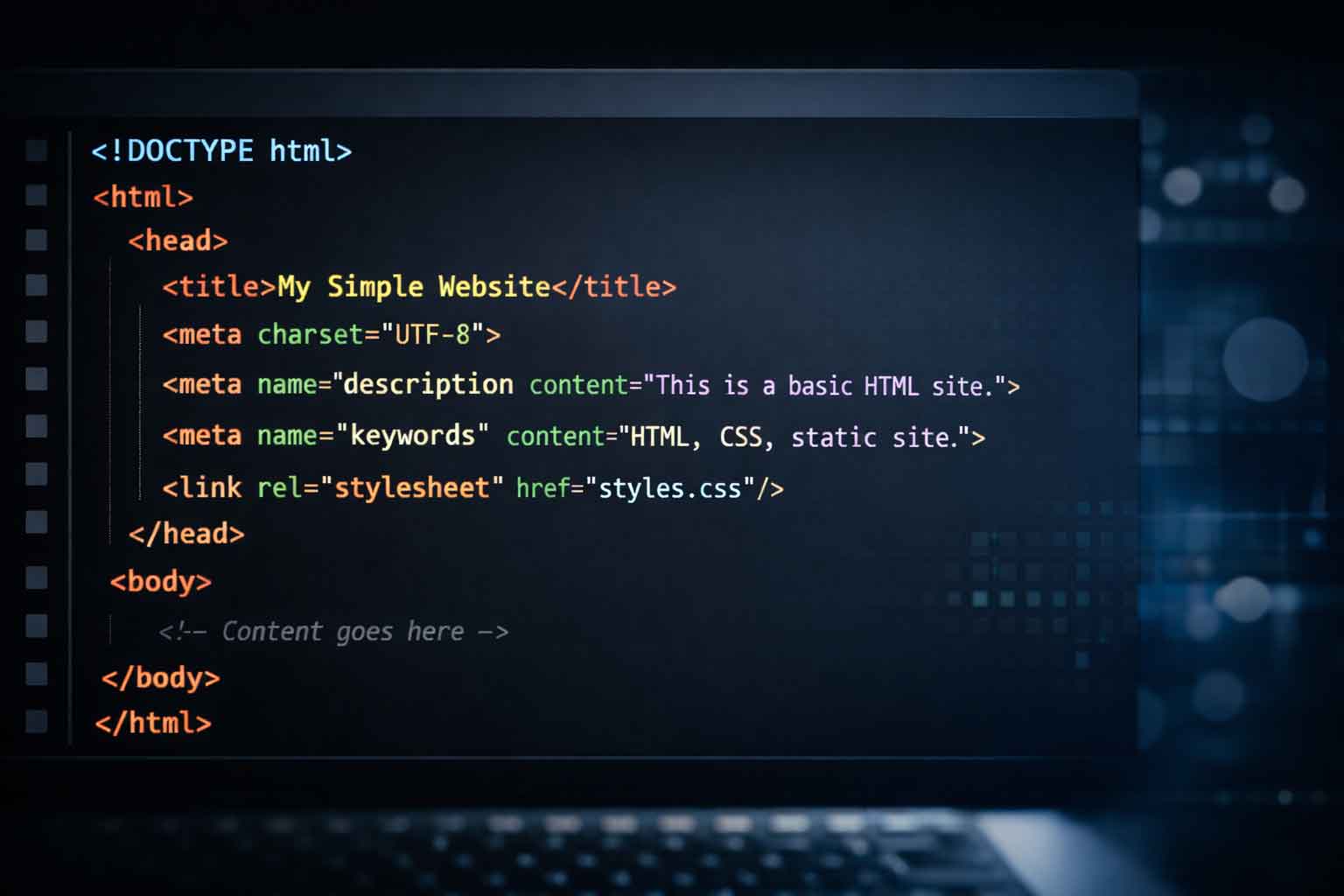
Simple HTML code for a website. Just cause it's a simple HTML site doesn't mean it can't be hacked.

Can a Static HTML Site Get Hacked?

Can a static HTML site get hacked? Many people assume simple websites are immune to security risks, but that is not how website security actually works. Hosting, access controls, and ongoing management play a much larger role than file type. This article explains why static sites are still vulnerable and how properly managed WordPress sites can be just as secure.

Read More »
A web browsers address bar showing the domain name.

Should your domain name move when your site does?

When businesses move from Wix or Squarespace to WordPress, the focus is usually on design and content. One critical detail often gets missed: the domain name. Leaving a domain with an old platform can create unnecessary complications later. Understanding where your domain lives and when to move it can save time, frustration, and future technical headaches.

Read More »
A computer screen with security icons

Can my WordPress site be hacked?

Can my WordPress site be hacked? Yes, it can, just like any other website. The real difference comes down to how security is managed. In this article, we explain why WordPress is safe when set up correctly, what security risks actually exist, and how Full Scope Creative removes the headaches by managing hosting, security, and backups for you.

Read More »
Using Google Analytics

Google Isn’t Just a Search Engine, It’s a Measurement Tool

Google is more than a place people search. Behind every query and click, it provides insight into how customers find your business and what they do next. Tools like Google Analytics, Google Search Console, and Google Business Profile help reveal visibility, behavior, and performance so businesses can make clearer decisions instead of guessing.

Read More »

Are There More Search Engines Than Just Google?

“Google it” has become shorthand for searching the internet, but Google isn’t the only search engine out there. From Bing and Yahoo to privacy-focused options like DuckDuckGo, there are real alternatives people use every day. This article breaks down the strengths, weaknesses, and why Google still dominates how businesses think about SEO.

Read More »
Confused user on a computer

Makes It Easy for Clients to Take the Next Step

A good website removes friction and makes it easy for visitors to take the next step. When users know where they are, what’s available, and what happens next, they act with confidence. Clear service pages, helpful FAQs, and simple calls to action show respect for a visitor’s time and attention.

Read More »
DNS servers around the globe

What to Expect During DNS Propagation

DNS propagation can be one of the most confusing parts of updating a website or email system. During this window, websites and email can appear slow, broken, or inconsistent. This behavior is normal and temporary. Knowing what to expect during DNS propagation helps reduce stress and prevents unnecessary panic while the update works its way through servers worldwide.

Read More »

Is Your Website Causing Customers to Bounce?

Visitors decide whether to stay on your website in seconds. When a site feels confusing, cluttered, or hard to use, people leave without clicking, reading, or reaching out. A high bounce rate is rarely about pricing or competition. It’s usually caused by unclear structure, poor mobile experiences, and pages that make users work too hard.

Read More »
Ready to discover how we can help make your website and marketing more successful?
Contact Us

Chris and his team are the best local web designers. They are great with details, patient with business owners (like myself) who are horrible with technology. They actually took the time to sit down and teach me how to use wordpress. Full scope understands small business because they are one

~ Ashley M.,
The Attic Books and Coffee