Key Elements for a High-Converting Website
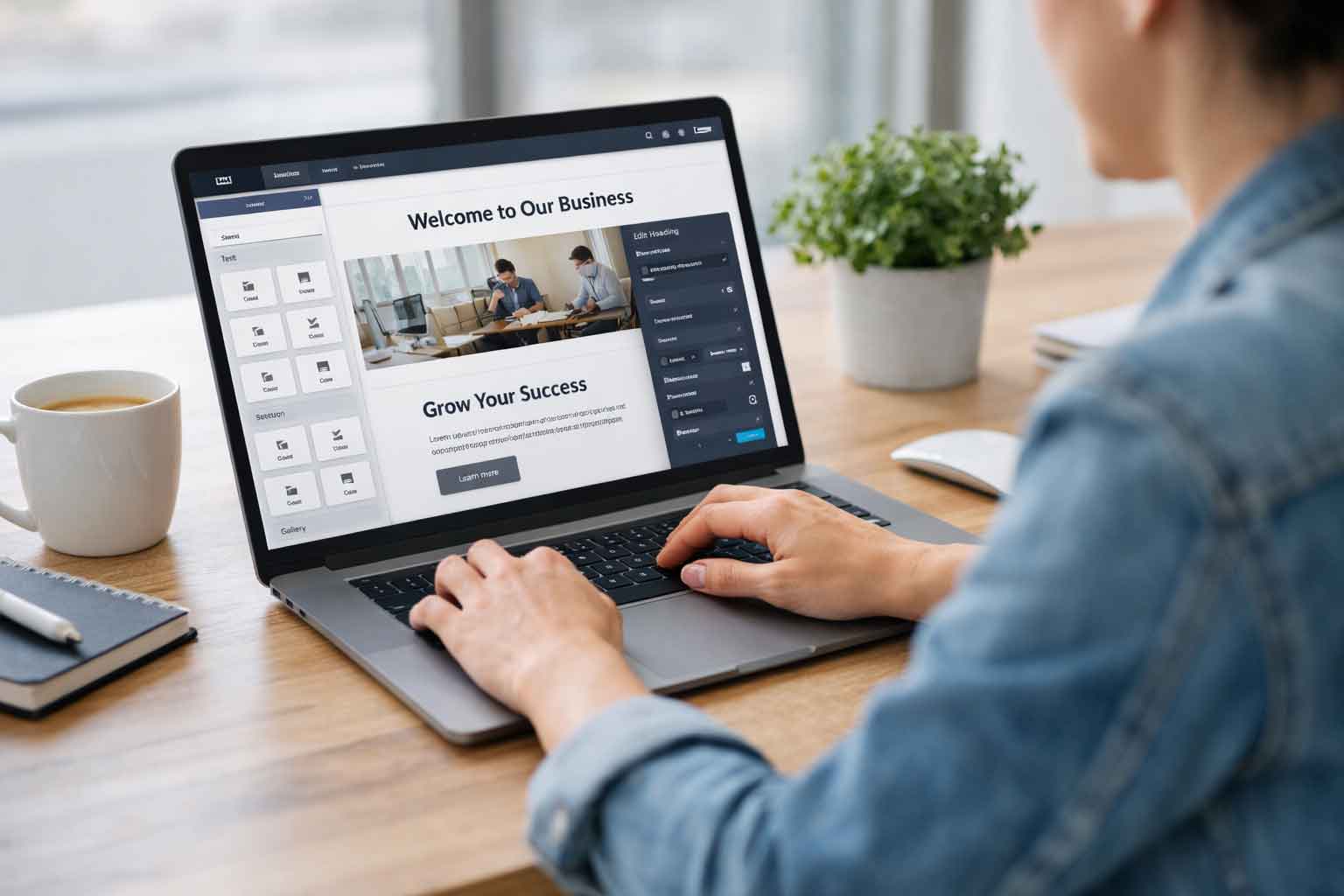
Your website’s homepage is like the front door to your business. It’s often the first thing visitors see, and in just a few seconds, they decide whether to stay and explore or leave and never come back. A well-designed homepage does more than just look good—it guides visitors, builds trust, and encourages action. So what makes a homepage truly effective? Let’s dive into the key elements that turn a homepage into a high-converting powerhouse.
Clear and Compelling Messaging
The moment someone lands on your homepage, they should immediately understand who you are, what you do, and why it matters to them. This isn’t the place for vague, corporate-speak or overly clever taglines that require decoding. Instead, use a clear, benefit-driven headline that speaks directly to your audience.
For example, instead of saying, “Innovative Solutions for Your Business,” try something like, “Helping Small Businesses Grow with Professional Web Design and SEO.” The latter instantly tells visitors what they can expect. Follow this up with a short subheading or tagline that expands on the value you provide.
Easy-to-Use Navigation
If visitors can’t figure out how to navigate your site, they won’t stick around to try. Your homepage should have an intuitive and simple navigation menu that helps users quickly find what they need. Keep your menu items concise—no one wants to scroll through a 10-item dropdown. Stick to the essentials: Home, About, Services, Portfolio, Blog, and Contact.
Make sure your navigation is consistent and visible across all pages. A sticky (always visible) navigation bar can be a great way to improve user experience, especially on mobile.
Strong Calls to Action (CTAs)
Your homepage should not just inform—it should guide visitors toward taking action. Whether it’s scheduling a consultation, signing up for a newsletter, or viewing your services, your calls to action should be clear, visible, and persuasive.
A common mistake is having too many competing CTAs, which can confuse visitors. Instead, focus on one or two primary actions and make them stand out with contrasting colors and compelling text. Instead of a generic “Learn More” button, try something action-oriented like “Get Your Free Consultation” or “See Our Portfolio.”
Engaging Visuals and Branding
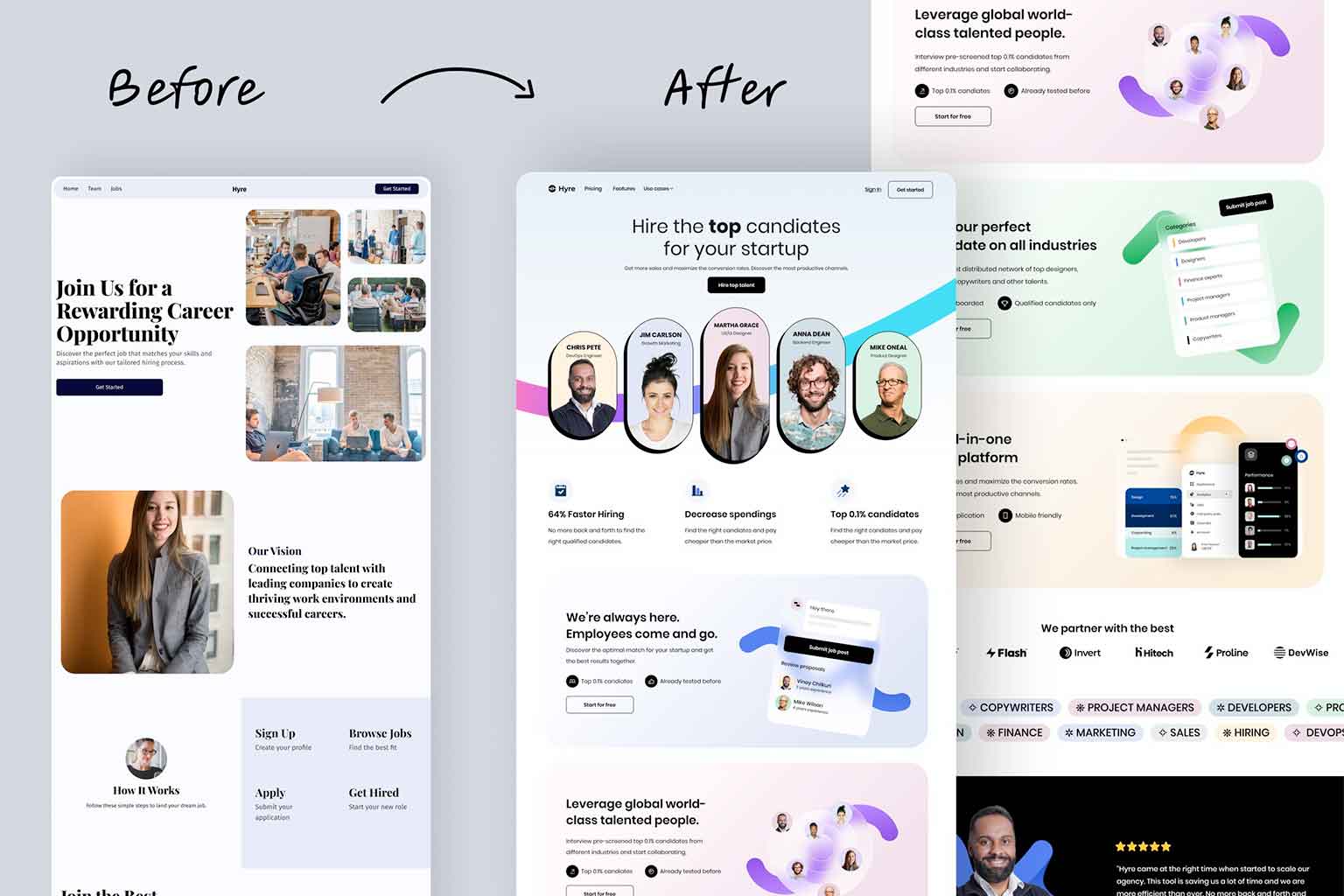
A cluttered homepage full of text blocks and mismatched images will drive visitors away. Effective homepages use high-quality visuals, brand-consistent colors, and clear fonts to create a polished look.
Invest in custom photography or professional graphics instead of using generic stock photos. Visitors can spot a cliché stock image from a mile away, and it can make your brand feel impersonal. If using stock images is unavoidable, choose ones that feel authentic and align with your brand’s personality.
Brand consistency is also key. Your homepage should reflect your brand’s color palette, typography, and style consistently across the site. This builds familiarity and trust with visitors.
Fast Load Times and Mobile Optimization
No matter how beautifully designed your homepage is, if it takes forever to load, visitors will bounce before they even see it. Site speed is crucial—a delay of even a few seconds can lead to lost conversions. Compress images, minimize unnecessary scripts, and use caching to keep your homepage running smoothly.
Additionally, make sure your homepage is fully responsive on mobile devices. More than half of all web traffic comes from mobile users, so your site should look just as good and function just as well on a phone as it does on a desktop. Google also prioritizes mobile-friendly sites in search rankings, so this isn’t just about user experience—it’s an SEO must.
Trust-Building Elements
People do business with companies they trust. Your homepage should instantly establish credibility through trust signals such as:
- Client testimonials or reviews – Feature real feedback from happy clients.
- Logos of businesses you’ve worked with – This social proof reinforces your authority.
- Awards, certifications, or industry recognition – If you’ve received any, show them off.
- Security indicators – If you collect any user information, displaying trust badges (like SSL security seals) can increase confidence.
A dedicated “As Seen In” or “Our Clients” section can go a long way in reassuring new visitors that they’re in good hands.
A Balance of Content and Simplicity
A homepage shouldn’t try to do too much at once. While it should provide an overview of your business, it doesn’t need to include every detail. Instead of overwhelming visitors with excessive text, use concise copy, short sections, and clear headings to make content easy to scan.
Break up text with images, icons, and whitespace to create a visually appealing layout that guides the reader’s eye naturally. Remember, less is more when it comes to homepage design.
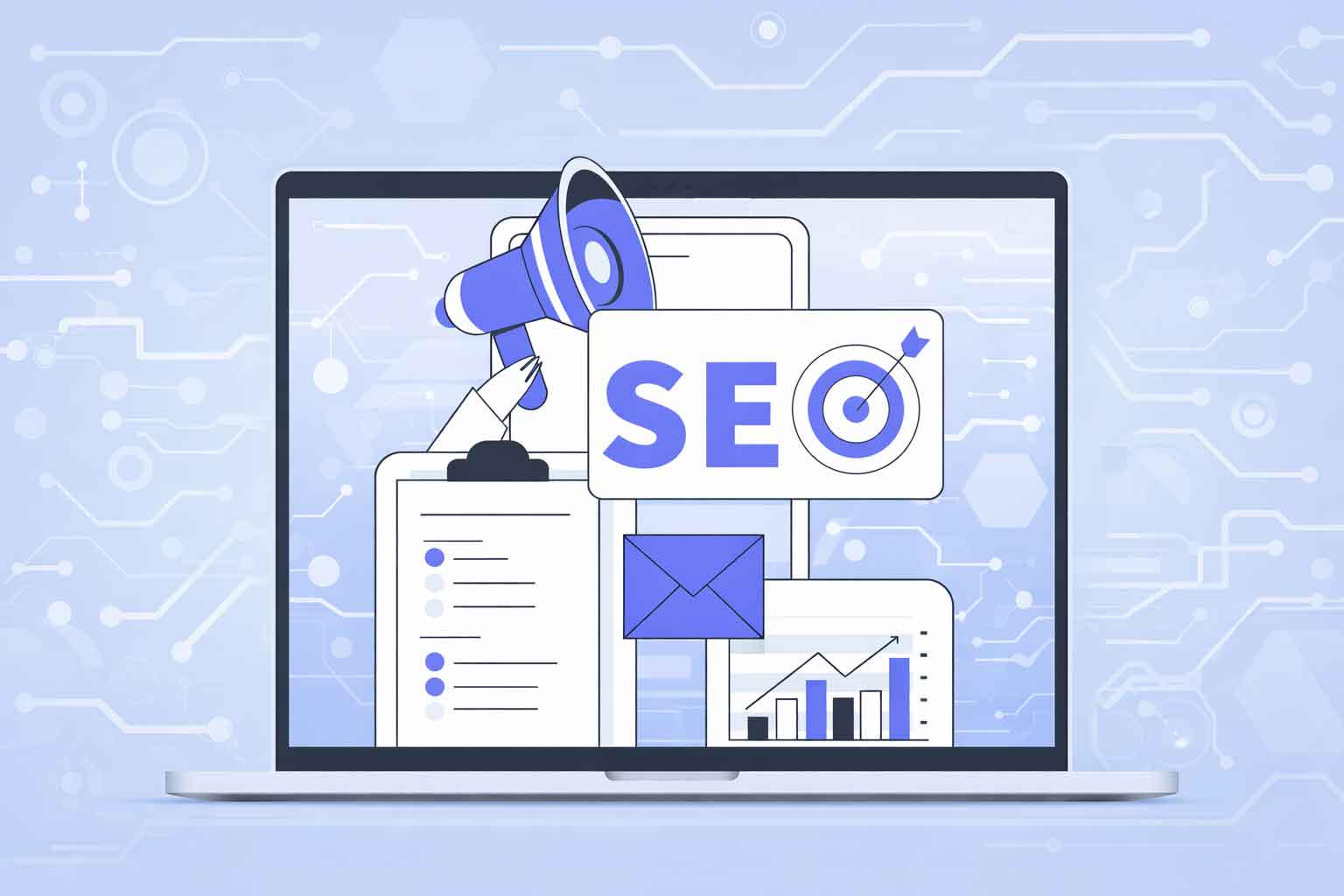
SEO Optimization for Better Visibility
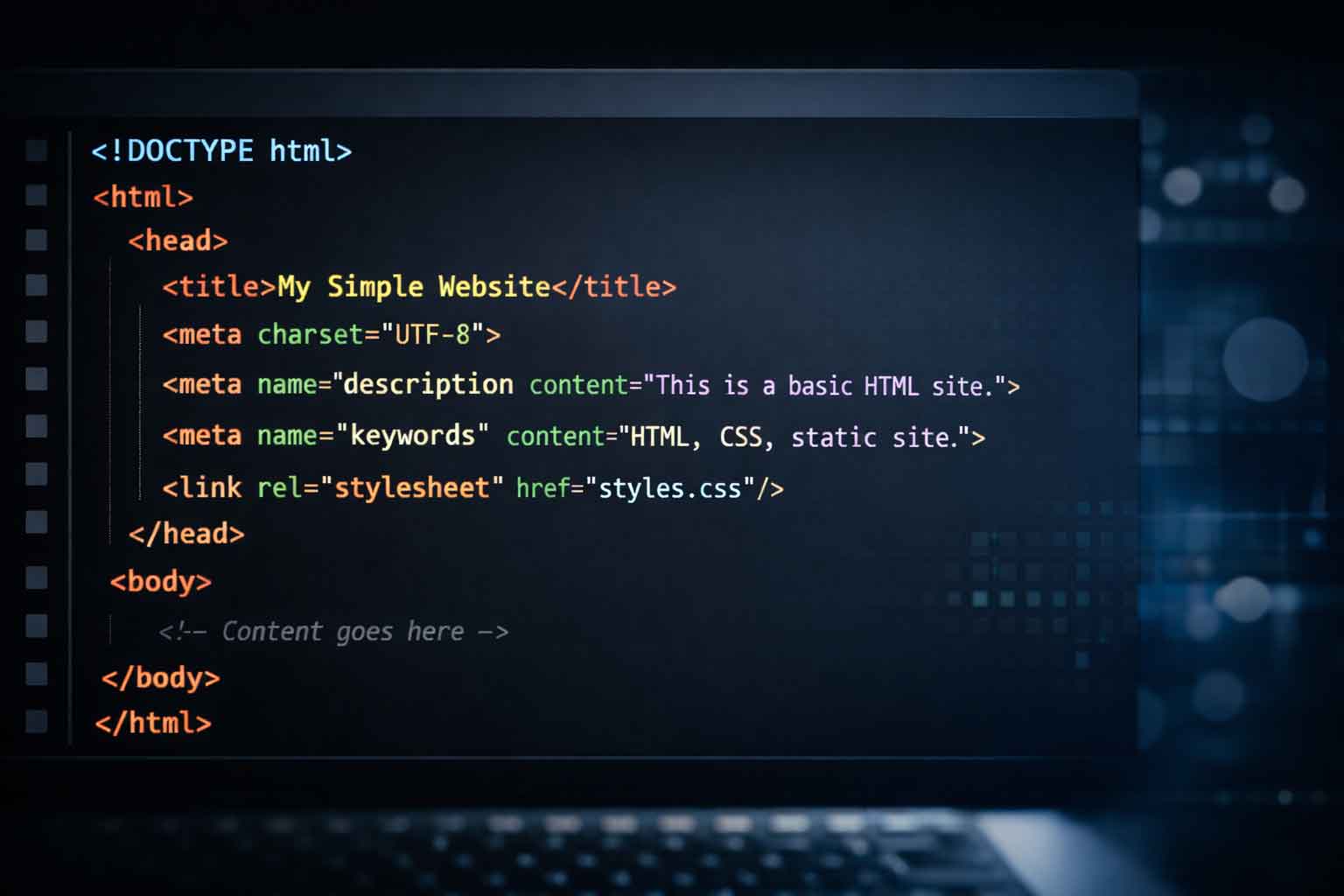
A great homepage doesn’t just engage visitors—it also needs to be search engine-friendly so people can find it in the first place. Include your main keyword in the page title, first paragraph, and at least one subheading to boost your SEO ranking.
Use alt text for images, structured data where possible, and optimize meta descriptions to improve visibility in search results. A homepage that ranks well in Google gets more organic traffic, which means more potential customers.
Bringing It All Together: Crafting a Homepage That Works
A well-designed and developed homepage does more than just look good—it plays a critical role in shaping first impressions, guiding visitors, and driving conversions. By focusing on clear messaging, intuitive navigation, strong calls to action, and fast load times, businesses can create homepages that engage and convert users effectively.
Whether you’re building a new website or refining an existing one, keeping these best practices in mind will help ensure your homepage works as a powerful introduction to your brand. After all, your homepage isn’t just a page—it’s the front door to your business, and a well-designed entrance invites visitors to step inside and stay awhile.