What is the web 2.0 technique?

The internet and website have gone through some major transformations over the years. One of the most significant shifts was the move to Web 2.0 techniques. These changes took websites from static, read-only pages and moved into fully interactive, user-driven platforms. In this article, we’ll answer the question: What is the web 2.0 technique and explore why it still matters today.

What is the web 2.0 technique and why it matters

Back when the Nintendo Entermaint System came out, video games were for the most part always linear. The characters all moved left to right or up and down (generally speaking, video game enthusiasts please don’t overly correct me). But as video game systems evolved, the games became multi dimensional and even 3D. Depth and layers, visuals and audio were all improved over time. Phase 1 was kind of simple. Phase 2 got more advanced. The same happened with the internet and website.

You’ve possibly heard about Web 1.0 and Web 2.0. If you’ve been curious about these and what is the web 2.0 technique, it’s essentially a set of methods and approaches that focus on making websites much more immersive, interactive, collaborative, and user-focused. Before Web 2.0, the internet and websites were mostly static. Pages didn’t change often, there wasn’t too much for users to interact with in the content, and users rarely intersected with one another.

With the Web 2.0 techniques, the internet, websites, and user expectations have shifted to a more dynamic, community-driven space. Websites began to encourage user participation, allow user-generated content, and offer more engaging experiences. This shift completely changed how users interact with and use the web. Web 2.0 essentially turned it into the social, interactive tool we know today.

From static pages to dynamic engagement

In the Web 1.0 days, websites were essentially online brochures. Businesses published information, users read it, and that was the end of the experience. Web 2.0 techniques introduced a much more interactive web and internet with elements like comment sections, forums, and real-time chat. Instead of just reading content, users could respond, share their own ideas, and contribute to the conversation.

An example of this would be things like Facebook groups, YouTube comment sections, or even blogs with active discussions. Those platforms thrive on the Web 2.0 principle idea of community engagement, keeping users connected and encouraging them to return regularly.

User-generated content is a major component

One of the biggest changes and features of Web 2.0 and digital marketing today is user-generated content. This can include everything from blog posts, social media updates, product reviews, or videos uploaded by everyday users. The shift allows audiences to not just consume information but also create it and be a part of it.

From businesses, this means more opportunities to connect with customers, potential customers, and community. A brand that encourages reviews, testimonials, and social media interaction is applying Web 2.0 techniques to build trust and credibility.

The technology powering Web 2.0

The interactivity of Web 2.0 wasn’t just a happy accident—it came from advances in web technology. Tools like AJAX, JavaScript, and APIs allowed sites to update content instantly without making the user reload a page. This meant faster, smoother, and more intuitive experiences.

Think about when you search on Google Maps and the results appear instantly as you type, or when a social media feed updates automatically while you scroll. That’s Web 2.0 technology in action, and it’s what makes modern websites feel more like full-fledged applications than static pages.

Web 2.0 still matters today

While the term “Web 2.0” can feel like something from a tech conference in 2005, the core ideas and practices are still at the basis of nearly every modern website. User engagement, interactive content, and real-time updates aren’t just nice features to have, they’re what keep people coming back AND turning into customers and repeat customers.

If your site is only posting information without ways for visitors to comment, share, or interact, you’re stuck in a Web 1.0 mindset. Today’s users expect—and even demand—a two-way experience.

It’s the evolution of the internet

So, what is the web 2.0 technique? At its simplest – it’s the evolution of the internet. It is the evolution into something more immersive, interactive, and community-driven. Just like the giant leap from the early, linear video games to the 3D, multi-layered games and experiences we have today, Web 2.0 brought a new level of depth, connection, and richer experiences to the online world.

And just like gamers who can’t imagine going back to the earliest, flat versions of their favorite titles (but let’s be real, we’d all love to sit down and play Super Mario Bros. on NEW), website visitors in today’s 2.0 world expect a layered, engaging online experience. If your site doesn’t offer that depth, you’re playing in the wrong generation.


Ready to discover how we can help make your website and marketing more successful?
Contact Us

Marketing Made Simple

Insights from Full Scope Creative

Our thoughts on website design, graphic design, marketing, SEO, website hosting, branding, business management, and more here in the Full Scope Creative blog!

Insights, Tips, and Strategies for Small Business Success

Our blog is packed with expert advice on website design, SEO, marketing, branding, and more. Whether you’re looking to improve your website’s performance, boost your online presence, or streamline your business’s digital strategy, you’ll find valuable insights and actionable tips right here.

4 servers and the 4 different types of website hosting.

What Are the 4 Types of Hosting?

What are the 4 types of hosting? Shared, VPS, dedicated, and cloud hosting each offer different levels of cost, speed, security, and control. In this guide, we break them down in simple terms so small business owners can understand their options and choose a hosting setup that fits their needs and budget.

Read More »
business owner going over a checklist

Your Site Isn’t Ready for SEO If…

SEO can drive real growth for a small business. But if your website is slow, hard to use on mobile, thin on content, or not focused on the right keywords, you may be wasting money. Before investing in SEO, make sure your site is built and structured to support it the right way.

Read More »

List out all of your services

Many small businesses offer more services than their website lets on. When those services are hidden or scattered, potential customers never see the full picture. This blog explains why clearly listing every service matters, how to structure services pages, and how the right setup helps build trust and guide visitors toward the next step.

Read More »
a website with a good CTA button

Better Calls To Action On a Site

Clear calls to action help guide website visitors instead of leaving them guessing what to do next. Just like good signage in a new building, CTAs create clarity, reduce frustration, and lead users where they want and need to go. If your website feels confusing, stronger CTAs can make all the difference.

Read More »

Do I need to redesign my website?

Do I need to redesign my website? It’s a question we hear all the time, and the answer is usually “maybe.” Some sites are outdated but workable. Others are held together with digital duct tape. This article walks through how to tell the difference and why starting with the “why” matters more than jumping into a redesign.

Read More »
Illustration showing a website displayed on a computer screen with SEO elements like charts, content blocks, and targeting icons, explaining the question “Does Web Design Include SEO?” and how design and search optimization work together.

Does Web Design Include SEO?

Does web design include SEO? Not exactly, but the two work closely together. Web design focuses on structure, usability, and experience, while SEO focuses on visibility and how people find your site. A successful website needs both working together to reach its full potential and support long-term business growth.

Read More »
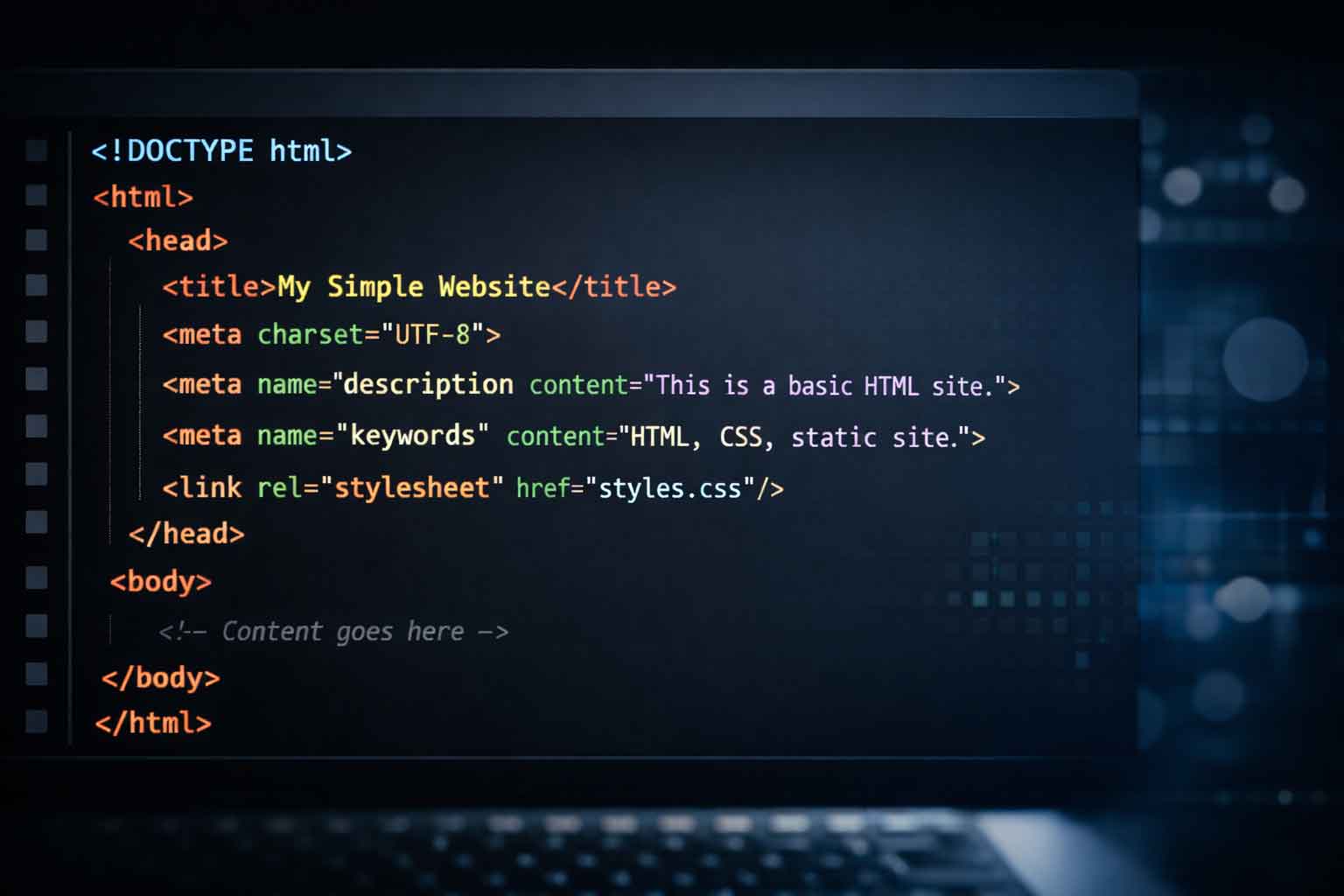
Simple HTML code for a website. Just cause it's a simple HTML site doesn't mean it can't be hacked.

Can a Static HTML Site Get Hacked?

Can a static HTML site get hacked? Many people assume simple websites are immune to security risks, but that is not how website security actually works. Hosting, access controls, and ongoing management play a much larger role than file type. This article explains why static sites are still vulnerable and how properly managed WordPress sites can be just as secure.

Read More »
A web browsers address bar showing the domain name.

Should your domain name move when your site does?

When businesses move from Wix or Squarespace to WordPress, the focus is usually on design and content. One critical detail often gets missed: the domain name. Leaving a domain with an old platform can create unnecessary complications later. Understanding where your domain lives and when to move it can save time, frustration, and future technical headaches.

Read More »
A computer screen with security icons

Can my WordPress site be hacked?

Can my WordPress site be hacked? Yes, it can, just like any other website. The real difference comes down to how security is managed. In this article, we explain why WordPress is safe when set up correctly, what security risks actually exist, and how Full Scope Creative removes the headaches by managing hosting, security, and backups for you.

Read More »
Ready to discover how we can help make your website and marketing more successful?
Contact Us

Chris and his team at Full Scope Creative are the best! I have worked with Chris on two different projects. The first project was updating a website and the second project we started a website from scratch. Both are incredibly challenging without the knowledge and expertise of someone like Chris, but Chris and his team made the process exciting with all of his great ideas. Great ideas, responsive, quick turnaround time. Thank you, Chris for being so kind and so great at what you do!

~ Sarah Lueschow,
MHO Open, Inc.