What Is the Difference Between Flexbox and Grid in Elementor?

What is the difference between Flexbox and Grid in Elementor? Flexbox is ideal for simple, one-directional layouts like rows or columns, while Grid offers more control for complex, two-dimensional layouts. Both are powerful tools within Elementor’s container system. Learn how and when to use each one to improve your site’s design, responsiveness, and user experience.

Understanding the Basics of Flexbox and Grid in Elementor

If you’re building a WordPress site using Elementor, you’ve probably come across both Flexbox and Grid as layout options. They might seem similar at first, but each one serves a different purpose—and knowing which one to use can make a big impact on your site’s design and performance. So what is the difference between Flexbox and Grid in Elementor? Let’s dive into both layout systems and explore how they stack up.

What Is Flexbox in Elementor?

Flexbox, short for Flexible Box Layout, is a one-dimensional layout model that makes it easier to design layouts in a single row or column. In Elementor, Flexbox is the foundation behind the newer Container layout structure. Instead of using sections and columns, you can now use Containers and harness the power of Flexbox for more control and flexibility.

Flexbox allows elements inside a container to be automatically aligned, spaced, and ordered depending on the direction (horizontal or vertical) you set. It’s ideal for stacking content, aligning items like buttons or text, and quickly building responsive layouts.

Why use Flexbox in Elementor?

  • Great for simpler, linear layouts (either a row or a column)
  • Easier alignment of items across devices
  • Useful for centering or spacing elements without extra padding or margin hacks
  • More control over element order, spacing, and wrapping

What Is Grid in Elementor?

CSS Grid is a two-dimensional layout system that allows you to control layouts across both rows and columns. In Elementor, Grid is also implemented using the Container feature, and can be enabled under the Layout settings.

With Grid, you can place elements anywhere in a structured grid without needing to follow a strict stacking order. It’s perfect for magazine-style layouts, portfolios, image galleries, or any design that needs more spatial complexity and control.

Why use Grid in Elementor?

  • Best for complex layouts that need both rows and columns
  • Allows for exact placement of content regardless of order in HTML
  • Lets you build symmetrical or asymmetrical designs with ease
  • Great for layout experimentation and creative arrangements

What Is the Difference Between Flexbox and Grid in Elementor

Now to the main question—what is the difference between Flexbox and Grid in Elementor?

The biggest distinction lies in the layout direction. Flexbox is one-dimensional, meaning it controls layout either in a row or a column—but not both at the same time. Grid is two-dimensional, allowing for control of both rows and columns simultaneously.

Here are some of the other key differences:

  • Flexbox flows content in one direction at a time, making it ideal for simple layouts like menus, pricing tables, or hero sections.
  • Grid gives you more design freedom, especially when you want to place elements in very specific spots—like placing a featured image in the top left and a callout in the bottom right.

Both are responsive and powerful, but they’re used in different ways. Flexbox is often easier to implement and understand, while Grid offers more control when your layout requires structure in multiple directions.

When trying to decide what is the difference between Flexbox and Grid in Elementor, it helps to start with your design needs and the level of control you want.

Which Should You Use for Your Elementor Layouts?

So when should you choose Flexbox, and when should you go with Grid?

Choose Flexbox if:

  • You’re building simpler, linear sections
  • You want fast and intuitive responsiveness
  • You’re working with a row of buttons, columns, or stacked sections

Choose Grid if:

  • You need a more complex, structured layout
  • Your design has overlapping elements or multiple directions
  • You want pixel-perfect control over placement in both directions

At Full Scope Creative, we help clients make the right layout choices based on the design goals and functionality needs of their site. Sometimes, using both Flexbox and Grid in the same site is the best solution. It’s all about knowing which tool will get the job done right.

Building Smarter Layouts in Elementor with Flexbox and Grid

Understanding what is the difference between Flexbox and Grid in Elementor can elevate how you build websites—whether you’re designing it yourself or working with a developer. The good news is, Elementor gives you access to both systems without needing to touch any code. If you’re not sure which layout tool is best for your next website project, we’re here to help. Let’s build something powerful together.

Ready to discover how we can help make your website and marketing more successful?
Contact Us

Marketing Made Simple

Insights from Full Scope Creative

Our thoughts on website design, graphic design, marketing, SEO, website hosting, branding, business management, and more here in the Full Scope Creative blog!

Insights, Tips, and Strategies for Small Business Success

Our blog is packed with expert advice on website design, SEO, marketing, branding, and more. Whether you’re looking to improve your website’s performance, boost your online presence, or streamline your business’s digital strategy, you’ll find valuable insights and actionable tips right here.

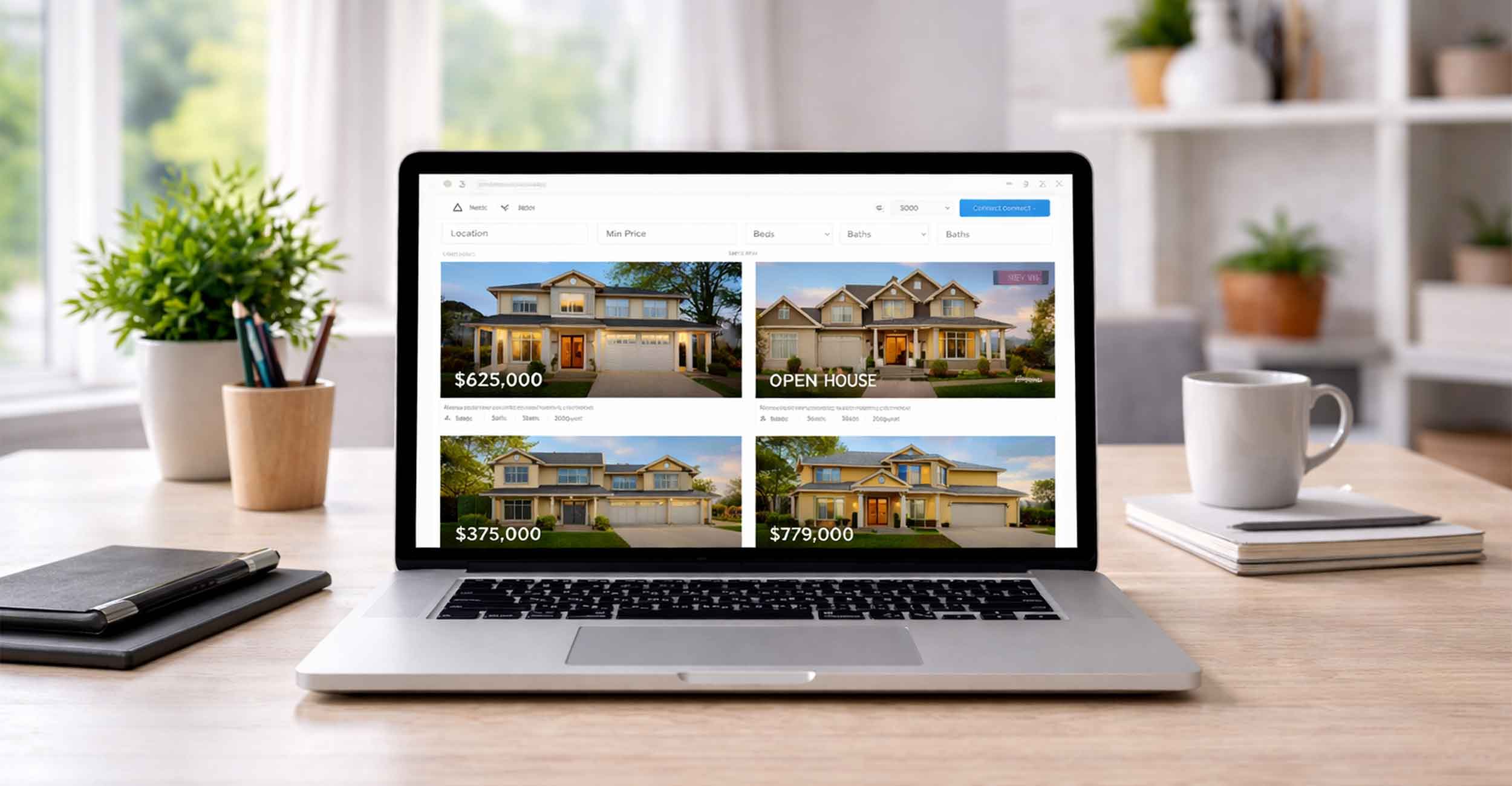
Homes listed on a website. You'll need an IDX plugin to do this on WordPress. Full Scope can help with that!

IDX Real Estate WordPress Plugin

An idx real estate wordpress plugin lets you show MLS listings on your own website. There is no free way to pull listings into WordPress, so you need the right tool. We use and recommend Showcase IDX. It connects to your MLS, keeps listings updated, and turns your site into a real marketing asset.

Read More »

Do Real Estate Agents Need a Website

Do real estate agents need a website if they already use Zillow or Realtor.com? Those platforms help, but they are not yours. Your own website gives you control over branding, SEO, and lead capture. It becomes a real business asset that grows with you and supports your long term success.

Read More »

Shared vs Dedicated Hosting for SEO

Does shared hosting hurt SEO? Does dedicated hosting help rankings? The truth is simpler than most people think. Google does not rank websites based on server type. It ranks them based on performance. In this article, we break down what actually matters for SEO and how hosting should support your growth, not replace real strategy.

Read More »
A client asking a question - great blog material!

Turn Client Questions Into Blog Posts

Every time a client says, “I have no idea what that is,” you just found your next blog topic. Instead of explaining it once and moving on, turn that question into an article. Then share it when others ask. You build traffic, trust, and authority all at the same time by simply teaching clearly.

Read More »
Hiking freely in nature. the joy of open, NOT closed website builders.

Closed Website Design Platforms

Closed website design platforms like Wix, Weebly, Squarespace, and GoDaddy Website Builder can be easy to start with. But they come with limits. You cannot move the site, change hosting freely, or fully customize the code. This article explains what a closed platform is and why many growing businesses choose WordPress instead.

Read More »
An example of a brand design guide

What is a Brand Design?

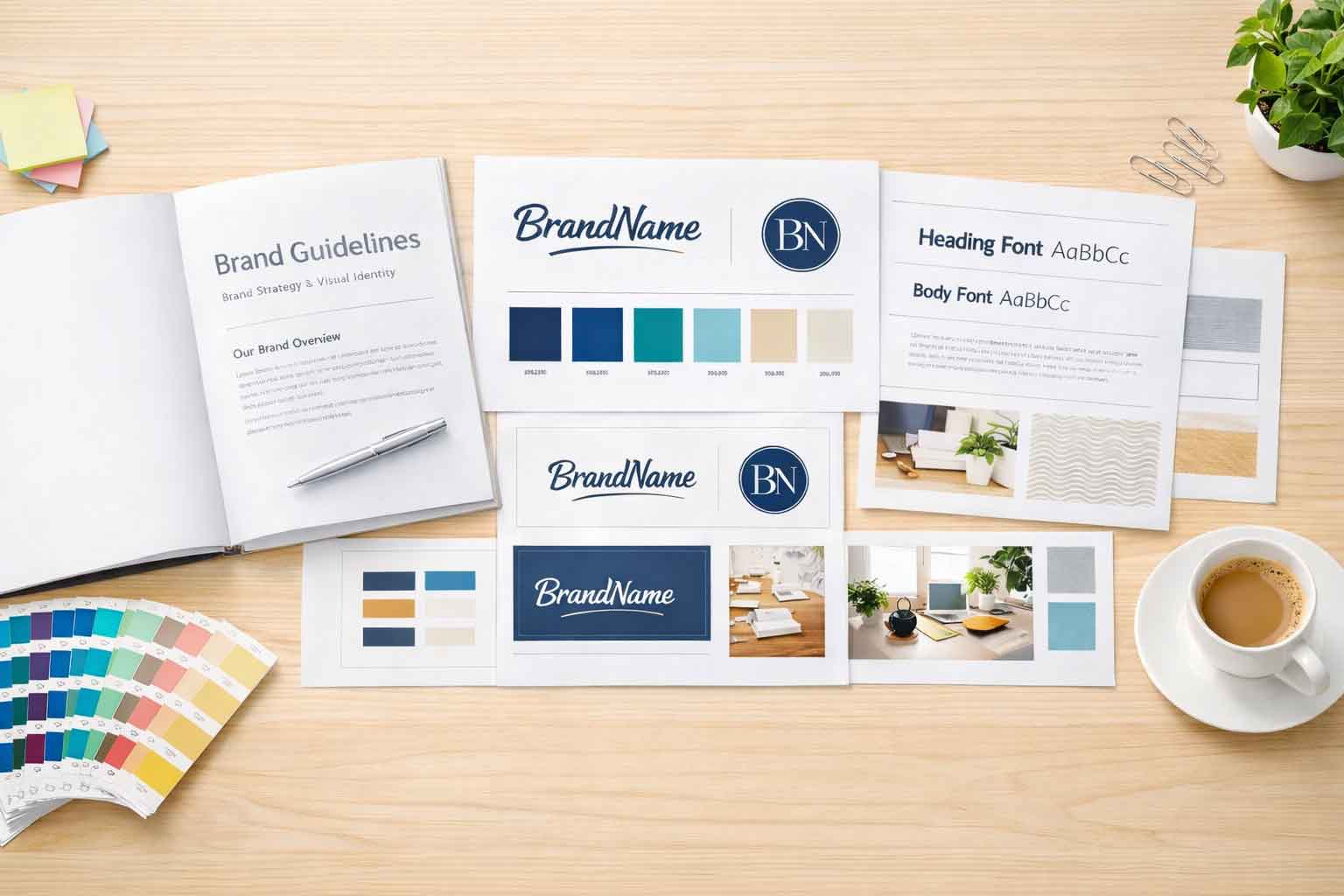
What is a brand design? It’s more than a logo. Brand design defines your colors, fonts, textures, and overall visual style so every part of your marketing looks consistent and professional. For small businesses, strong brand design creates clarity, improves websites, and makes future marketing easier and more effective.

Read More »

Which Website Builder Is Best for WordPress?

Trying to decide which website builder is best for WordPress? Divi, Beaver Builder, WP Bakery, and Elementor all offer different strengths. In this guide, we break down what each builder does well, where they fall short, and why Elementor is our top choice for small business websites at Full Scope Creative.

Read More »
ACF and Elementor are easy to use and can add so much to a site!

ACF and Elementor

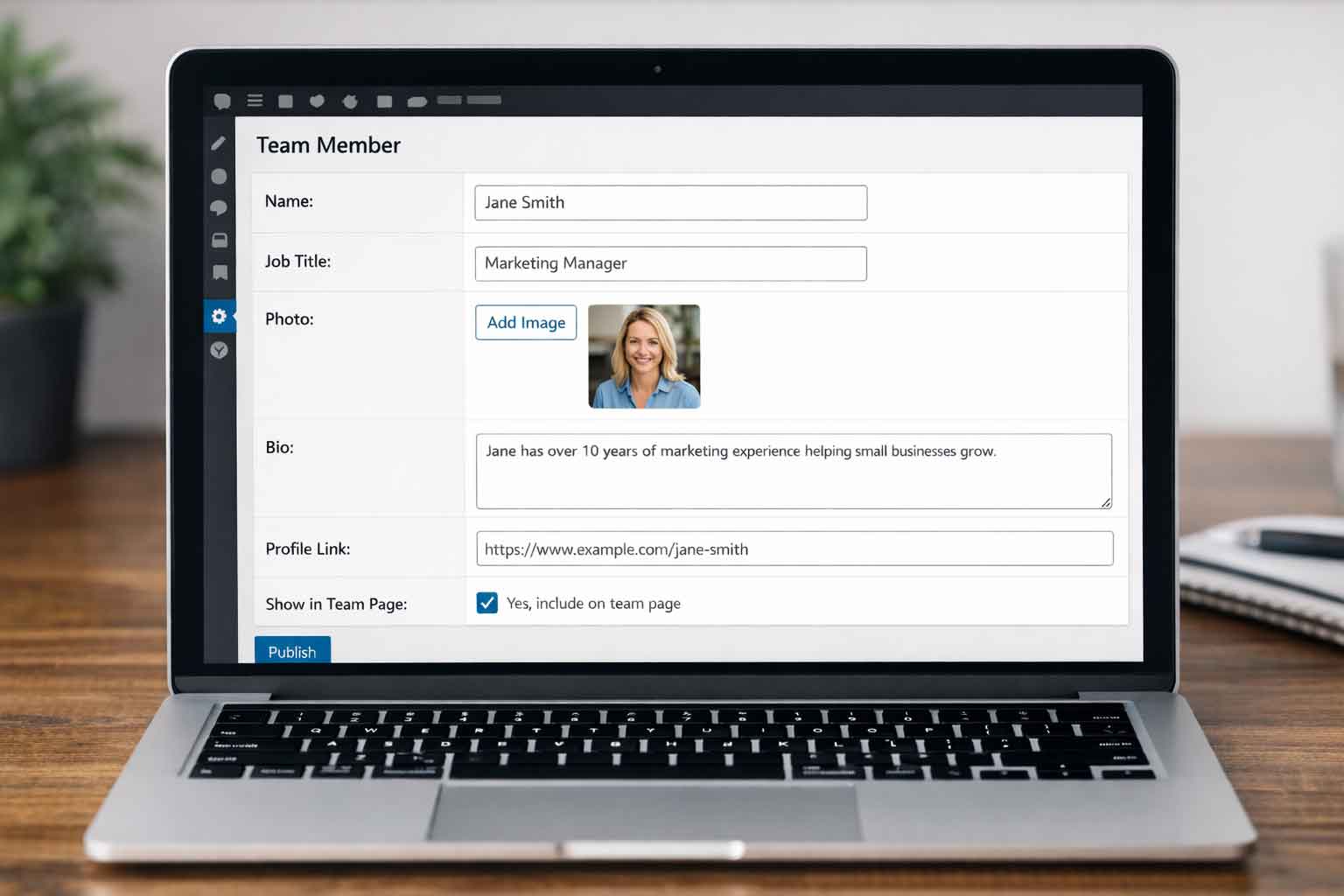
ACF and Elementor allow us to turn a basic WordPress site into a structured, easy-to-manage system. With custom fields, custom post types, and dynamic layouts, your content stays organized and simple to update. Full Scope Creative sets it all up so you can just fill out fields and publish with confidence.

Read More »
4 servers and the 4 different types of website hosting.

What Are the 4 Types of Hosting?

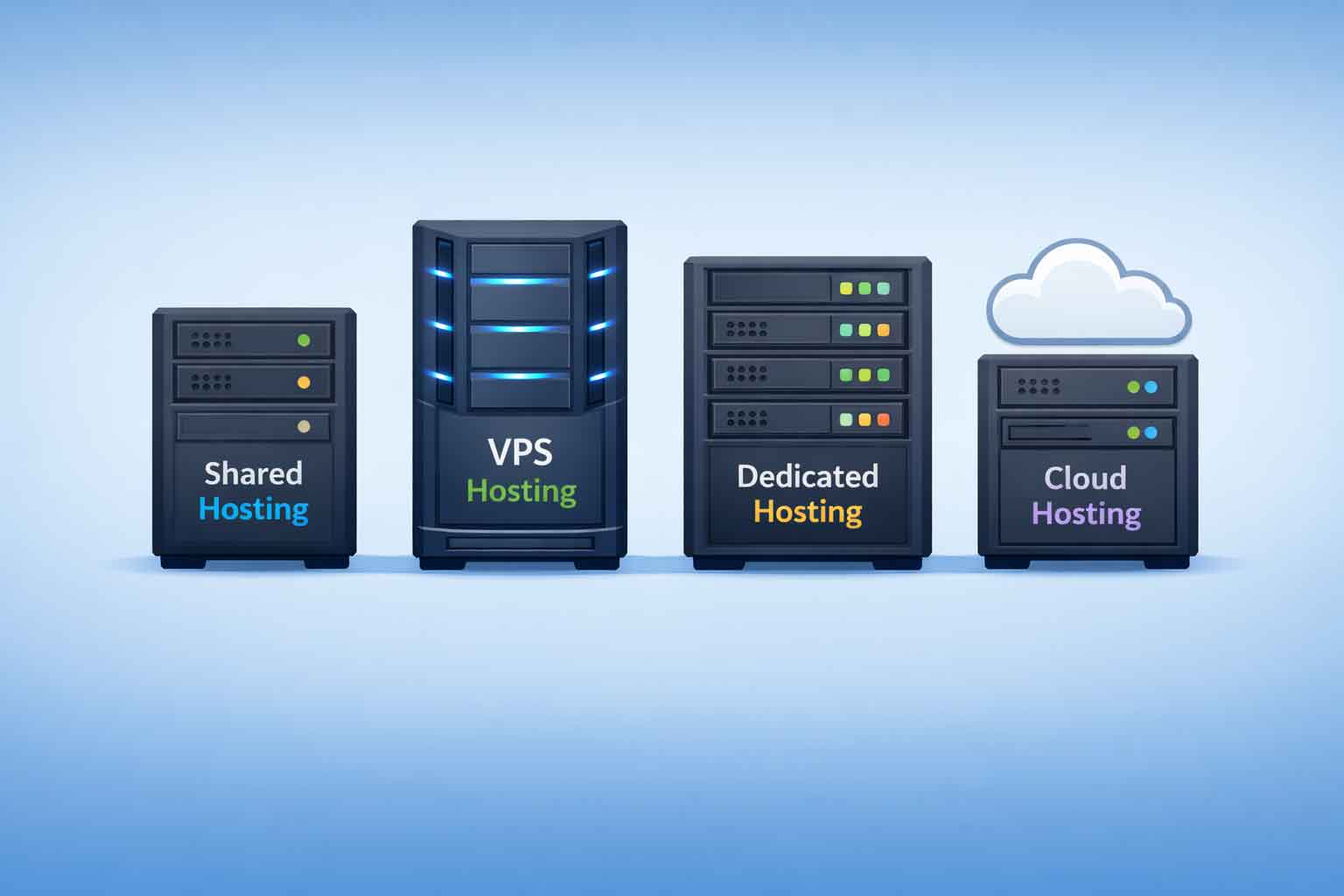
What are the 4 types of hosting? Shared, VPS, dedicated, and cloud hosting each offer different levels of cost, speed, security, and control. In this guide, we break them down in simple terms so small business owners can understand their options and choose a hosting setup that fits their needs and budget.

Read More »
Ready to discover how we can help make your website and marketing more successful?
Contact Us
An excellent business partner for us! Very professional, responsive, and easy to work with!
~ Chris Theobald,
Covenant Signs and Graphics