What Is Content Marketing?
What Is Content Marketing and Why You Should Use It
Content marketing is one of the many marketing related buzzwords that gets tossed around a lot for many small business owners. Despite it being mentioned a lot, many small business owners aren’t always entirely sure what content marketing is or what all it entails. Is it blogging? Is it making social media posts? Is it filming and publishing great videos? Is it sending out an email newsletter? The answer is really that it is all of those things – and more. The goal of content marketing is to be creating valuable and relevant content that builds trust with your audience and helps grow your business.
For small businesses and nonprofits, understanding what content marketing is – and isn’t – can be a marketing and business game-changer. Content Marketing isn’t just about flashy sales pitches or aggressive ads, its focus and goal is on starting conversations, answering questions, and providing value. And doing all of that long before someone decides to buy from you or even regardless of if they buy from you.
Understanding What Content Marketing Really Means
Content marketing is essentially a way of educating your audience before you sell to them. Instead of the sales approach of going straight into a sales pitch, with content marketing you would focus on providing valuable information, insights, or helpful resources that your audience will connect with and find helpful and valuable
Over time, as you keep doing more and more content marketing, it will build credibility and trust, which are two of the most important factors in whether someone decides to purchase or do business with you.
Content marketing can take many different forms, including:
- Blog articles that answer common questions in your industry.
- Social media posts that share quick tips or insights.
- Email newsletters that keep your subscribers in the loop.
- Videos that explain your services or guide viewers through a process.
- Case studies that showcase how you’ve helped past clients succeed.
- Infographics or guides that simplify complex topics.
What connects all of these formats together is that they’re not just about you or your business. You are not the focal point or even the goal. Content marketing is all about your audience and aimed at them. Good content marketing will always be focused on solving a problem, answering a question, or making life easier for your target audience and customers.
Why Content Marketing Matters for Small Businesses
Content marketing isn’t just for large corporations. It works great for small businesses and non profits. For many business owners, marketing likely already feels like just one more thing on the never-ending to-do list for them. The reason content marketing is so important here is because it’s one of the few marketing approaches that works for you long-term and keeps building results and returns over time.
Here are just a few of the main reasons content marketing matters so much:
- It builds trust and credibility. When people see your business sharing helpful advice and insights, they start to see you as a trusted and respected expert in your field that they can count on for their various needs. Trust is the first step toward earning their business, especially for their first purchase with your company.
- It positions you as an authority. Even if someone isn’t ready to make that purchase from you today, consistent content marketing keeps your business top-of-mind for when they are ready to move forward with that purchase.
- It creates long-term visibility. A blog post written today can still be bringing new visitors to your website a year, or even years, from now. And you can keep updating and adding to a blog article, making it better and better.
- It’s cost-effective. Traditional ads disappear when the budget runs out. Content marketing, on the other hand, keeps working for you. And content can so often be repurposed into new media and new areas or branch off into new ideas.
- It nurtures relationships. Regular content marketing creation and ideas give your audience a reason to keep coming back and engaging with your business. This works great to help turn potential clients into first time purchasers and keep clients coming back for more purchases.
For small businesses and nonprofits, this active and ongoing relationship-building is what makes content marketing such a powerful strategy. It can serve to help bring in new clients, but also create recurring clients that purchase time and time again.
Types of Content Marketing You Can Use
Even though there are several different forms and methods of content marketing available today, you don’t need to start with each one. You certainly don’t, and probably shouldn’t, start all at once. This is really one of the greatest strengths and flexibilities of content marketing for busy small business owners. You can start small and work with the types of content that make the most sense for your audience and for your business. Then when the time is right, move on to add in more.
Here are some of the most common forms of content marketing:
- Blog posts – Great for answering and discussing the different questions that your customers ask and for improving your search engine ranking. Each blog article can prove again and again that you are a trustworthy expert in your field.
- Social media posts – Short, simple updates that allow you to share tips, connect with your audience, and drive traffic back to your website.
- Email newsletters – A great way to keep your subscribers and audience updated on company and industry news, events, and helpful resources. And your email newsletter only needs to go out 1 – 2 times per month to have a great impact.
- Videos – People love visual content. Videos can highlight a process, showcase your work, or even tell your background story in a way text can’t. You can connect into so many emotions and learning preferences with your audience as well through video.
- Case studies and testimonials – Sharing real-world examples of how you’ve helped others is a great way to show how you work and what exactly clients can expect from your company. Case studies build trust and make your work relatable to a great number of people.
- Infographics or guides – If you have a complex topic, info graphics can work great for breaking the info into something quick and easy to understand.
The key to content marketing is consistency. Even if you only start with one or two forms of content marketing, the more consistently you publish great content, the more your audience will start to look to you as a trusted source and expert in your field.
How Content Marketing Connects With SEO
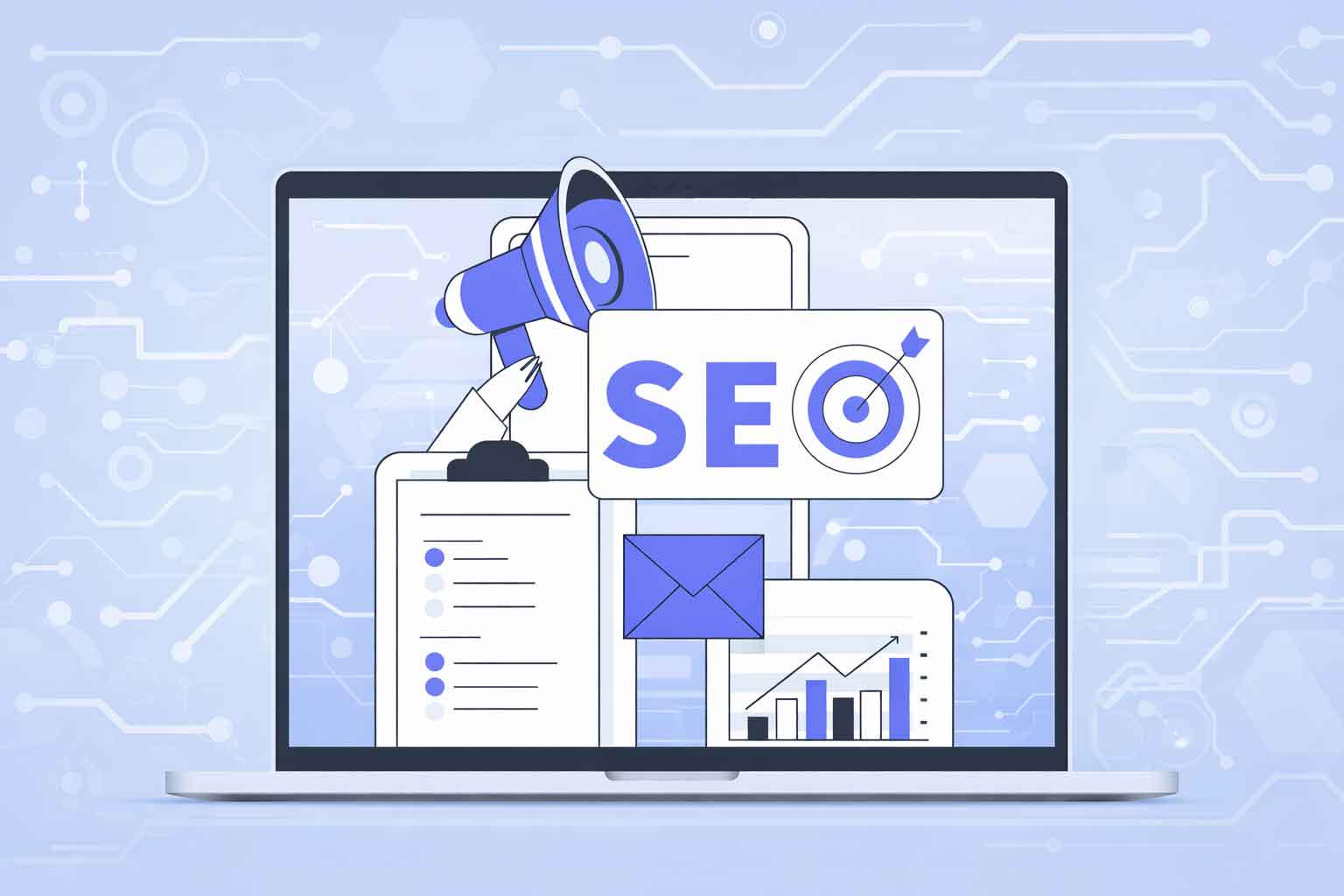
Content marketing and SEO go hand-in-hand so much that they can often be thought of as the same thing. Doing great in one tends to lead to successes with the other. On their own, content marketing and search engine optimization is valuable and well worth the investment of time and effort. But when you put them together, that’s when you start to really see results for your business.
Here’s how content marketing helps with SEO and digital marketing:
- Keywords. Blogs and articles give you a place to naturally use the words and phrases people are searching for.
- Fresh content. Google rewards websites that are updated regularly with new and relevant content.
- Backlinks. When your content is valuable, other websites are more likely to link to it—which boosts your rankings.
- Engagement. High-quality content keeps people on your site longer, which is another positive signal to search engines.
SEO and content marketing in many ways rely on one another. Without great content, there’s nothing for Google to rank. Without SEO, the great content won’t get discovered and valued by nearly as many people. Together, they make sure your content and business are visible to your audience.
How to Get Started With Content Marketing
Getting started with content marketing doesn’t need to and should not be overwhelming. You don’t need to invest a massive budget or put together a big team. You just need to start somewhere and, more importantly, keep at it. This is not a set it and forget it type of marketing.
Here are a few steps to help:
- Know your audience. What questions are your customers asking? What problems are they trying to solve? Start there.
- Pick one type of content. You don’t need to blog, film videos, and write newsletters all at once. Choose one format and build from there.
- Plan ahead. A content calendar can help you to stay organized, focused, and consistent. Even a simple list of topics can make a huge difference.
- Repurpose your content. One blog post can turn into a social post, an email newsletter snippet, even a short video. Create the content once, and use it again and again and again.
- Track results. Test and Measure. Pay attention to what content gets the most engagement with your audience. That’s a sign of what your audience finds valuable.
Remember—it’s not about doing everything perfectly, especially not right away. It’s about being consistent and giving your audience real value, over and over again.
Content Marketing With Full Scope Creative
Over the years, we’ve seen just how powerful and successful content marketing can be for small businesses and nonprofits. By creating pieces of content like blogs, case studies, newsletters, and social media posts, small businesses have over and over again built a respected and reputable voice, connected with customers, and grown their reach. Translation: had great success!
We know that for many small business owners, creating content regularly can feel quite overwhelming and confusing. That’s where Full Scope Creative can step in and help avoid all that confusion. From planning a strategy to writing the content to creating the visuals to making sure it’s all optimized for SEO, we take care of the details so you can focus on running your business.
Bringing Content Marketing Into Your Business Strategy
Content marketing is so much more than just another box to check off in your small business marketing plan. It’s one of the most effective and beneficial ways to build long-term trust, authority, and visibility for your business. When you create content that educates, informs, and engages, you’re setting your business apart from so many of your competitors who rely only on quick and cheesy sales pitches.
There’s no need or demand to start big. Even a blog article a few times a month or a simple email newsletter can make a significant impact over time. Each piece of content becomes part of a growing list of resources that your audience can turn to again and again.
If you want to see what content marketing can do for your business, now’s a great time to start. Take that first step and begin bringing content marketing into your business strategy.