What is a typeface in graphic design?

A typeface is more than just the look of your letters. It shapes the personality, tone, and readability of every marketing piece you create. The right typeface strengthens your brand and makes your message clearer. In this blog, we break down what a typeface is in graphic design and why choosing the right one matters for your small business.

What a typeface in graphic design really means

You’ve possibly heard of typefaces before. Odds are if you have, you took it as another bit of industry jargon. For many, the term sounds more complicated than it really needs to be. A typeface is simply the design of a set of letters, numbers, and symbols. It is the visual personality behind the text in your marketing. It shapes how your message feels before anyone even reads the words.

Knowing what a typeface is in graphic design and marketing helps you make confident decisions. Better yet, it keeps your brand consistent from your website to your brochures and everything in between.

What a typeface is

A typeface is the intentional design and style that gives your text its character. Think of familiar options like Helvetica, Times New Roman, or Futura. Each one has its own structure, rhythm, and mood. When you choose a typeface, you’re choosing the voice of your message. You’re choosing how it looks and how it makes people feel.

The typeface you select affects readability, tone, and the flow of your content. All three guide how quickly and clearly someone understands what you want them to do. Strong typefaces are built with purpose. Some feel modern and clean. Some feel warm and welcoming. Others bring a sense of refinement or tradition.

Small details make a big difference. Rounded corners. Sharper angles. Wider spacing. Taller letter heights. These subtle traits shape the way someone experiences your brand long before they take in a full sentence.

Why typefaces matter in your marketing

Your typeface has a direct impact on how professional and polished your marketing looks. It helps guide the eye across a design. It supports the message you want to highlight. It also affects how trustworthy your brand appears. A mismatched typeface can make a piece look confusing or off balance. A great typeface choice makes the content feel clear and intentional.

Imagine a high energy gym using a delicate script on their flyers. Or a financial firm using a playful, bubbly typeface on their website. The message might be fine, but the look would feel wrong. When the typeface matches the brand, the design works harder for you.

Matching your typeface to your brand

Every brand has a personality. Professional. Fun. Bold. Calm. Whatever your identity is, your typeface needs to support it. The right typeface reinforces your message. It complements your logo, color palette, and photography. It builds recognition over time.

At Full Scope Creative, we see many small businesses switch typefaces from piece to piece without realizing it. That inconsistency weakens the overall brand. Using one or two well chosen typefaces creates a unified look. It helps customers identify your business faster, whether they’re looking at your website, social media, or printed materials.

Keeping your typefaces readable

Style is important, but readability comes first. A beautiful typeface that is difficult to read will only frustrate your audience. Clear letter shapes, proper spacing, and clean lines make your message easier to scan.

Readable typefaces help your headlines stand out and guide people to your calls to action. They also make your content feel more trustworthy. When the text is easy to follow, your design has a much better chance of achieving its goal.

How designers choose the right typeface

Choosing a typeface is a thoughtful process. Designers look at who the audience is, what the piece needs to accomplish, and how the brand should feel. Every choice is intentional. A good typeface supports the design without calling attention to itself.

Professional designers also understand which typefaces age well and which ones don’t. Some styles feel current for a moment but look dated quickly. Others are timeless. When you work with an experienced designer, you get a typeface choice that fits your brand today and still makes sense years from now.

Understanding your typeface in graphic design

Choosing the right typeface can elevate every part of your marketing. It creates consistency. It supports your brand identity. It makes your message easier to read and more enjoyable to follow. If you ever need help selecting a typeface that fits your business, our design team is always ready to guide you.

Ready to discover how we can help make your website and marketing more successful?
Contact Us

Marketing Made Simple

Insights from Full Scope Creative

Our thoughts on website design, graphic design, marketing, SEO, website hosting, branding, business management, and more here in the Full Scope Creative blog!

Insights, Tips, and Strategies for Small Business Success

Our blog is packed with expert advice on website design, SEO, marketing, branding, and more. Whether you’re looking to improve your website’s performance, boost your online presence, or streamline your business’s digital strategy, you’ll find valuable insights and actionable tips right here.

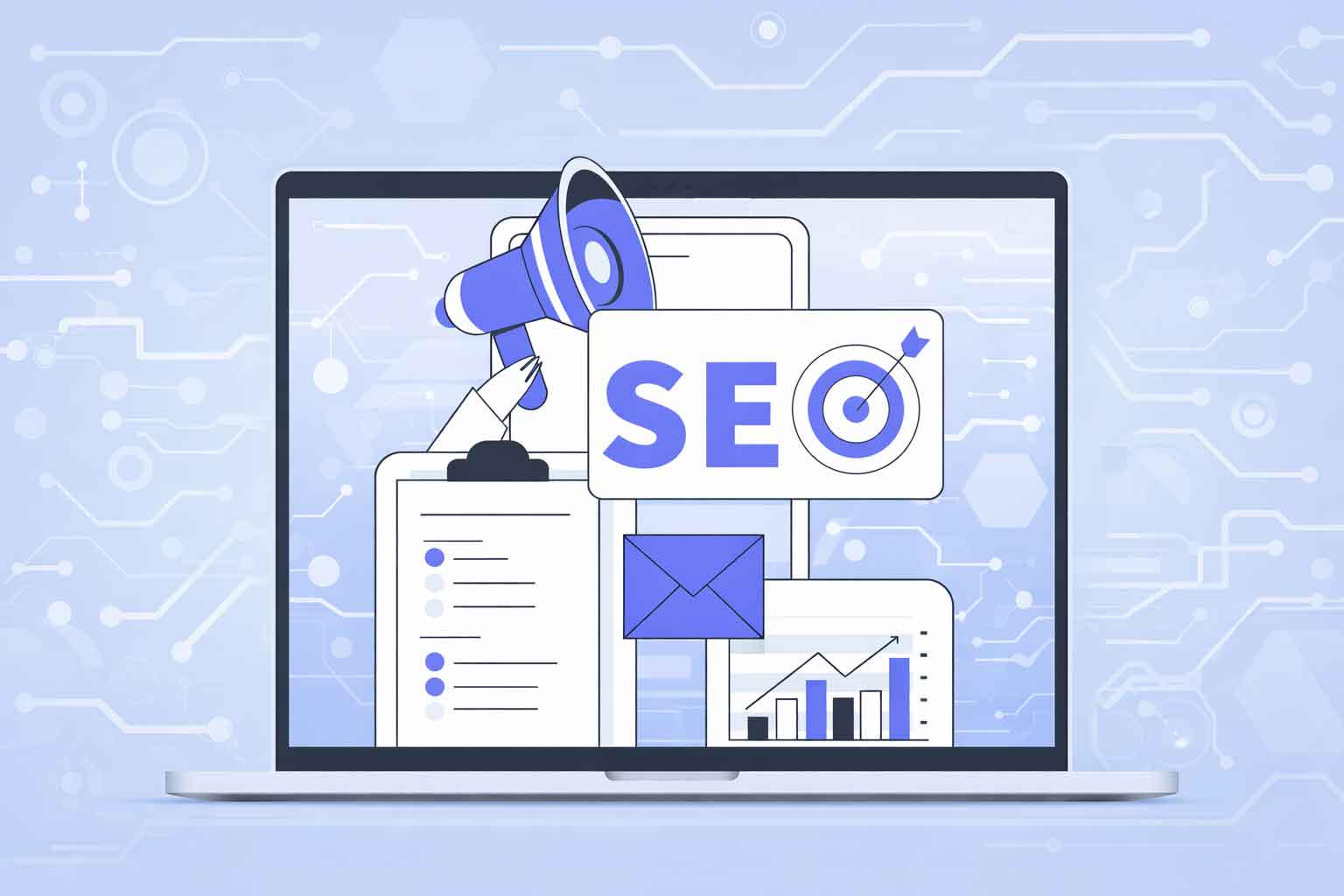
Illustration showing a website displayed on a computer screen with SEO elements like charts, content blocks, and targeting icons, explaining the question “Does Web Design Include SEO?” and how design and search optimization work together.

Does Web Design Include SEO?

Does web design include SEO? Not exactly, but the two work closely together. Web design focuses on structure, usability, and experience, while SEO focuses on visibility and how people find your site. A successful website needs both working together to reach its full potential and support long-term business growth.

Read More »
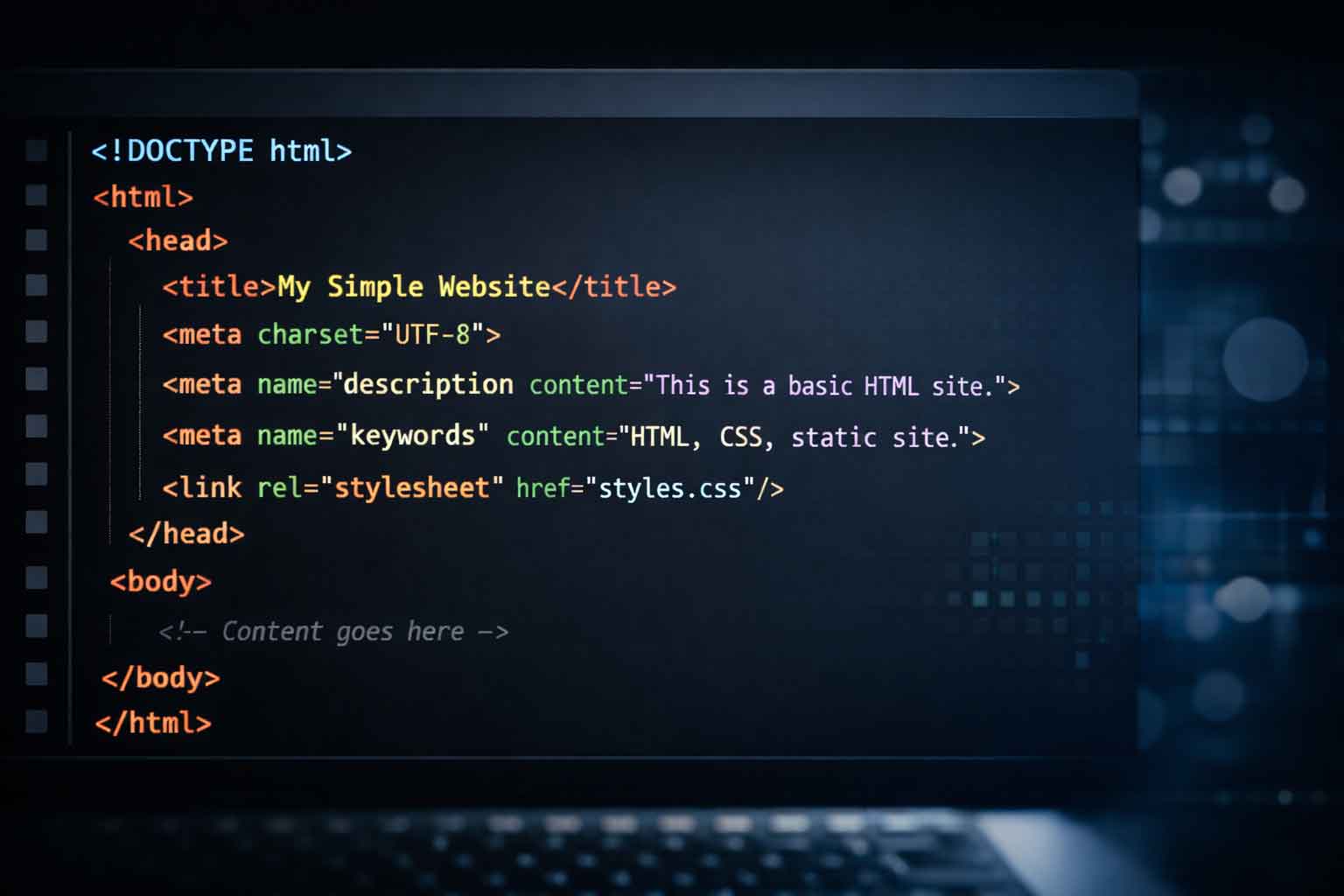
Simple HTML code for a website. Just cause it's a simple HTML site doesn't mean it can't be hacked.

Can a Static HTML Site Get Hacked?

Can a static HTML site get hacked? Many people assume simple websites are immune to security risks, but that is not how website security actually works. Hosting, access controls, and ongoing management play a much larger role than file type. This article explains why static sites are still vulnerable and how properly managed WordPress sites can be just as secure.

Read More »
A web browsers address bar showing the domain name.

Should your domain name move when your site does?

When businesses move from Wix or Squarespace to WordPress, the focus is usually on design and content. One critical detail often gets missed: the domain name. Leaving a domain with an old platform can create unnecessary complications later. Understanding where your domain lives and when to move it can save time, frustration, and future technical headaches.

Read More »
A computer screen with security icons

Can my WordPress site be hacked?

Can my WordPress site be hacked? Yes, it can, just like any other website. The real difference comes down to how security is managed. In this article, we explain why WordPress is safe when set up correctly, what security risks actually exist, and how Full Scope Creative removes the headaches by managing hosting, security, and backups for you.

Read More »
Using Google Analytics

Google Isn’t Just a Search Engine, It’s a Measurement Tool

Google is more than a place people search. Behind every query and click, it provides insight into how customers find your business and what they do next. Tools like Google Analytics, Google Search Console, and Google Business Profile help reveal visibility, behavior, and performance so businesses can make clearer decisions instead of guessing.

Read More »

Are There More Search Engines Than Just Google?

“Google it” has become shorthand for searching the internet, but Google isn’t the only search engine out there. From Bing and Yahoo to privacy-focused options like DuckDuckGo, there are real alternatives people use every day. This article breaks down the strengths, weaknesses, and why Google still dominates how businesses think about SEO.

Read More »
Confused user on a computer

Makes It Easy for Clients to Take the Next Step

A good website removes friction and makes it easy for visitors to take the next step. When users know where they are, what’s available, and what happens next, they act with confidence. Clear service pages, helpful FAQs, and simple calls to action show respect for a visitor’s time and attention.

Read More »
DNS servers around the globe

What to Expect During DNS Propagation

DNS propagation can be one of the most confusing parts of updating a website or email system. During this window, websites and email can appear slow, broken, or inconsistent. This behavior is normal and temporary. Knowing what to expect during DNS propagation helps reduce stress and prevents unnecessary panic while the update works its way through servers worldwide.

Read More »

Is Your Website Causing Customers to Bounce?

Visitors decide whether to stay on your website in seconds. When a site feels confusing, cluttered, or hard to use, people leave without clicking, reading, or reaching out. A high bounce rate is rarely about pricing or competition. It’s usually caused by unclear structure, poor mobile experiences, and pages that make users work too hard.

Read More »
Ready to discover how we can help make your website and marketing more successful?
Contact Us
Working with Chris and the team at Full Scope Creative was an absolute pleasure from start to finish. He took so much off my plate, making the entire process smooth and stress-free. Chris really listened to my goals, and the final product not only met every objective, it exceeded my expectations! I’m incredibly proud of the outcome and genuinely excited about the website he and his team created for us. I highly recommend Full Scope Creative if you’re looking for a professional, collaborative, and top-notch experience!
~ Brian Borden,
Allouez Optimist Club