Why Mockups Are a Standard Step in Professional Graphic Design
If you have ever worked with a graphic designer, you may have heard the word mockup early in the process. It often shows up before anything is finalized, printed, or published. For many business owners, it feels like a simple preview. In reality, it is one of the most important steps in graphic design.
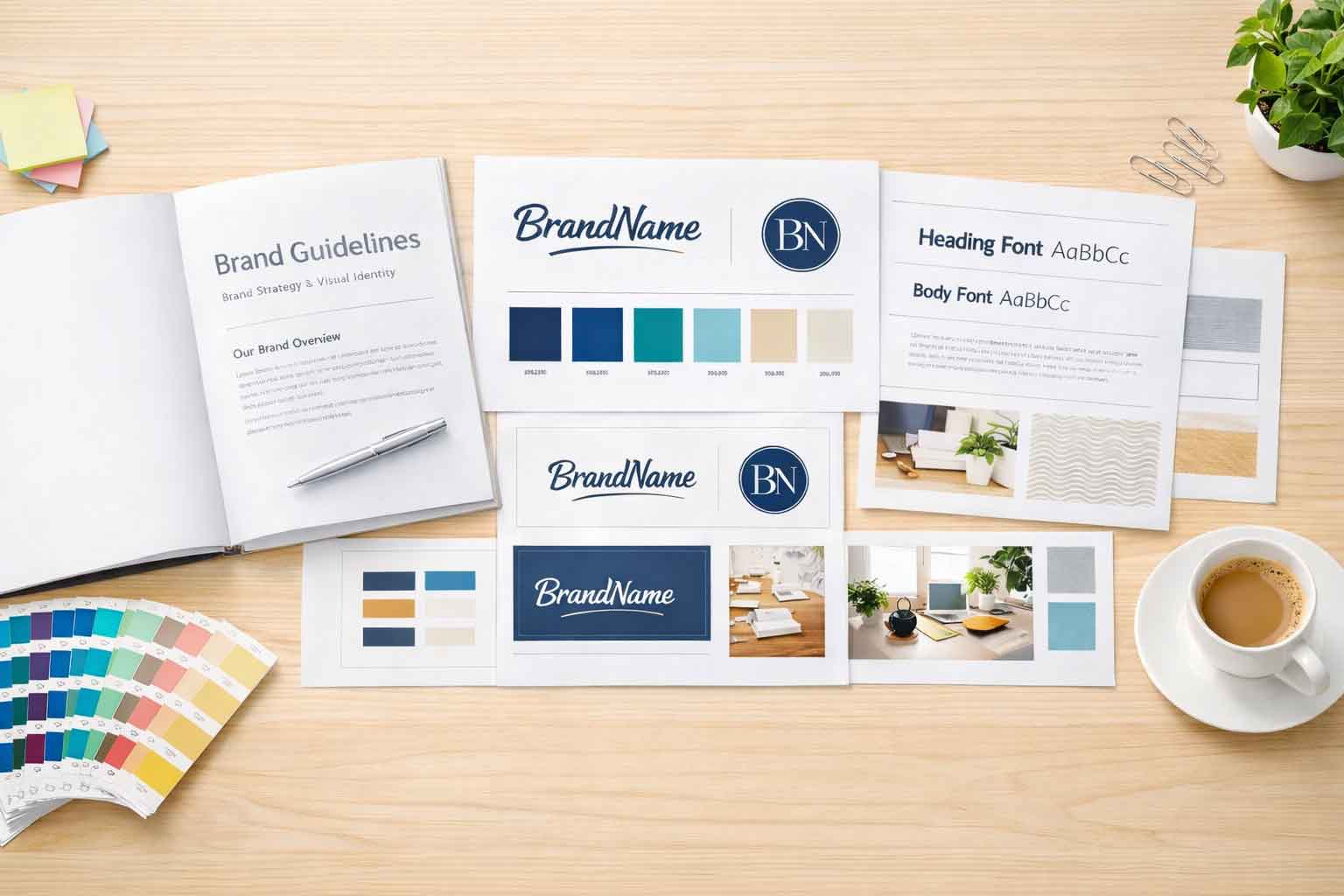
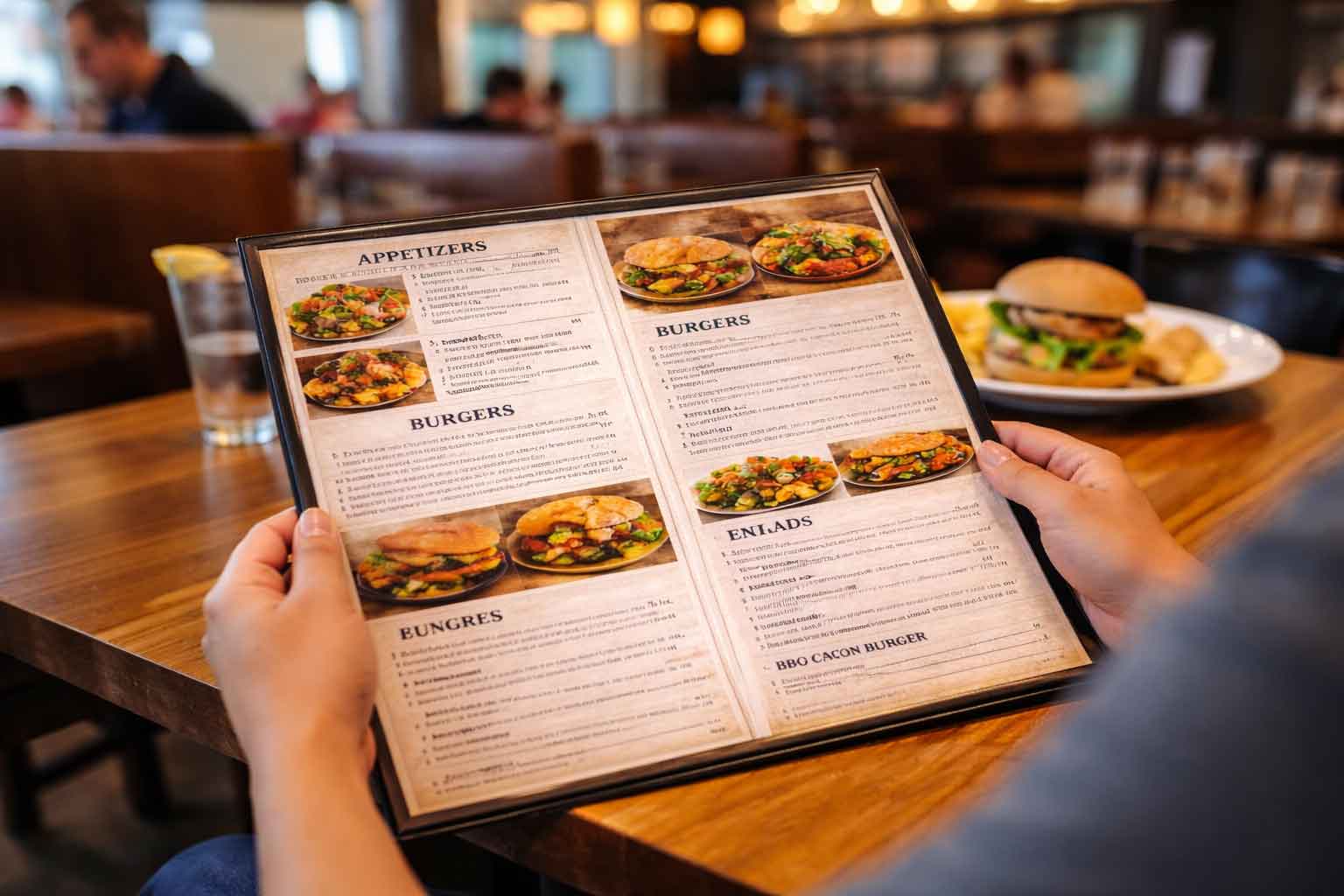
A mockup is a visual representation of how a design will look in the real world. It takes an idea off the blank canvas and places it into context. That context is what helps designers and clients make smarter decisions before anything becomes permanent.
A Mockup Is Not the Final Design
One of the biggest misunderstandings around mockups is assuming they are just about making things look nice. A mockup is not decoration. It is a testing ground.
Designers use mockups to see how a logo reads at different sizes, how colors behave in different settings, and whether a layout still works once it is no longer floating on a white background. This step often reveals issues that would be expensive or frustrating to fix later.
Why Context Matters So Much
A design rarely lives in isolation. A logo might appear on a website, a business card, a sign, a shirt, and a social media profile. A mockup allows designers to place that design into those environments before committing to it.
For example, a logo that looks great on screen might lose clarity when scaled down on a business card. A color palette that feels bold on a monitor might print darker than expected. Mockups help uncover these problems early, when changes are still easy.
Common Types of Graphic Design Mockups
Mockups are used across almost every type of graphic design project. Some common examples include:
- Logos shown on business cards, signage, or packaging
- Website designs displayed on desktop, tablet, and mobile screens
- Branding applied to apparel, vehicles, or storefronts
- Social media graphics placed inside real feed layouts
Each of these scenarios introduces different constraints. Size, lighting, materials, and user behavior all affect how a design is perceived. Mockups let designers evaluate those factors before moving forward.
What Designers Are Evaluating During This Step
When designers review mockups, they are looking at far more than aesthetics. They are checking readability, hierarchy, spacing, alignment, contrast, and consistency. They are asking whether the design still communicates the right message once it is placed in its intended environment.
This is also where subtle refinements happen. Small adjustments to spacing or scale can make a big difference in how professional a piece feels. These details are easy to overlook without seeing the design in context.
Why This Is Hard to Do Yourself
DIY design tools often skip or simplify this step. They show you a design, but not how it truly behaves in the real world. Without experience, it is hard to know what to look for or what might cause problems later.
Professional designers go through this step on almost every project because they know that good design is about how something works, not just how it looks in isolation.
The Value of the Mockup Stage
Mockups save time, money, and frustration. They help catch issues early, build confidence in decisions, and ensure the final product performs the way it should. While it may feel like an extra step, it is one of the reasons professionally designed materials tend to feel more polished and intentional.
If you need help with a graphic design project and want it done right from the start, let us know. We are always happy to help.