What is a Brute-Force Attack?

I’m sure you’ve heard the phrase ‘brute-force’ at some point in time. Whether used to describe an army invading a castle or a raging river, it simply speaks to the sheer volume and power of the force. In recent years, the phrase “brute force” has taken on a new meaning. Today, a brute-force attack is one of the most common and cornering security threats to any website or secured login. Thankfully, there are a couple of great options for preventing our sites, especially WordPress sites, from falling victim to a brute-force attack.

A brute-force attack is a trial and error type of method used to guess useful information, such as username and password. Just like a river slowly and gently flowing downstream isn’t too big of a concern, a person sitting and guessing usernames and passwords isn’t that big of a concern (though still not appreciated). The concern with the river and our logins, is simply in the sheer brute force. To accomplish this, spammers and hackers will use a software-based algorithm to automatically generate a large number of guesses for the desired piece of information. Some sources that these guesses can be as numerous as up to 350 billion per second. As you can probably guess, 350 guesses per second can be a problem – and 350 billion per second can be catastrophic. The obvious concern is that the attacker could gain access into your site and wreak havoc. The problem with that many hits on a page (attempts to login) is that it will eventually cause your website to crash and simply be down. While that can stop the attacker, it also means legitimate users can’t access your site. Thankfully, there are several easy-to-implement security protocols in WordPress as well as basic practices that can help eliminate the risk for brute-force attack.

First things first – I gotta say this, and I know you’ve heard it before: PASSWORD for your password is a HORRIBLE idea! 1234 is a horrible idea! When you’re setting up your password in WordPress, one of its great security features is that WordPress will let you know how secure it feels your password is. Simply keep adding to your password until it comes up as Very Strong. To do this, you’ll most likely be using a combination of lower and uppercase letters, numbers, and special characters (!, @, #,$, etc.). For example, as I’m writing this, I’m listening to Quiet Riot. A musically influenced strong password would be something like Qu!t3#Ri0t#coftnoize – (Quiet Riot, Come On Feel the Noize). I added in uppercase, lowercase, numbers, and characters.

Okay, so now that we got the obvious one out of the way…. You can also install a plugin such as WordFence and customize its installation to protect your site further. With WordFence, you can take additional steps such as blocking a username. I never set up the username ‘admin’ – that’s far too obvious. With WordFence, if anyone tried to use that username, they’d be automatically blocked from being able to login for however long you specify. You can also set it up so that if they do try a legitimate username but miss the password a certain number of times (10 or 20 ideally, if you use strong passwords), it will again lock them out.

With WordFence, you can also run a scan on your site to see if there are any effected or infected files on your site that need to be cleared up. If there are any suspicious files, the program will let you know which ones are causing concern and which specific folders they’re in so you (or your web developer) can check them out and remove them if necessary. While this won’t stop a brute-force attack from hitting or entering your site, this scan can help prevent the amount of damage that can be caused by an attack.

Thankfully, there are several simple and easy-to-implement tools and plugins to help prevent brute-force attacks. Unfortunately, cyber threats such as a brute-force attack are one of the most common and concerning security threats that we face with websites, and the problems (the hackers/spammers/evil-doers) won’t be going away anytime soon. Just like when an invading army would storm a castle or the water in a river rages, we can be proactive and ready to counter these attacks when they come.

Ready to discover how we can help make your website and marketing more successful?
Contact Us

Marketing Made Simple

Insights from Full Scope Creative

Our thoughts on website design, graphic design, marketing, SEO, website hosting, branding, business management, and more here in the Full Scope Creative blog!

Insights, Tips, and Strategies for Small Business Success

Our blog is packed with expert advice on website design, SEO, marketing, branding, and more. Whether you’re looking to improve your website’s performance, boost your online presence, or streamline your business’s digital strategy, you’ll find valuable insights and actionable tips right here.

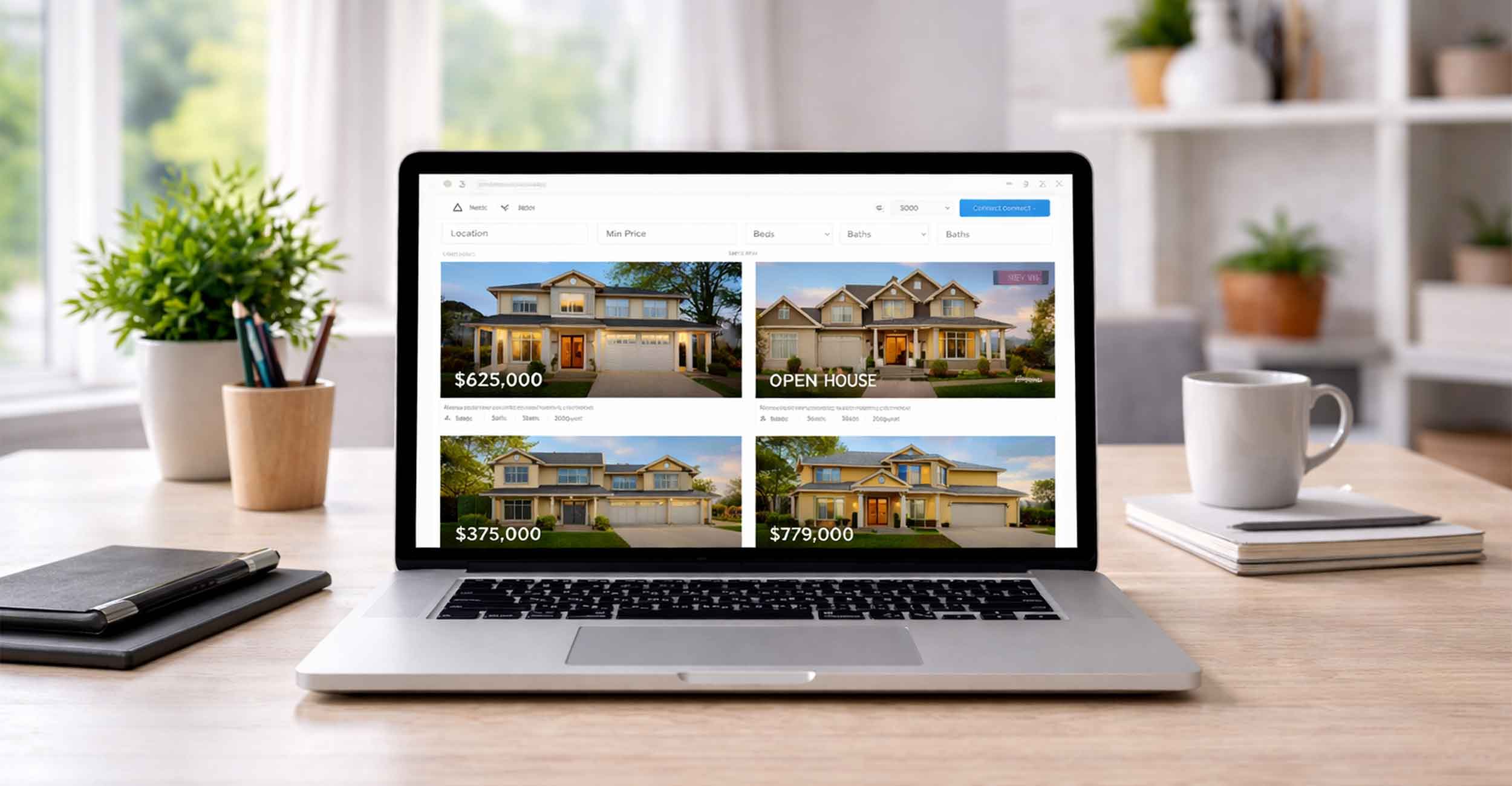
Homes listed on a website. You'll need an IDX plugin to do this on WordPress. Full Scope can help with that!

IDX Real Estate WordPress Plugin

An idx real estate wordpress plugin lets you show MLS listings on your own website. There is no free way to pull listings into WordPress, so you need the right tool. We use and recommend Showcase IDX. It connects to your MLS, keeps listings updated, and turns your site into a real marketing asset.

Read More »

Do Real Estate Agents Need a Website

Do real estate agents need a website if they already use Zillow or Realtor.com? Those platforms help, but they are not yours. Your own website gives you control over branding, SEO, and lead capture. It becomes a real business asset that grows with you and supports your long term success.

Read More »

Shared vs Dedicated Hosting for SEO

Does shared hosting hurt SEO? Does dedicated hosting help rankings? The truth is simpler than most people think. Google does not rank websites based on server type. It ranks them based on performance. In this article, we break down what actually matters for SEO and how hosting should support your growth, not replace real strategy.

Read More »
A client asking a question - great blog material!

Turn Client Questions Into Blog Posts

Every time a client says, “I have no idea what that is,” you just found your next blog topic. Instead of explaining it once and moving on, turn that question into an article. Then share it when others ask. You build traffic, trust, and authority all at the same time by simply teaching clearly.

Read More »
Hiking freely in nature. the joy of open, NOT closed website builders.

Closed Website Design Platforms

Closed website design platforms like Wix, Weebly, Squarespace, and GoDaddy Website Builder can be easy to start with. But they come with limits. You cannot move the site, change hosting freely, or fully customize the code. This article explains what a closed platform is and why many growing businesses choose WordPress instead.

Read More »
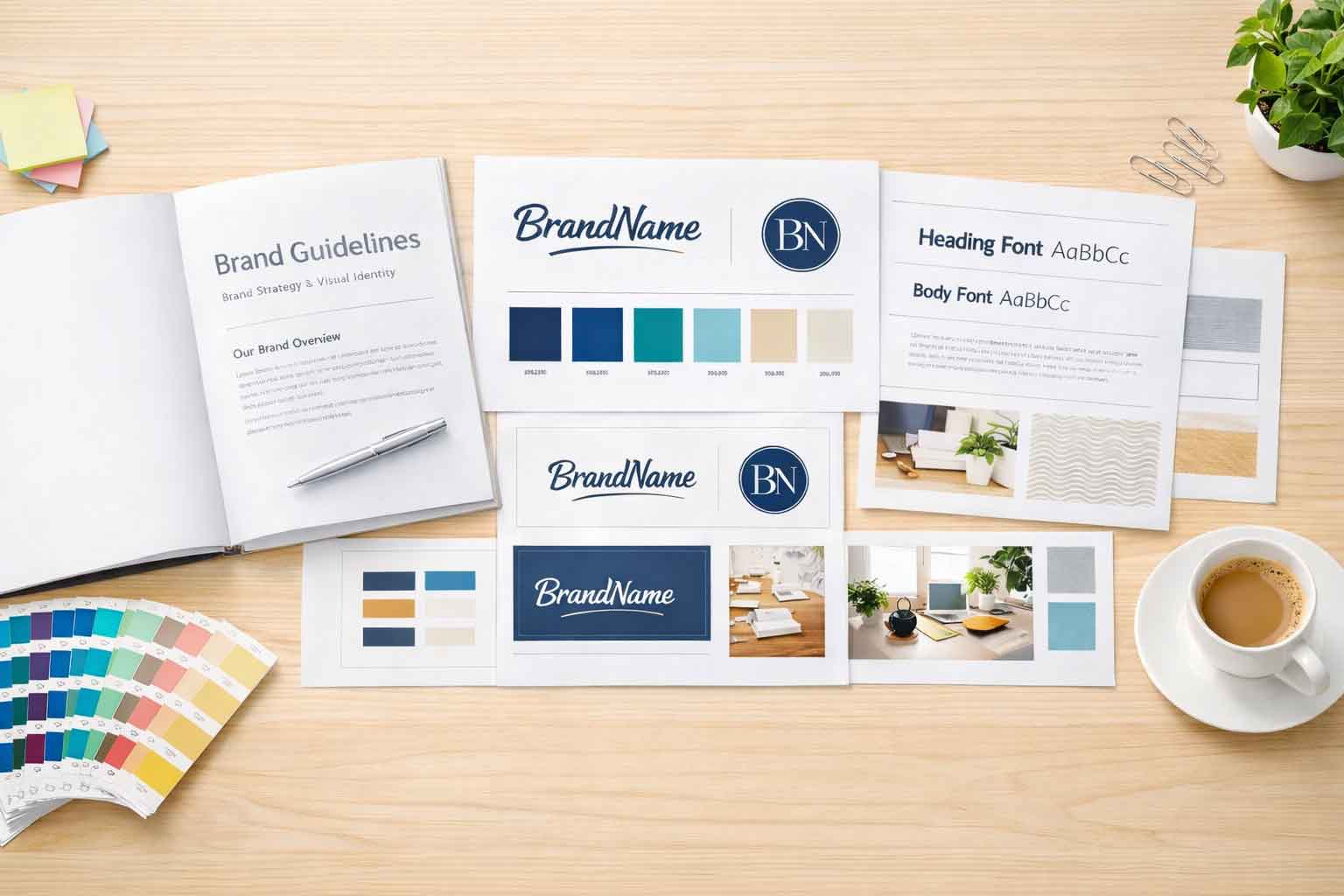
An example of a brand design guide

What is a Brand Design?

What is a brand design? It’s more than a logo. Brand design defines your colors, fonts, textures, and overall visual style so every part of your marketing looks consistent and professional. For small businesses, strong brand design creates clarity, improves websites, and makes future marketing easier and more effective.

Read More »

Which Website Builder Is Best for WordPress?

Trying to decide which website builder is best for WordPress? Divi, Beaver Builder, WP Bakery, and Elementor all offer different strengths. In this guide, we break down what each builder does well, where they fall short, and why Elementor is our top choice for small business websites at Full Scope Creative.

Read More »
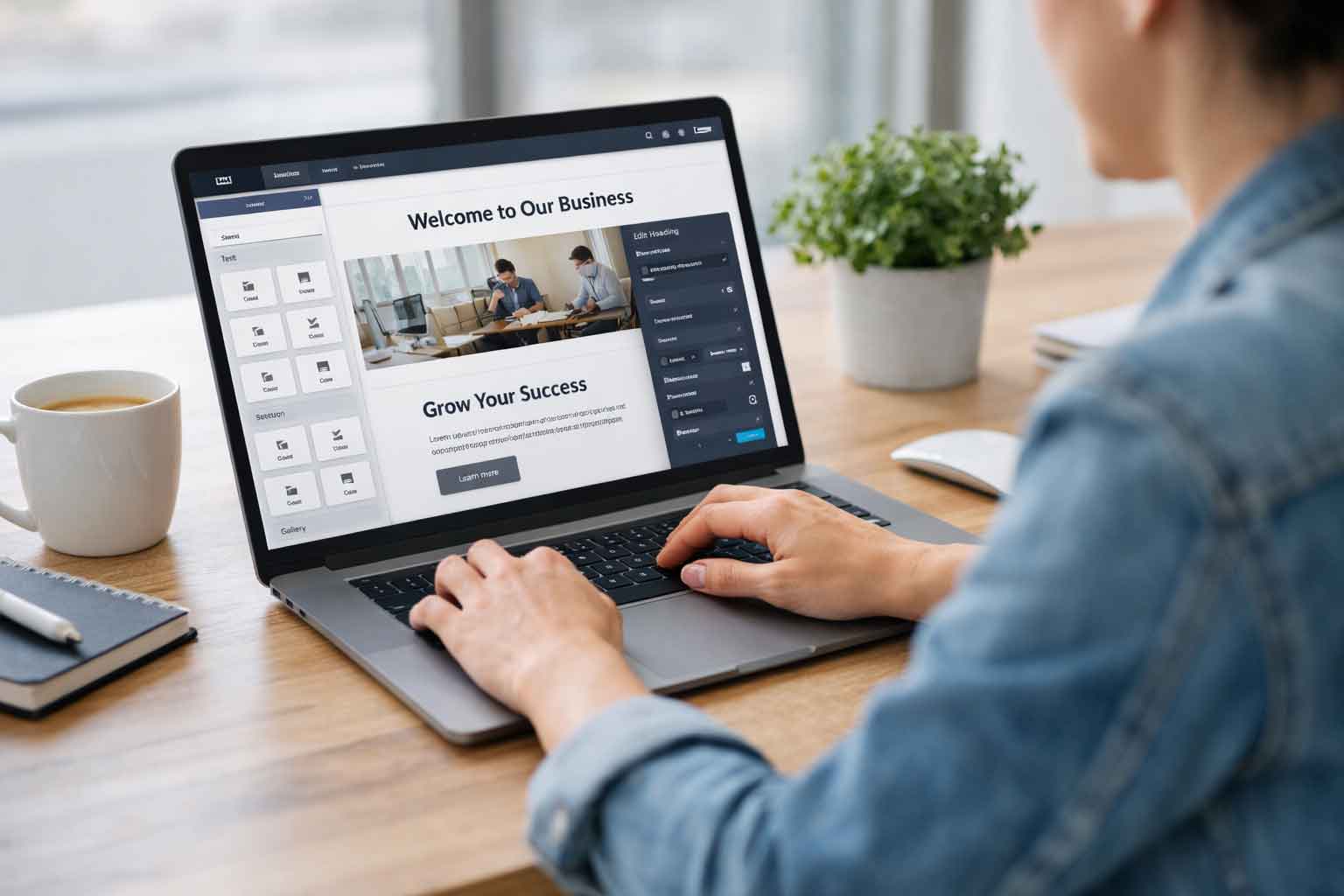
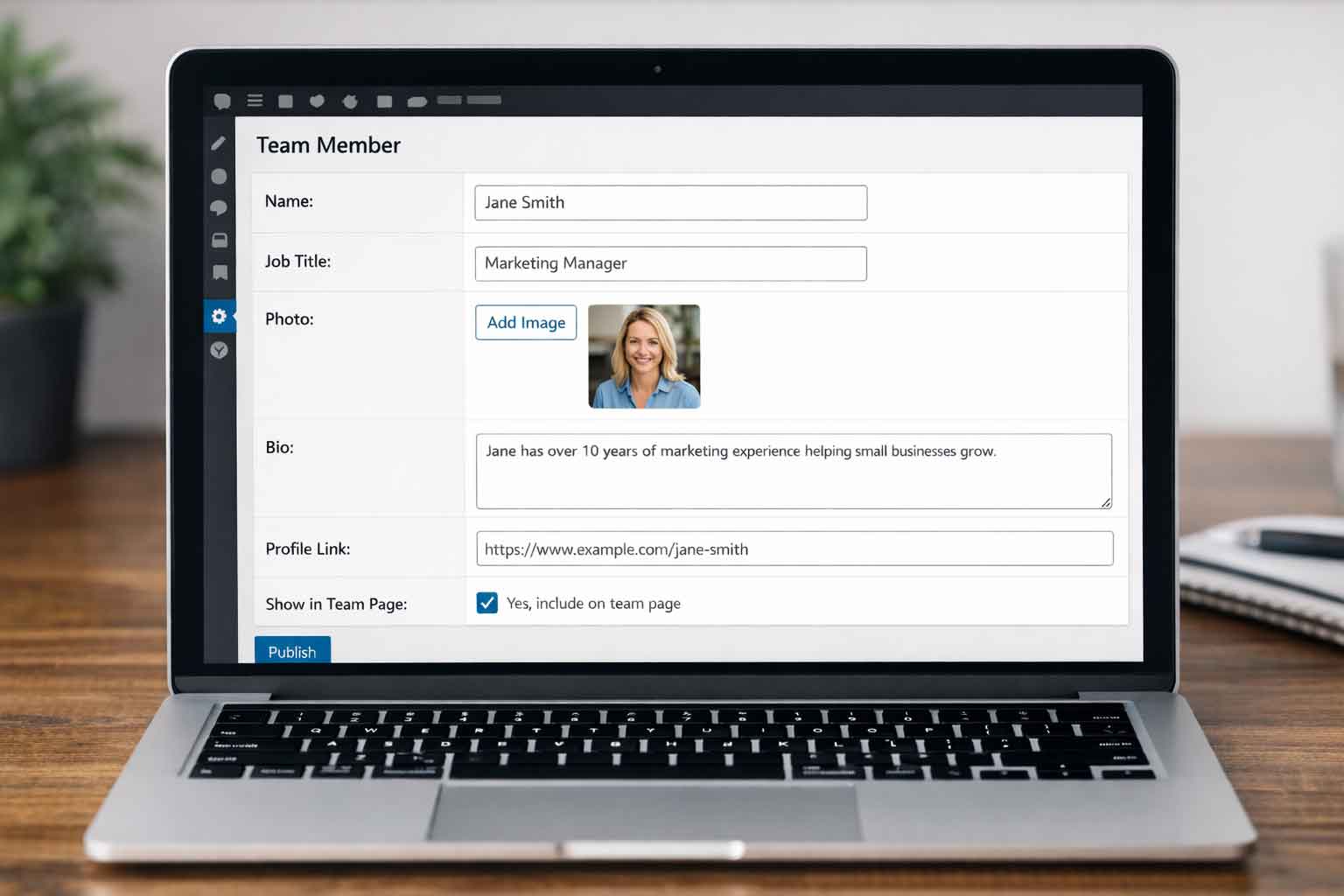
ACF and Elementor are easy to use and can add so much to a site!

ACF and Elementor

ACF and Elementor allow us to turn a basic WordPress site into a structured, easy-to-manage system. With custom fields, custom post types, and dynamic layouts, your content stays organized and simple to update. Full Scope Creative sets it all up so you can just fill out fields and publish with confidence.

Read More »
4 servers and the 4 different types of website hosting.

What Are the 4 Types of Hosting?

What are the 4 types of hosting? Shared, VPS, dedicated, and cloud hosting each offer different levels of cost, speed, security, and control. In this guide, we break them down in simple terms so small business owners can understand their options and choose a hosting setup that fits their needs and budget.

Read More »
Ready to discover how we can help make your website and marketing more successful?
Contact Us

Full Scope Creative has been great to work with. On top of the services they are contracted to provide, as a small Nonprofit without a website professional on staff, Chris is always willing to answer questions & provide guidance when asked. I recommend working with Chris and his team!

~ Leah Stevens,
LT Virtual Solutions