What are the Three Golden Rules of Logo Design?

Your logo is more than a picture — it’s the face of your brand and the first impression customers get. To make it effective, follow the three golden rules of logo design: keep it simple, make it relevant, and ensure it’s versatile. A logo that follows these rules builds recognition, trust, and long-lasting credibility.

Understanding the Three Golden Rules of Logo Design

Your logo is often the very first thing people see about your business. It’s going to be seen on your website, business cards, invoices, social media, and more. A great logo so much more than just a nice picture. Your logo is the mark that sets the tone for your entire brand and the experience customers will get. That’s why following three golden and timeless rules in logo design is needed. At Full Scope Creative we always say the three golden rules of logo design are simplicity, relevance, and versatility.

Keep it Simple

As with so many things, when it comes to logo design, simple is always a great way to win. A simple logo will be easy to recognize in a crowded setting, easy for the market to remember, and easy to adapt and use in almost any setting. Think of some of the most iconic and easily recognizable brands around today such as Apple, Nike, Target. Their logos are simple but still some of the most powerful and recognizable brand symbols in the world.

One very common temptation for so many small businesses is to cram as much as possible into a logo. That could be done through using multiple colors, adding in extra icons, or having overly detailed graphics. The problem with cramming so much into a logo is that so many (or all) of those details will get lost or nearly abandoned when the logo is scaled down for use on a business card or social media profile. Instead of being memorable, it just looks cluttered and forgetful.

Remember, just because it’s simple doesn’t mean it’s boring. Simple means it is effective. A logo with clean lines and thoughtful design can communicate much more in a simple glance than a busy logo ever will even with minutes to gaze upon it.

Make it Relevant

Your logo needs to connect with your audience and represent your brand. It needs to do both of those in a meaningful way. Relevance and connection comes when you use the colors, fonts, and design styles that align best with your businesses industry andvalues. For example, using a bold and modern typeface might work great for a tech company, but a more traditional font and muted colors might better suit a financial firm.

The goal and need is to design something that speaks and connects directly to your target audience. A playful logo might look great for a children’s clothing store, but it would be entirely out of place for a law office.

Trendy design elements can be very tempting but must be used with great caution. Trends that are popular today may very likely look dated tomorrow. Having a relevant and powerful logo isn’t about chasing today’s trends. It’s about staying true and connected to who your business is and the message you want to send to your audience.

Ensure it’s Versatile

Your logo is going to live in countless places. Because of that, it needs to look great and have a way to scale to fit on everything from a website header to a giant billboard, and from an embroidered shirt to a simple black-and-white invoice. That is called versatility. And versatility often equals great power.

A versatile logo will work great at any size and in any format needed. That’s why designers like Full Scope Creative design logos as vector files. Vector files can scale up and down without losing quality. It’s also why you need to  have different versions or variations of your logo. There are times you’ll need  full color, black and white, and a version that works on dark backgrounds.

Think about printing your logo on a pen. If your logo is packed with tiny details and countless colors, they’ll all disappear. But if it is a clean and versatile logo, it’ll still look professional no matter where it is used. That flexibility makes sure your logo stays useful for years to come.

Why do the Three Golden Rules Matter for Your Business?

Simplicity, relevance, and versatility. If a logo is simple, relevant, and versatile, it will be so much  more than just a simple graphic. It will become a powerful tool for building recognition, trust, and credibility with your audience.

At Full Scope Creative, we’ve seen first hand the difference that a well-designed logo can make for a small business or non profit. It sets the tone for your marketing, website, and your businesses overall brand identity. If your current logo doesn’t follow the three golden rules, it might be time to give it some attention.

Your logo is the face of your business. Make sure it’s one that works for you, not against you.

Ready to discover how we can help make your website and marketing more successful?
Contact Us

Marketing Made Simple

Insights from Full Scope Creative

Our thoughts on website design, graphic design, marketing, SEO, website hosting, branding, business management, and more here in the Full Scope Creative blog!

Insights, Tips, and Strategies for Small Business Success

Our blog is packed with expert advice on website design, SEO, marketing, branding, and more. Whether you’re looking to improve your website’s performance, boost your online presence, or streamline your business’s digital strategy, you’ll find valuable insights and actionable tips right here.

ACF and Elementor are easy to use and can add so much to a site!

ACF and Elementor

ACF and Elementor allow us to turn a basic WordPress site into a structured, easy-to-manage system. With custom fields, custom post types, and dynamic layouts, your content stays organized and simple to update. Full Scope Creative sets it all up so you can just fill out fields and publish with confidence.

Read More »
4 servers and the 4 different types of website hosting.

What Are the 4 Types of Hosting?

What are the 4 types of hosting? Shared, VPS, dedicated, and cloud hosting each offer different levels of cost, speed, security, and control. In this guide, we break them down in simple terms so small business owners can understand their options and choose a hosting setup that fits their needs and budget.

Read More »
business owner going over a checklist

Your Site Isn’t Ready for SEO If…

SEO can drive real growth for a small business. But if your website is slow, hard to use on mobile, thin on content, or not focused on the right keywords, you may be wasting money. Before investing in SEO, make sure your site is built and structured to support it the right way.

Read More »

List out all of your services

Many small businesses offer more services than their website lets on. When those services are hidden or scattered, potential customers never see the full picture. This blog explains why clearly listing every service matters, how to structure services pages, and how the right setup helps build trust and guide visitors toward the next step.

Read More »
a website with a good CTA button

Better Calls To Action On a Site

Clear calls to action help guide website visitors instead of leaving them guessing what to do next. Just like good signage in a new building, CTAs create clarity, reduce frustration, and lead users where they want and need to go. If your website feels confusing, stronger CTAs can make all the difference.

Read More »

Do I need to redesign my website?

Do I need to redesign my website? It’s a question we hear all the time, and the answer is usually “maybe.” Some sites are outdated but workable. Others are held together with digital duct tape. This article walks through how to tell the difference and why starting with the “why” matters more than jumping into a redesign.

Read More »
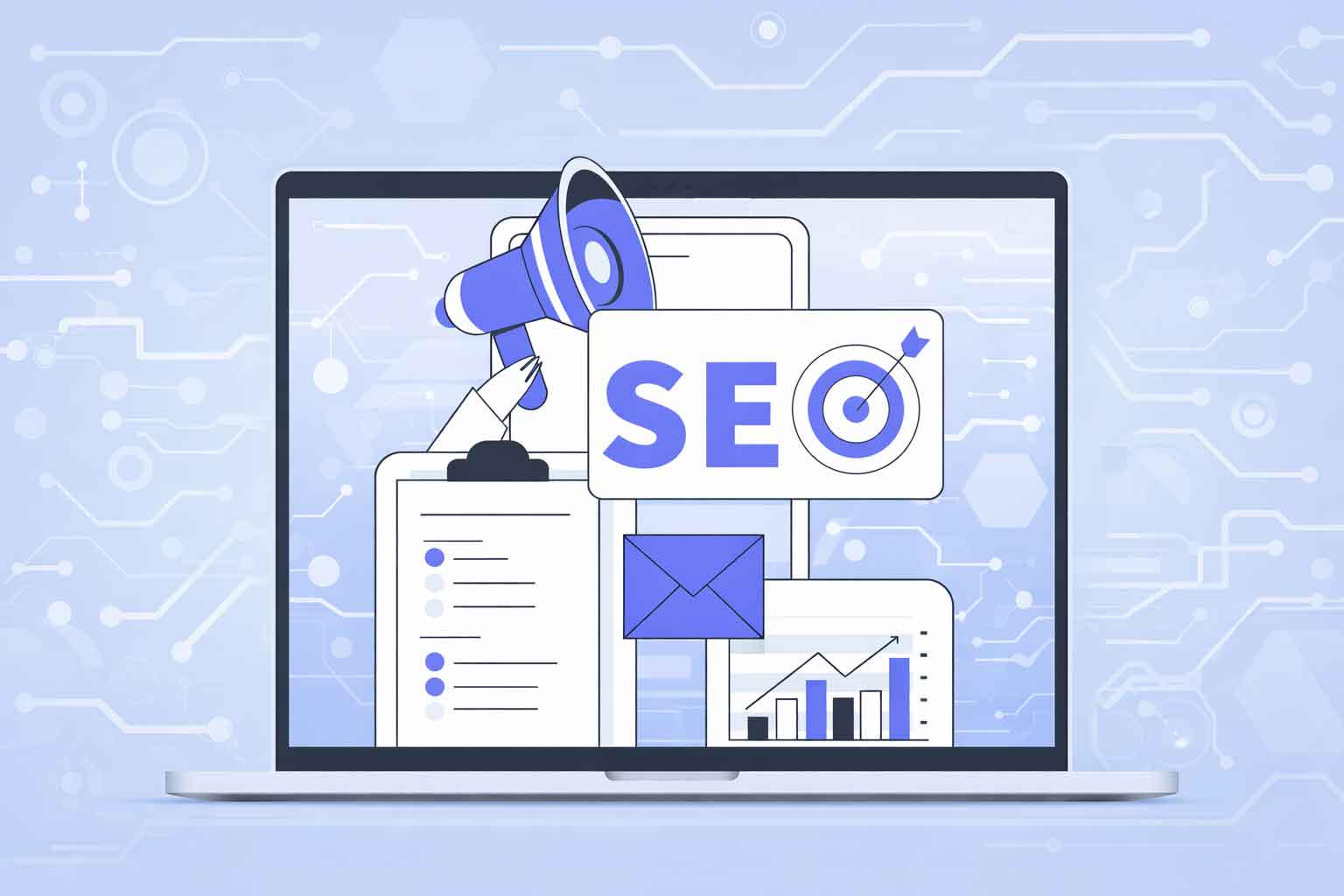
Illustration showing a website displayed on a computer screen with SEO elements like charts, content blocks, and targeting icons, explaining the question “Does Web Design Include SEO?” and how design and search optimization work together.

Does Web Design Include SEO?

Does web design include SEO? Not exactly, but the two work closely together. Web design focuses on structure, usability, and experience, while SEO focuses on visibility and how people find your site. A successful website needs both working together to reach its full potential and support long-term business growth.

Read More »
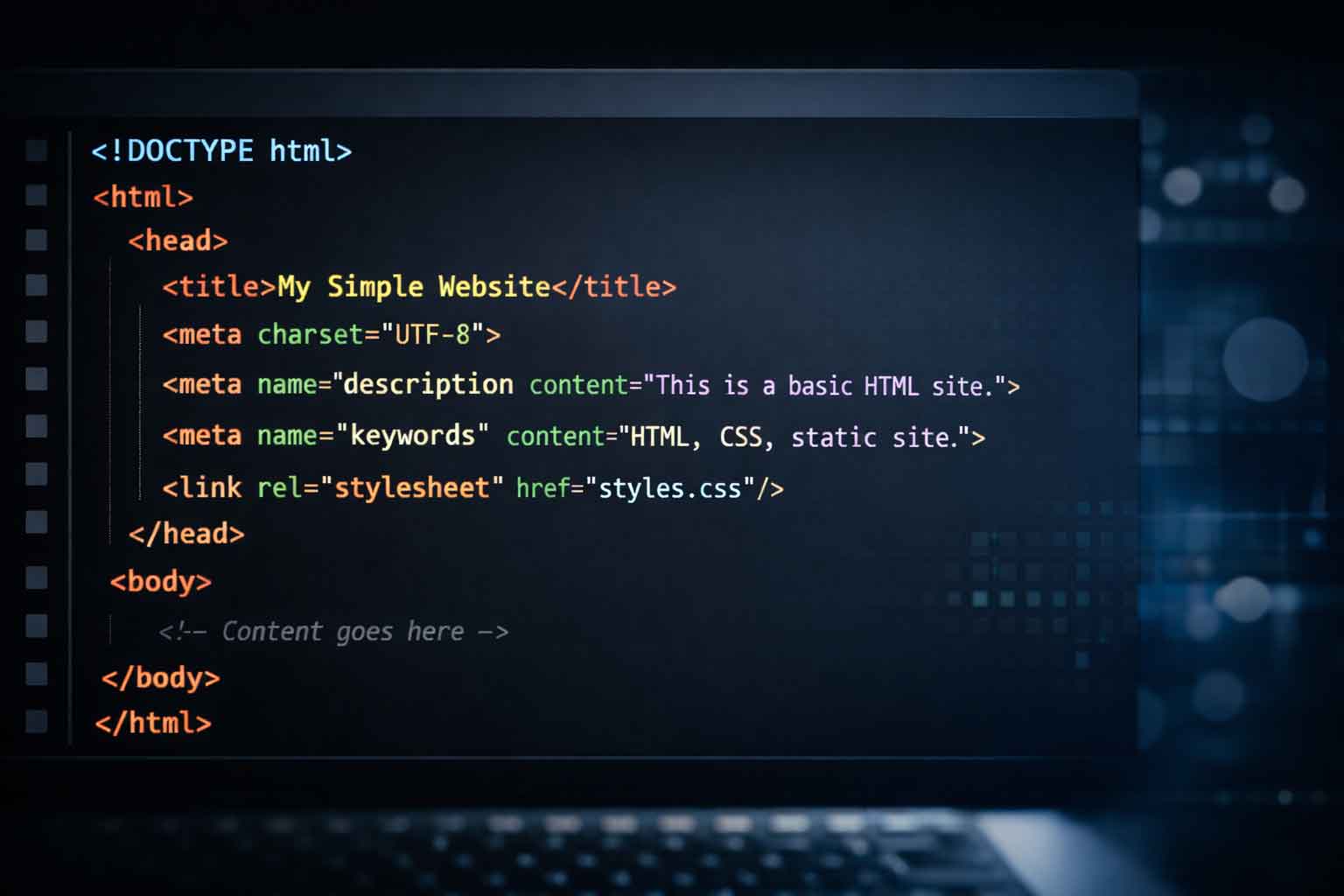
Simple HTML code for a website. Just cause it's a simple HTML site doesn't mean it can't be hacked.

Can a Static HTML Site Get Hacked?

Can a static HTML site get hacked? Many people assume simple websites are immune to security risks, but that is not how website security actually works. Hosting, access controls, and ongoing management play a much larger role than file type. This article explains why static sites are still vulnerable and how properly managed WordPress sites can be just as secure.

Read More »
A web browsers address bar showing the domain name.

Should your domain name move when your site does?

When businesses move from Wix or Squarespace to WordPress, the focus is usually on design and content. One critical detail often gets missed: the domain name. Leaving a domain with an old platform can create unnecessary complications later. Understanding where your domain lives and when to move it can save time, frustration, and future technical headaches.

Read More »
Ready to discover how we can help make your website and marketing more successful?
Contact Us

Chris is very efficient, easy to work with and does a outstanding job.

~ Tina Weiss,
Shear Sports