What Are the 7 Rules of Graphic Design?

Good graphic design is about more than looks. The seven rules of graphic design help guide attention, improve clarity, and build trust with your audience. From balance and contrast to white space and movement, these principles show up in every effective logo, website, and marketing piece. When one is missing, something always feels off.

The Core Design Principles That Make Visuals Clear, Effective, and Trustworthy

Graphic design is not just about making things look nice. Yes, your designs should look great. That part matters. But good design has a bigger job to do.

Strong design helps people understand your message faster. It guides their eyes. It nudges them toward action, whether that is making a purchase, filling out a form, or simply remembering your brand. These seven rules show up in every type of graphic design, from logos and websites to flyers, brochures, and social posts. When one is missing, something usually feels off even if you cannot quite explain why. These are not optional. Each one plays a role.

Balance

Balance is how visual weight is distributed in a design. It keeps layouts from feeling heavy or awkward. When balance is ignored, a design can feel like it is leaning too far in one direction, almost like it might tip over.

Symmetrical balance feels formal and structured. It works well for professional services and traditional brands. Asymmetrical balance feels more relaxed and modern, often using different sizes or elements that still feel evenly weighted. Balance helps guide the eye without overwhelming it. Poor balance makes designs feel cluttered or uncomfortable, like walking into a carnival mirror maze where nothing quite lines up.

Contrast

Contrast is about making elements clearly different from one another. If everything looks the same, nothing stands out. On the flip side, if everything is screaming for attention, nothing actually gets it.

Contrast can be created with color, size, shape, or font choice. You do not need all of them at once. Pick one or two and use them intentionally. High contrast improves readability, especially on websites and printed materials. Low contrast can make designs feel flat, boring, or hard to scan. Good contrast helps someone know where to look first, then second, and finally where you want them to act.

Emphasis

Emphasis highlights what matters most. Every design should have a single main point. Ask yourself what the one thing is that someone should remember or act on.

Headlines are a common way to create emphasis. They often carry the main message or call to action. Size and placement also matter. Important elements should be easy to find, not hidden. Too many focal points create confusion. When everything is emphasized, nothing truly is. Clear emphasis leads to clear messaging, which leads to better results.

Repetition

Repetition creates consistency across a design. It helps tie everything together. This is especially important for small businesses building brand recognition.

Repeating colors reinforces your brand and makes different pieces feel connected. Font consistency improves clarity and professionalism. Repetition across pages, posts, or printed pieces builds familiarity and trust. When designs constantly introduce new styles, fonts, or colors, they feel rushed and unpolished.

Proportion

Proportion refers to the size relationship between elements. It helps communicate importance without needing extra words.

Larger elements naturally feel more important. Smaller elements support the main message. When proportion is off, layouts can feel chaotic or confusing. Good proportion improves readability and makes it easier for someone to scan and understand your content quickly. This is especially important for websites, where attention spans are short.

Movement

Movement guides the viewer’s eye through a design. It creates a visual path. If a design has a stopping point that breaks the flow, the viewer may lose interest or miss important information.

Movement can be created through spacing, alignment, fonts, and color. Diagonal lines and gentle curves often imply motion and help move the eye naturally. Movement supports storytelling by leading someone from headline to supporting text to call to action. Without it, designs can feel static or confusing. And confusion almost always means missed opportunities.

White Space

White space is the space between elements. It does not have to be white. It can be any color, a subtle background, or even an image, as long as it is not busy or distracting.

White space gives content room to breathe. It allows the eye to rest. It improves focus and significantly increases readability. Crowded designs feel stressful and are often forgotten quickly. White space is not wasted space. It is often some of the most valuable space in a design.

Why These Rules Matter for Small Businesses

These seven rules work together, not on their own. Every effective design uses all of them in some way. Strong design builds trust before a single word is read. When a design feels clear, your message lands better and your business feels more professional.

If you are working on your own graphic design projects and something feels off, one of these rules is usually the reason. And if you ever want a second set of eyes or help applying these principles, we are always happy to talk through it with you.

Ready to discover how we can help make your website and marketing more successful?
Contact Us

Marketing Made Simple

Insights from Full Scope Creative

Our thoughts on website design, graphic design, marketing, SEO, website hosting, branding, business management, and more here in the Full Scope Creative blog!

Insights, Tips, and Strategies for Small Business Success

Our blog is packed with expert advice on website design, SEO, marketing, branding, and more. Whether you’re looking to improve your website’s performance, boost your online presence, or streamline your business’s digital strategy, you’ll find valuable insights and actionable tips right here.

List out all of your services

Many small businesses offer more services than their website lets on. When those services are hidden or scattered, potential customers never see the full picture. This blog explains why clearly listing every service matters, how to structure services pages, and how the right setup helps build trust and guide visitors toward the next step.

Read More »
a website with a good CTA button

Better Calls To Action On a Site

Clear calls to action help guide website visitors instead of leaving them guessing what to do next. Just like good signage in a new building, CTAs create clarity, reduce frustration, and lead users where they want and need to go. If your website feels confusing, stronger CTAs can make all the difference.

Read More »

Do I need to redesign my website?

Do I need to redesign my website? It’s a question we hear all the time, and the answer is usually “maybe.” Some sites are outdated but workable. Others are held together with digital duct tape. This article walks through how to tell the difference and why starting with the “why” matters more than jumping into a redesign.

Read More »
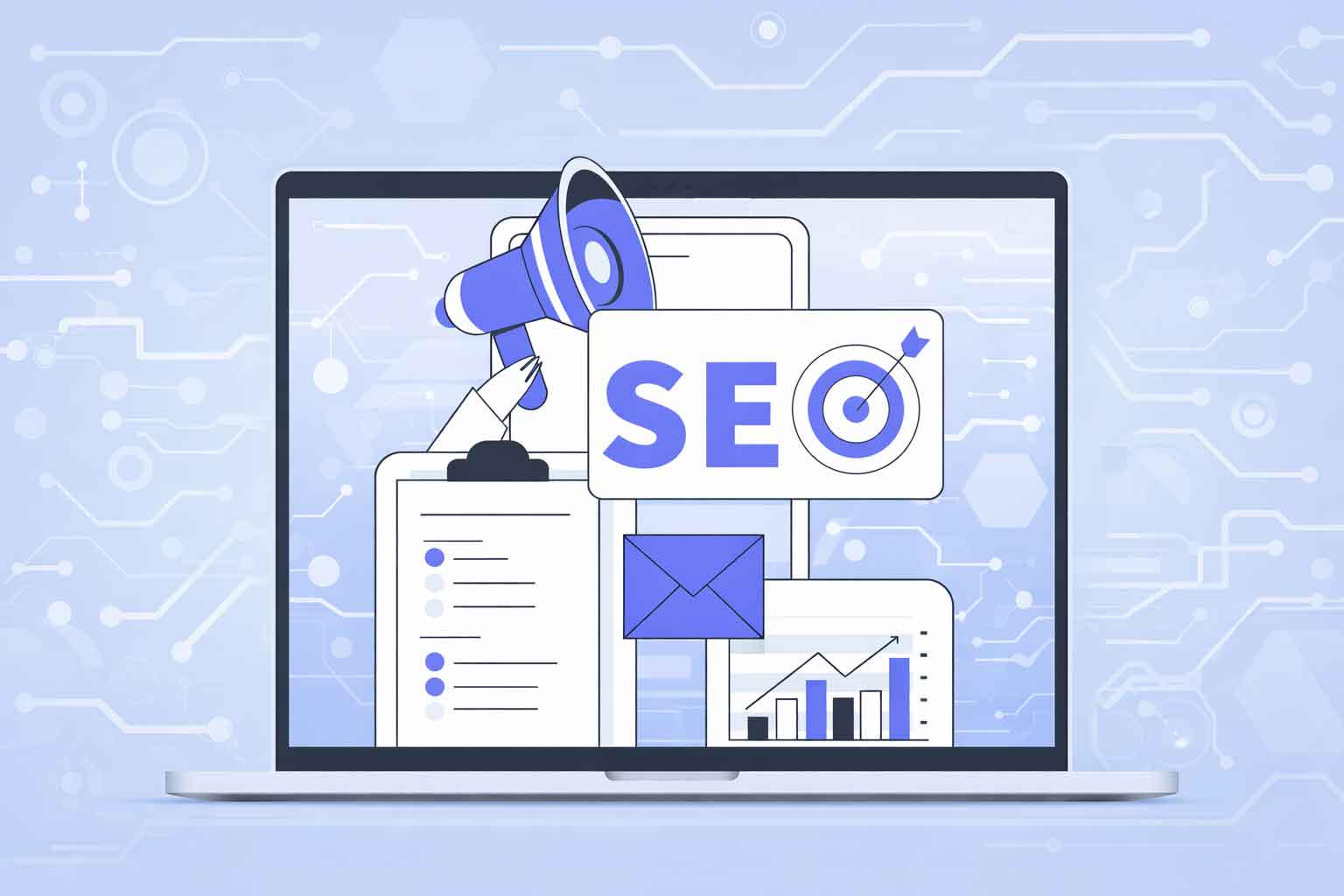
Illustration showing a website displayed on a computer screen with SEO elements like charts, content blocks, and targeting icons, explaining the question “Does Web Design Include SEO?” and how design and search optimization work together.

Does Web Design Include SEO?

Does web design include SEO? Not exactly, but the two work closely together. Web design focuses on structure, usability, and experience, while SEO focuses on visibility and how people find your site. A successful website needs both working together to reach its full potential and support long-term business growth.

Read More »
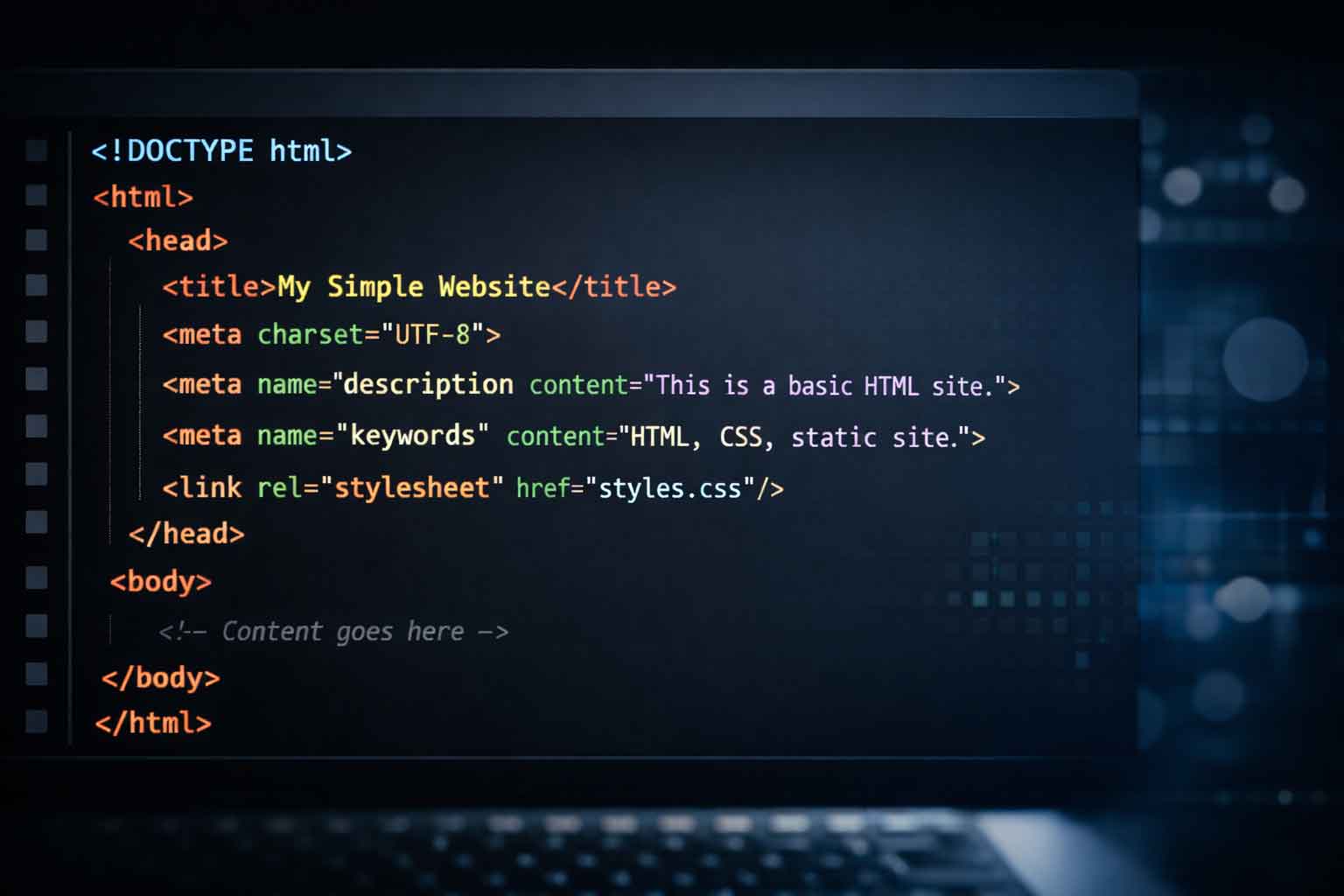
Simple HTML code for a website. Just cause it's a simple HTML site doesn't mean it can't be hacked.

Can a Static HTML Site Get Hacked?

Can a static HTML site get hacked? Many people assume simple websites are immune to security risks, but that is not how website security actually works. Hosting, access controls, and ongoing management play a much larger role than file type. This article explains why static sites are still vulnerable and how properly managed WordPress sites can be just as secure.

Read More »
A web browsers address bar showing the domain name.

Should your domain name move when your site does?

When businesses move from Wix or Squarespace to WordPress, the focus is usually on design and content. One critical detail often gets missed: the domain name. Leaving a domain with an old platform can create unnecessary complications later. Understanding where your domain lives and when to move it can save time, frustration, and future technical headaches.

Read More »
A computer screen with security icons

Can my WordPress site be hacked?

Can my WordPress site be hacked? Yes, it can, just like any other website. The real difference comes down to how security is managed. In this article, we explain why WordPress is safe when set up correctly, what security risks actually exist, and how Full Scope Creative removes the headaches by managing hosting, security, and backups for you.

Read More »
Using Google Analytics

Google Isn’t Just a Search Engine, It’s a Measurement Tool

Google is more than a place people search. Behind every query and click, it provides insight into how customers find your business and what they do next. Tools like Google Analytics, Google Search Console, and Google Business Profile help reveal visibility, behavior, and performance so businesses can make clearer decisions instead of guessing.

Read More »

Are There More Search Engines Than Just Google?

“Google it” has become shorthand for searching the internet, but Google isn’t the only search engine out there. From Bing and Yahoo to privacy-focused options like DuckDuckGo, there are real alternatives people use every day. This article breaks down the strengths, weaknesses, and why Google still dominates how businesses think about SEO.

Read More »
Ready to discover how we can help make your website and marketing more successful?
Contact Us

Chris is very efficient, easy to work with and does a outstanding job.

~ Tina Weiss,
Shear Sports