Using Handwritten Fonts in Web Design

Handwritten fonts can add a personal touch and uniqueness to your website, making it more engaging and memorable. In this article, we explore how to effectively use handwritten fonts in web design, balancing creativity with readability to enhance user experience and brand identity. Discover best practices and tips for seamless integration.

Striking the Use and Balance of Handwritten Fonts

One of the big goals for a website is to make a connection with the user. One way that some websites attempt this is by using handwritten fonts. While handwritten fonts can add a personal touch (all too easily a whimsical touch) to a website, their use can lead to issues with readability and other design challenges. While they can have a place in web design, using them thoughtfully is key to maintaining the website’s user-friendly experience.

The Challenges of Handwritten Fonts

Readability Issues

Handwritten fonts tend to lack the clarity and readability structure of standard fonts. This makes  them harder to read on a website, particularly when used for long sections of text or even many headings. The unique and uneven strokes of handwritten text might look appealing but can quickly tire the reader’s eyes.

Accessibility Concerns

Accessibility is top concern for any website. Users with any number of visual impairments or learning disabilities may struggle to read the handwritten fonts on the website. This can quickly result in a less than positive user experience, alienating a portion of your audience.

Mobile Optimization

As mobile usage dominates most websites, designing with smaller screens and resolutions in mind is a top aim for designers. Handwritten fonts often don’t scale very well at all on mobile devices. With the often tighter and uneven strokes, they can appear cramped or pixelated. Having this further reduces their legibility and impact, hurting the overall user experience. 

Potentially Dated Aesthetic

When I see handwritten fonts I almost always have flashbacks to horrible PowerPoint presentations I saw in school. Back then we used any font that just looked cool. Today, depending on the style and exact font, handwritten fonts can give a website a dated feel. Even if it isn’t a fully dated feel, it can make for an overly casual appearance. For businesses or brands aiming for a modern, relevant, and professional image, this may not align with their goals.

A Balanced Approach to Handwritten Fonts

While handwritten fonts have their fair share of challenges, they’re not completely without their charm and effect. The key is to use them strategically and, more importantly, in moderation. Here are some tips:

Selective Usage

Handwritten fonts work best and should be ideally only used as accents. Consider using them (sparingly) for:

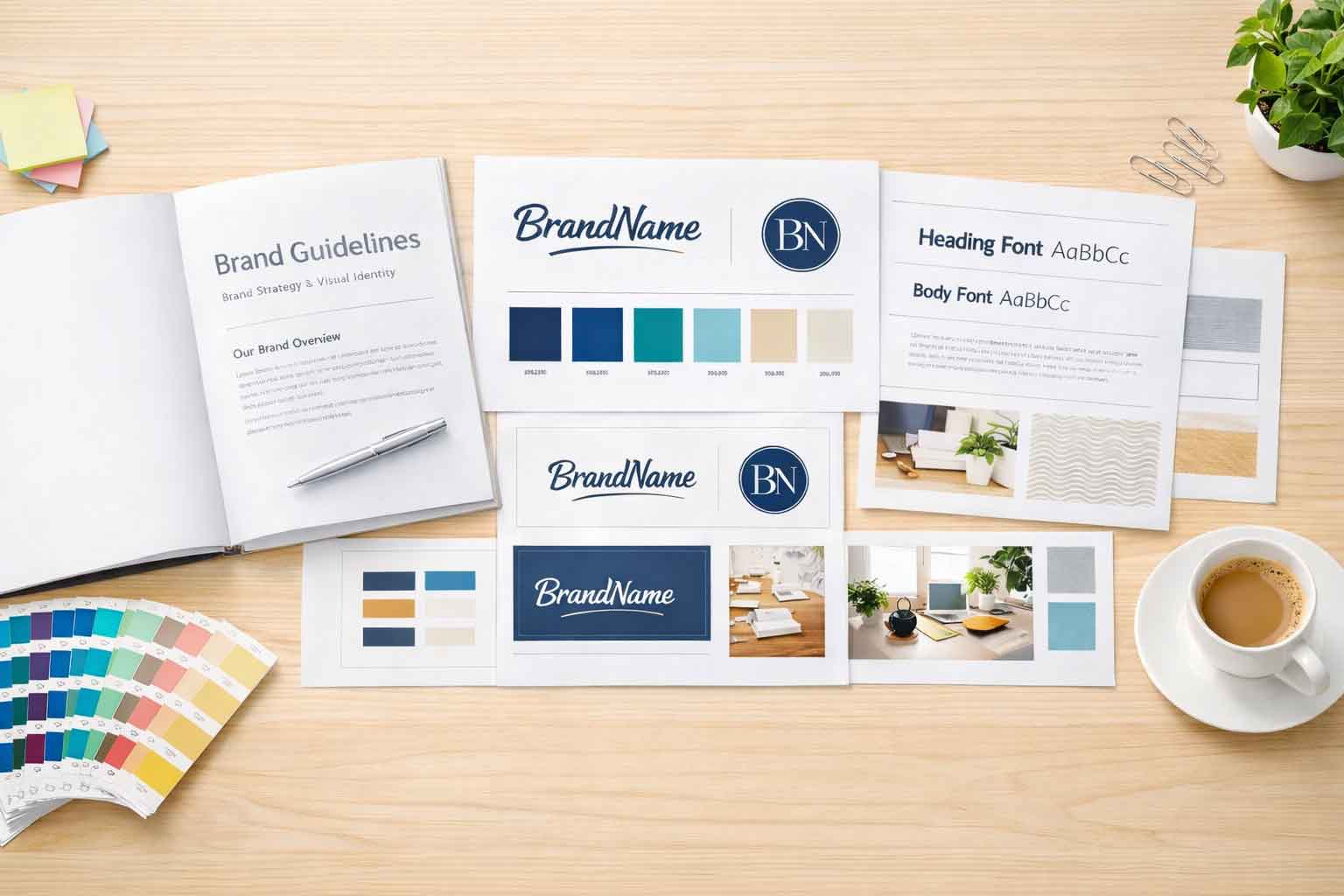
  • Logos or brand marks
  • Callouts or special quotes
  • Specific sections on your website meant to evoke emotion or personality

Avoid using them for all of the website headings or body text to maintain readability and balance.

Pairing with Clean Fonts

Combine handwritten fonts with clean, modern serif or sans-serif fonts. For example:

  • Use a sans-serif font for the main heading, then use a handwritten font for a subheading or highlight
  • Keep body text in a standard font to make the site easy to read, and use handwritten styles for decorative purposes only

Testing Across Devices

Always be sure to test (and re-test) your design on several different devices and screen sizes. If using a handwritten font, make sure that font is legible on smaller screens and does not detract at all from the user experience.

Modern Alternatives

If you really like the presentation and vibe of handwritten fonts and their aesthetic but want to ensure clarity, look into fonts that balance personality and legibility. There are modern script fonts that are designed specifically for digital use and can work well across platforms. You can explore https://fonts.google.com to find these fonts and more.

Perfect balance between creativity and functionality

While handwritten fonts can enhance a website and businesses personality and appeal, be sure to use them very thoughtfully and cautiously. By pairing them with a clean font, limiting their amount of use, and always focusing on readability, you can create a design that is both stylish and user-friendly. The goal for any website design is to communicate effectively to users and provide a seamless experience for your audience regardless of device size. When in doubt, test your typography choices with real users and on several devices to ensure your site strikes that perfect balance between creativity and functionality.


Ready to discover how we can help make your website and marketing more successful?
Contact Us

Marketing Made Simple

Insights from Full Scope Creative

Our thoughts on website design, graphic design, marketing, SEO, website hosting, branding, business management, and more here in the Full Scope Creative blog!

Insights, Tips, and Strategies for Small Business Success

Our blog is packed with expert advice on website design, SEO, marketing, branding, and more. Whether you’re looking to improve your website’s performance, boost your online presence, or streamline your business’s digital strategy, you’ll find valuable insights and actionable tips right here.

DNS servers around the globe

What to Expect During DNS Propagation

DNS propagation can be one of the most confusing parts of updating a website or email system. During this window, websites and email can appear slow, broken, or inconsistent. This behavior is normal and temporary. Knowing what to expect during DNS propagation helps reduce stress and prevents unnecessary panic while the update works its way through servers worldwide.

Read More »

Is Your Website Causing Customers to Bounce?

Visitors decide whether to stay on your website in seconds. When a site feels confusing, cluttered, or hard to use, people leave without clicking, reading, or reaching out. A high bounce rate is rarely about pricing or competition. It’s usually caused by unclear structure, poor mobile experiences, and pages that make users work too hard.

Read More »
Improving a webpage for better SEO

How to Improve SEO Rankings for Service Pages

Service pages don’t rank the same way blog posts do. Improving their SEO takes more than keywords and backlinks. It requires clear focus, stronger structure, trust signals, and supporting content that works together. This article breaks down practical, page-level improvements you can make to help your service pages perform better in search results.

Read More »

2025 Blog Recap: What We Shared This Year at Full Scope Creative

In 2025, we shared a lot on the Full Scope Creative blog. Those posts came from real questions, real projects, and real conversations with small business owners. This recap looks back at what we covered, why those topics mattered, and how steady, practical education continues to shape how we support our clients.

Read More »

Do I Need Hosting If I Use WordPress?

If you use WordPress, you still need website hosting. WordPress is the tool that manages your content, while hosting is what makes your site accessible online. Without hosting, your website has nowhere to live. This article explains how WordPress and hosting work together and why many businesses choose managed hosting with Full Scope Creative.

Read More »

What Is a Mockup in Graphic Design?

A mockup in graphic design is more than a preview. It is a critical step where designers test how a design works in real-world situations like websites, signage, and print materials. This process helps uncover issues early and explains why professional graphic design involves far more than just making things look good.

Read More »

Easy Ways to Improve Your Site

Small website changes can make a big difference. You do not need a full redesign to improve readability and usability. Adjusting line height, adding white space, using clearer headings, and breaking up long paragraphs can make your site easier to read and easier to use. These simple improvements help visitors feel more comfortable and confident on your site.

Read More »

Blog Comments

Blog comments sound great in theory, but in reality they create more risk than reward. On most WordPress sites, open comments invite spam, add security concerns, and require ongoing moderation. That is why we turn blog comments off by default. It saves time, protects the site, and avoids unnecessary headaches for business owners.

Read More »
Ready to discover how we can help make your website and marketing more successful?
Contact Us
Chris was wonderful throughout the entire process of building my website! He is very knowledge, patient and attentive to details. Would definitely recommend him to help you get your business going 🙂
~ Inadia Clifford,
Melted Moo