“User Experience” Is the Wrong Name

“User experience” is the wrong name—it should be Potential Customer Experience. Your website isn’t just for users; it’s for people who might buy from you. Make sure it’s easy to navigate, fast to load, visually appealing, and full of clear CTAs. When visitors can find what they need easily, they’re much more likely to become customers.

It Should Be Called Potential Customer Experience

When web designers talk about UX, or user experience, it can sound overly technical and detached from what really matters. The truth is, “user experience” is a bad name. What we should really call it is Potential Customer Experience.

Because when someone lands on your website, they’re not just a “user.” They’re a potential customer. A potential client. A potential sale. The way your website looks, functions, and guides them through is their very first impression of your business.

Think of it this way: if you owned a brick-and-mortar store, how would you want a potential customer to feel when they walk through your door? You wouldn’t want them confused about where to go, frustrated because they can’t find the product they came in for, or left wondering if the store is even open. You’d want them to feel welcome, comfortable, and guided. That same idea applies to your website.

Let’s walk through a few areas where you can improve your Potential Customer Experience and make sure your site is doing its job.

Make Navigation Effortless

If someone walked into your store and couldn’t find the checkout counter, you’d fix it immediately. The same goes for your website navigation. Every page, menu, and button should guide visitors naturally to the information they need. Keep your navigation simple, intuitive, and consistent. Avoid burying important pages under layers of dropdowns. When people can easily find what they’re looking for, they’re far more likely to stay longer and take action.

Include Compelling Calls to Action

Once your visitors find what they need, what do you want them to do next? Just like in your store, you might encourage them to ask questions, schedule a consultation, or make a purchase. On your website, that encouragement comes through clear and compelling calls to action (CTAs). Phrases like “Request a Quote,” “Schedule Your Free Consultation,” or “View Our Work” help guide potential customers toward taking the next step.

Use Images That Add to the Experience

Your images should make your site feel more inviting, not distracting or confusing. Make sure they’re clear, high quality, and relevant to your message. If someone is scrolling through your site and the images are blurry, awkwardly cropped, or slow to load, that hurts the overall impression. Think of your photos as the window displays for your business—an opportunity to showcase what makes your brand unique.

Keep Text Easy to Read

No one enjoys walking into a store and finding every product label written in fine print. The same goes for your website text. Use clear, legible fonts and plenty of spacing between paragraphs. Keep sentences concise and avoid big blocks of text. Your words should feel like a friendly conversation, not an instruction manual.

Ensure Your Site Loads Quickly

If your store had a front door that took 10 seconds to open, people would turn around and leave. A slow website is no different. Page speed is one of the simplest ways to make your site more enjoyable to use and more likely to convert visitors. Optimize your images, check your hosting, and make sure your site performs well on mobile devices.

Turning Visitors Into Customers

At Full Scope Creative, we see every website as more than just a collection of pages and links. It’s your virtual storefront and one of your most important sales tools. By focusing on the Potential Customer Experience, you can make sure every visitor to your site has a clear, enjoyable, and memorable journey. And when that happens, you’re not just improving your UX—you’re building trust, credibility, and success for your business.

Ready to see how your website measures up? Let’s schedule a free consultation and look at ways to improve your site’s potential customer experience.
Ready to discover how we can help make your website and marketing more successful?
Contact Us

Marketing Made Simple

Insights from Full Scope Creative

Our thoughts on website design, graphic design, marketing, SEO, website hosting, branding, business management, and more here in the Full Scope Creative blog!

Insights, Tips, and Strategies for Small Business Success

Our blog is packed with expert advice on website design, SEO, marketing, branding, and more. Whether you’re looking to improve your website’s performance, boost your online presence, or streamline your business’s digital strategy, you’ll find valuable insights and actionable tips right here.

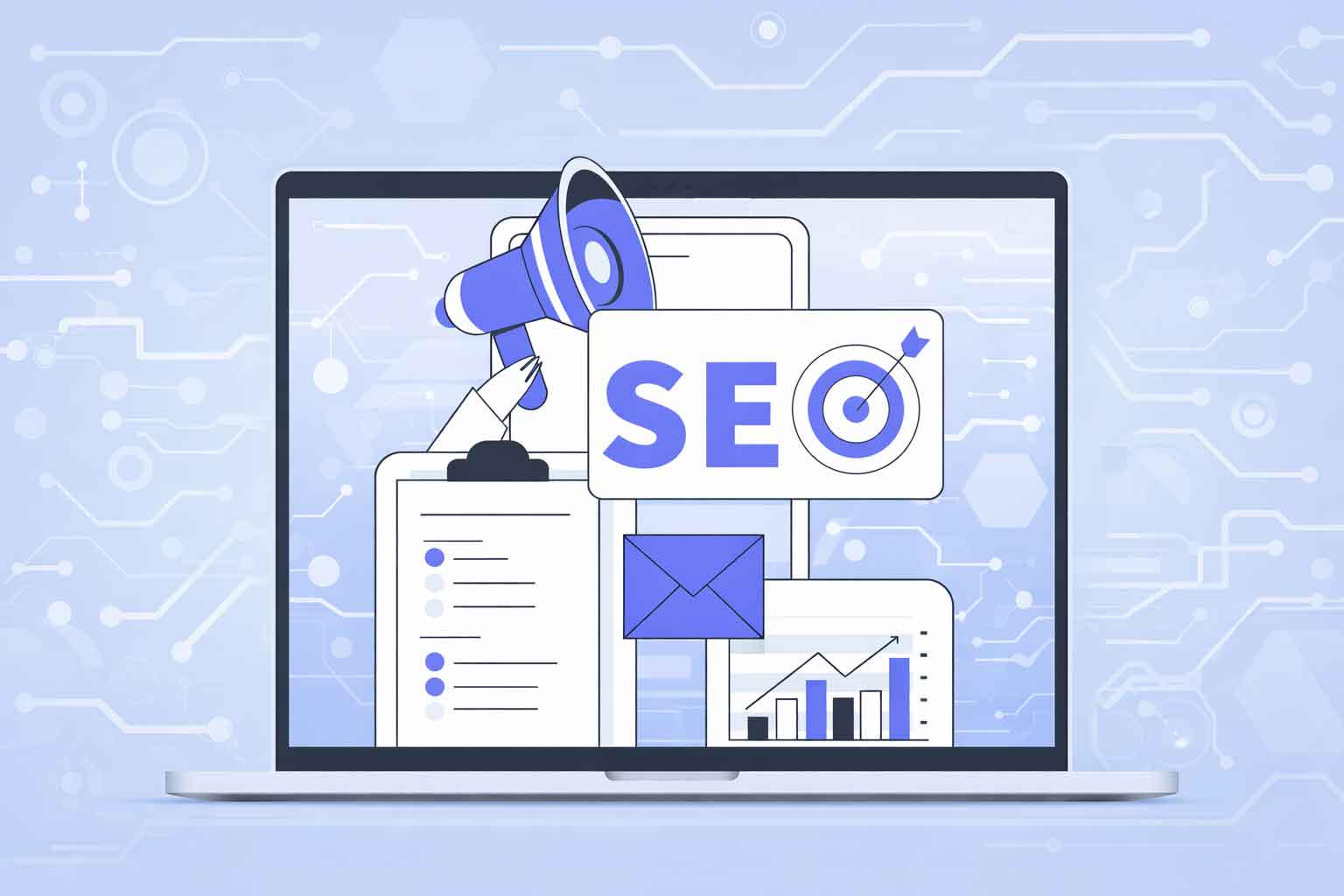
Illustration showing a website displayed on a computer screen with SEO elements like charts, content blocks, and targeting icons, explaining the question “Does Web Design Include SEO?” and how design and search optimization work together.

Does Web Design Include SEO?

Does web design include SEO? Not exactly, but the two work closely together. Web design focuses on structure, usability, and experience, while SEO focuses on visibility and how people find your site. A successful website needs both working together to reach its full potential and support long-term business growth.

Read More »
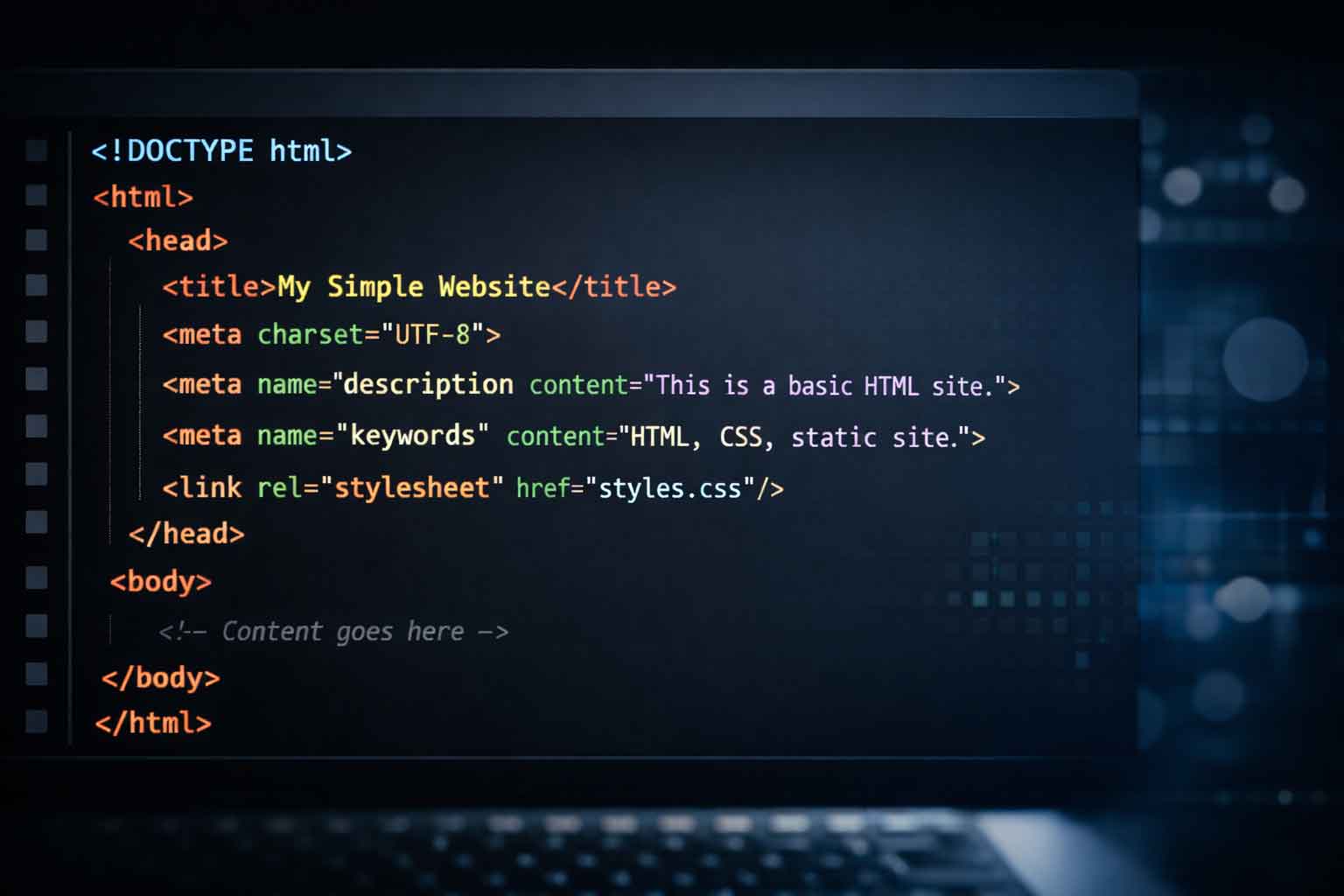
Simple HTML code for a website. Just cause it's a simple HTML site doesn't mean it can't be hacked.

Can a Static HTML Site Get Hacked?

Can a static HTML site get hacked? Many people assume simple websites are immune to security risks, but that is not how website security actually works. Hosting, access controls, and ongoing management play a much larger role than file type. This article explains why static sites are still vulnerable and how properly managed WordPress sites can be just as secure.

Read More »
A web browsers address bar showing the domain name.

Should your domain name move when your site does?

When businesses move from Wix or Squarespace to WordPress, the focus is usually on design and content. One critical detail often gets missed: the domain name. Leaving a domain with an old platform can create unnecessary complications later. Understanding where your domain lives and when to move it can save time, frustration, and future technical headaches.

Read More »
A computer screen with security icons

Can my WordPress site be hacked?

Can my WordPress site be hacked? Yes, it can, just like any other website. The real difference comes down to how security is managed. In this article, we explain why WordPress is safe when set up correctly, what security risks actually exist, and how Full Scope Creative removes the headaches by managing hosting, security, and backups for you.

Read More »
Using Google Analytics

Google Isn’t Just a Search Engine, It’s a Measurement Tool

Google is more than a place people search. Behind every query and click, it provides insight into how customers find your business and what they do next. Tools like Google Analytics, Google Search Console, and Google Business Profile help reveal visibility, behavior, and performance so businesses can make clearer decisions instead of guessing.

Read More »

Are There More Search Engines Than Just Google?

“Google it” has become shorthand for searching the internet, but Google isn’t the only search engine out there. From Bing and Yahoo to privacy-focused options like DuckDuckGo, there are real alternatives people use every day. This article breaks down the strengths, weaknesses, and why Google still dominates how businesses think about SEO.

Read More »
Confused user on a computer

Makes It Easy for Clients to Take the Next Step

A good website removes friction and makes it easy for visitors to take the next step. When users know where they are, what’s available, and what happens next, they act with confidence. Clear service pages, helpful FAQs, and simple calls to action show respect for a visitor’s time and attention.

Read More »
DNS servers around the globe

What to Expect During DNS Propagation

DNS propagation can be one of the most confusing parts of updating a website or email system. During this window, websites and email can appear slow, broken, or inconsistent. This behavior is normal and temporary. Knowing what to expect during DNS propagation helps reduce stress and prevents unnecessary panic while the update works its way through servers worldwide.

Read More »

Is Your Website Causing Customers to Bounce?

Visitors decide whether to stay on your website in seconds. When a site feels confusing, cluttered, or hard to use, people leave without clicking, reading, or reaching out. A high bounce rate is rarely about pricing or competition. It’s usually caused by unclear structure, poor mobile experiences, and pages that make users work too hard.

Read More »
Ready to discover how we can help make your website and marketing more successful?
Contact Us
I’ve had many websites built in the past by other companies and did a few myself. Full Scope Creative uses a software that makes Word Press easy to use. I’ve managed 5 websites in the past. The one Full Scope Creative for us is by far the easiest.
~ Corey Irish,
Red Wagon Farms