Understanding Website Metadata

Metadata might sound like outdated tech jargon, but it’s still one of the most effective ways to boost your website’s visibility in search results. Learn why page titles and meta descriptions matter, how to use them to improve SEO, and why including your target keywords can make all the difference when it comes to standing out online.

Why Titles and Descriptions Still Matter

One of the main goals for any website is to make it stand out in search results on Google and leading search engines. One of the easiest, and most effective ways to do this is through the website’s metadata, specifically, the title and description of each page. These metadata fields might sound like old-school internet lingo or technical jargon, but don’t mistake their importance to the website and its marketing abilities. These metadata tags play an important role in how users and search engines understand your site, and even whether they click through to your site or keep scrolling.

What Is Metadata, Exactly?

Metadata is information about your website’s content (and your business) that isn’t entirely visible on the page itself, but rather there to help describe what is on that page. Arguably the two most important pieces of metadata for any website are:

Title Tag – This is the clickable blue headline that users will see in search engine results. It’s also what shows up in the browser tab when someone is on your site.

Meta Description – This is the short paragraph or write up, ideally around 150–160 characters, that is listed just under the title (clickable link) in search results. This provides a quick summary of the individual website page’s content.

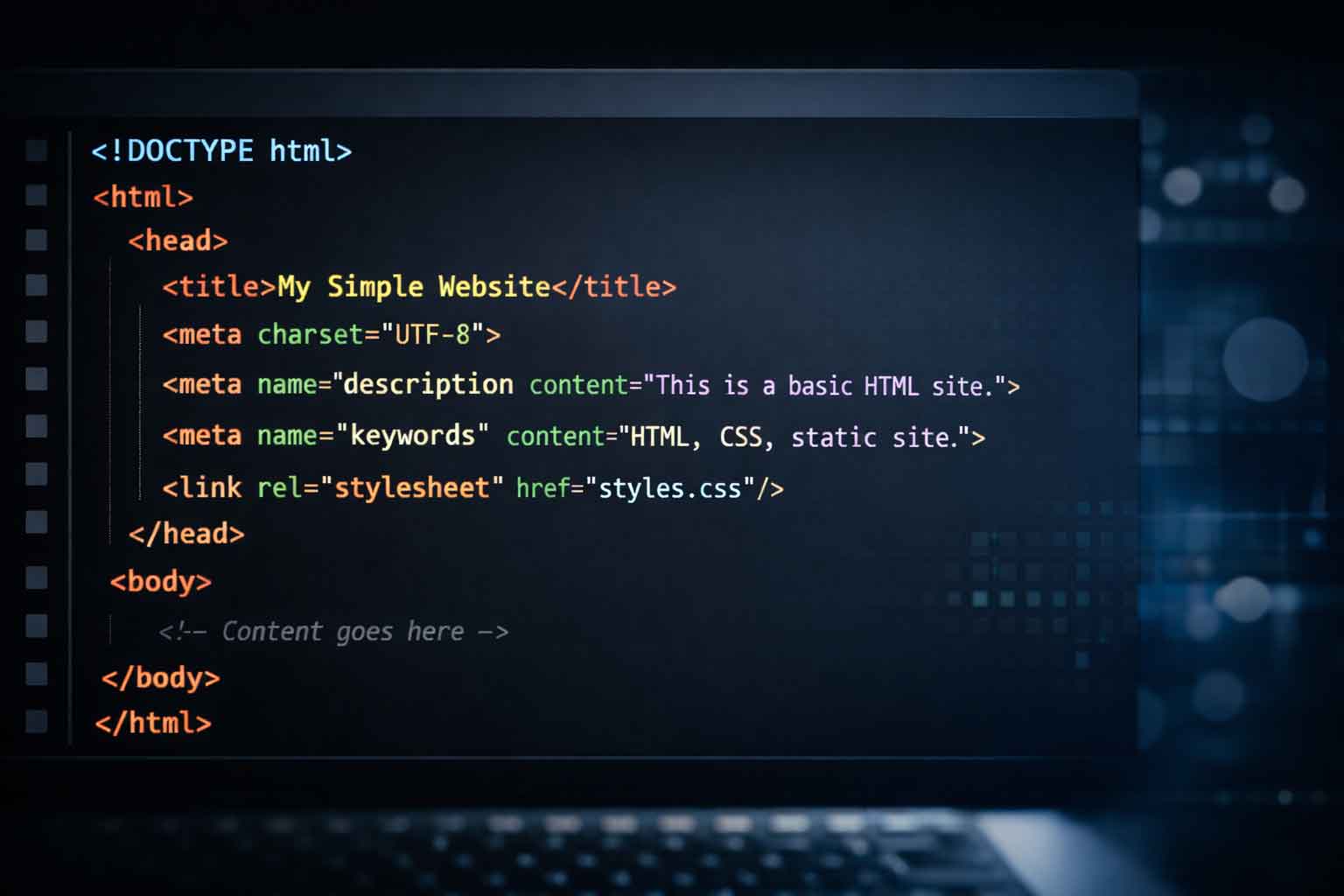
Both are added behind the scenes of your website in HTML code and are looked at by search engines like Google to help display and rank your pages in search results. On WordPress sites, you can easily set both the Title and Description meta tags using the Yoast plugin for SEO. 

Why Metadata Still Matters

The term “metadata” might sound a little too techy or even outdated. However,  its function and need is far from obsolete. Think of it like a book’s title on the spine of the book and paragraph on the back describing what the book is about. You could have the most incredible content inside, but if the title doesn’t catch attention and the description doesn’t sell the value, readers (or in this case, searchers) might never give it a second glance.

Not only does metadata influence how your page appears in search engine results, but it can also affect how often people choose to click through to your site. A clear, keyword-rich title paired with a compelling, informative description can boost your site’s visibility and click-through rate significantly.

The SEO Impact

It can never be said enough: Use Your Keywords Wisely. 

One of the best SEO moves you can make when writing the metadata title and description is to include your main target keyword. Ideally that main target keyword should be toward the beginning of your title and naturally within the description.

  • Search engines look for relevance. Keywords in your metadata help Google understand what your page is about and decide where it should rank in results.
  • Users scan for relevance. When someone searches for something and sees those exact words or phrases bolded in your listing, they’re more likely to click.

As much as we want these metadata tags to be perfect and SEO focus, be absolutely sure to never “stuff” keywords or make your metadata sound robotic. The goal is to balance clarity and optimization with natural, human-friendly language.

Small Tags, Big Impact

Rest assured, you don’t need a degree in coding or years of being an expert Search Engine Marketing Co to use the metadata title and description effectively. With WordPress and Yoast, adding both to a page is easy. Be sure to take the time to set both the title and description. The 60-character title and 160-character description do a lot to increase your website’s visibility and success. Spending a few moments writing great content for each can go a long way in helping your ideal clients find you online and convincing them to click the link.
Ready to discover how we can help make your website and marketing more successful?
Contact Us

Marketing Made Simple

Insights from Full Scope Creative

Our thoughts on website design, graphic design, marketing, SEO, website hosting, branding, business management, and more here in the Full Scope Creative blog!

Insights, Tips, and Strategies for Small Business Success

Our blog is packed with expert advice on website design, SEO, marketing, branding, and more. Whether you’re looking to improve your website’s performance, boost your online presence, or streamline your business’s digital strategy, you’ll find valuable insights and actionable tips right here.

DNS servers around the globe

What to Expect During DNS Propagation

DNS propagation can be one of the most confusing parts of updating a website or email system. During this window, websites and email can appear slow, broken, or inconsistent. This behavior is normal and temporary. Knowing what to expect during DNS propagation helps reduce stress and prevents unnecessary panic while the update works its way through servers worldwide.

Read More »

Is Your Website Causing Customers to Bounce?

Visitors decide whether to stay on your website in seconds. When a site feels confusing, cluttered, or hard to use, people leave without clicking, reading, or reaching out. A high bounce rate is rarely about pricing or competition. It’s usually caused by unclear structure, poor mobile experiences, and pages that make users work too hard.

Read More »
Improving a webpage for better SEO

How to Improve SEO Rankings for Service Pages

Service pages don’t rank the same way blog posts do. Improving their SEO takes more than keywords and backlinks. It requires clear focus, stronger structure, trust signals, and supporting content that works together. This article breaks down practical, page-level improvements you can make to help your service pages perform better in search results.

Read More »

2025 Blog Recap: What We Shared This Year at Full Scope Creative

In 2025, we shared a lot on the Full Scope Creative blog. Those posts came from real questions, real projects, and real conversations with small business owners. This recap looks back at what we covered, why those topics mattered, and how steady, practical education continues to shape how we support our clients.

Read More »

Do I Need Hosting If I Use WordPress?

If you use WordPress, you still need website hosting. WordPress is the tool that manages your content, while hosting is what makes your site accessible online. Without hosting, your website has nowhere to live. This article explains how WordPress and hosting work together and why many businesses choose managed hosting with Full Scope Creative.

Read More »

What Is a Mockup in Graphic Design?

A mockup in graphic design is more than a preview. It is a critical step where designers test how a design works in real-world situations like websites, signage, and print materials. This process helps uncover issues early and explains why professional graphic design involves far more than just making things look good.

Read More »

Easy Ways to Improve Your Site

Small website changes can make a big difference. You do not need a full redesign to improve readability and usability. Adjusting line height, adding white space, using clearer headings, and breaking up long paragraphs can make your site easier to read and easier to use. These simple improvements help visitors feel more comfortable and confident on your site.

Read More »

Blog Comments

Blog comments sound great in theory, but in reality they create more risk than reward. On most WordPress sites, open comments invite spam, add security concerns, and require ongoing moderation. That is why we turn blog comments off by default. It saves time, protects the site, and avoids unnecessary headaches for business owners.

Read More »
Ready to discover how we can help make your website and marketing more successful?
Contact Us

Full Scope Creative (specifically working with Chris Robinson) has been super responsive to our needs within Intentional Mentoring. Chris helped get us situated on a website that fit our budget and our experience in managing a website. When we were looking to redesign the website, he worked with us to make sure it fit the vibe we wanted for our organization, held the terminology and access points we were looking for, and allowed us to speak with him frequently about suggestions and updates. Whenever we had new people join us that needed to learn the website, Chris was able to work with them virtually to learn and understand the process of managing our side. Throughout our time working with Full Scope Creative, we have appreciated the consistency, timeliness, and product we have been given. Additionally, we appreciate the direct connection we get in response to questions and concerns.

~ Katie-Mae Imhoff-Smith,
Intentional Mentoring Madison