Turn Client Confusion Into Clear Content and Real Authority
As a small business owner, you probably hear this a lot: “I have no idea what that is.”
Most people think that is a problem. It is not. It is an opportunity.
Every time someone says that to you, they just gave you your next blog topic. If you learn to pay attention to those moments, you will never run out of things to write about. You will also build trust and show that you are the expert in your field.
The Question Is the Blog Topic
I see this all the time in website design and marketing.
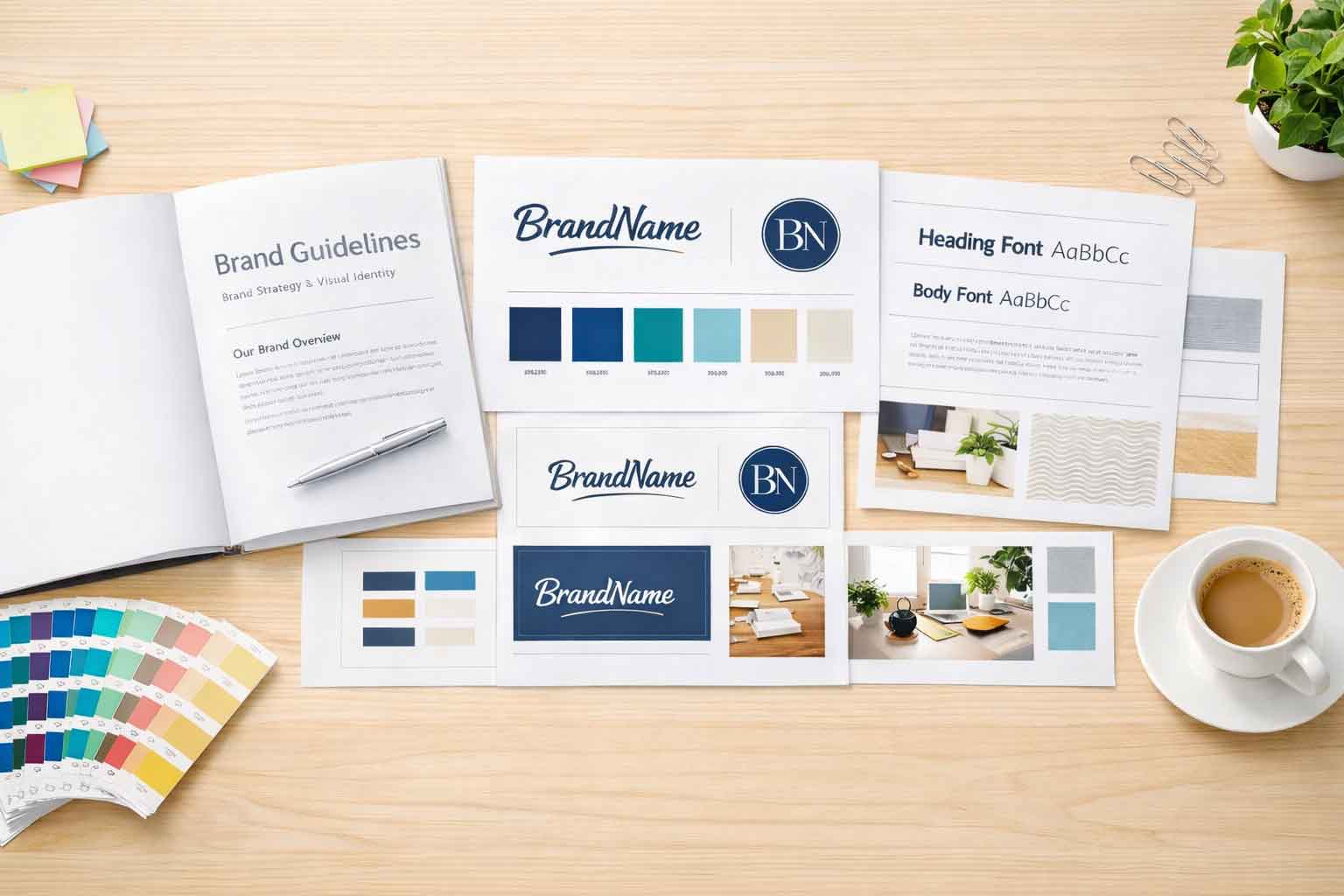
A client once asked, “What does propagation mean?” That led to an article about DNS propagation. Another asked, “What is a brand design?” That became a full blog post explaining what brand design really is. Someone else asked if we could host a website built on Wix. That led to a post about closed website design platforms.
Each one started with confusion.
If someone does not understand a word, that word can be your blog title.
If someone asks a full question, that question can be your blog title.
You do not need to search for fancy ideas. Your clients are already giving them to you.
You Will Have to Explain It Again Anyway
Here is the truth.
If one client asks the question, more will ask it later.
You can explain it over and over in emails. Or you can explain it once in a blog and use it again and again.
When I wrote about DNS propagation, it was because people were nervous when their website was moving. They thought something was broken. They did not understand why it took time.
So I wrote it in simple terms.
Now when someone asks about it, I still answer their question in the email. Then I say, “If you want to read more about this, I wrote a short article that explains it in more detail.”
That article now works for us every month.
This Is How You Prove You Are the Expert
Every business owner wants to be seen as the expert.
You do not become the expert by saying, “Trust me.”
You become the expert by teaching clearly.
When someone asks what a brand design is and you have a full article explaining it, you look prepared. When someone asks about hosting a Wix site and you already have an article explaining closed platforms, you look experienced.
Your blog becomes proof of your knowledge.
It shows that you have thought through these topics. It shows that you care enough to explain things in simple terms. It shows that you want your clients to understand what they are buying.
That builds confidence.
Do Not Just Send the Link
This part matters. Do not reply with just a URL. Do not send a link with no context.
Still write the email. Still explain the answer in your own words.
Then say something like, “If you would like to read more about this, here is a short article that explains it in more detail.”
The blog becomes extra help. It does not replace you.
This makes you look helpful and thoughtful, not lazy.
A Simple System You Can Follow
You do not need a complex plan.
Here is a simple system:
Step one. Pay attention to the words people do not understand.
Step two. Write those words down.
Step three. Use that word or question as the title of your blog.
Step four. Explain it like you are talking to one client.
Keep it simple. Keep it clear.
You are not trying to impress anyone with big words. You are trying to help.
Your Clients Are Writing Your Content Plan
Small business owners often tell me, “I do not know what to blog about.”
Your clients are already telling you.
Every time someone says, “What does that mean?”
Every time someone says, “I have never heard of that.”
Every time someone looks confused.
That is content.
When you stack up 10, 20, or 50 of these simple articles, your website changes. It stops being a basic brochure. It becomes a resource. It becomes a place people go for answers.
That is how you stand out in a crowded market.
Start With the Last Question You Heard
Think about the last time someone said, “I have no idea what that is.”
That is your next blog.
Write it. Post it. Share it.
If you are not sure what to write about, start with the last question someone asked you.