The Top 5 Places to Optimize Your Keywords for Maximum SEO Impact
Building a beautiful website is just the beginning of a business’s journey to online success. The second step, and a forever ongoing step, is search engine optimization. When optimizing a specific webpage for search engines, there are several key areas and places that the keywords should be used. Having the keyword for the web page in these key areas can greatly improve the page’s visibility in search results. There are many things that go into a full SEO campaign, but a starting point is using the keyword for a page in 5 key places.
Heading 1
The Heading 1 (H1) is the largest line of text on a webpage and each page should have one and only one H1. The H1 serves as the main heading on your page. It should clearly define the topic of the page, and should be the main keyword. Having the H1 being the main keyword for the page is essential for both SEO and user experience. The H1 tag with the main keyword is a foundational element that sets the stage for the rest of the page’s content.
For search engine crawlers, it gives a crystal clear indication that the text in the H1 is the main purpose or point of the page. Search engines are then more inclined to rank the given page for that keyword. When search engines first see the keyword in an H1, it is a signal to them that the text in that H1 is what the page wants to rank for. Having the keyword in the H1, while maybe the most important step, won’t secure a high ranking alone.
First Paragraph
The first paragraph of content on a web page should provide a little more explanation on the topic of the web page. Including your main keyword in this first paragraph is important, as it will reinforce the importance of that line of text to search engines. When a search engine sees that line of text in an H1 and again in the first paragraph, their cyber-ears will perk up to that phrasing.
A keyword is easy to fit into a heading, such as an H1, but fitting it into a paragraph can be a bit tricky. Sometimes you’ll need to get creative with how a sentence structure works so that you can include the keyword, but not sound robotic or forced. When I can’t find the right phrasing, I will often turn to Chat GPT to ask for a few ideas on how the keyword could be included.
The important thing to remember is that the keyword in the H1 and the keyword in the first paragraph should be identical. The sentence that the keyword is in doesn’t have to read as if it belongs in a New York Times Best Seller, but ideally not too forced either.
First Heading 2
The first Heading 2 (H2) is another key part of the webpage content’s structure. The H2 typically leads into secondary topics or new sections. Placing your main keyword is again helpful with queuing into search engines that the text is your main keyword for the page. In this first H2, I will sometimes use a slight variation of the keyword. If the keyword is “4K Flat Screen TVs” then the variation could be “Flat Screen 4K TVs.” Both are the same words, but ordered slightly differently.
A well written and placed H2 can help guide users through your page. The first H2 can serve as a reminder of exactly what the page is, and the variation can even make it stand out a bit more. Visually speaking, the H2 is slightly smaller font size than the H2, but still larger than any other line of text on the page. This again can help to signal to users that they are on the correct (or incorrect page). And all this is done will further convince search engines as to what the main keyword is for the web page.
Page Title
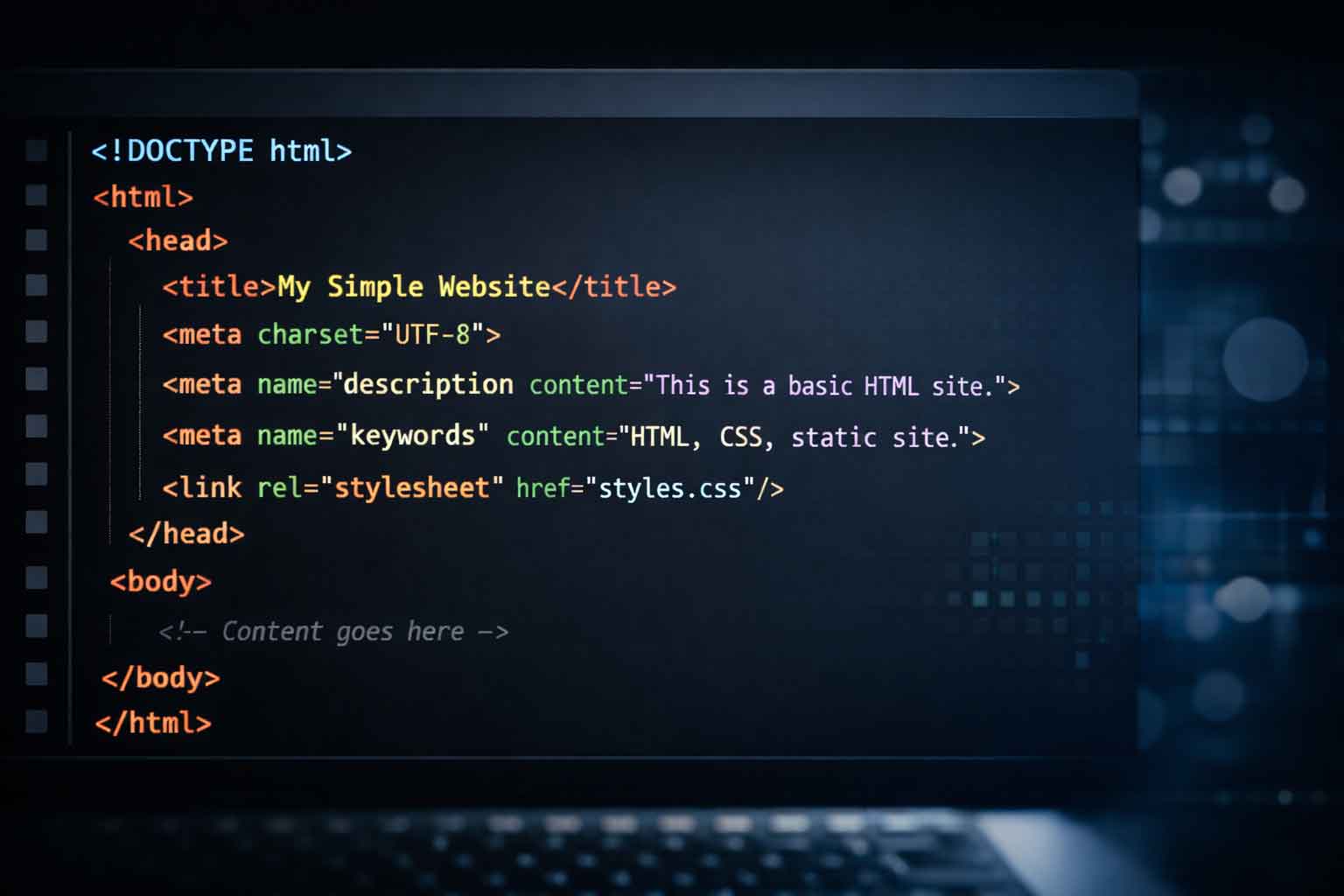
There once was a time that the page title was the number one single most important spot to place a keyword. While it’s importance isn’t quite as high as it once was, the Page Title is still an important element for search engine marketing. The page title is the line of text, or link, that users lick on in search engines to get to your website. The page title also appears in the tab at the top of most browsers.
Even though not as important as it once was, it is still important to include your keyword in a page title. This is another great opportunity to tell search engines and users what your page and offerings are all about. Inside the page title is a spot where I recommend using the exact keyword, not a variation.
Meta Description
The meta description is a brief overview of your page’s content. The meta description is the descriptive text that appears under the page title link in the search results. The meta description is not a direct ranking factor for leading search engines, but it does pla a important role in click-through rates (CTR). The CTR of a web page can influence overall SEO performance. Crafting a compelling Meta Description with the keyword also helps set user expectations before they even click on your link.
Having the main keyword in the meta description can again help communicate to search engines what the actual keyword is. Since there is a great impact on CTR with the meta description, this is another place I will often use keyword variations. Again, the variation shouldn’t be too far changed from the main keyword, but can be changed to be made more easily read in a sentence.
Building Out the Rest of the Page
After optimizing these 5 key areas, you should continue to use the keyword in the remainder of the content. Be sure to avoid one of the easiest pitfalls of SEO – keyword stuffing. If your site is guilty of keyword stuffing, your SEO rankings will quickly and dramatically start to fall. Keyword stuffing occurs whenever you look to use the keyword in every sentence and heading.
Your goal should be to aim for a balanced approach, prioritizing providing good quality content that is easy to read and relevant to users. If you’re looking to use a keyword outside of the 5 areas listed in this article and it just feels a little forced, you probably shouldn’t use the keyword in that spot. There will be some paragraphs and headings that will not speak to your main keyword at all.
SEO and Design
The page title and page description are not part of the visual design of the website. The H1, first paragraph, and first H2 are very much part of the overall design. Those three elements should be very near the top of the web page, ideally within the first 5 elements, if not the first 3 all in a row.
This is why it is important to consider SEO when designing a web page and website layout. If the design calls for images or videos or buttons to be placed before the first H2 or first paragraph, search engines might not be as inclined to pick up on the keyword.
Build a Foundation for SEO success
You can build a strong foundation for your SEO success by focusing on the H1, first paragraph, first H2, page title, and page description. These 5 can help to ensure that your content is not just organized but that search engines will pick up on what your main keywords are. With careful keyword placement, your page is more likely to rank better, attract more visitors, and help reach your website’s full potential.