Too Many Plugins is a Bad Idea

Plugins are a critical part of WordPress's flexibility and functionality. With over 60,000 plugins available, they make it possible to customize your site in virtually any way you can imagine. However, just because you can install a plugin doesn’t mean you should. In fact, having too many plugins on your WordPress site can lead to significant issues.

Do you really need that plugin?

Plugins are a critical part of WordPress’s flexibility and functionality. With over 60,000 plugins available, they make it possible to customize your site in virtually any way you can imagine. However, just because you can install a plugin doesn’t mean you should. In fact, having too many plugins on your WordPress site can lead to significant issues.

Slower Website Performance

Every plugin you install adds code that must be loaded whenever someone visits your site. More plugins mean more code, and this can significantly slow down your website’s loading speed. A slow site frustrates visitors and hurts your SEO rankings.

Example: Plugins like Elementor are fantastic for designing beautiful pages, but if you’re using additional plugins like an Elementor header/footer plugin, you’re duplicating functionality. Elementor already lets you build custom headers and footers, so the extra plugin is unnecessary and adds bloat.

Increased Security Risks

Each plugin represents a potential vulnerability. Poorly coded plugins or those not updated regularly can leave your site exposed to hackers. Installing multiple plugins, especially two plugins that perform similar functions, increases your attack surface.

Example: Some WordPress sites have two different security plugins running simultaneously. This is not only redundant but can create conflicts that weaken your security instead of enhancing it. Choose one robust security plugin and keep it up to date.

Plugin Conflicts

With each plugin comes its own set of scripts and functionalities. When multiple plugins try to perform similar or overlapping tasks, they can conflict with each other, leading to unexpected bugs, broken features, or even a complete site crash.

Example: There’s no need to have two contact form plugins installed, such as Contact Form 7 and WPForms. Stick to one and configure it to meet your needs.

Unnecessary Features and Redundancy

Many plugins offer features that can be achieved natively through WordPress or other plugins you’ve already installed. Using unnecessary plugins adds complexity and can confuse you or your team when managing the site.

Example: A favicon generator plugin might seem handy, but you can easily create a favicon using tools like Canva or Photoshop and upload it directly to your WordPress site. There’s no need to install a plugin for something so simple.

Increased Maintenance Work

Each plugin requires updates and maintenance. The more plugins you have, the more time you’ll spend managing updates, testing for compatibility issues, and troubleshooting problems. If you skip updates, you risk security vulnerabilities or functionality breaking.

Example: Staging plugins are great tools for testing site changes, but once you’re done using it, it’s best to deactivate or remove it until needed again. Leaving it active just adds to the workload unnecessarily.

Higher Risk of Site Crashes

With so many moving parts, a site with excessive plugins is more likely to encounter a crash or malfunction. This can lead to downtime, lost revenue, and frustrated visitors.

Example: Using multiple plugins for the same task (like two SEO plugins or duplicate caching plugins) can cause your site to behave unpredictably. Streamline your plugin choices to avoid these conflicts.

How to Manage Plugins Effectively

To keep your WordPress site running smoothly, follow these best practices for plugin management:

  • Audit Your Plugins Regularly: Go through your installed plugins periodically and remove any that are not actively being used.
  • Avoid Redundancy: Check if a plugin duplicates functionality already available in your theme, WordPress core, or another plugin.
  • Research Before Installing: Only install plugins from reputable developers with strong reviews and frequent updates.
  • Limit Plugins to Essentials: Stick to plugins that add significant value to your site and align with your goals.
  • Update Regularly: Keep all plugins updated to their latest versions to avoid vulnerabilities.

Don’t get bogged down with too many plugins

Plugins are powerful tools, but they should be used with caution. By limiting the number of plugins on your WordPress site and avoiding redundancies, you can keep your site secure, fast, and easy to maintain. At Full Scope Creative, we’ve seen too many WordPress sites bogged down by unnecessary plugins like duplicate security tools or unused staging plugins. Take a streamlined approach, and your site will thank you!

Ready to discover how we can help make your website and marketing more successful?
Contact Us

Marketing Made Simple

Insights from Full Scope Creative

Our thoughts on website design, graphic design, marketing, SEO, website hosting, branding, business management, and more here in the Full Scope Creative blog!

Insights, Tips, and Strategies for Small Business Success

Our blog is packed with expert advice on website design, SEO, marketing, branding, and more. Whether you’re looking to improve your website’s performance, boost your online presence, or streamline your business’s digital strategy, you’ll find valuable insights and actionable tips right here.

Do I need to redesign my website?

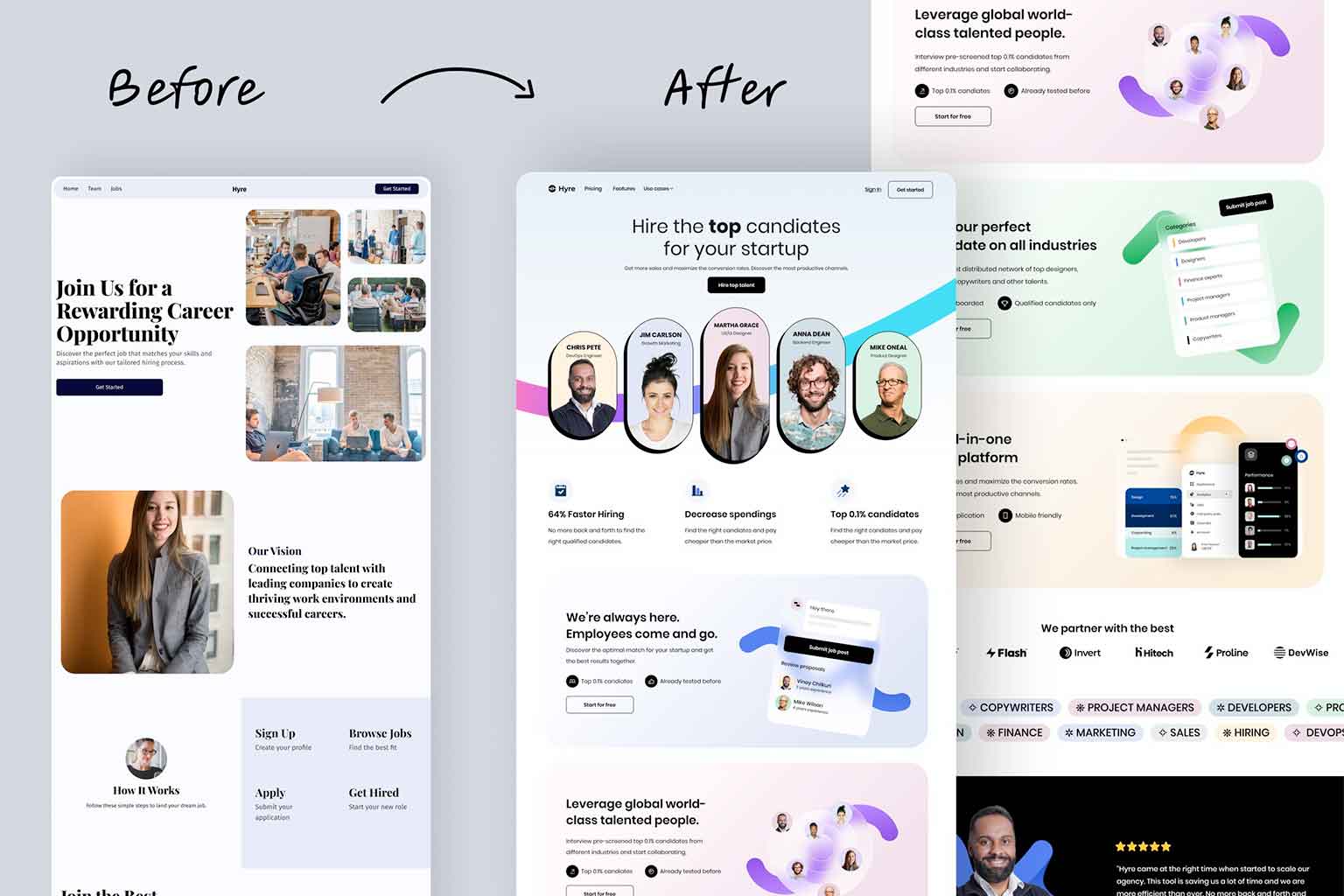
Do I need to redesign my website? It’s a question we hear all the time, and the answer is usually “maybe.” Some sites are outdated but workable. Others are held together with digital duct tape. This article walks through how to tell the difference and why starting with the “why” matters more than jumping into a redesign.

Read More »
Illustration showing a website displayed on a computer screen with SEO elements like charts, content blocks, and targeting icons, explaining the question “Does Web Design Include SEO?” and how design and search optimization work together.

Does Web Design Include SEO?

Does web design include SEO? Not exactly, but the two work closely together. Web design focuses on structure, usability, and experience, while SEO focuses on visibility and how people find your site. A successful website needs both working together to reach its full potential and support long-term business growth.

Read More »
Simple HTML code for a website. Just cause it's a simple HTML site doesn't mean it can't be hacked.

Can a Static HTML Site Get Hacked?

Can a static HTML site get hacked? Many people assume simple websites are immune to security risks, but that is not how website security actually works. Hosting, access controls, and ongoing management play a much larger role than file type. This article explains why static sites are still vulnerable and how properly managed WordPress sites can be just as secure.

Read More »
A web browsers address bar showing the domain name.

Should your domain name move when your site does?

When businesses move from Wix or Squarespace to WordPress, the focus is usually on design and content. One critical detail often gets missed: the domain name. Leaving a domain with an old platform can create unnecessary complications later. Understanding where your domain lives and when to move it can save time, frustration, and future technical headaches.

Read More »
A computer screen with security icons

Can my WordPress site be hacked?

Can my WordPress site be hacked? Yes, it can, just like any other website. The real difference comes down to how security is managed. In this article, we explain why WordPress is safe when set up correctly, what security risks actually exist, and how Full Scope Creative removes the headaches by managing hosting, security, and backups for you.

Read More »
Using Google Analytics

Google Isn’t Just a Search Engine, It’s a Measurement Tool

Google is more than a place people search. Behind every query and click, it provides insight into how customers find your business and what they do next. Tools like Google Analytics, Google Search Console, and Google Business Profile help reveal visibility, behavior, and performance so businesses can make clearer decisions instead of guessing.

Read More »

Are There More Search Engines Than Just Google?

“Google it” has become shorthand for searching the internet, but Google isn’t the only search engine out there. From Bing and Yahoo to privacy-focused options like DuckDuckGo, there are real alternatives people use every day. This article breaks down the strengths, weaknesses, and why Google still dominates how businesses think about SEO.

Read More »
Confused user on a computer

Makes It Easy for Clients to Take the Next Step

A good website removes friction and makes it easy for visitors to take the next step. When users know where they are, what’s available, and what happens next, they act with confidence. Clear service pages, helpful FAQs, and simple calls to action show respect for a visitor’s time and attention.

Read More »
DNS servers around the globe

What to Expect During DNS Propagation

DNS propagation can be one of the most confusing parts of updating a website or email system. During this window, websites and email can appear slow, broken, or inconsistent. This behavior is normal and temporary. Knowing what to expect during DNS propagation helps reduce stress and prevents unnecessary panic while the update works its way through servers worldwide.

Read More »
Ready to discover how we can help make your website and marketing more successful?
Contact Us
Full Scope helped us upgrade our outdated website into a much more user-friendly and attractive template that our staff now easily edit and update without any coding needed! They were knowledgeable and great to work with.
~ Anthony Novelli,
Greater New Bedford Regional Refuse Management District