Too Many Plugins is a Bad Idea

Plugins are a critical part of WordPress's flexibility and functionality. With over 60,000 plugins available, they make it possible to customize your site in virtually any way you can imagine. However, just because you can install a plugin doesn’t mean you should. In fact, having too many plugins on your WordPress site can lead to significant issues.

Do you really need that plugin?

Plugins are a critical part of WordPress’s flexibility and functionality. With over 60,000 plugins available, they make it possible to customize your site in virtually any way you can imagine. However, just because you can install a plugin doesn’t mean you should. In fact, having too many plugins on your WordPress site can lead to significant issues.

Slower Website Performance

Every plugin you install adds code that must be loaded whenever someone visits your site. More plugins mean more code, and this can significantly slow down your website’s loading speed. A slow site frustrates visitors and hurts your SEO rankings.

Example: Plugins like Elementor are fantastic for designing beautiful pages, but if you’re using additional plugins like an Elementor header/footer plugin, you’re duplicating functionality. Elementor already lets you build custom headers and footers, so the extra plugin is unnecessary and adds bloat.

Increased Security Risks

Each plugin represents a potential vulnerability. Poorly coded plugins or those not updated regularly can leave your site exposed to hackers. Installing multiple plugins, especially two plugins that perform similar functions, increases your attack surface.

Example: Some WordPress sites have two different security plugins running simultaneously. This is not only redundant but can create conflicts that weaken your security instead of enhancing it. Choose one robust security plugin and keep it up to date.

Plugin Conflicts

With each plugin comes its own set of scripts and functionalities. When multiple plugins try to perform similar or overlapping tasks, they can conflict with each other, leading to unexpected bugs, broken features, or even a complete site crash.

Example: There’s no need to have two contact form plugins installed, such as Contact Form 7 and WPForms. Stick to one and configure it to meet your needs.

Unnecessary Features and Redundancy

Many plugins offer features that can be achieved natively through WordPress or other plugins you’ve already installed. Using unnecessary plugins adds complexity and can confuse you or your team when managing the site.

Example: A favicon generator plugin might seem handy, but you can easily create a favicon using tools like Canva or Photoshop and upload it directly to your WordPress site. There’s no need to install a plugin for something so simple.

Increased Maintenance Work

Each plugin requires updates and maintenance. The more plugins you have, the more time you’ll spend managing updates, testing for compatibility issues, and troubleshooting problems. If you skip updates, you risk security vulnerabilities or functionality breaking.

Example: Staging plugins are great tools for testing site changes, but once you’re done using it, it’s best to deactivate or remove it until needed again. Leaving it active just adds to the workload unnecessarily.

Higher Risk of Site Crashes

With so many moving parts, a site with excessive plugins is more likely to encounter a crash or malfunction. This can lead to downtime, lost revenue, and frustrated visitors.

Example: Using multiple plugins for the same task (like two SEO plugins or duplicate caching plugins) can cause your site to behave unpredictably. Streamline your plugin choices to avoid these conflicts.

How to Manage Plugins Effectively

To keep your WordPress site running smoothly, follow these best practices for plugin management:

  • Audit Your Plugins Regularly: Go through your installed plugins periodically and remove any that are not actively being used.
  • Avoid Redundancy: Check if a plugin duplicates functionality already available in your theme, WordPress core, or another plugin.
  • Research Before Installing: Only install plugins from reputable developers with strong reviews and frequent updates.
  • Limit Plugins to Essentials: Stick to plugins that add significant value to your site and align with your goals.
  • Update Regularly: Keep all plugins updated to their latest versions to avoid vulnerabilities.

Don’t get bogged down with too many plugins

Plugins are powerful tools, but they should be used with caution. By limiting the number of plugins on your WordPress site and avoiding redundancies, you can keep your site secure, fast, and easy to maintain. At Full Scope Creative, we’ve seen too many WordPress sites bogged down by unnecessary plugins like duplicate security tools or unused staging plugins. Take a streamlined approach, and your site will thank you!

Ready to discover how we can help make your website and marketing more successful?
Contact Us

Marketing Made Simple

Insights from Full Scope Creative

Our thoughts on website design, graphic design, marketing, SEO, website hosting, branding, business management, and more here in the Full Scope Creative blog!

Insights, Tips, and Strategies for Small Business Success

Our blog is packed with expert advice on website design, SEO, marketing, branding, and more. Whether you’re looking to improve your website’s performance, boost your online presence, or streamline your business’s digital strategy, you’ll find valuable insights and actionable tips right here.

Hiking freely in nature. the joy of open, NOT closed website builders.

Closed Website Design Platforms

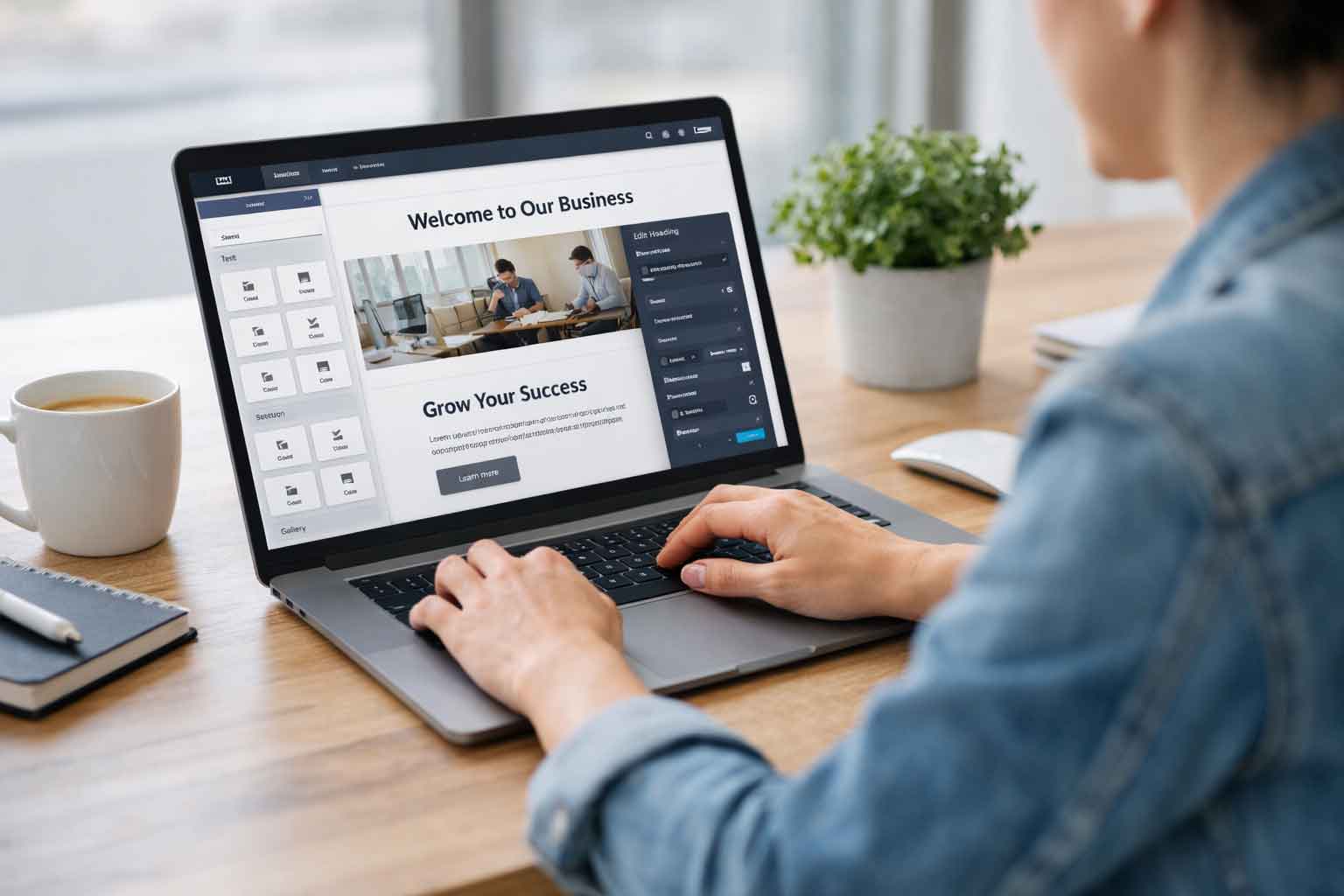
Closed website design platforms like Wix, Weebly, Squarespace, and GoDaddy Website Builder can be easy to start with. But they come with limits. You cannot move the site, change hosting freely, or fully customize the code. This article explains what a closed platform is and why many growing businesses choose WordPress instead.

Read More »
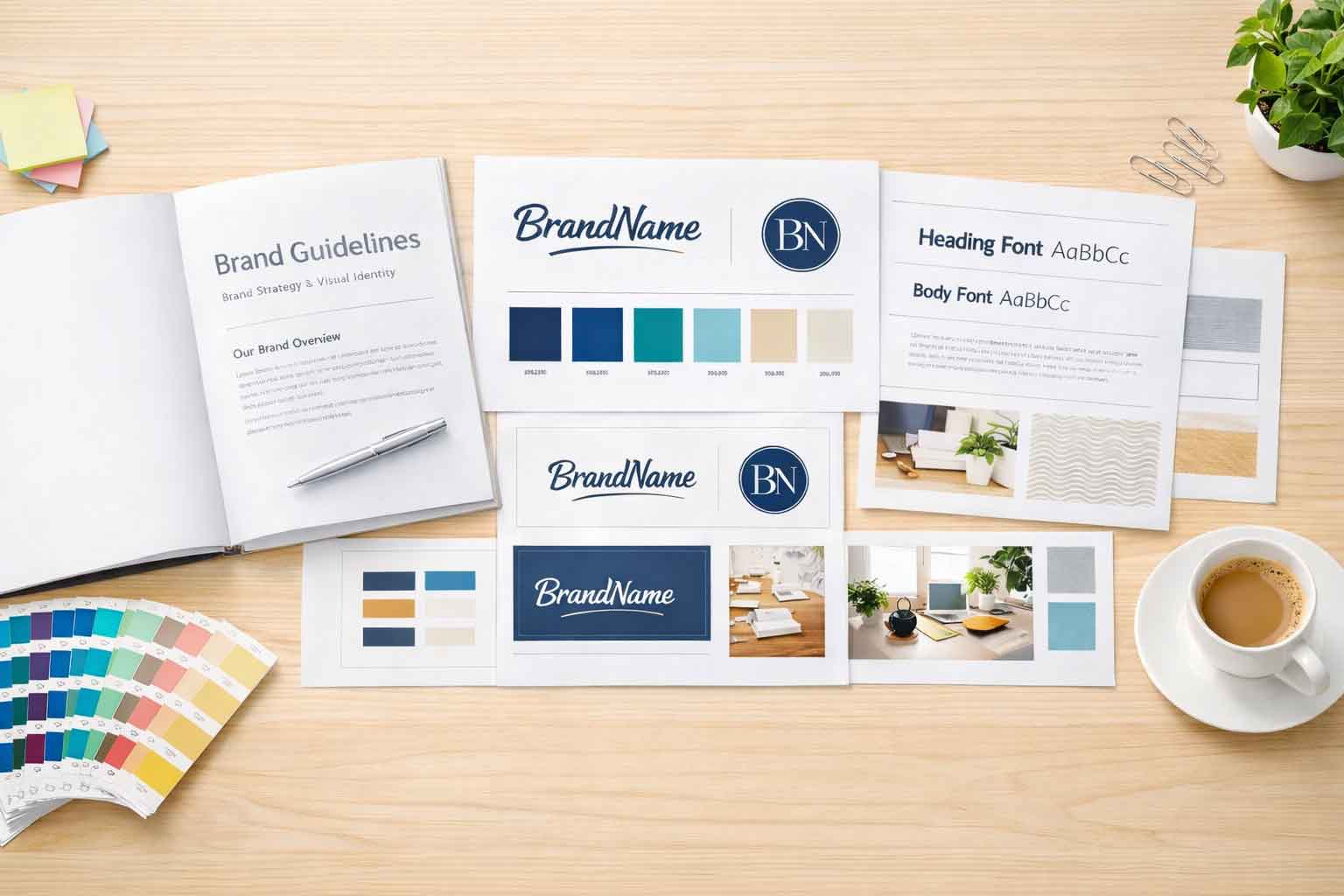
An example of a brand design guide

What is a Brand Design?

What is a brand design? It’s more than a logo. Brand design defines your colors, fonts, textures, and overall visual style so every part of your marketing looks consistent and professional. For small businesses, strong brand design creates clarity, improves websites, and makes future marketing easier and more effective.

Read More »

Which Website Builder Is Best for WordPress?

Trying to decide which website builder is best for WordPress? Divi, Beaver Builder, WP Bakery, and Elementor all offer different strengths. In this guide, we break down what each builder does well, where they fall short, and why Elementor is our top choice for small business websites at Full Scope Creative.

Read More »
ACF and Elementor are easy to use and can add so much to a site!

ACF and Elementor

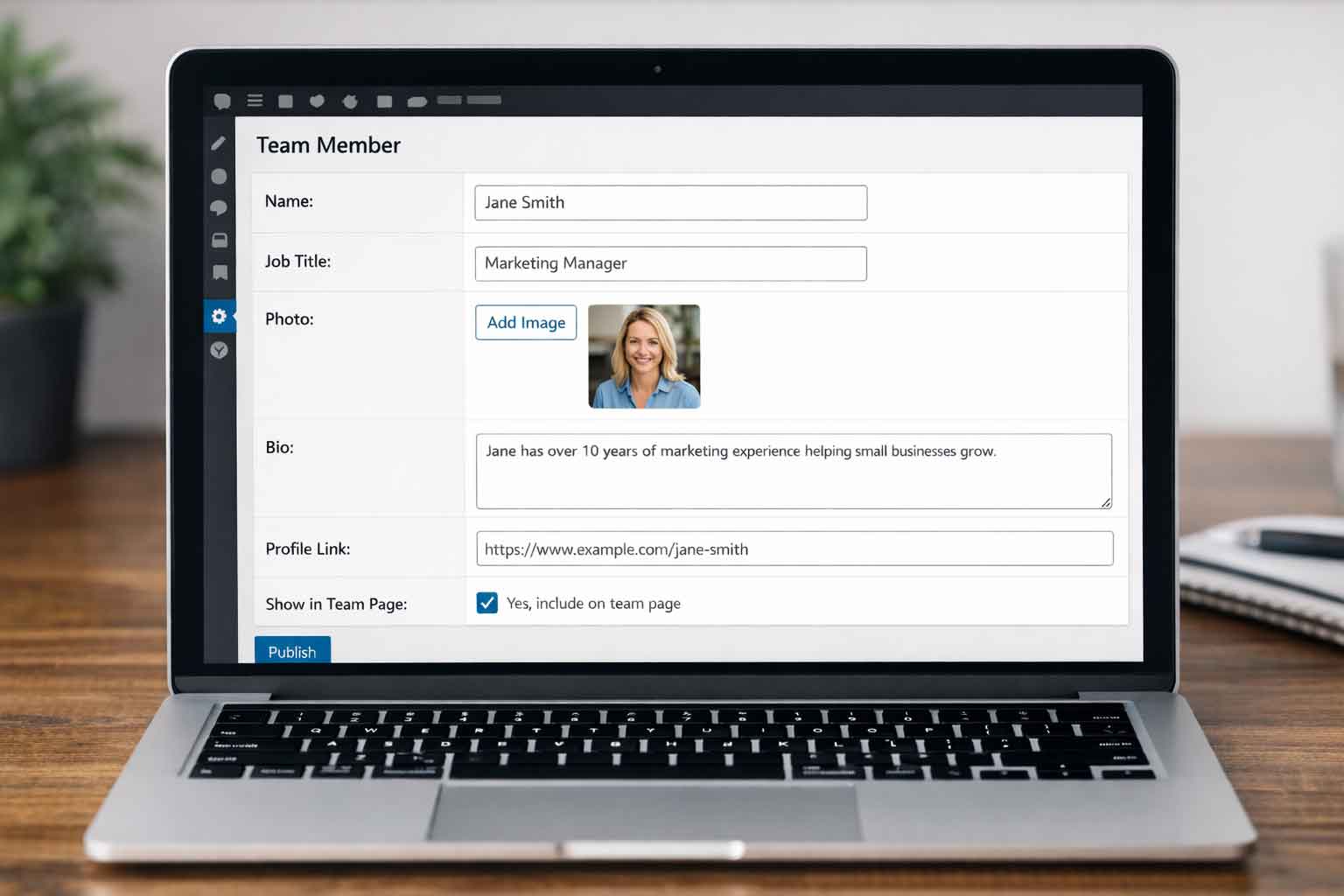
ACF and Elementor allow us to turn a basic WordPress site into a structured, easy-to-manage system. With custom fields, custom post types, and dynamic layouts, your content stays organized and simple to update. Full Scope Creative sets it all up so you can just fill out fields and publish with confidence.

Read More »
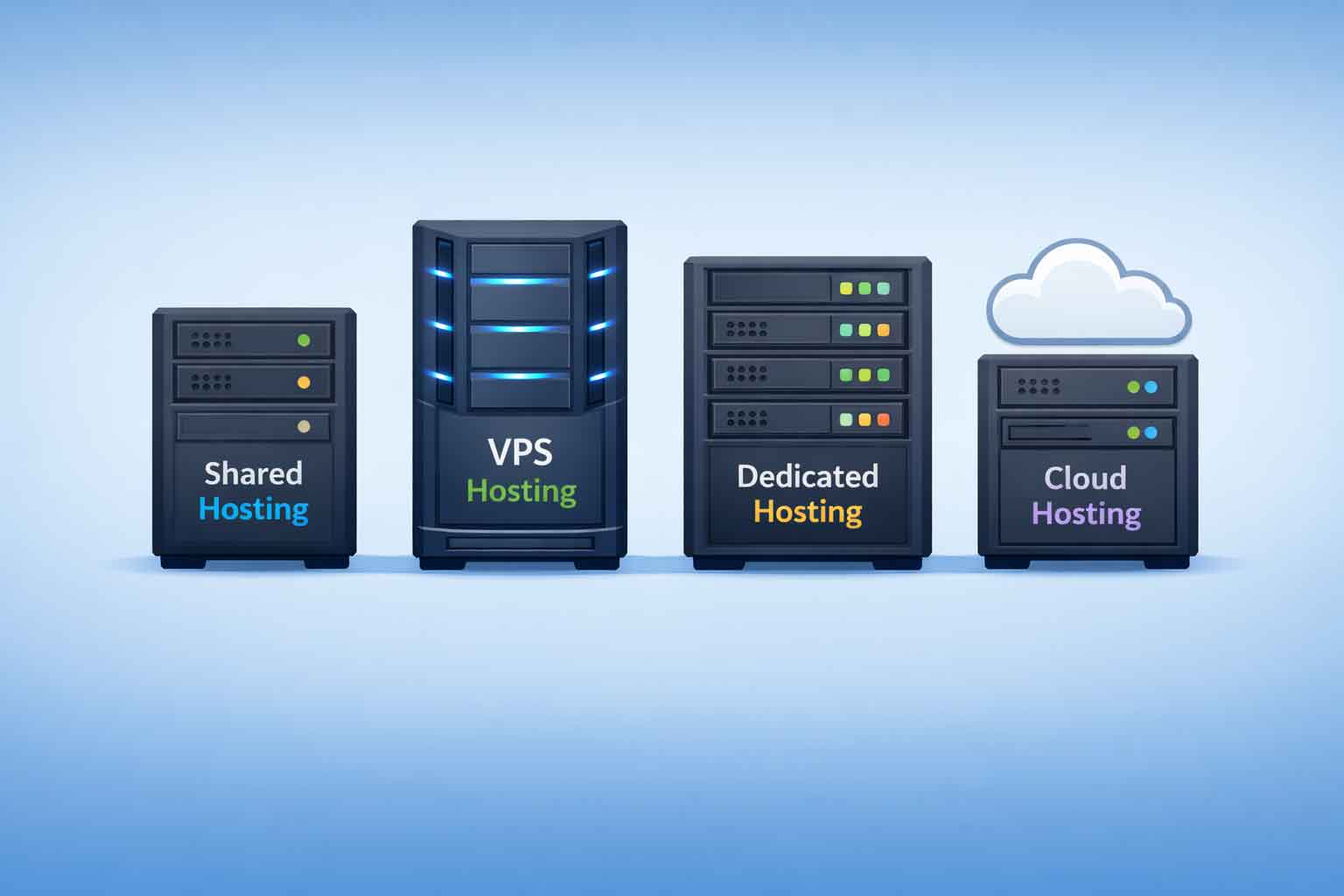
4 servers and the 4 different types of website hosting.

What Are the 4 Types of Hosting?

What are the 4 types of hosting? Shared, VPS, dedicated, and cloud hosting each offer different levels of cost, speed, security, and control. In this guide, we break them down in simple terms so small business owners can understand their options and choose a hosting setup that fits their needs and budget.

Read More »
business owner going over a checklist

Your Site Isn’t Ready for SEO If…

SEO can drive real growth for a small business. But if your website is slow, hard to use on mobile, thin on content, or not focused on the right keywords, you may be wasting money. Before investing in SEO, make sure your site is built and structured to support it the right way.

Read More »

List out all of your services

Many small businesses offer more services than their website lets on. When those services are hidden or scattered, potential customers never see the full picture. This blog explains why clearly listing every service matters, how to structure services pages, and how the right setup helps build trust and guide visitors toward the next step.

Read More »
a website with a good CTA button

Better Calls To Action On a Site

Clear calls to action help guide website visitors instead of leaving them guessing what to do next. Just like good signage in a new building, CTAs create clarity, reduce frustration, and lead users where they want and need to go. If your website feels confusing, stronger CTAs can make all the difference.

Read More »

Do I need to redesign my website?

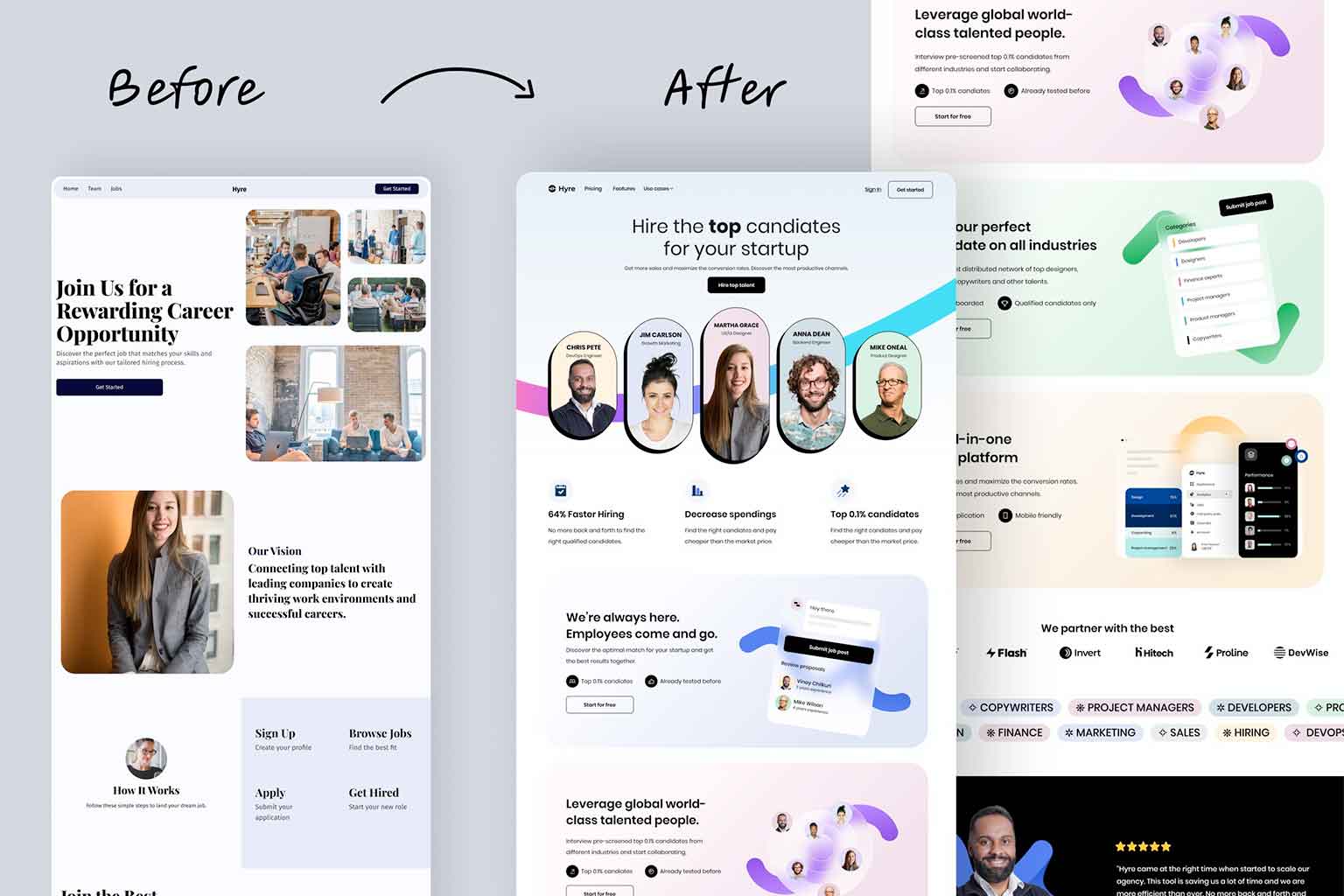
Do I need to redesign my website? It’s a question we hear all the time, and the answer is usually “maybe.” Some sites are outdated but workable. Others are held together with digital duct tape. This article walks through how to tell the difference and why starting with the “why” matters more than jumping into a redesign.

Read More »
Ready to discover how we can help make your website and marketing more successful?
Contact Us
An excellent business partner for us! Very professional, responsive, and easy to work with!
~ Chris Theobald,
Covenant Signs and Graphics