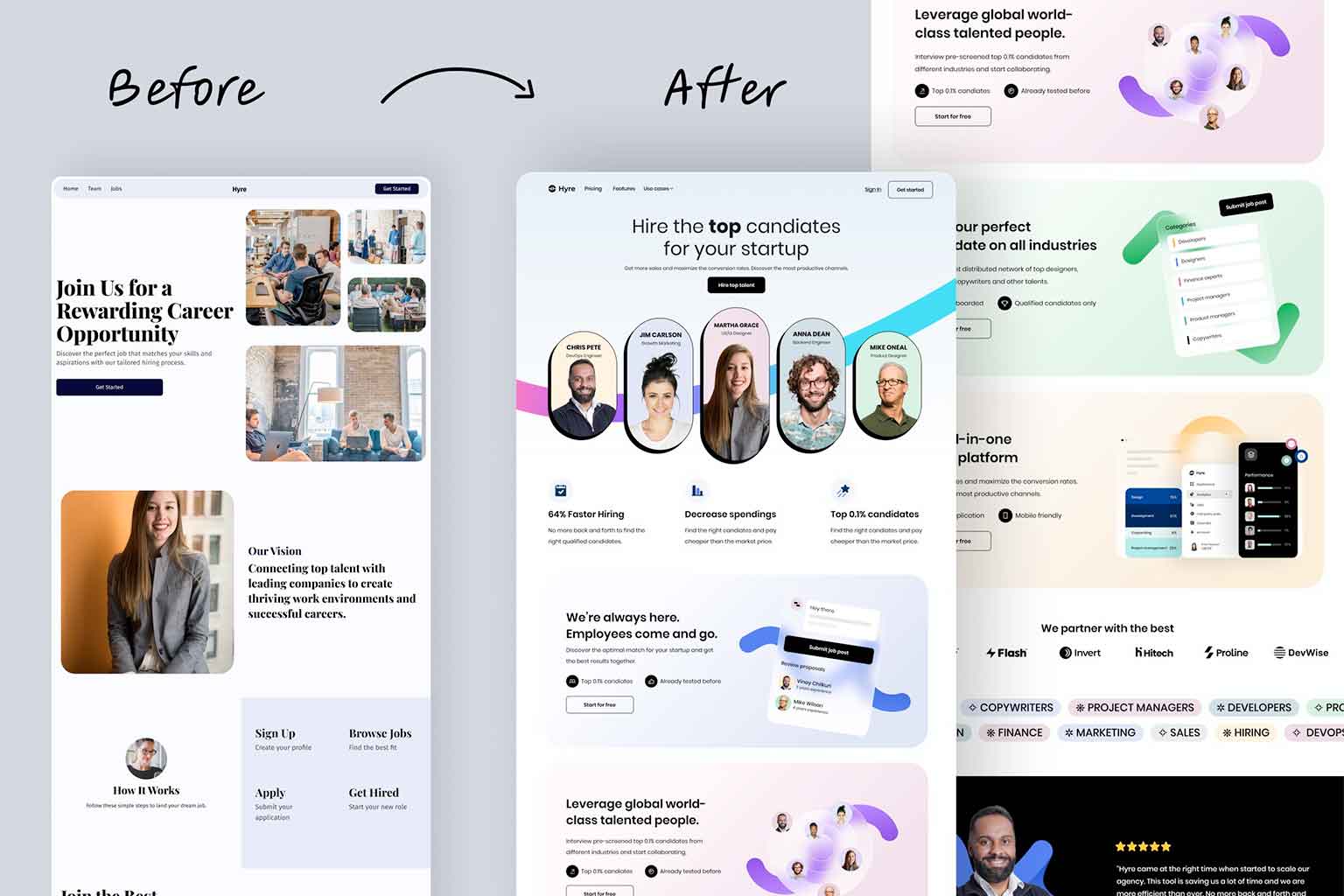
The cornerstone of effective web design
Visual content is the cornerstone of effective web design. It captures attention, conveys information quickly, and enhances the overall user experience. In today’s digital landscape, where the average user’s attention span is dwindling, the importance of integrating high-quality visuals into your website cannot be overstated. This article will explore why visual content is crucial, the different types of visual content you can use, and best practices for incorporating them into your digital marketing efforts.
The Importance of Visual Content
User Engagement
Visuals are compelling and engaging, making them a powerful tool for capturing and holding your audience’s attention. Research indicates that articles with images get 94% more total views than those without. Additionally, visuals can help break up text and make your content more digestible, encouraging users to spend more time on your site.
First Impressions
First impressions matter. When a visitor lands on your website, visuals play a critical role in forming their initial perception. A well-designed, visually appealing site can create a positive impression, making visitors more likely to trust your brand and engage with your content. According to Adobe, 38% of people will stop engaging with a website if the content/layout is unattractive.
Types of Visual Content
Images
High-quality images are essential for any website. They can be used to highlight products, tell a story, or simply make your content more appealing. Ensure that your images are relevant and high-resolution to maintain professionalism and credibility.
Videos
Video content is rapidly becoming one of the most important tools for online marketing. Videos can explain complex topics, demonstrate products, or share customer testimonials more effectively than text alone. A study by Wyzowl found that 84% of people say that they’ve been convinced to buy a product or service by watching a brand’s video.
Infographics
Infographics are a fantastic way to present data and complex information in a visually appealing and easy-to-understand format. They combine text and visuals to convey information quickly and clearly, making them highly shareable on social media.
Benefits of Visual Content in Web Design
Enhanced User Experience
Visual content enhances the user experience by making your website more interactive and engaging. It helps users navigate your site more easily and find the information they need. When users enjoy their experience, they are more likely to return and recommend your site to others.
Improved SEO
Visual content can significantly improve your SEO efforts. Search engines like Google prioritize websites with diverse content types, including images and videos. By optimizing your visuals with appropriate alt text, captions, and descriptions, you can increase your chances of ranking higher in search engine results pages (SERPs).
Higher Conversion Rates
Visual content can drive higher conversion rates by making your calls-to-action (CTAs) more compelling. Whether it’s an enticing product image or a persuasive video testimonial, visuals can motivate users to take action, be it making a purchase, signing up for a newsletter, or contacting your business.
Best Practices for Using Visual Content
Quality Over Quantity
It’s better to have a few high-quality images than to overload your site with numerous low-quality ones. High-resolution images not only look better but also convey a sense of professionalism and reliability.
Consistency
Maintaining a consistent visual style across your website is crucial. This includes using a uniform color scheme, typography, and image style. Consistency helps in reinforcing your brand identity and makes your site look more cohesive.
Optimization
Optimize your images and videos to ensure they do not slow down your site. Use appropriate file formats (e.g., JPEG for photos, PNG for graphics with transparency), compress files to reduce their size, and utilize lazy loading techniques to improve site performance without compromising on visual quality.
Tools and Resources
Design Tools
Tools like Canva, Adobe Creative Suite, and Piktochart can help you create stunning visuals without requiring advanced design skills. These tools offer templates and easy-to-use features that streamline the design process.
Stock Photo and Video Sites
Websites like Unsplash, Pexels, and Shutterstock provide high-quality stock images and videos that you can use to enhance your content. These resources offer a wide range of visuals that can fit any industry or topic.
Infographic Tools
Creating infographics is made easier with tools like Visme and Infogram. These platforms provide templates and design elements specifically for infographics, allowing you to present data and information visually.
Create a more compelling online experience
Visual content is a powerful component of web design that can significantly enhance user engagement, improve SEO, and drive higher conversion rates. By following best practices and utilizing the right tools, you can effectively integrate visuals into your website to create a more compelling and professional online presence. Whether you’re using images, videos, or infographics, the right visuals can transform your website and elevate your brand.