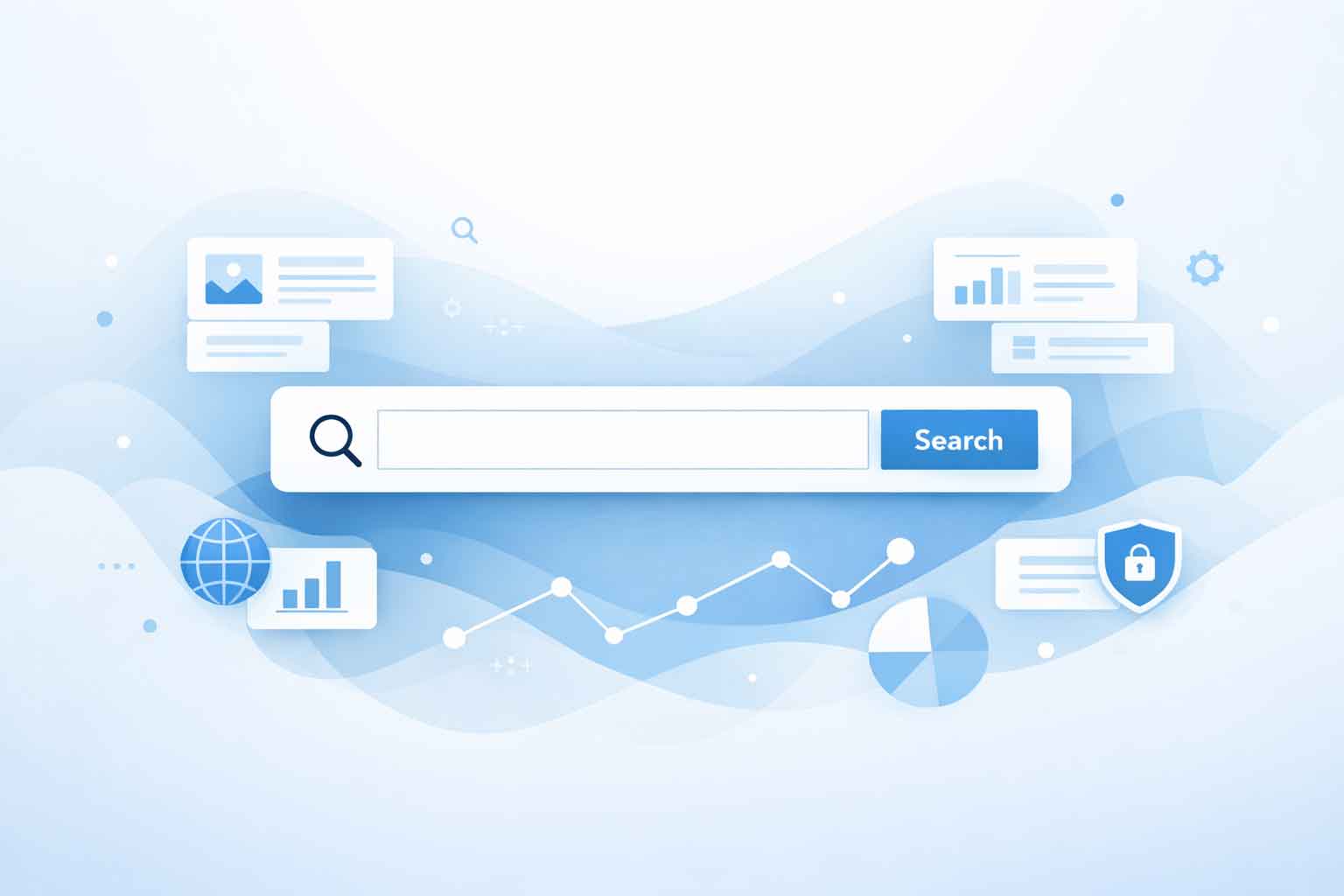
The Power of Icons (The Digital Kind)

Introducing Digital Iconography

Ah, the world of web design—an ever-evolving space where finding the right balance between uniqueness and user-friendliness is the real MVP. Today, let’s talk about a design rockstar that often doesn’t get its due credit: iconography. No need for fancy terms or techy talk; think of it as your website’s secret ingredient. So, grab a seat because we’re about to dive into how to strike that perfect balance–that sweet spot where your website turns heads, but visitors also feel like they’re walking down familiar territory. No need for a degree in rocket science; it’s all about making your site a place where people want to hang out, browse, and maybe even bookmark. Iconography is not just about pretty pictures, it’s about making your digital space an inviting corner of the internet. Ready to dig into the details of making your website both stylish and user-friendly? Let’s roll.

The Iconic Dilemma of Balance

Imagine you’ve got this cool website, right? And you’re sitting there, scratching your head, thinking, “How do I make it pop without turning it into a digital Rubik’s Cube?” Well, guess what? Icons are like the unsung heroes in the design world. But, let’s be real, it’s a bit of a tricky business. Are these little guys the trusty sidekicks of your website, smoothly guiding users through the online jungle? Or could they be secretly hatching a plan to lead them on a wild goose chase? It’s like trying to decide if icons are your site’s best buds or potential troublemakers. Let’s break it down and dig into the world of icons—whether they’re the guiding stars of your digital galaxy or the cheeky tricksters of the internet maze.

Uniqueness Without Frustration

Let’s cut to the chase, striking the right balance between making your website stand out and keeping it user-friendly is a bit of a puzzle. You want it to catch attention without leaving visitors scratching their heads. To do this, you will find that icons are key players in this mix. They function like essential components in a well-orchestrated symphony, where the standout design takes the lead, a touch of familiarity adds depth, and a sprinkle of intuitive charm ties it all together.

As we explore the intricacies of web design, it’s crucial to incorporate these principles seamlessly. Achieving equilibrium isn’t just about aesthetics; it’s about ensuring a seamless user experience. Think of your website as a cohesive ensemble, where each element complements the others. Icons, in this context, play a crucial role, but their true impact unfolds when they synchronize with broader design principles, creating a user-friendly journey through your digital space.

Icons: More Than Just Pretty Pictures

Don’t just think of icons as pixels for decoration; these little guys are the silent storytellers of your website. They’re the subtle guides that help users navigate through your online space while also conveying the essence of your brand. Icons, in a sense, wear multiple hats, and that leads us to a crucial question: How do we make the most of their power without making the user experience feel like solving a riddle?

To tackle this, it’s important to see icons beyond their visual appeal and recognize them as strategic elements embedded in fundamental design principles. Their design, placement, and functionality should seamlessly align with the overall user experience strategy. Icons aren’t just pretty graphics; they’re like intuitive signposts, smoothly guiding users through a coherent story within your digital space. So, it’s not just about using icons but integrating them smartly into the design landscape to ensure they enhance, not complicate, the user experience.

A Sleek and Simple Website

Consider your website as an ongoing conversation with your users. The aim is to keep it engaging, avoiding any confusing one-sided talk. Now, let’s talk icons. They’re the silent communicators, responsible for guiding users without the need for a digital GPS. Crafting a user-friendly website is like creating a streamlined, straightforward digital space. The goal is to make it easy to navigate, removing unnecessary complexity. Each element, including icons, plays a role in achieving this simplicity, making the overall online experience feel smooth and effortless, much like a casual chat with a friend.

Ready to Begin? 

Ready to embark on your iconic journey? It’s not just about slapping pretty pictures on your site; it’s about crafting a digital masterpiece. So, let’s find that balance, that sweet spot where uniqueness and user-friendliness coexist in perfect harmony. Icons, after all, are the unsung heroes of your web design symphony—guiding, enhancing, and making your online presence a masterpiece of its own. Ready to dive in? Chat with us at Full Scope Creative and we can help make your website an icon among icons!
Ready to discover how we can help make your website and marketing more successful?
Contact Us

Marketing Made Simple

Insights from Full Scope Creative

Our thoughts on website design, graphic design, marketing, SEO, website hosting, branding, business management, and more here in the Full Scope Creative blog!

Insights, Tips, and Strategies for Small Business Success

Our blog is packed with expert advice on website design, SEO, marketing, branding, and more. Whether you’re looking to improve your website’s performance, boost your online presence, or streamline your business’s digital strategy, you’ll find valuable insights and actionable tips right here.

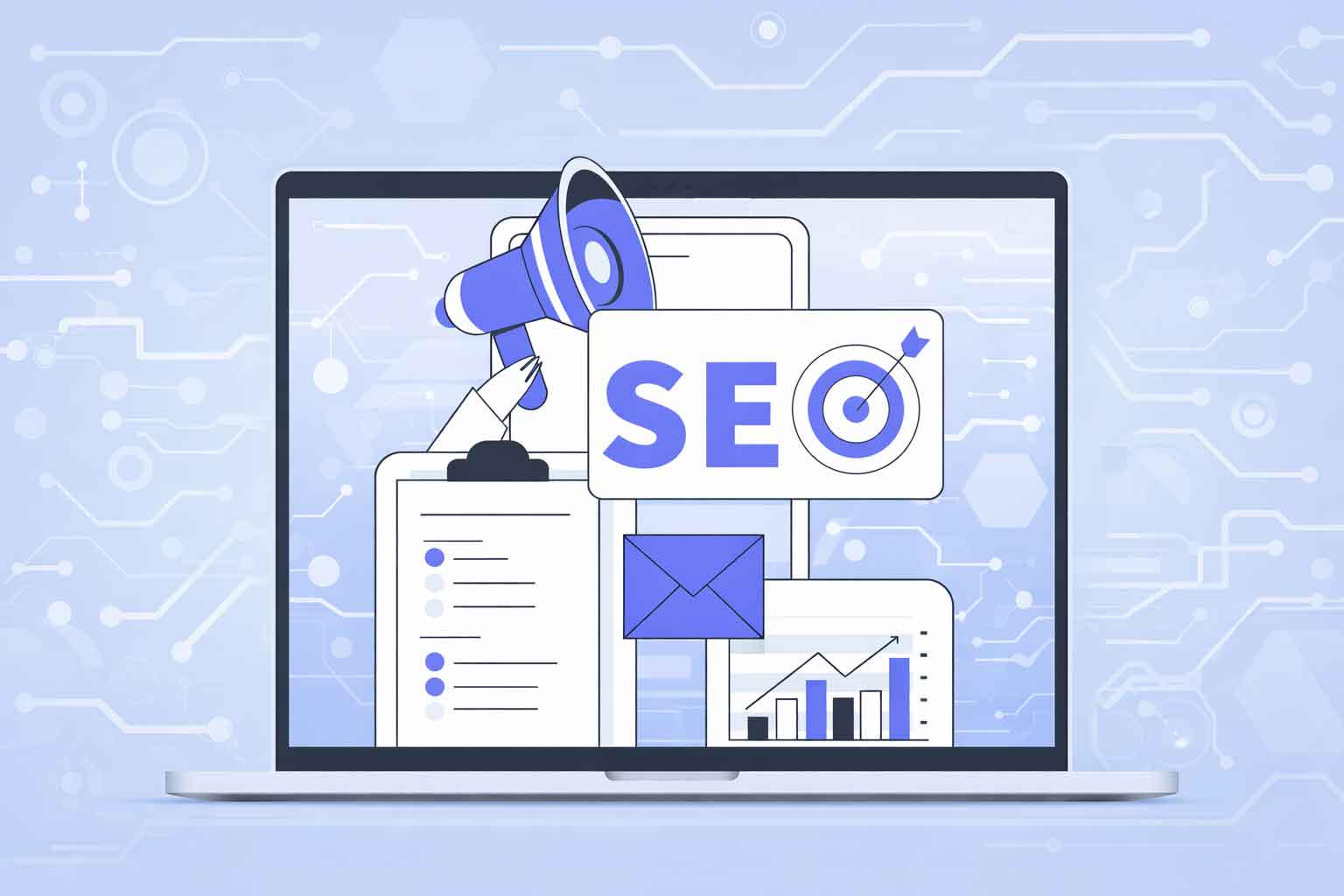
Illustration showing a website displayed on a computer screen with SEO elements like charts, content blocks, and targeting icons, explaining the question “Does Web Design Include SEO?” and how design and search optimization work together.

Does Web Design Include SEO?

Does web design include SEO? Not exactly, but the two work closely together. Web design focuses on structure, usability, and experience, while SEO focuses on visibility and how people find your site. A successful website needs both working together to reach its full potential and support long-term business growth.

Read More »
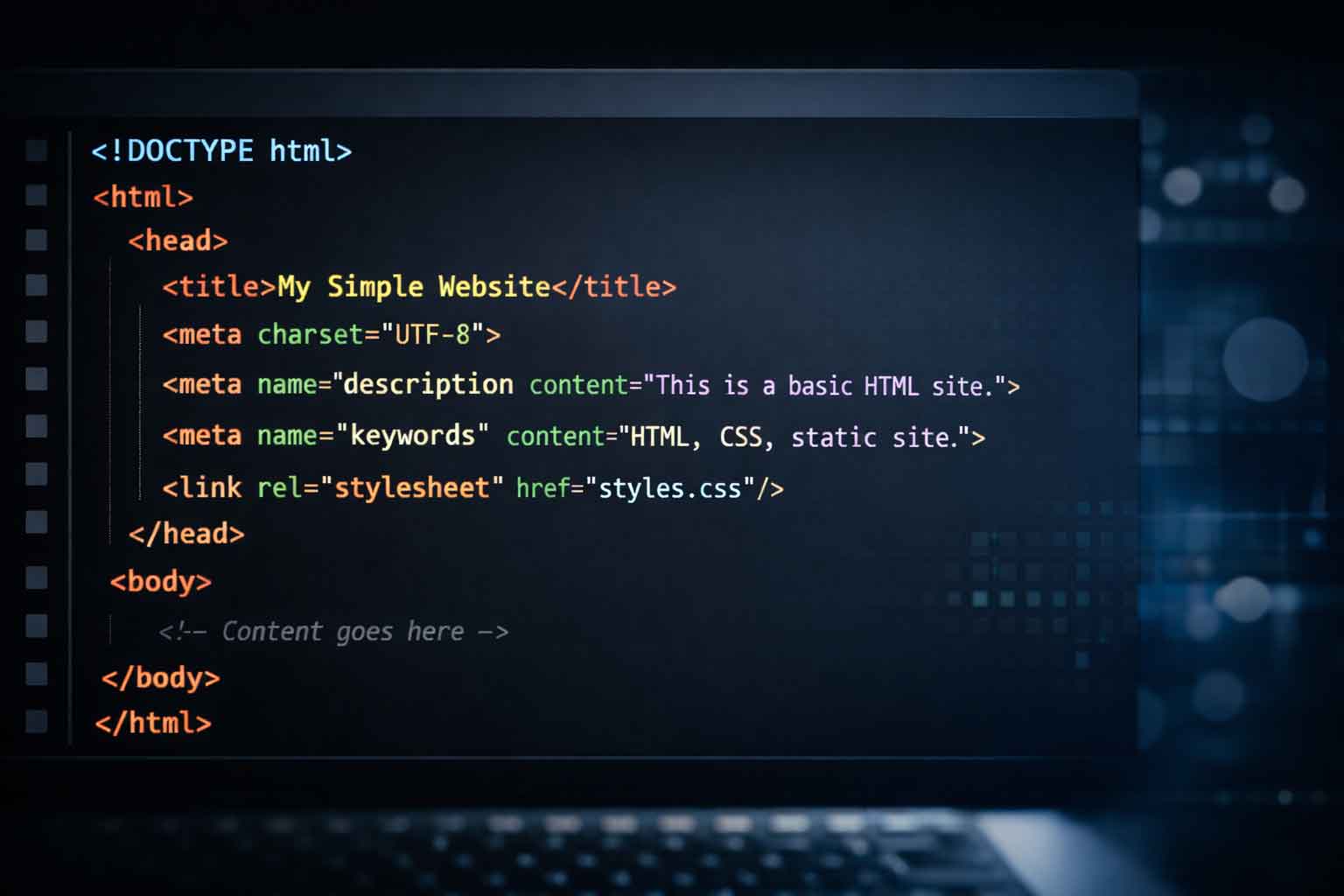
Simple HTML code for a website. Just cause it's a simple HTML site doesn't mean it can't be hacked.

Can a Static HTML Site Get Hacked?

Can a static HTML site get hacked? Many people assume simple websites are immune to security risks, but that is not how website security actually works. Hosting, access controls, and ongoing management play a much larger role than file type. This article explains why static sites are still vulnerable and how properly managed WordPress sites can be just as secure.

Read More »
A web browsers address bar showing the domain name.

Should your domain name move when your site does?

When businesses move from Wix or Squarespace to WordPress, the focus is usually on design and content. One critical detail often gets missed: the domain name. Leaving a domain with an old platform can create unnecessary complications later. Understanding where your domain lives and when to move it can save time, frustration, and future technical headaches.

Read More »
A computer screen with security icons

Can my WordPress site be hacked?

Can my WordPress site be hacked? Yes, it can, just like any other website. The real difference comes down to how security is managed. In this article, we explain why WordPress is safe when set up correctly, what security risks actually exist, and how Full Scope Creative removes the headaches by managing hosting, security, and backups for you.

Read More »
Using Google Analytics

Google Isn’t Just a Search Engine, It’s a Measurement Tool

Google is more than a place people search. Behind every query and click, it provides insight into how customers find your business and what they do next. Tools like Google Analytics, Google Search Console, and Google Business Profile help reveal visibility, behavior, and performance so businesses can make clearer decisions instead of guessing.

Read More »

Are There More Search Engines Than Just Google?

“Google it” has become shorthand for searching the internet, but Google isn’t the only search engine out there. From Bing and Yahoo to privacy-focused options like DuckDuckGo, there are real alternatives people use every day. This article breaks down the strengths, weaknesses, and why Google still dominates how businesses think about SEO.

Read More »
Confused user on a computer

Makes It Easy for Clients to Take the Next Step

A good website removes friction and makes it easy for visitors to take the next step. When users know where they are, what’s available, and what happens next, they act with confidence. Clear service pages, helpful FAQs, and simple calls to action show respect for a visitor’s time and attention.

Read More »
DNS servers around the globe

What to Expect During DNS Propagation

DNS propagation can be one of the most confusing parts of updating a website or email system. During this window, websites and email can appear slow, broken, or inconsistent. This behavior is normal and temporary. Knowing what to expect during DNS propagation helps reduce stress and prevents unnecessary panic while the update works its way through servers worldwide.

Read More »

Is Your Website Causing Customers to Bounce?

Visitors decide whether to stay on your website in seconds. When a site feels confusing, cluttered, or hard to use, people leave without clicking, reading, or reaching out. A high bounce rate is rarely about pricing or competition. It’s usually caused by unclear structure, poor mobile experiences, and pages that make users work too hard.

Read More »
Ready to discover how we can help make your website and marketing more successful?
Contact Us
An excellent business partner for us! Very professional, responsive, and easy to work with!
~ Chris Theobald,
Covenant Signs and Graphics