The Power of Icons (The Digital Kind)

Introducing Digital Iconography

Ah, the world of web design—an ever-evolving space where finding the right balance between uniqueness and user-friendliness is the real MVP. Today, let’s talk about a design rockstar that often doesn’t get its due credit: iconography. No need for fancy terms or techy talk; think of it as your website’s secret ingredient. So, grab a seat because we’re about to dive into how to strike that perfect balance–that sweet spot where your website turns heads, but visitors also feel like they’re walking down familiar territory. No need for a degree in rocket science; it’s all about making your site a place where people want to hang out, browse, and maybe even bookmark. Iconography is not just about pretty pictures, it’s about making your digital space an inviting corner of the internet. Ready to dig into the details of making your website both stylish and user-friendly? Let’s roll.

The Iconic Dilemma of Balance

Imagine you’ve got this cool website, right? And you’re sitting there, scratching your head, thinking, “How do I make it pop without turning it into a digital Rubik’s Cube?” Well, guess what? Icons are like the unsung heroes in the design world. But, let’s be real, it’s a bit of a tricky business. Are these little guys the trusty sidekicks of your website, smoothly guiding users through the online jungle? Or could they be secretly hatching a plan to lead them on a wild goose chase? It’s like trying to decide if icons are your site’s best buds or potential troublemakers. Let’s break it down and dig into the world of icons—whether they’re the guiding stars of your digital galaxy or the cheeky tricksters of the internet maze.

Uniqueness Without Frustration

Let’s cut to the chase, striking the right balance between making your website stand out and keeping it user-friendly is a bit of a puzzle. You want it to catch attention without leaving visitors scratching their heads. To do this, you will find that icons are key players in this mix. They function like essential components in a well-orchestrated symphony, where the standout design takes the lead, a touch of familiarity adds depth, and a sprinkle of intuitive charm ties it all together.

As we explore the intricacies of web design, it’s crucial to incorporate these principles seamlessly. Achieving equilibrium isn’t just about aesthetics; it’s about ensuring a seamless user experience. Think of your website as a cohesive ensemble, where each element complements the others. Icons, in this context, play a crucial role, but their true impact unfolds when they synchronize with broader design principles, creating a user-friendly journey through your digital space.

Icons: More Than Just Pretty Pictures

Don’t just think of icons as pixels for decoration; these little guys are the silent storytellers of your website. They’re the subtle guides that help users navigate through your online space while also conveying the essence of your brand. Icons, in a sense, wear multiple hats, and that leads us to a crucial question: How do we make the most of their power without making the user experience feel like solving a riddle?

To tackle this, it’s important to see icons beyond their visual appeal and recognize them as strategic elements embedded in fundamental design principles. Their design, placement, and functionality should seamlessly align with the overall user experience strategy. Icons aren’t just pretty graphics; they’re like intuitive signposts, smoothly guiding users through a coherent story within your digital space. So, it’s not just about using icons but integrating them smartly into the design landscape to ensure they enhance, not complicate, the user experience.

A Sleek and Simple Website

Consider your website as an ongoing conversation with your users. The aim is to keep it engaging, avoiding any confusing one-sided talk. Now, let’s talk icons. They’re the silent communicators, responsible for guiding users without the need for a digital GPS. Crafting a user-friendly website is like creating a streamlined, straightforward digital space. The goal is to make it easy to navigate, removing unnecessary complexity. Each element, including icons, plays a role in achieving this simplicity, making the overall online experience feel smooth and effortless, much like a casual chat with a friend.

Ready to Begin? 

Ready to embark on your iconic journey? It’s not just about slapping pretty pictures on your site; it’s about crafting a digital masterpiece. So, let’s find that balance, that sweet spot where uniqueness and user-friendliness coexist in perfect harmony. Icons, after all, are the unsung heroes of your web design symphony—guiding, enhancing, and making your online presence a masterpiece of its own. Ready to dive in? Chat with us at Full Scope Creative and we can help make your website an icon among icons!

Ready to discover how we can help make your website and marketing more successful?
Contact Us

Marketing Made Simple

Insights from Full Scope Creative

Our thoughts on website design, graphic design, marketing, SEO, website hosting, branding, business management, and more here in the Full Scope Creative blog!

Insights, Tips, and Strategies for Small Business Success

Our blog is packed with expert advice on website design, SEO, marketing, branding, and more. Whether you’re looking to improve your website’s performance, boost your online presence, or streamline your business’s digital strategy, you’ll find valuable insights and actionable tips right here.

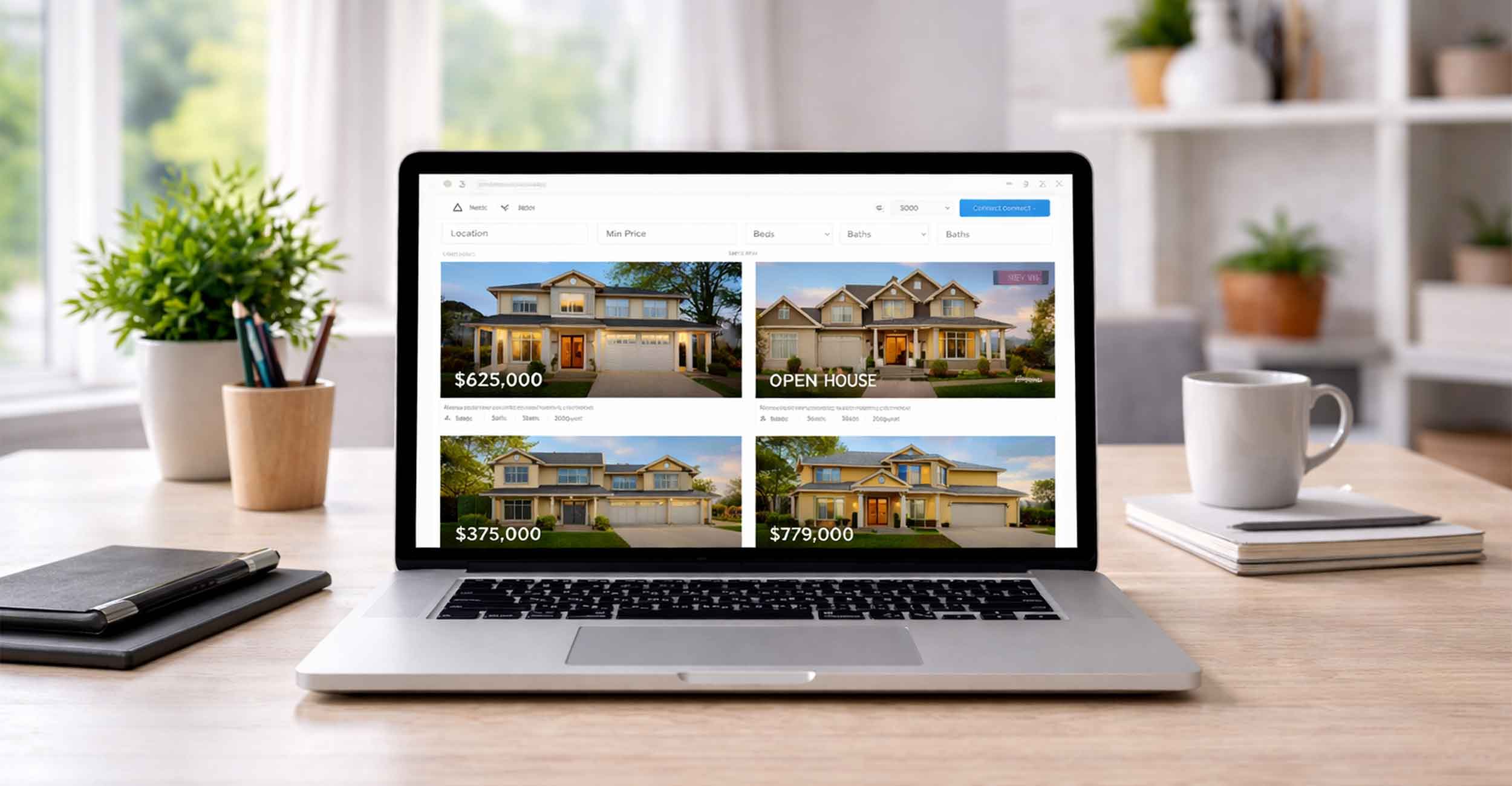
Homes listed on a website. You'll need an IDX plugin to do this on WordPress. Full Scope can help with that!

IDX Real Estate WordPress Plugin

An idx real estate wordpress plugin lets you show MLS listings on your own website. There is no free way to pull listings into WordPress, so you need the right tool. We use and recommend Showcase IDX. It connects to your MLS, keeps listings updated, and turns your site into a real marketing asset.

Read More »

Do Real Estate Agents Need a Website

Do real estate agents need a website if they already use Zillow or Realtor.com? Those platforms help, but they are not yours. Your own website gives you control over branding, SEO, and lead capture. It becomes a real business asset that grows with you and supports your long term success.

Read More »

Shared vs Dedicated Hosting for SEO

Does shared hosting hurt SEO? Does dedicated hosting help rankings? The truth is simpler than most people think. Google does not rank websites based on server type. It ranks them based on performance. In this article, we break down what actually matters for SEO and how hosting should support your growth, not replace real strategy.

Read More »
A client asking a question - great blog material!

Turn Client Questions Into Blog Posts

Every time a client says, “I have no idea what that is,” you just found your next blog topic. Instead of explaining it once and moving on, turn that question into an article. Then share it when others ask. You build traffic, trust, and authority all at the same time by simply teaching clearly.

Read More »
Hiking freely in nature. the joy of open, NOT closed website builders.

Closed Website Design Platforms

Closed website design platforms like Wix, Weebly, Squarespace, and GoDaddy Website Builder can be easy to start with. But they come with limits. You cannot move the site, change hosting freely, or fully customize the code. This article explains what a closed platform is and why many growing businesses choose WordPress instead.

Read More »
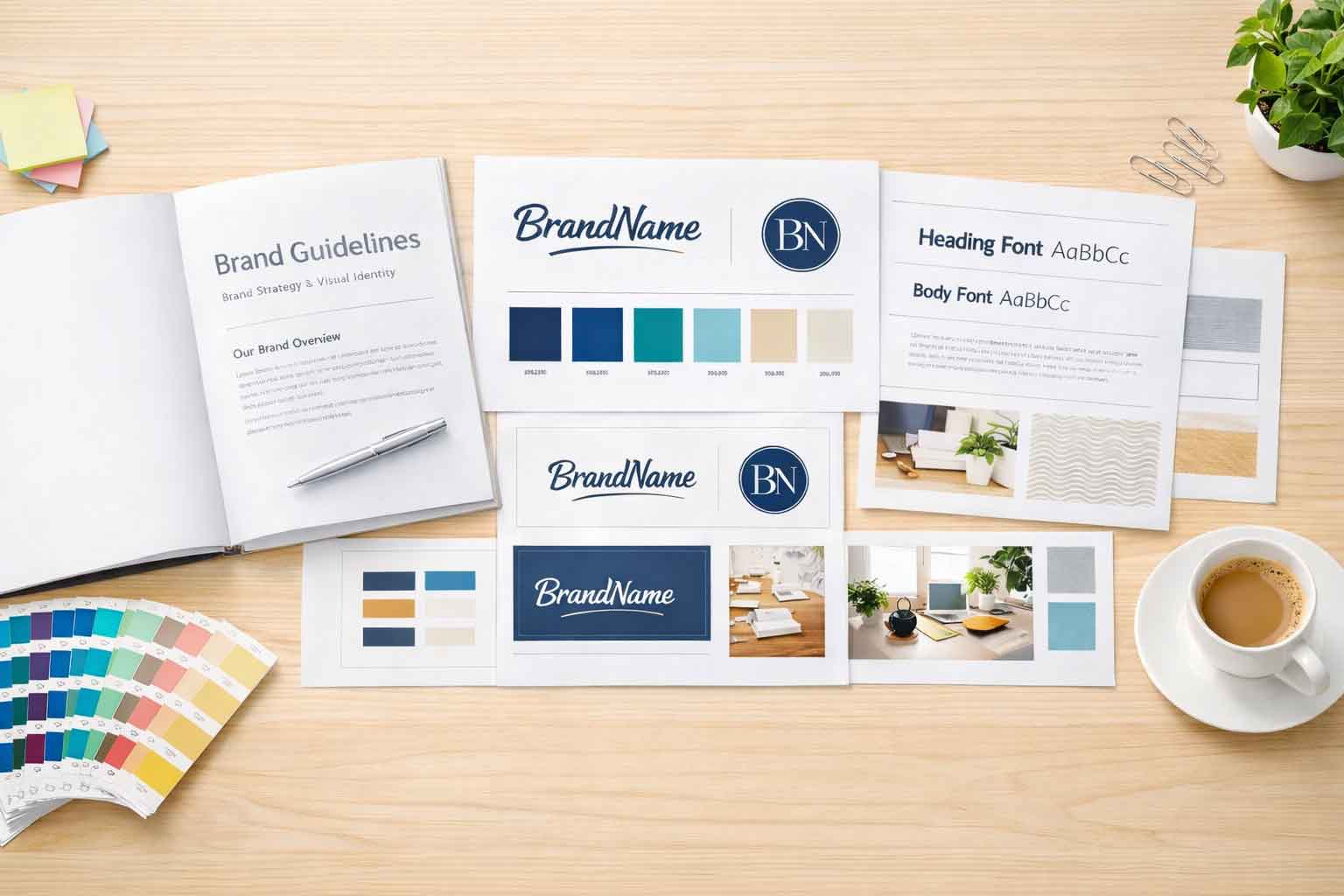
An example of a brand design guide

What is a Brand Design?

What is a brand design? It’s more than a logo. Brand design defines your colors, fonts, textures, and overall visual style so every part of your marketing looks consistent and professional. For small businesses, strong brand design creates clarity, improves websites, and makes future marketing easier and more effective.

Read More »

Which Website Builder Is Best for WordPress?

Trying to decide which website builder is best for WordPress? Divi, Beaver Builder, WP Bakery, and Elementor all offer different strengths. In this guide, we break down what each builder does well, where they fall short, and why Elementor is our top choice for small business websites at Full Scope Creative.

Read More »
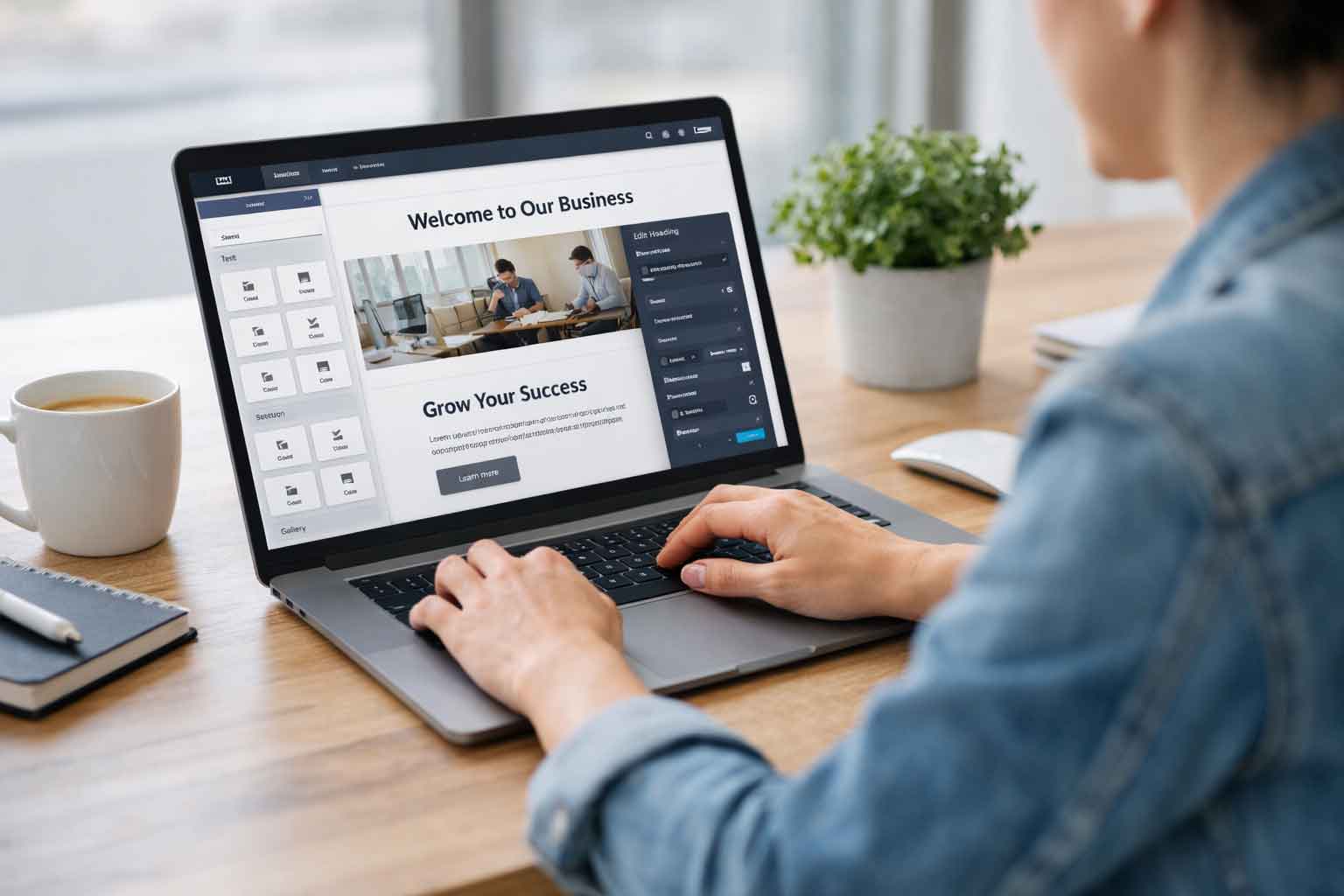
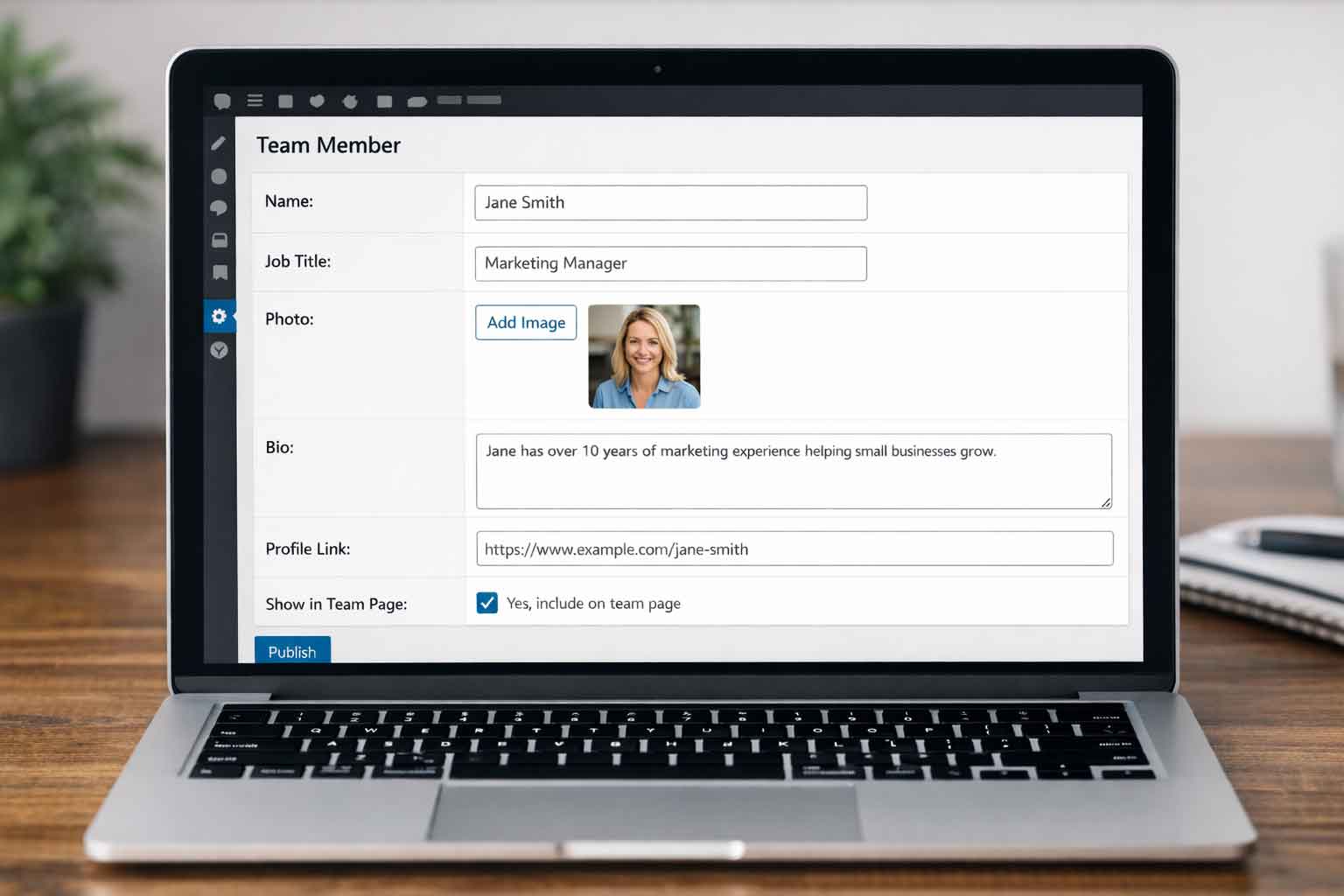
ACF and Elementor are easy to use and can add so much to a site!

ACF and Elementor

ACF and Elementor allow us to turn a basic WordPress site into a structured, easy-to-manage system. With custom fields, custom post types, and dynamic layouts, your content stays organized and simple to update. Full Scope Creative sets it all up so you can just fill out fields and publish with confidence.

Read More »
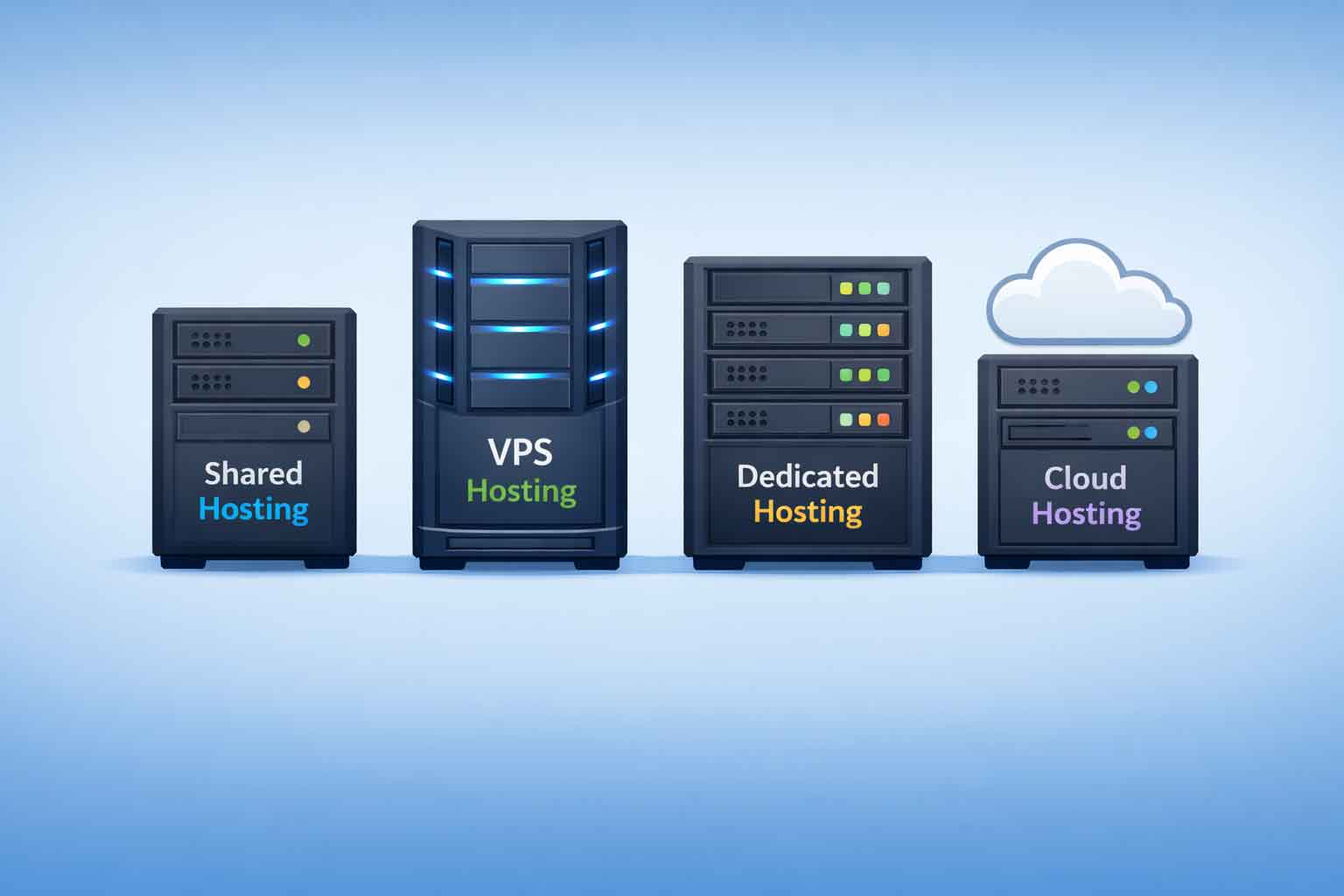
4 servers and the 4 different types of website hosting.

What Are the 4 Types of Hosting?

What are the 4 types of hosting? Shared, VPS, dedicated, and cloud hosting each offer different levels of cost, speed, security, and control. In this guide, we break them down in simple terms so small business owners can understand their options and choose a hosting setup that fits their needs and budget.

Read More »
Ready to discover how we can help make your website and marketing more successful?
Contact Us

I was in need a website update for my business. The old one just wasn’t giving me the flexibility I needed to stay relevant. Chris and Full Scope Creative have been amazing to work with throughout this process. They listened to my needs in a new website, and were able to expand upon those with fresh and exciting ideas that really make the finished product stand out. I highly recommend working with Chris and Full Scope Creative. You will feel listened to and all of your questions and concerns will be answered. Awesome job!

~ Pete Monfre,
Midwest Travel Club