Strengthening Your Website’s H1
When it comes to designing a website, there are many elements that must be carefully considered in order to create an effective and appealing digital presence. One of the most important of these elements is the H1 tag.
The H1 tag, which stands for “heading 1,” is typically one of the first elements on a webpage that users see when they visit your site. It serves as the main title or headline for your content, and therefore plays a crucial role in both search engine optimization and user engagement. In this article, we will delve into the importance of H1 tags and provide tips on how to use them effectively to improve your website’s performance.
What Are H1 Tags and How Do They Work
You may not have ever heard of an H1 tag before. If you’re not familiar with web development, this term may sound like we are in the middle of a game of Battleship. However, understanding what H1 tags are and how they work is crucial if you want to optimize your website for search engines and users.
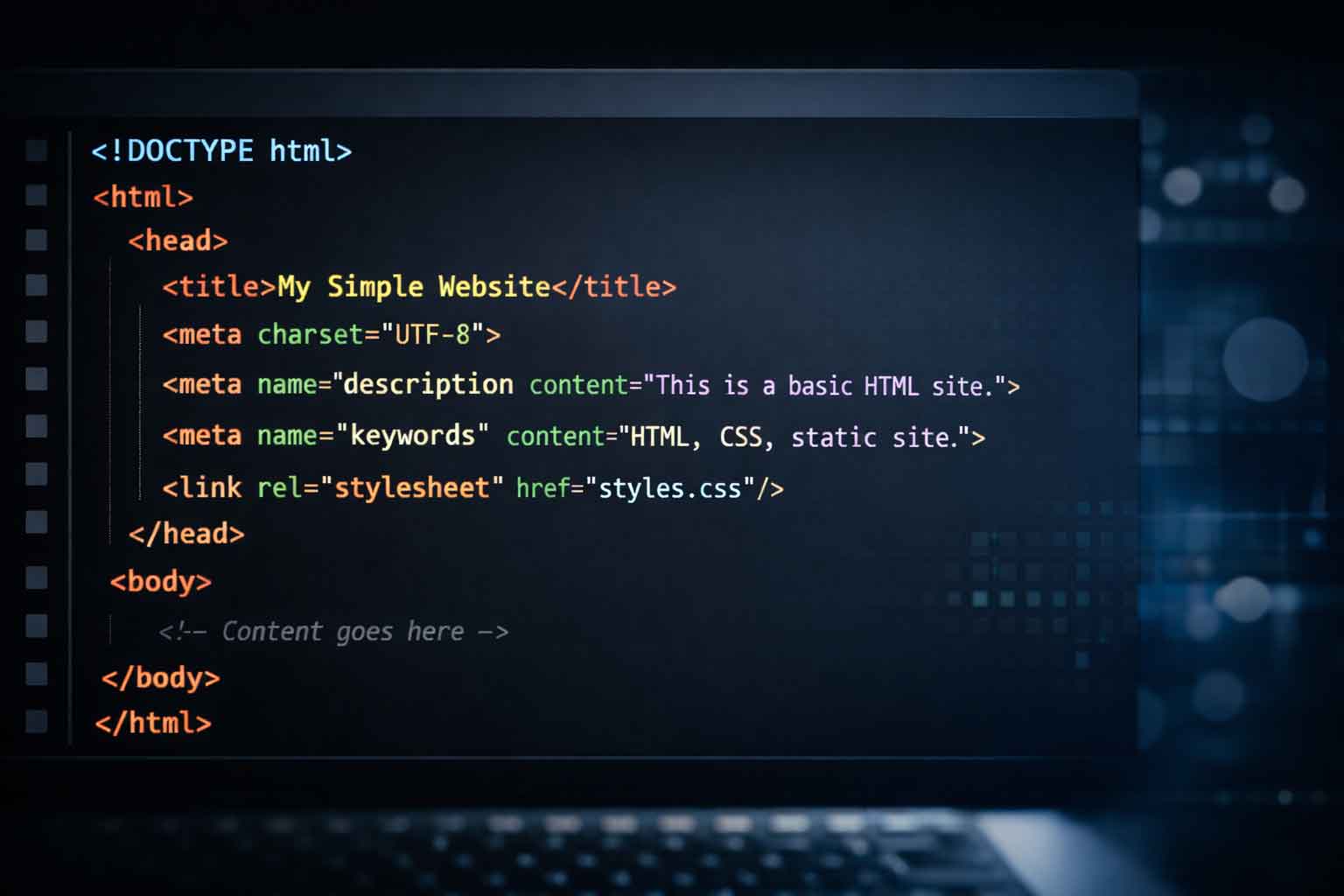
H1 tags are HTML elements used to define the main heading of a webpage. The H1 text should be the largest and boldest text on a webpage. A H1 tag helps search engines and users understand the structure and content of your page. When creating an H1 tag, it’s important to use relevant keywords that accurately reflect the topic of your page. Ideally, a H1 tag should also include a geographical area (Green Bay, New York, Florida, etc).
In addition to their importance for SEO purposes, H1 tags also play a significant role in user experience. They provide readers with a clear indication of what information they can expect to find on the page and help them quickly identify whether or not the content is relevant to their needs.
How H1 Tags Affect Your Website’s Ranking
H1 tags are one of the most critical elements on any web page. These header tags indicate to search engines and users what the main topic or theme of a particular page is. H1 tags help establish the structure and hierarchy of content on your website, making it easier for both people and search engines to navigate through your site.
When it comes to SEO, using H1 tags correctly can have a significant impact on your website’s ranking. By including keywords in your H1 tag that reflect the content of your page, you increase the relevance and authority of that page in search results. Additionally, properly formatted H1 tags make it easier for search engine crawlers to understand what your site is about, which can lead to better indexing and higher rankings in SERPs.
It’s important to note that while optimizing H1 tags can improve SEO, overusing them may have negative consequences.
Common Mistakes with H1 tag
Unfortunately, some web developers and designers make mistakes when using H1 tags, which can have negative effects on search engine rankings and user experience.
Tne common mistake with H1 tags is using multiple H1 tags on a single webpage. Only one H1 tag per page should be used, as it’s meant to serve as the primary heading for that page. If multiple H1 tags are used, it can create confusion for search engines trying to understand the structure of your content. In the same way as the H1 serves as a primary heading for users to the site, it is also a great way to show Google what the page’s main keyword is. If there are two or more H1 tags, it can make it more confusing for Google to determine which keyword is the main keyword – and rank the site accordingly.
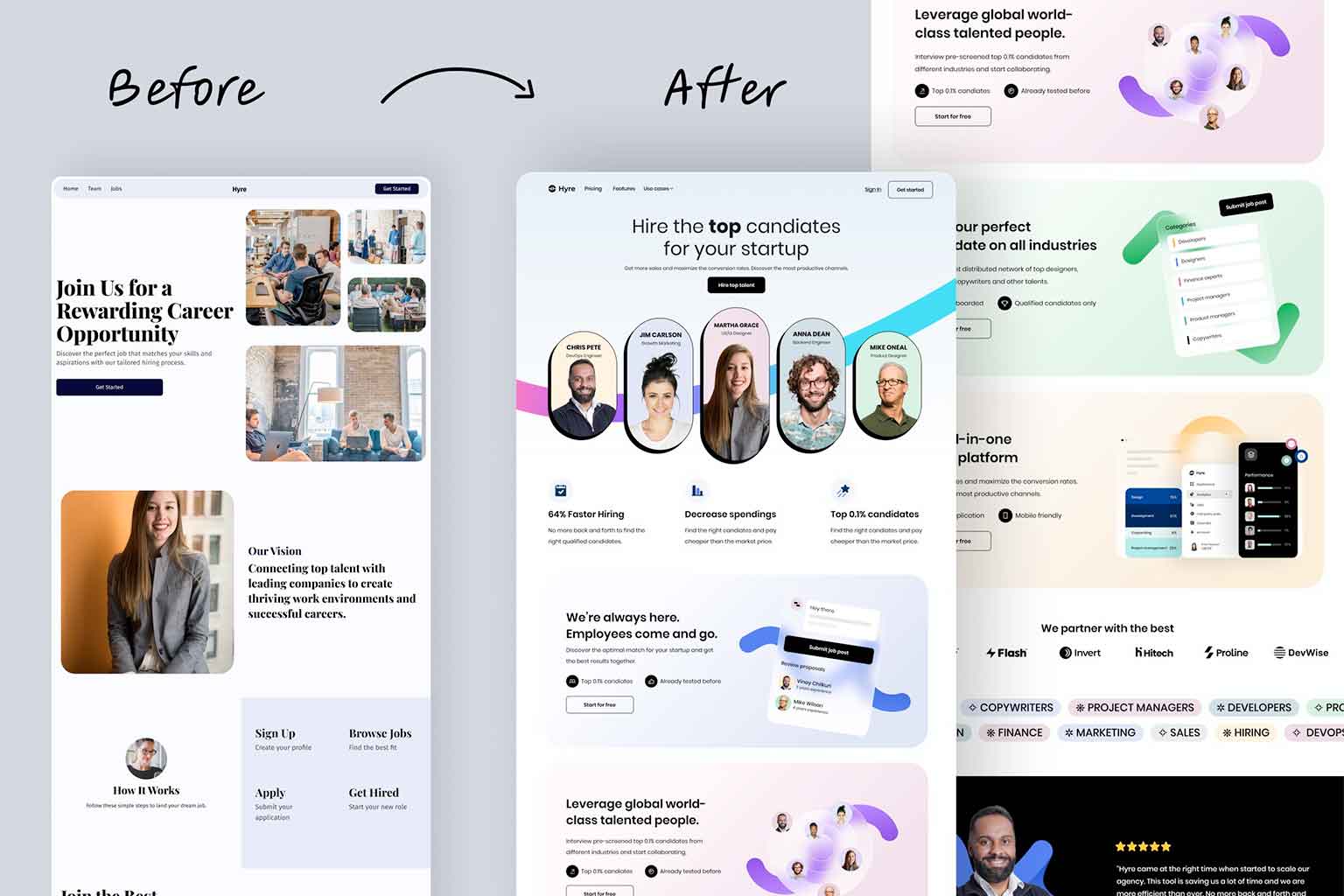
Another mistake is using generic or irrelevant headings in your H1 tag. The content of the page should be reflected in the text used for your H1 tag. If a page on your website is about vinyl records and that you sell and buy them, the H1 should be something like “Buy and Sell Vinyl Records.” Too often we see websites that have their tagline as the H1. Worse yet, some sites will even have their company name. And the worst of them all…. “Welcome to our website!” I’m willing to bet a lot of money that the phrase “Welcome to our website” has never been Googled with the user hoping to find any site of relevance. And don’t get me wrong, I love taglines. I use our tagline every time I give an elevator pitch. But none of the keywords we use on the site are in our tagline. If your tagline uses those keywords, then it might be a good phrase to use in an H1. But if not, you’re possibly wasting valuable SEO real estate.
A Final Thought on H1
The H1 tag is an important element on your website that can greatly impact your search engine rankings as well as user experience. By utilizing best practices such as including relevant keywords, keeping it concise and descriptive, and avoiding duplicate or spammy content, you can optimize your H1 tag to effectively communicate the purpose of your page to both search engines and visitors. Remember that while the H1 tag may seem like a small detail, it can make a big difference in the success of your website. So take some time to review and optimize your H1 tags today for improved visibility and engagement.