The Importance of Proper H1 Utilization

H1 tags play a crucial role

When it comes to website design and SEO, H1 tags play a crucial role. The H1 tag serves as the main heading of a webpage and provides both search engines and users with a clear indication of the page’s content.Misusing the H1 tag can significantly impact your site’s SEO performance and user experience. Here are some common mistakes to avoid when using H1 tags.

Using Multiple H1 Tags on a Single Page

One of the most common mistakes is using multiple H1 tags on a single page. Each page should ideally have only one H1 tag to clearly define the primary topic. Multiple H1 tags can confuse search engines about the main focus of the page, diluting the SEO value and potentially leading to lower rankings.

Misleading or Irrelevant H1 Tags

Your H1 tag should accurately reflect the content of the page. If the H1 tag is misleading or irrelevant, it can lead to a poor user experience, causing visitors to leave your site quickly. This increases your bounce rate and negatively affects your SEO. Ensure that your H1 tag is descriptive and directly related to the page’s content.

Using H1 Tags for Styling Purposes

H1 tags should not be used solely for their visual properties, such as making text large and bold. While it’s important for your headings to stand out, the primary purpose of an H1 tag is to denote the main heading of the content. Misusing H1 tags for styling can confuse search engines and harm your SEO efforts. Instead, use CSS for styling and reserve H1 tags for the main headings.

Keyword Stuffing in H1 Tags

While it’s important to include relevant keywords in your H1 tag, overloading it with keywords can be detrimental. This practice, known as keyword stuffing, can make your content appear unnatural and spammy. Search engines penalize keyword stuffing, so it’s essential to create H1 tags that read naturally and are user-friendly.

Non-Descriptive H1 Tags

Generic or vague H1 tags like “Welcome” or “Home” do not provide valuable information to users or search engines. Your H1 tag should be specific and descriptive, giving visitors a clear understanding of what to expect from the page. A well-crafted H1 tag can improve user engagement and help search engines index your content more accurately.

Overly Long H1 Tags

Extremely lengthy H1 tags can be cumbersome and less effective. Aim for concise, clear, and to-the-point headings. An effective H1 tag should be long enough to convey the main idea but short enough to be easily readable.

Ignoring Heading Hierarchy

The H1 tag should be the main heading of the page, followed by H2, H3, etc., to create a clear structure. Skipping heading levels or not maintaining a logical hierarchy can confuse both users and search engines. Proper heading structure improves readability and helps search engines understand the organization of your content.

Essential for both SEO and user experience

Proper utilization of H1 tags is essential for both SEO and user experience. By avoiding these common mistakes, you can ensure that your H1 tags effectively communicate the main topics of your pages to search engines and visitors. Remember, a well-structured website with clear and relevant headings can lead to better search engine rankings and a more enjoyable user experience.

Ready to discover how we can help make your website and marketing more successful?
Contact Us

Marketing Made Simple

Insights from Full Scope Creative

Our thoughts on website design, graphic design, marketing, SEO, website hosting, branding, business management, and more here in the Full Scope Creative blog!

Insights, Tips, and Strategies for Small Business Success

Our blog is packed with expert advice on website design, SEO, marketing, branding, and more. Whether you’re looking to improve your website’s performance, boost your online presence, or streamline your business’s digital strategy, you’ll find valuable insights and actionable tips right here.

Which Website Builder Is Best for WordPress?

Trying to decide which website builder is best for WordPress? Divi, Beaver Builder, WP Bakery, and Elementor all offer different strengths. In this guide, we break down what each builder does well, where they fall short, and why Elementor is our top choice for small business websites at Full Scope Creative.

Read More »
ACF and Elementor are easy to use and can add so much to a site!

ACF and Elementor

ACF and Elementor allow us to turn a basic WordPress site into a structured, easy-to-manage system. With custom fields, custom post types, and dynamic layouts, your content stays organized and simple to update. Full Scope Creative sets it all up so you can just fill out fields and publish with confidence.

Read More »
4 servers and the 4 different types of website hosting.

What Are the 4 Types of Hosting?

What are the 4 types of hosting? Shared, VPS, dedicated, and cloud hosting each offer different levels of cost, speed, security, and control. In this guide, we break them down in simple terms so small business owners can understand their options and choose a hosting setup that fits their needs and budget.

Read More »
business owner going over a checklist

Your Site Isn’t Ready for SEO If…

SEO can drive real growth for a small business. But if your website is slow, hard to use on mobile, thin on content, or not focused on the right keywords, you may be wasting money. Before investing in SEO, make sure your site is built and structured to support it the right way.

Read More »

List out all of your services

Many small businesses offer more services than their website lets on. When those services are hidden or scattered, potential customers never see the full picture. This blog explains why clearly listing every service matters, how to structure services pages, and how the right setup helps build trust and guide visitors toward the next step.

Read More »
a website with a good CTA button

Better Calls To Action On a Site

Clear calls to action help guide website visitors instead of leaving them guessing what to do next. Just like good signage in a new building, CTAs create clarity, reduce frustration, and lead users where they want and need to go. If your website feels confusing, stronger CTAs can make all the difference.

Read More »

Do I need to redesign my website?

Do I need to redesign my website? It’s a question we hear all the time, and the answer is usually “maybe.” Some sites are outdated but workable. Others are held together with digital duct tape. This article walks through how to tell the difference and why starting with the “why” matters more than jumping into a redesign.

Read More »
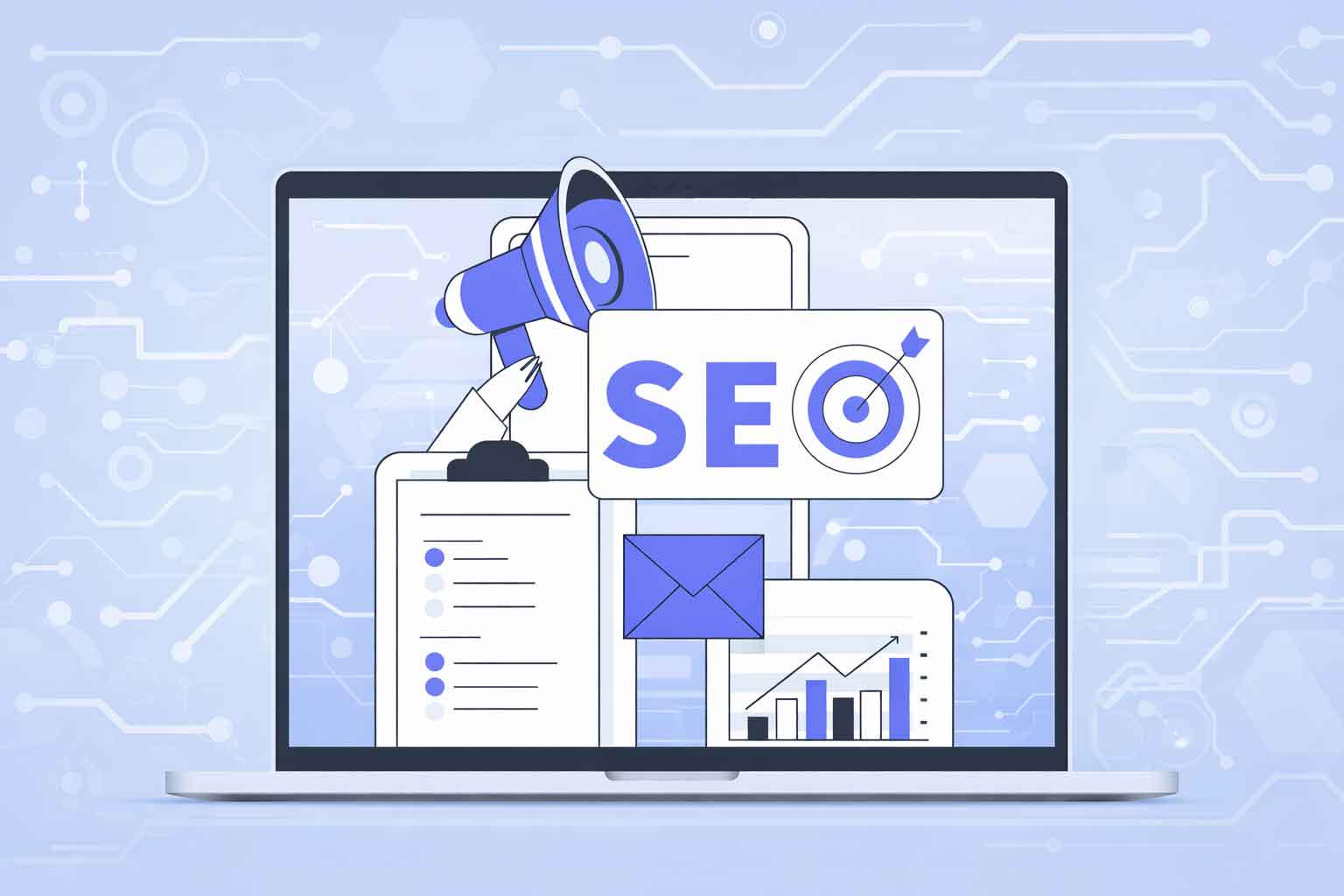
Illustration showing a website displayed on a computer screen with SEO elements like charts, content blocks, and targeting icons, explaining the question “Does Web Design Include SEO?” and how design and search optimization work together.

Does Web Design Include SEO?

Does web design include SEO? Not exactly, but the two work closely together. Web design focuses on structure, usability, and experience, while SEO focuses on visibility and how people find your site. A successful website needs both working together to reach its full potential and support long-term business growth.

Read More »
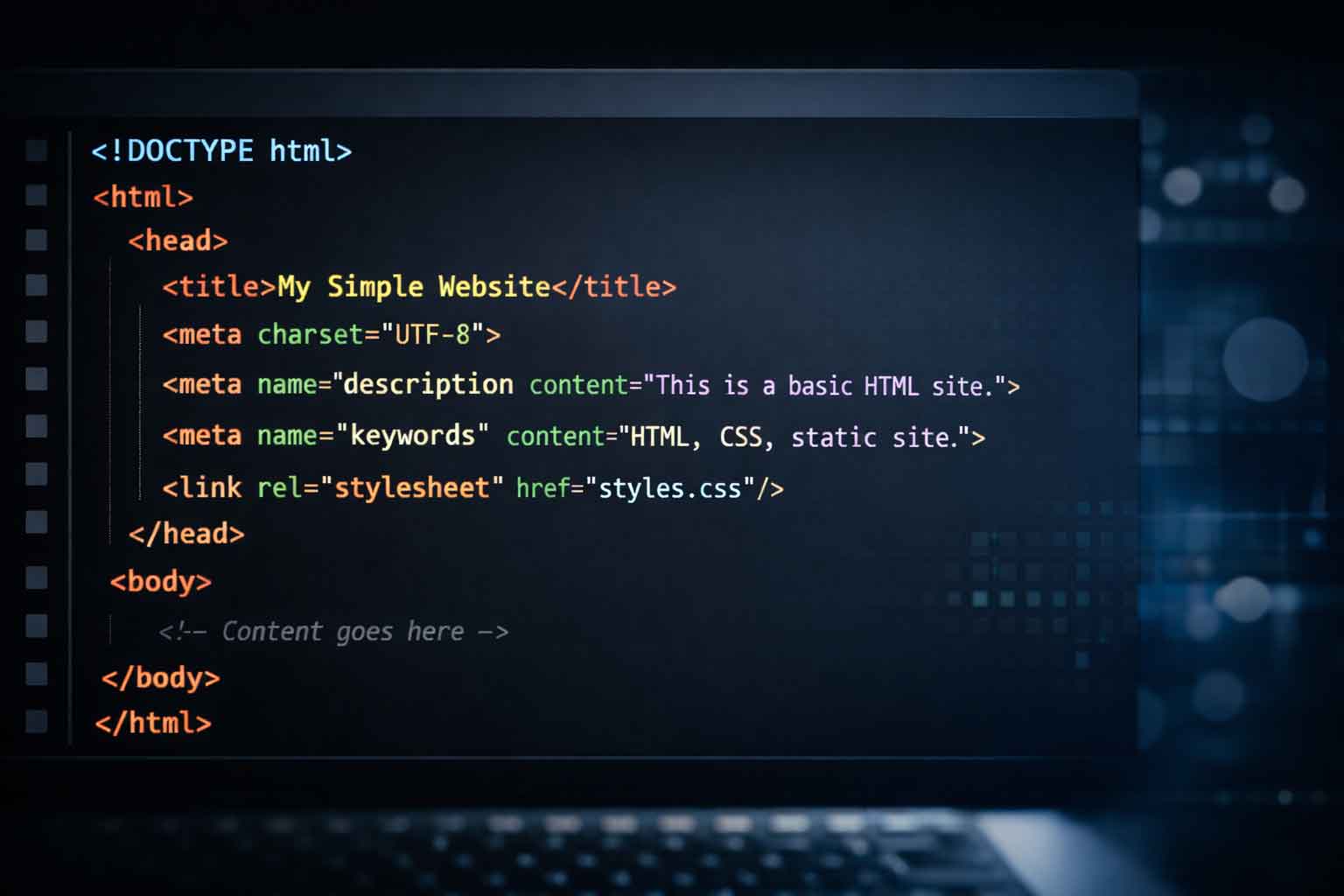
Simple HTML code for a website. Just cause it's a simple HTML site doesn't mean it can't be hacked.

Can a Static HTML Site Get Hacked?

Can a static HTML site get hacked? Many people assume simple websites are immune to security risks, but that is not how website security actually works. Hosting, access controls, and ongoing management play a much larger role than file type. This article explains why static sites are still vulnerable and how properly managed WordPress sites can be just as secure.

Read More »
Ready to discover how we can help make your website and marketing more successful?
Contact Us

Working with Chris was great for building my website! He was patient and responsive to my needs for the site. Highly recommended!

~ Karl Huebner,
Physio FX