
The Importance of Proper H1 Utilization

H1 tags play a crucial role

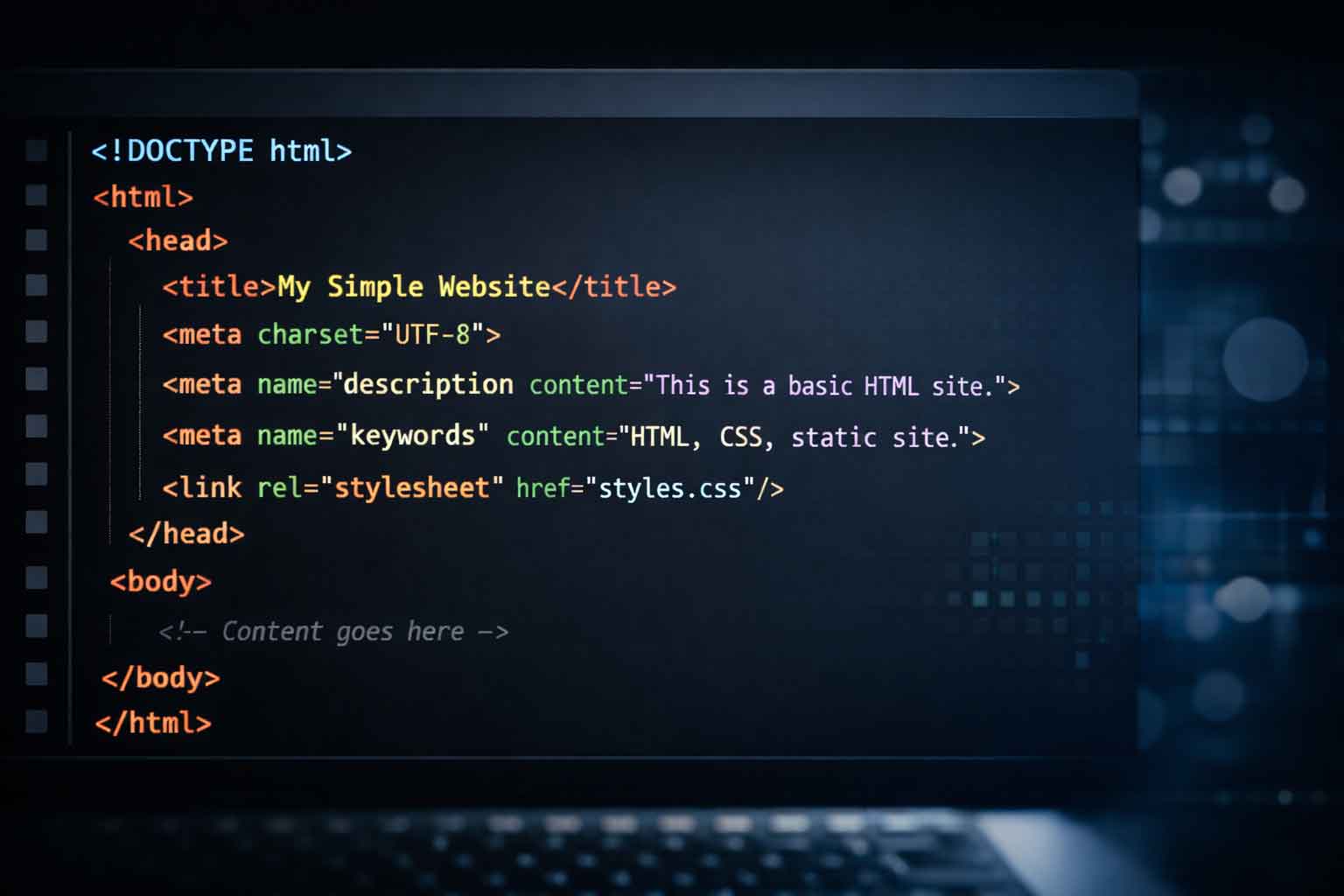
When it comes to website design and SEO, H1 tags play a crucial role. The H1 tag serves as the main heading of a webpage and provides both search engines and users with a clear indication of the page’s content.Misusing the H1 tag can significantly impact your site’s SEO performance and user experience. Here are some common mistakes to avoid when using H1 tags.

Using Multiple H1 Tags on a Single Page

One of the most common mistakes is using multiple H1 tags on a single page. Each page should ideally have only one H1 tag to clearly define the primary topic. Multiple H1 tags can confuse search engines about the main focus of the page, diluting the SEO value and potentially leading to lower rankings.

Misleading or Irrelevant H1 Tags

Your H1 tag should accurately reflect the content of the page. If the H1 tag is misleading or irrelevant, it can lead to a poor user experience, causing visitors to leave your site quickly. This increases your bounce rate and negatively affects your SEO. Ensure that your H1 tag is descriptive and directly related to the page’s content.

Using H1 Tags for Styling Purposes

H1 tags should not be used solely for their visual properties, such as making text large and bold. While it’s important for your headings to stand out, the primary purpose of an H1 tag is to denote the main heading of the content. Misusing H1 tags for styling can confuse search engines and harm your SEO efforts. Instead, use CSS for styling and reserve H1 tags for the main headings.

Keyword Stuffing in H1 Tags

While it’s important to include relevant keywords in your H1 tag, overloading it with keywords can be detrimental. This practice, known as keyword stuffing, can make your content appear unnatural and spammy. Search engines penalize keyword stuffing, so it’s essential to create H1 tags that read naturally and are user-friendly.

Non-Descriptive H1 Tags

Generic or vague H1 tags like “Welcome” or “Home” do not provide valuable information to users or search engines. Your H1 tag should be specific and descriptive, giving visitors a clear understanding of what to expect from the page. A well-crafted H1 tag can improve user engagement and help search engines index your content more accurately.

Overly Long H1 Tags

Extremely lengthy H1 tags can be cumbersome and less effective. Aim for concise, clear, and to-the-point headings. An effective H1 tag should be long enough to convey the main idea but short enough to be easily readable.

Ignoring Heading Hierarchy

The H1 tag should be the main heading of the page, followed by H2, H3, etc., to create a clear structure. Skipping heading levels or not maintaining a logical hierarchy can confuse both users and search engines. Proper heading structure improves readability and helps search engines understand the organization of your content.

Essential for both SEO and user experience

Proper utilization of H1 tags is essential for both SEO and user experience. By avoiding these common mistakes, you can ensure that your H1 tags effectively communicate the main topics of your pages to search engines and visitors. Remember, a well-structured website with clear and relevant headings can lead to better search engine rankings and a more enjoyable user experience.
Ready to discover how we can help make your website and marketing more successful?
Contact Us

Marketing Made Simple

Insights from Full Scope Creative

Our thoughts on website design, graphic design, marketing, SEO, website hosting, branding, business management, and more here in the Full Scope Creative blog!

Insights, Tips, and Strategies for Small Business Success

Our blog is packed with expert advice on website design, SEO, marketing, branding, and more. Whether you’re looking to improve your website’s performance, boost your online presence, or streamline your business’s digital strategy, you’ll find valuable insights and actionable tips right here.

DNS servers around the globe

What to Expect During DNS Propagation

DNS propagation can be one of the most confusing parts of updating a website or email system. During this window, websites and email can appear slow, broken, or inconsistent. This behavior is normal and temporary. Knowing what to expect during DNS propagation helps reduce stress and prevents unnecessary panic while the update works its way through servers worldwide.

Read More »

Is Your Website Causing Customers to Bounce?

Visitors decide whether to stay on your website in seconds. When a site feels confusing, cluttered, or hard to use, people leave without clicking, reading, or reaching out. A high bounce rate is rarely about pricing or competition. It’s usually caused by unclear structure, poor mobile experiences, and pages that make users work too hard.

Read More »
Improving a webpage for better SEO

How to Improve SEO Rankings for Service Pages

Service pages don’t rank the same way blog posts do. Improving their SEO takes more than keywords and backlinks. It requires clear focus, stronger structure, trust signals, and supporting content that works together. This article breaks down practical, page-level improvements you can make to help your service pages perform better in search results.

Read More »

2025 Blog Recap: What We Shared This Year at Full Scope Creative

In 2025, we shared a lot on the Full Scope Creative blog. Those posts came from real questions, real projects, and real conversations with small business owners. This recap looks back at what we covered, why those topics mattered, and how steady, practical education continues to shape how we support our clients.

Read More »

Do I Need Hosting If I Use WordPress?

If you use WordPress, you still need website hosting. WordPress is the tool that manages your content, while hosting is what makes your site accessible online. Without hosting, your website has nowhere to live. This article explains how WordPress and hosting work together and why many businesses choose managed hosting with Full Scope Creative.

Read More »

What Is a Mockup in Graphic Design?

A mockup in graphic design is more than a preview. It is a critical step where designers test how a design works in real-world situations like websites, signage, and print materials. This process helps uncover issues early and explains why professional graphic design involves far more than just making things look good.

Read More »

Easy Ways to Improve Your Site

Small website changes can make a big difference. You do not need a full redesign to improve readability and usability. Adjusting line height, adding white space, using clearer headings, and breaking up long paragraphs can make your site easier to read and easier to use. These simple improvements help visitors feel more comfortable and confident on your site.

Read More »

Blog Comments

Blog comments sound great in theory, but in reality they create more risk than reward. On most WordPress sites, open comments invite spam, add security concerns, and require ongoing moderation. That is why we turn blog comments off by default. It saves time, protects the site, and avoids unnecessary headaches for business owners.

Read More »
Ready to discover how we can help make your website and marketing more successful?
Contact Us
An excellent business partner for us! Very professional, responsive, and easy to work with!
~ Chris Theobald,
Covenant Signs and Graphics