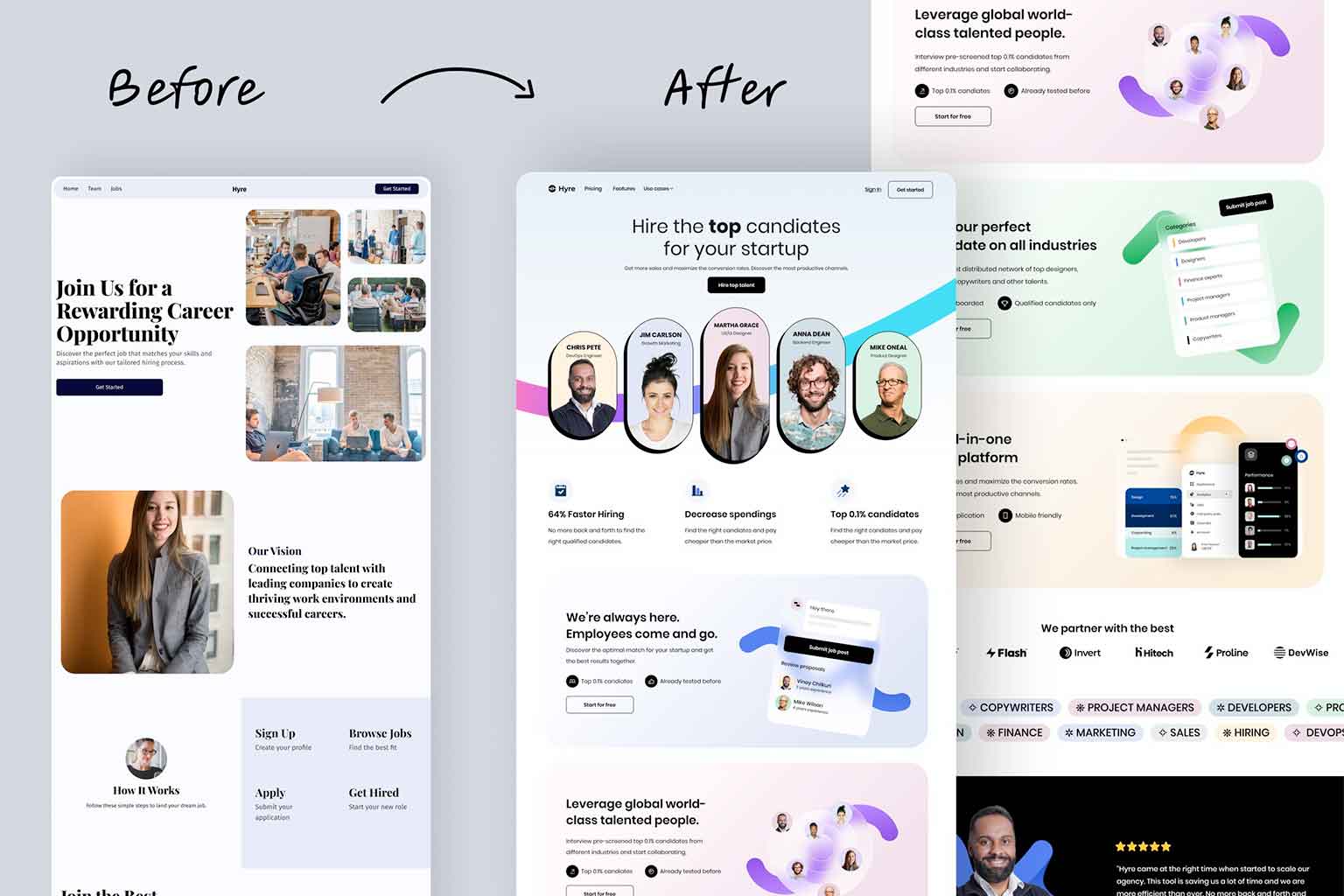
Why Website Structure Matters for Contractors
Contractors are busy. Most work long days and spend more time on job sites than at a desk. When marketing finally gets a few minutes of attention, no one wants to dig through complicated jargon or a messy website plan. You need clarity. You need simplicity. You need a structure that actually brings in calls.
Here is the essential website structure every contractor should have to keep projects coming in and to make your marketing a lot easier.
Start With a Strong, Clear Homepage
Your homepage has one job. Help people understand who you are and what you do within seconds. Homeowners and property managers make quick decisions. If the first impression is cluttered or confusing, they move on.
A contractor homepage should open with a simple headline that explains your service area and your trade. Add a photo of your work, a short value statement, and a clear button that encourages someone to contact you. Keep it simple and clean. This page sets the tone for the rest of your site.
Build Individual Service Pages
Contractors who list all services on one page often miss out on rankings. Google likes structure. Clients like clarity. When each service has its own dedicated page, you gain both.
If you offer roofing, siding, concrete, remodeling, or foundation work, each service gets its own section. These pages help you target specific keywords for each trade. They also let you explain what is included, how the process works, and why someone should hire you. Clean pages with clear headings help clients understand exactly what you offer. Search engines reward it too.
Add a Project Gallery That Shows Real Work
Contractors live and die by their project photos. Good images are a huge trust builder. They prove that you know your craft and that your crew produces quality results.
Your gallery should show a mix of before and after photos, finished work, and a few in progress shots. Keep the layout simple. Make the photos large enough to see the details. Use plain descriptions like “Bathroom remodel in De Pere” or “Concrete driveway replacement in Ashwaubenon.” This gives your gallery a small SEO boost and helps prospects see the type of work you handle.
Use Testimonials Throughout the Site
Social proof is everything for contractors. A few strong reviews placed in the right spots can move a client from browsing to calling. You do not need dozens. You need a handful that highlight quality, communication, and reliability.
Add testimonials to your homepage, your service pages, and even your gallery. Contractors who spread reviews across their site usually see more conversions. Buyers want reassurance. A steady flow of positive feedback gives them exactly that.
Make Sure Calls to Action Are Everywhere
Contractors do not always think about CTAs because most time is spent building or fixing things. Your clients think differently. They want a clear next step.
A simple “Request a Quote” or “Schedule a Call” button works well. Place it in the header. Repeat it in a few sections on long pages. Add it to the bottom of every service page. Use consistent language so your site feels intentional. A well placed CTA can make the difference between a visitor and a lead.
Add Seasonal Updates to Stay Relevant
Construction and trade businesses shift with the seasons. Show that on your site.
During winter, snow removal or emergency services may take priority. During spring, concrete work or exterior updates pick up. Fall can be prime time for repairs before winter.
A small seasonal update section on your homepage or a rotating banner helps your site stay fresh and relevant. Search engines like recent content. Clients appreciate timely information.
Include Location Based Content
Contractors often serve many nearby cities and towns. A few well written location pages can expand your reach. These pages help you show up for searches like “remodeling contractor in Green Bay” or “concrete work in De Pere.”
Keep them simple. Talk about your experience in that area. Highlight the services people request most. Add a project photo from that city if you have one. These pages are powerful and can bring in consistent leads.
Make the Structure Easy to Navigate
Busy clients do not want to search for information. Clear menus, clean layouts, and simple page names help visitors find what they need fast.
Home. Services. Gallery. Testimonials. Contact. These five areas cover almost everything. Contractors who keep their navigation simple usually see more calls because visitors never get lost.
Partner With a Team That Understands the Trades
A great website works quietly in the background. It supports your business while you focus on building, repairing, or remodeling. That is why the right structure matters.
At Full Scope Creative, we design contractor websites that are simple, clear, and effective. We work with concrete companies, remodelers, HVAC teams, and other trades who want a site that actually brings in work. If you are ready to build a stronger online presence, we would be glad to help.
Your next project might start with the right website structure. Let’s build it together.