Slugs in your garden are very small but very unwelcome guests. Most gardeners will go to great lengths to get rid of them. Slugs in your website, alternatively, while also fairly small, are very helpful and have significant positive SEO purposes.

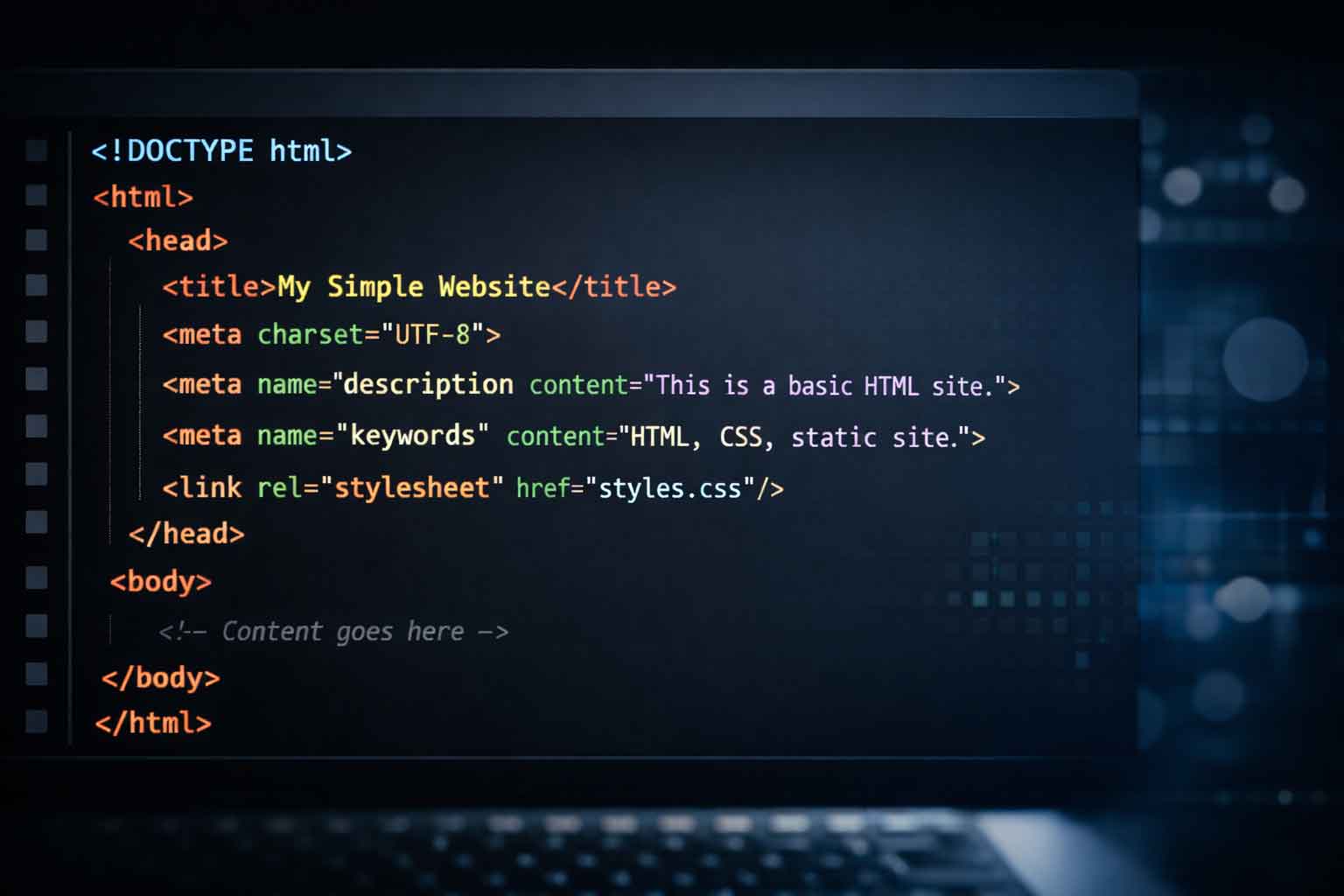
A “slug” in website design is the part of a site’s URL that specifies which page needs to be laded. Consider the URL http://www.domainame.com/about. The slug is the word ‘about’ in that case. It makes sure that the site loads the about page and not the contact page. One of the biggest reasons for using a slug (especially in WordPress, which creates them automatically based on page title), is that you can avoid having a URL such as www.domainname.com/q=285923. Imagine running a radio ad and telling listeners to go to “www.domainname.com/q=285923”. I don’t think you’d have a very good return on that radio ad. There are a couple of things to keep in mind when creating the slug for each page. While WordPress will create them automatically for most pages, you’ll very likely want to go through and fine-tune those slugs.

A big purpose of a slug is to help search engines determine what a particular page is about. Obviously a slug of something like ‘q=285923’ doesn’t really point human users or search engines toward the topic of the page, so updating the slug to reference what that page is about can help with the page’s search ranking. When updating the slug, be sure to eliminate all unnecessary words such as ‘a,’ ‘the,’ ‘and,’ and similar filler words. Search engines aren’t going to use words like that in their search rankings, so they’ll do absolutely no good here. Removing just those filler words is a good start, but keep going. Remove as many unnecessary words as possible and keep the slug as short and simple as possible. Your page name might but Contact Us or About Us, but there’s no need to have ‘us’ in the slug, just use “contact” or “about”.

If your slug actually does need to be two words, be sure to separate them with a hyphen (-). When search engines see a hyphen, they know that it’s really two separate words. That doesn’t mean you should get carried away and have a slug such as “our-online-portfolio.” The standard rules of KISS apply: Keep It Simple, Stupid. Instead of using a lengthy (and tough to remember) slug, simply use ‘portfolio’. When in doubt, make your slugs simpler and shorter.

Slugs might be a pain in your garden, and the truthfully, can be a bit of a pain to get set on your website as well. But if you take the time to figure out exactly what each page needs for a short, concise, and keyword-driven slug, you’ll be doing yourself countless favors when it comes to SEO ranking.
Ready to discover how we can help make your website and marketing more successful?
Contact Us

Marketing Made Simple

Insights from Full Scope Creative

Our thoughts on website design, graphic design, marketing, SEO, website hosting, branding, business management, and more here in the Full Scope Creative blog!

Insights, Tips, and Strategies for Small Business Success

Our blog is packed with expert advice on website design, SEO, marketing, branding, and more. Whether you’re looking to improve your website’s performance, boost your online presence, or streamline your business’s digital strategy, you’ll find valuable insights and actionable tips right here.

DNS servers around the globe

What to Expect During DNS Propagation

DNS propagation can be one of the most confusing parts of updating a website or email system. During this window, websites and email can appear slow, broken, or inconsistent. This behavior is normal and temporary. Knowing what to expect during DNS propagation helps reduce stress and prevents unnecessary panic while the update works its way through servers worldwide.

Read More »

Is Your Website Causing Customers to Bounce?

Visitors decide whether to stay on your website in seconds. When a site feels confusing, cluttered, or hard to use, people leave without clicking, reading, or reaching out. A high bounce rate is rarely about pricing or competition. It’s usually caused by unclear structure, poor mobile experiences, and pages that make users work too hard.

Read More »
Improving a webpage for better SEO

How to Improve SEO Rankings for Service Pages

Service pages don’t rank the same way blog posts do. Improving their SEO takes more than keywords and backlinks. It requires clear focus, stronger structure, trust signals, and supporting content that works together. This article breaks down practical, page-level improvements you can make to help your service pages perform better in search results.

Read More »

2025 Blog Recap: What We Shared This Year at Full Scope Creative

In 2025, we shared a lot on the Full Scope Creative blog. Those posts came from real questions, real projects, and real conversations with small business owners. This recap looks back at what we covered, why those topics mattered, and how steady, practical education continues to shape how we support our clients.

Read More »

Do I Need Hosting If I Use WordPress?

If you use WordPress, you still need website hosting. WordPress is the tool that manages your content, while hosting is what makes your site accessible online. Without hosting, your website has nowhere to live. This article explains how WordPress and hosting work together and why many businesses choose managed hosting with Full Scope Creative.

Read More »

What Is a Mockup in Graphic Design?

A mockup in graphic design is more than a preview. It is a critical step where designers test how a design works in real-world situations like websites, signage, and print materials. This process helps uncover issues early and explains why professional graphic design involves far more than just making things look good.

Read More »

Easy Ways to Improve Your Site

Small website changes can make a big difference. You do not need a full redesign to improve readability and usability. Adjusting line height, adding white space, using clearer headings, and breaking up long paragraphs can make your site easier to read and easier to use. These simple improvements help visitors feel more comfortable and confident on your site.

Read More »

Blog Comments

Blog comments sound great in theory, but in reality they create more risk than reward. On most WordPress sites, open comments invite spam, add security concerns, and require ongoing moderation. That is why we turn blog comments off by default. It saves time, protects the site, and avoids unnecessary headaches for business owners.

Read More »
Ready to discover how we can help make your website and marketing more successful?
Contact Us

Fantastic work by Chris and his team on my professional rack cards. They communicated with me each step of the process and provided amazing support throughout. Very timely and impeccable attention to detail.

~ Andy Johnson,
Rise Above Counseling