Is it better to have a single page or multiple pages on a website?
When many small businesses start out, they might opt to make their site using a cheap resource like SquareSpace or Wix. When doing this, they sometimes will also choose to put all of their content on one single page instead of multiple pages. This often leads to one of the questions we often get asked by these businesses: should I have just a single page site or multiple pages on my website? While the simplicity of a single-page design can be appealing (and possibly reasonable) for a small business, it is beneficial to have multiple pages on a website.
Limitations of Single-Page Websites
SEO Challenges: Single-page websites often face many limits with their ability to rank well on search engines. One of the keys to SEO is to have many pages that target different keywords and topics but all related to the business. With a single-page site, all your content is condensed into one page, making it difficult to optimize for a variety of search terms. This can severely limit your search engine visibility and hinder your ability to attract organic traffic.
Content Overload: There is an old adage in website design that says “A website is never completed, only abandoned.” As your business grows to offer new services and new geographic areas, the amount and type of content you need to show on your website will change as well. Single-page websites can quickly become cluttered and overwhelming, as there’s only so much information you can effectively fit onto one page. Having too much content poorly presented and layed out will lead to a poor user experience. When a site has a poor user experience, the results will be visitors struggling to find the information they need, leading to poor or no conversions and sales.
Limited Analytics: One of the greatest benefits of marketing online and with a website rather than radio and billboards is the amount and accuracy of analytic data we can gain. Understanding how users interact with your website allows you, the owner, to make informed improvements and updates to your site. Single-page websites provide limited data on user behavior and activity on a website since all interactions are done on just one page. With limited analytical data, this makes it challenging to identify which sections of your site are performing well and where improvements are needed.
Advantages of Multi-Page Websites
Better SEO Performance: Rarely, if ever, has a business not wanted their site to rank well on search engines. By having a multi-page website, each new page is an opportunity to rank for another keyword and have content customized to that exact keyword. Leading search engines want to be able to see a common path in pages that users follow from arriving on a site to where they exit or convert. By having a multi-page site this is easy to do. By setting up many pages on a website, you can also explore great marketing such as a blog and key services pages. By having more pages that rank well in search engines, you’ll be able to prove to search engines that you rank for more keywords, boosting your website domain name authority score as well. Organized Content: With multiple pages, you can organize your content much more effectively. Visitors can easily find the information they need without having to scroll through a long, single page. While your business might offer multiple services, a given user might only be interested in one specific service. By having the clear page for that one service, you’ll be able to get that user to that page and provide them with clear Call To Action buttons designed for that page and service specifically. You can also then have clear navigation menus and well-structured content enhance the user experience and keep visitors engaged.
Detailed Analytics: Multi-page websites provide more detailed insights into user behavior. You can track which pages are most popular, how long visitors stay on each page, and where they drop off. All of this data can be studied and put into updates for the site to increase more sales and conversions. As mentioned before, unlike radio and billboards and newspaper ads, with websites we can get real time analytics of how the site is performing and get a very good idea for what the user experience is truly like on the site.
Flexibility and Scalability: As your business grows and becomes more and more successful, you’ll need a website that can grow and scale with your successes. By having a multi-page website, your website will be far more flexible and scalable. As your business grows, you can add new pages and sections. Best of all, you can do all of this without disrupting the overall design and user experience that the detailed analytics confirms is working. This makes it easier to keep your website up-to-date with your evolving business needs.
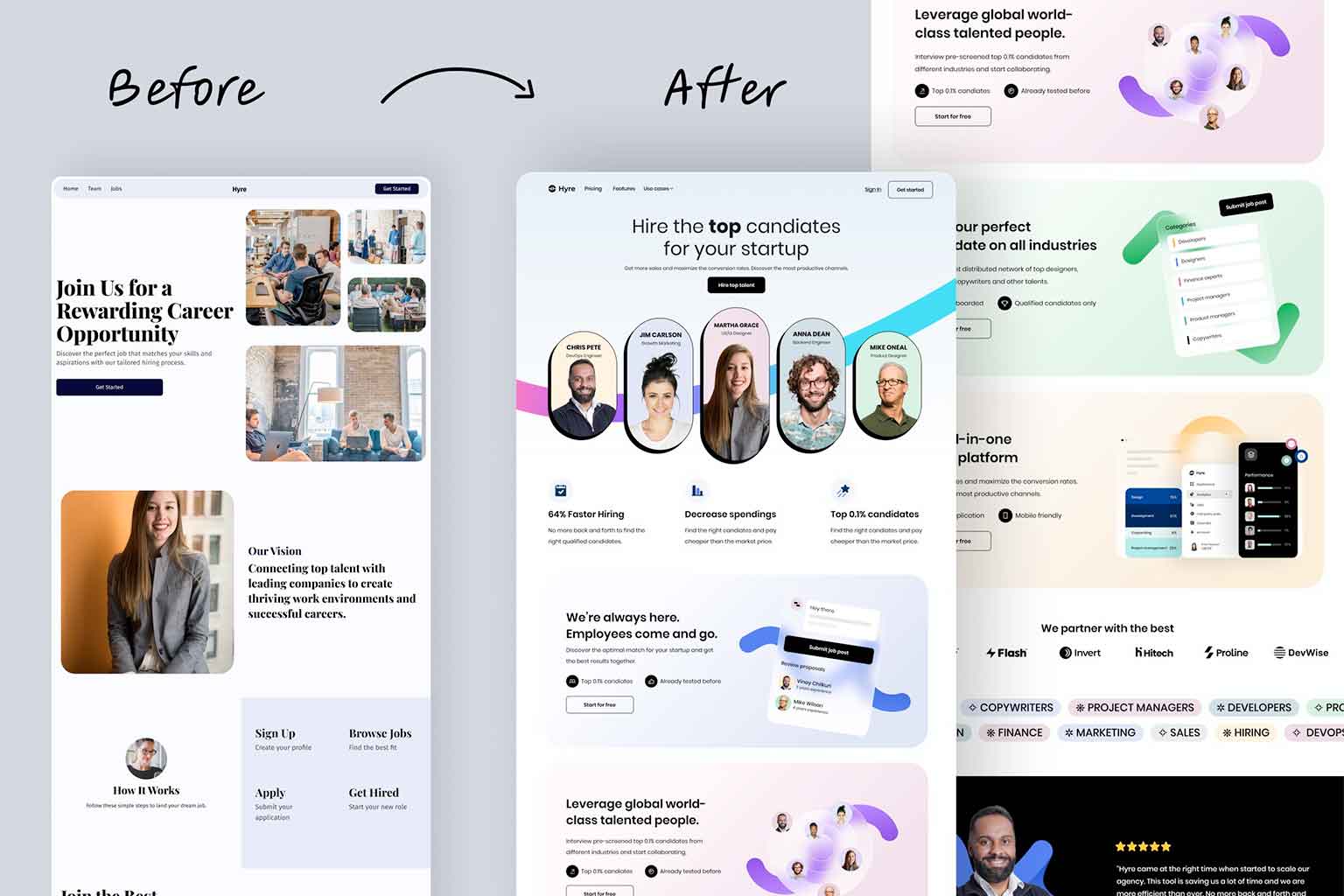
Professional Appearance: A multi-page website often appears more professional and comprehensive. It allows you to showcase your services, products, testimonials, and more in a structured and aesthetically pleasing manner. This can enhance your credibility and appeal to potential customers, thus increasing sales and conversions.
Multi-page websites are the better choice
While single-page websites might seem like a simple and cost-effective solution, they often fall short in terms of SEO, content organization, and scalability. For small businesses looking to establish a strong online presence, a multi-page website is typically the better choice. By choosing a multi-page website, you’re investing in a scalable, SEO-friendly solution that will grow with your business and deliver a superior user experience.