Should your domain name move when your site does?

When businesses move from Wix or Squarespace to WordPress, the focus is usually on design and content. One critical detail often gets missed: the domain name. Leaving a domain with an old platform can create unnecessary complications later. Understanding where your domain lives and when to move it can save time, frustration, and future technical headaches.

What Most Website Rebuilds Miss About Domain Names

Most website redesign projects focus on design and content. And they should. Those are two of the biggest factors in how a website looks, feels, and performs.

One area that often gets overlooked is the domain name.

That oversight can create unnecessary headaches later. Not immediately, but months or even years down the road.

This is especially common when a business moves away from all-in-one platforms like Wix or Squarespace and rebuilds their site on WordPress.

What a Domain Registrar Actually Does

A domain registrar does not own your domain name. The client always should.

The registrar manages the domain on the owner’s behalf. Renewals. DNS records. Security settings. Transfers. All of the behind-the-scenes controls that keep a domain working properly.

At Full Scope Creative, we always make sure the client is listed as the domain owner. That matters. Ownership ensures the business controls the domain and its future use. We manage the technical side so clients do not have to worry about renewals, DNS updates, or security settings.

This distinction is important because not all registrars handle things well.

Some make DNS updates unnecessarily complicated. Others bury transfer codes behind multiple support requests. When changes are needed quickly, that friction becomes a problem.

Registrar quality directly affects flexibility. It affects how easily changes can be made. It affects how smoothly future transitions happen.

If You’re Leaving Wix or Squarespace, Your Domain Should Leave Too

This is the most important part of the discussion.

Wix and Squarespace are built as closed systems. They work well enough when everything lives inside their platform and stays there long term.

Once you move your website to WordPress, that advantage starts to disappear.

Leaving the domain behind can create ongoing friction. Old logins get forgotten. Access becomes harder to track down. DNS updates turn into a scavenger hunt. If the platform changes how something works, you are stuck adapting to it.

Moving the domain out avoids that.

It creates cleaner DNS management. It removes reliance on an old system you no longer actively use. It simplifies long-term maintenance when the domain is managed alongside the new website.

This is not an urgent, high-risk issue. It is a smart long-term decision that helps avoid headaches later.

Where Should the Domain Go Instead?

The goal is not to chase the perfect registrar.

The goal is stability.

A good registrar should offer clear DNS access, auto-renewal, two-factor authentication, and straightforward transfer processes. It should be easy to log into and easy to manage.

That is it.

The registrar should be reliable and uneventful. When something needs to be changed, it should not feel like work. It should just get done.

When Is the Best Time to Transfer a Domain During a Rebuild?

The honest answer is that it depends.

If the new site build is going to take a few weeks, transferring the domain early or at the start of the project can be a clean approach. It creates a fresh setup from day one.

Domain transfers can take up to seven days to complete, so timing matters. If you take this route, avoid updating contact information until the DNS update is made to launch the new site. Changing registrant details can trigger a sixty-day lock that prevents further changes.

If the rebuild timeline is tight, leaving the domain where it is during development is completely fine.

In that case, update DNS first to launch the new site. Let that change propagate and settle. Then transfer the domain once everything is stable.

There is no single right moment.

The goal is minimizing disruption, not following a rigid rule.

Does the Domain Registrar Impact SEO?

No. Not directly.

Where a domain is registered does not influence search rankings.

Problems only arise if renewals fail or DNS records break. Those issues can cause downtime, which can impact visibility. That is a reliability issue, not an SEO strategy.

What does affect SEO is the CMS.

The registrar does not influence rankings the way the CMS does. Platforms like Wix, Squarespace, and WordPress offer very different levels of control. Moving to WordPress opens more flexibility for content structure, technical optimization, and long-term growth.

But the registrar itself is not an SEO ranking factor.

Good Domain Management Means Fewer Headaches

These decisions are not about chasing perfection.

They are about removing friction.

At Full Scope Creative, we often manage domains, hosting, DNS, and websites together because it makes life easier for our clients. One place to call. One team that understands the full setup. Fewer things falling through the cracks.

If you are rebuilding a site and unsure what should move, when it should move, or why it matters, this is exactly the type of decision we help clients navigate every day.


Ready to discover how we can help make your website and marketing more successful?
Contact Us

Marketing Made Simple

Insights from Full Scope Creative

Our thoughts on website design, graphic design, marketing, SEO, website hosting, branding, business management, and more here in the Full Scope Creative blog!

Insights, Tips, and Strategies for Small Business Success

Our blog is packed with expert advice on website design, SEO, marketing, branding, and more. Whether you’re looking to improve your website’s performance, boost your online presence, or streamline your business’s digital strategy, you’ll find valuable insights and actionable tips right here.

Do Real Estate Agents Need a Website

Do real estate agents need a website if they already use Zillow or Realtor.com? Those platforms help, but they are not yours. Your own website gives you control over branding, SEO, and lead capture. It becomes a real business asset that grows with you and supports your long term success.

Read More »

Shared vs Dedicated Hosting for SEO

Does shared hosting hurt SEO? Does dedicated hosting help rankings? The truth is simpler than most people think. Google does not rank websites based on server type. It ranks them based on performance. In this article, we break down what actually matters for SEO and how hosting should support your growth, not replace real strategy.

Read More »
A client asking a question - great blog material!

Turn Client Questions Into Blog Posts

Every time a client says, “I have no idea what that is,” you just found your next blog topic. Instead of explaining it once and moving on, turn that question into an article. Then share it when others ask. You build traffic, trust, and authority all at the same time by simply teaching clearly.

Read More »
Hiking freely in nature. the joy of open, NOT closed website builders.

Closed Website Design Platforms

Closed website design platforms like Wix, Weebly, Squarespace, and GoDaddy Website Builder can be easy to start with. But they come with limits. You cannot move the site, change hosting freely, or fully customize the code. This article explains what a closed platform is and why many growing businesses choose WordPress instead.

Read More »
An example of a brand design guide

What is a Brand Design?

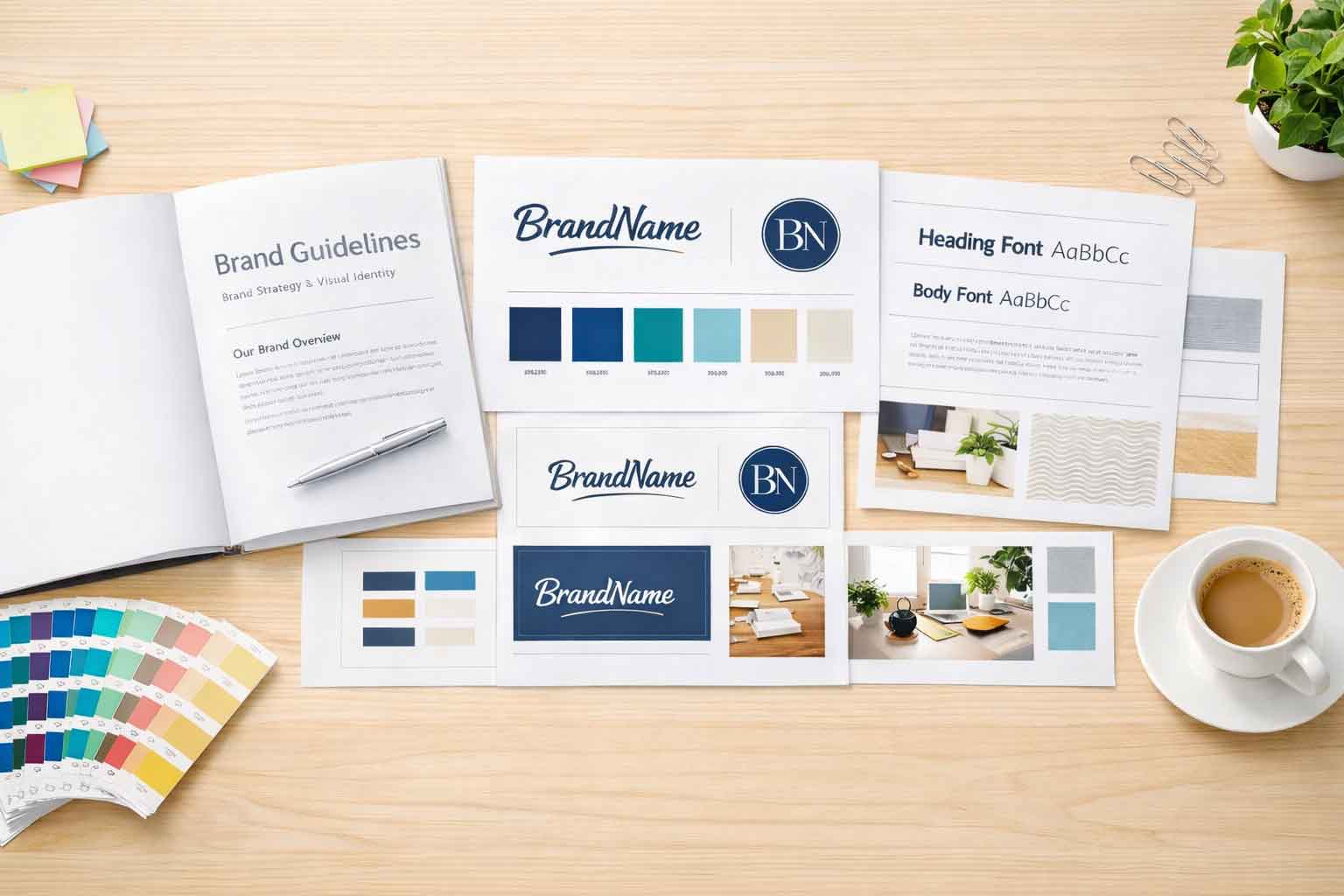
What is a brand design? It’s more than a logo. Brand design defines your colors, fonts, textures, and overall visual style so every part of your marketing looks consistent and professional. For small businesses, strong brand design creates clarity, improves websites, and makes future marketing easier and more effective.

Read More »

Which Website Builder Is Best for WordPress?

Trying to decide which website builder is best for WordPress? Divi, Beaver Builder, WP Bakery, and Elementor all offer different strengths. In this guide, we break down what each builder does well, where they fall short, and why Elementor is our top choice for small business websites at Full Scope Creative.

Read More »
ACF and Elementor are easy to use and can add so much to a site!

ACF and Elementor

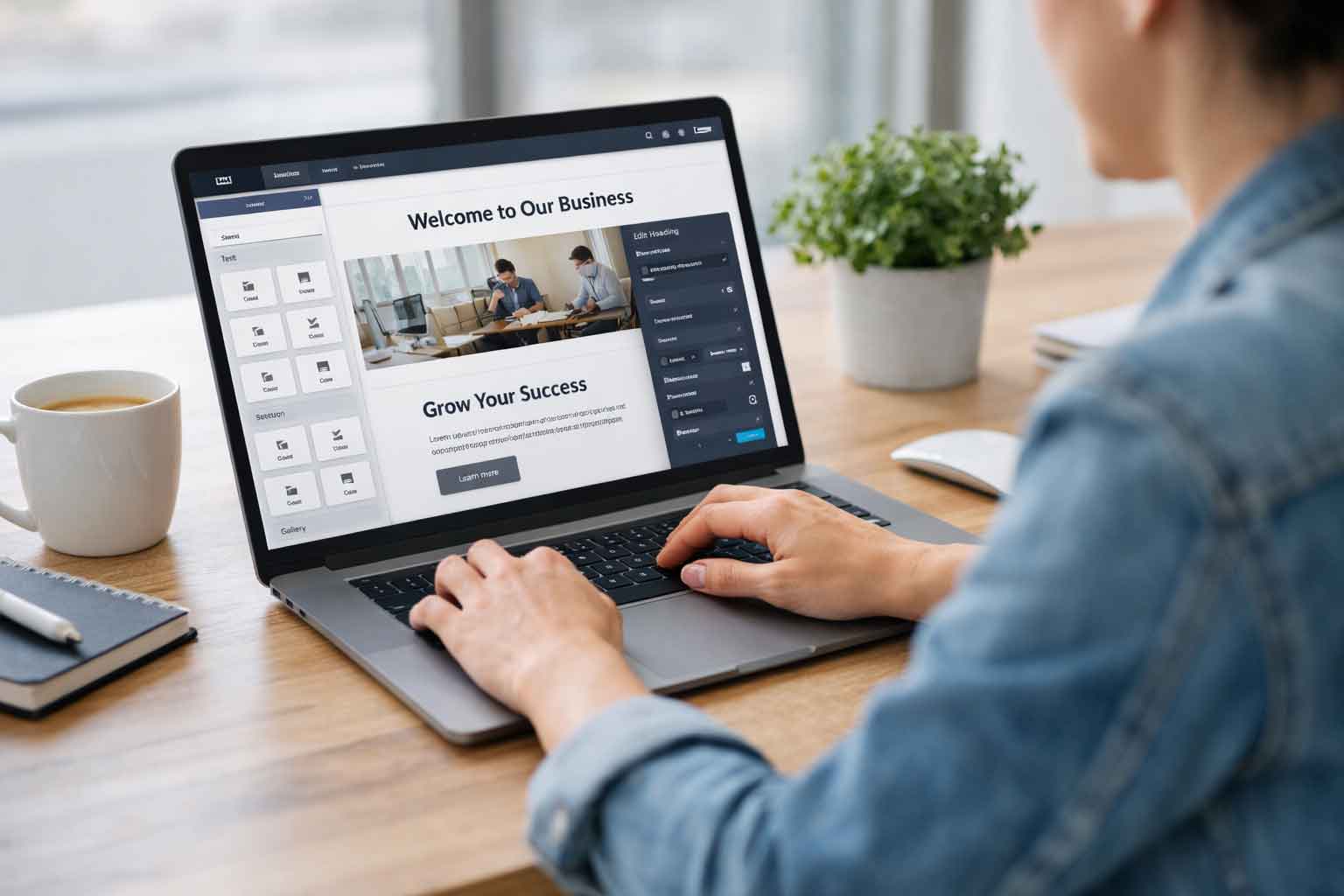
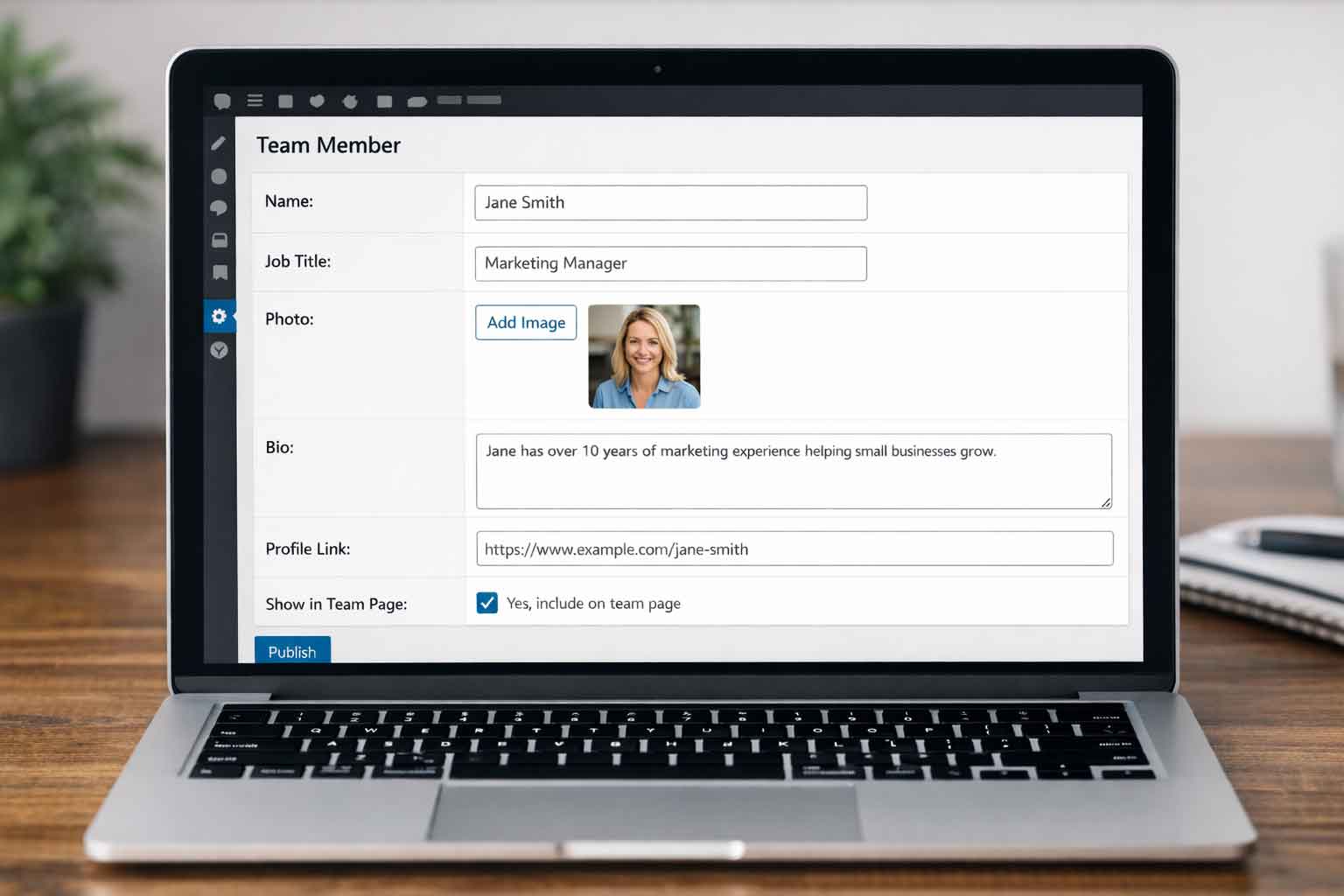
ACF and Elementor allow us to turn a basic WordPress site into a structured, easy-to-manage system. With custom fields, custom post types, and dynamic layouts, your content stays organized and simple to update. Full Scope Creative sets it all up so you can just fill out fields and publish with confidence.

Read More »
4 servers and the 4 different types of website hosting.

What Are the 4 Types of Hosting?

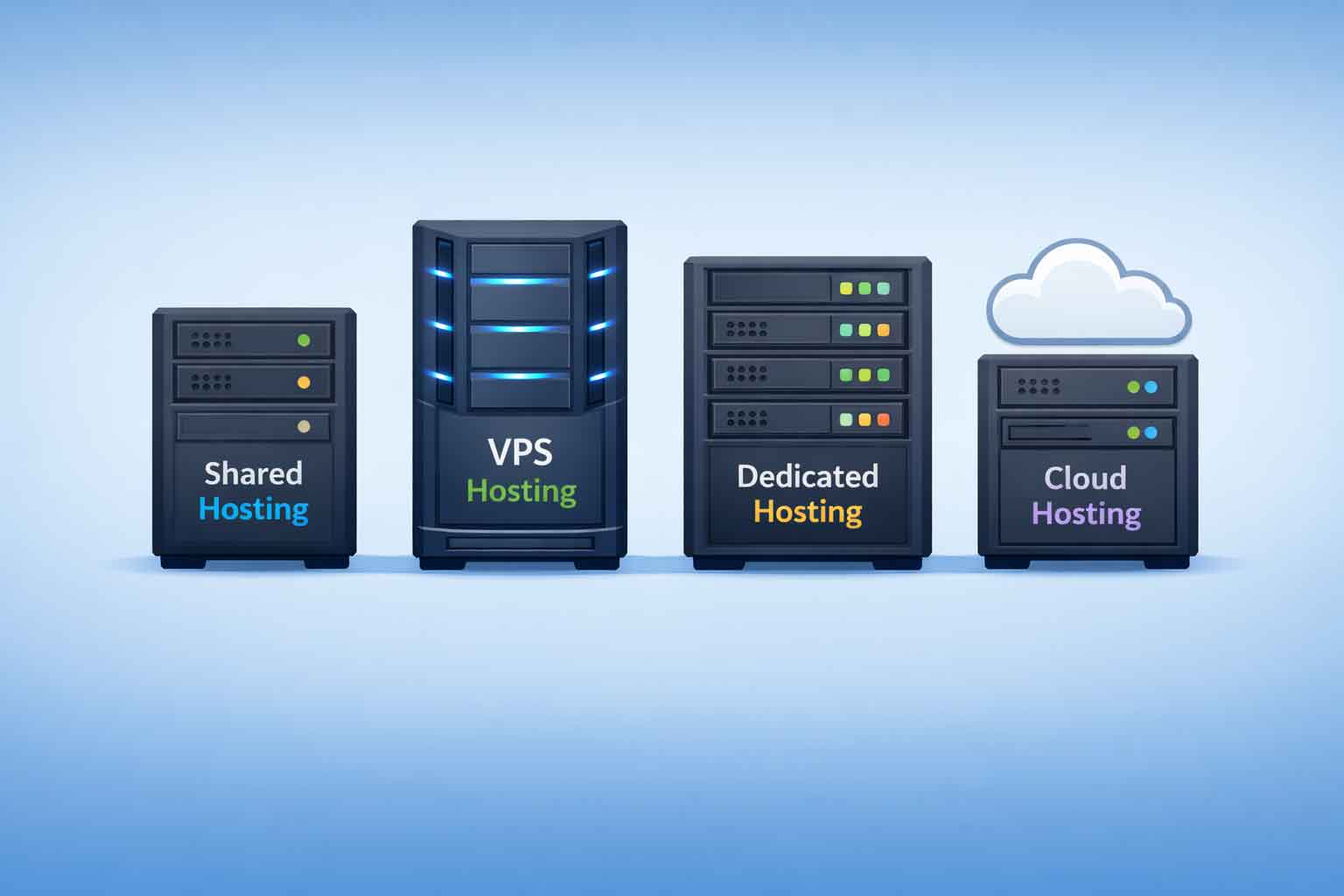
What are the 4 types of hosting? Shared, VPS, dedicated, and cloud hosting each offer different levels of cost, speed, security, and control. In this guide, we break them down in simple terms so small business owners can understand their options and choose a hosting setup that fits their needs and budget.

Read More »
business owner going over a checklist

Your Site Isn’t Ready for SEO If…

SEO can drive real growth for a small business. But if your website is slow, hard to use on mobile, thin on content, or not focused on the right keywords, you may be wasting money. Before investing in SEO, make sure your site is built and structured to support it the right way.

Read More »
Ready to discover how we can help make your website and marketing more successful?
Contact Us

The De Pere Area Chamber of Commerce partnered with Full Scope Creative when a new website was needed. The partnership has been great, with the response of Chris’ team being much appreciated. I was part of our website process as a Chamber Board member, and now that I am leading the Chamber, I am even more thankful for Chris and his team for what they provide us from a marketing standpoint with our website.

~ David Vander Bloomen,
De Pere Chamber of Commerce