Right Colors for Your Website Design

Color plays a powerful role in your website’s look and feel. It affects how users perceive your brand and influences their behavior. Choosing the right colors means more than just picking your favorites—it’s about aligning with your brand’s message, ensuring readability, and creating visual harmony. Thoughtful color choices help your site feel professional, trustworthy, and uniquely you.

One of the most powerful tools in website design

Color is one of the most powerful tools in website design. It shapes the way visitors perceive your brand, influences their emotions, and plays a critical role in guiding them through your site. For small businesses, selecting the right colors for your website can make a big difference in how effectively you connect with your audience.

In this blog, we’ll explore how to choose the perfect color palette for your website and the key considerations to keep in mind.

Why Colors Matter in Website Design

Colors are more than just decorative elements; they communicate your brand’s personality and values. Studies have shown that up to 90% of snap judgments about products are based on color alone. Here’s how colors impact your website:

  • Emotion and Mood: Different colors evoke different emotions. For example, blue is often associated with trust and professionalism, while red conveys energy and urgency.
  • Brand Recognition: Consistent use of your brand colors across your website strengthens brand recognition.
  • User Experience: A well-thought-out color scheme improves readability, navigation, and overall user satisfaction.

Steps to Choose the Right Colors for Your Website

Understand Your Brand Identity

Your website’s colors should reflect your brand’s personality and mission. Ask yourself these questions:

  • What emotions do I want my brand to evoke?
  • Who is my target audience, and what colors resonate with them?
  • What are my brand’s core values?

For example, if you run a wellness business, soft greens and blues might align well with a sense of calm and health. On the other hand, a tech company might lean toward sleek, modern tones like silver and black.

Learn Basic Color Psychology

Understanding the psychology of colors can help you make informed choices:

  • Red: Passion, excitement, urgency
  • Blue: Trust, professionalism, calm
  • Yellow: Optimism, warmth, attention
  • Green: Growth, health, nature
  • Black: Sophistication, luxury, power
  • White: Simplicity, cleanliness, clarity

Choose colors that align with your brand’s message and goals.

Create a Color Palette

A cohesive color palette ensures consistency throughout your site. A typical palette includes:

  • Primary Color: The dominant color that represents your brand.
  • Secondary Colors: Complementary colors that add variety.
  • Accent Colors: Used sparingly for calls to action (CTAs) or important elements.

Tools like Adobe Color, Coolors, or Canva’s Color Palette Generator can help you create a harmonious color scheme.

Consider Accessibility

It’s crucial to ensure your color choices are accessible to all users, including those with visual impairments. Follow these tips:

  • Ensure Contrast: Text should have sufficient contrast against the background for readability. Use tools like WebAIM’s contrast checker to test your choices.
  • Avoid Relying on Color Alone: Use icons, labels, or patterns to convey information so colorblind users aren’t excluded.

Test and Refine

Once you’ve chosen a color scheme, test it on your website to see how it looks in practice. Pay attention to:

  • Legibility: Are the text and CTAs easy to read?
  • Consistency: Are your colors consistent across all pages?
  • User Reactions: Gather feedback from your audience to see if the colors resonate with them.

Common Mistakes to Avoid

  • Using Too Many Colors: A cluttered color scheme can overwhelm visitors. Stick to 2-3 main colors and use others sparingly.
  • Ignoring Your Audience: Choose colors that appeal to your target demographic, not just your personal preference.
  • Overlooking Mobile Design: Colors may appear differently on mobile devices. Test your site on various screen sizes.
A crucial step in creating visual appeal

Choosing the right colors for your website is a crucial step in creating a visually appealing and effective online presence. By understanding your brand identity, leveraging color psychology, and focusing on accessibility, you can craft a color palette that resonates with your audience and enhances their experience. Remember, the right color choices can help communicate your message and set your business apart from the competition.

Ready to discover how we can help make your website and marketing more successful?
Contact Us

Marketing Made Simple

Insights from Full Scope Creative

Our thoughts on website design, graphic design, marketing, SEO, website hosting, branding, business management, and more here in the Full Scope Creative blog!

Insights, Tips, and Strategies for Small Business Success

Our blog is packed with expert advice on website design, SEO, marketing, branding, and more. Whether you’re looking to improve your website’s performance, boost your online presence, or streamline your business’s digital strategy, you’ll find valuable insights and actionable tips right here.

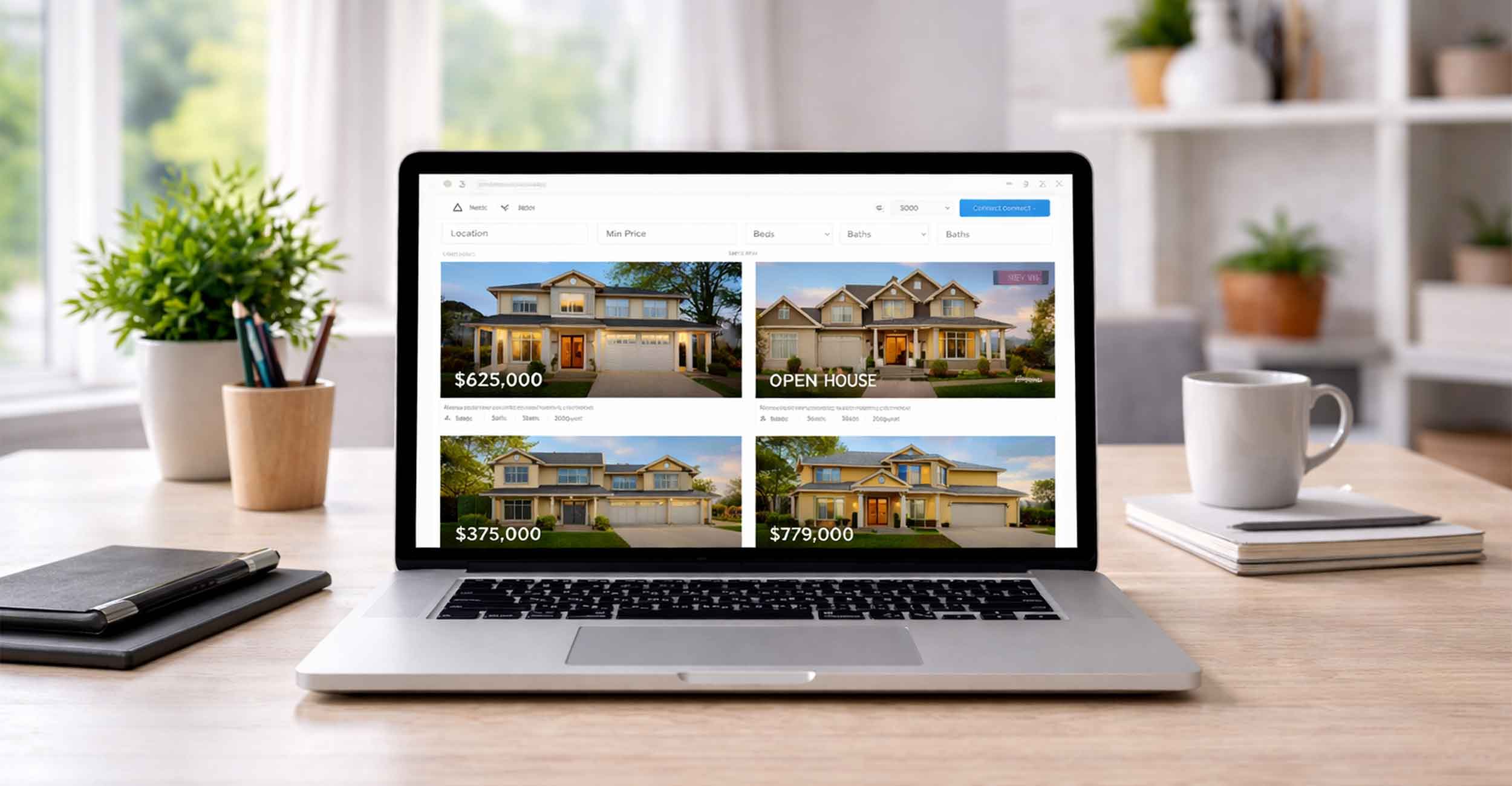
Homes listed on a website. You'll need an IDX plugin to do this on WordPress. Full Scope can help with that!

IDX Real Estate WordPress Plugin

An idx real estate wordpress plugin lets you show MLS listings on your own website. There is no free way to pull listings into WordPress, so you need the right tool. We use and recommend Showcase IDX. It connects to your MLS, keeps listings updated, and turns your site into a real marketing asset.

Read More »

Do Real Estate Agents Need a Website

Do real estate agents need a website if they already use Zillow or Realtor.com? Those platforms help, but they are not yours. Your own website gives you control over branding, SEO, and lead capture. It becomes a real business asset that grows with you and supports your long term success.

Read More »

Shared vs Dedicated Hosting for SEO

Does shared hosting hurt SEO? Does dedicated hosting help rankings? The truth is simpler than most people think. Google does not rank websites based on server type. It ranks them based on performance. In this article, we break down what actually matters for SEO and how hosting should support your growth, not replace real strategy.

Read More »
A client asking a question - great blog material!

Turn Client Questions Into Blog Posts

Every time a client says, “I have no idea what that is,” you just found your next blog topic. Instead of explaining it once and moving on, turn that question into an article. Then share it when others ask. You build traffic, trust, and authority all at the same time by simply teaching clearly.

Read More »
Hiking freely in nature. the joy of open, NOT closed website builders.

Closed Website Design Platforms

Closed website design platforms like Wix, Weebly, Squarespace, and GoDaddy Website Builder can be easy to start with. But they come with limits. You cannot move the site, change hosting freely, or fully customize the code. This article explains what a closed platform is and why many growing businesses choose WordPress instead.

Read More »
An example of a brand design guide

What is a Brand Design?

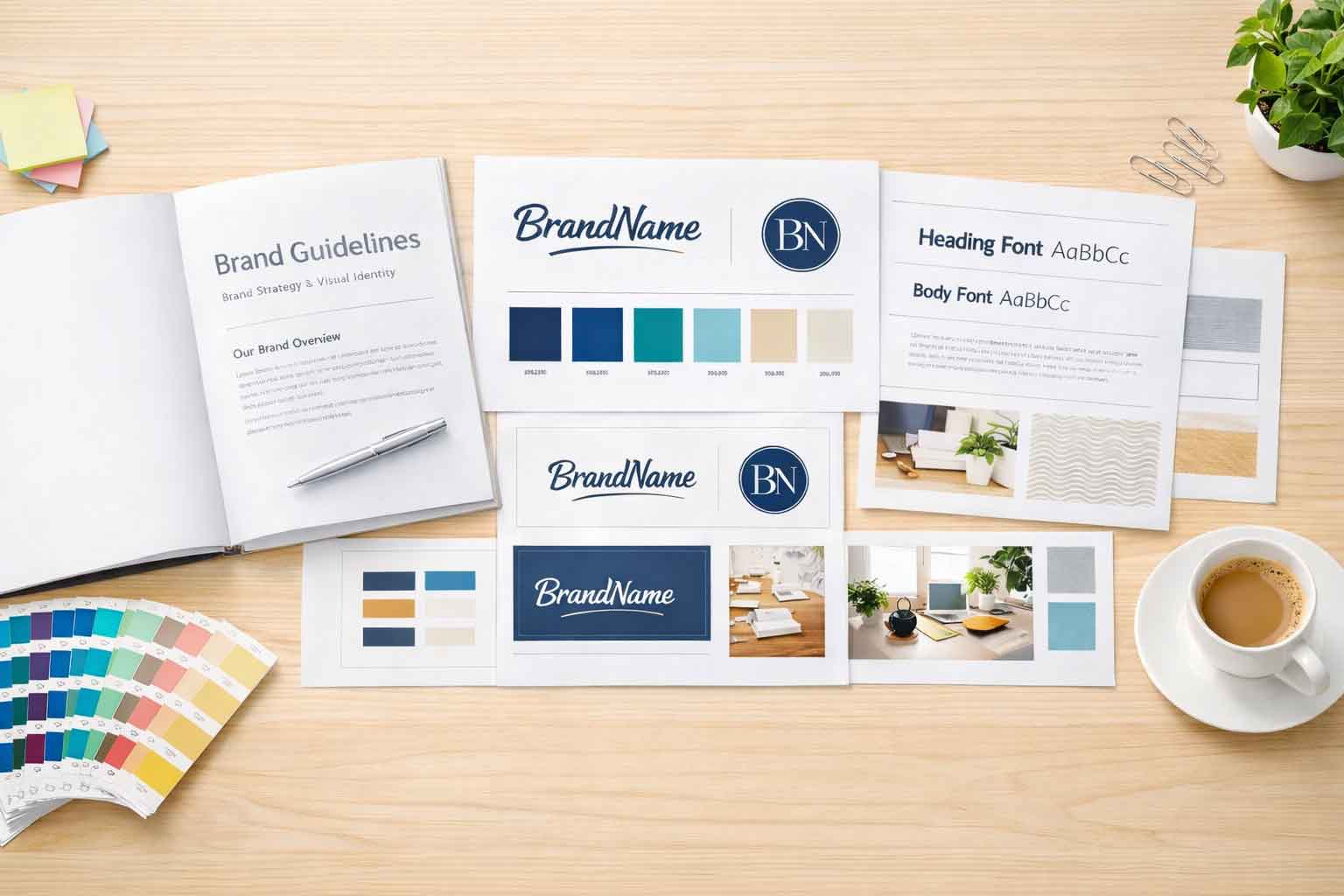
What is a brand design? It’s more than a logo. Brand design defines your colors, fonts, textures, and overall visual style so every part of your marketing looks consistent and professional. For small businesses, strong brand design creates clarity, improves websites, and makes future marketing easier and more effective.

Read More »

Which Website Builder Is Best for WordPress?

Trying to decide which website builder is best for WordPress? Divi, Beaver Builder, WP Bakery, and Elementor all offer different strengths. In this guide, we break down what each builder does well, where they fall short, and why Elementor is our top choice for small business websites at Full Scope Creative.

Read More »
ACF and Elementor are easy to use and can add so much to a site!

ACF and Elementor

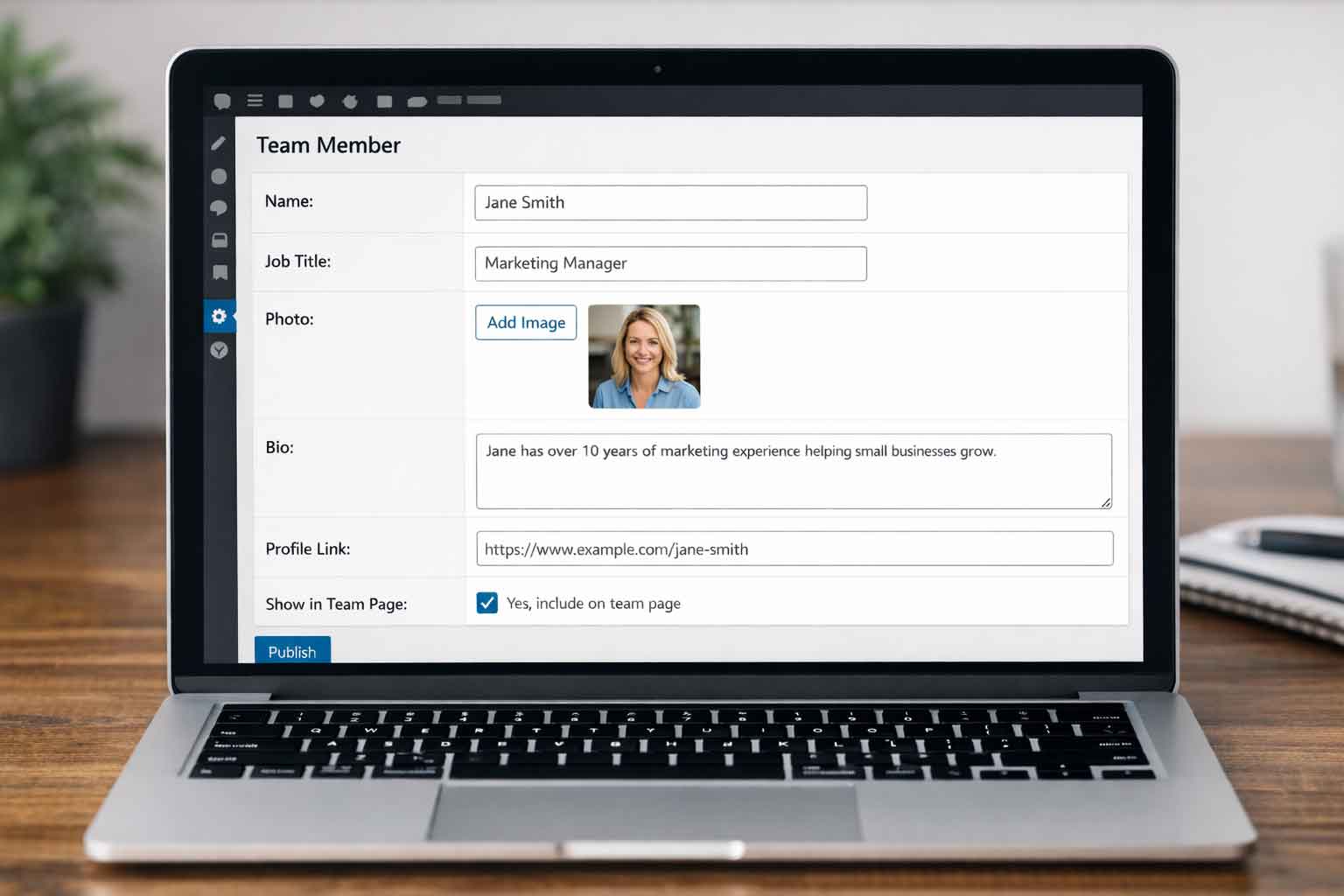
ACF and Elementor allow us to turn a basic WordPress site into a structured, easy-to-manage system. With custom fields, custom post types, and dynamic layouts, your content stays organized and simple to update. Full Scope Creative sets it all up so you can just fill out fields and publish with confidence.

Read More »
4 servers and the 4 different types of website hosting.

What Are the 4 Types of Hosting?

What are the 4 types of hosting? Shared, VPS, dedicated, and cloud hosting each offer different levels of cost, speed, security, and control. In this guide, we break them down in simple terms so small business owners can understand their options and choose a hosting setup that fits their needs and budget.

Read More »
Ready to discover how we can help make your website and marketing more successful?
Contact Us

Chris and his team at Full Scope Creative have been an absolute pleasure to work with. They are very professional yet they make you feel like they have known you forever. Highly recommend their services!

~ Donovan Ruh,
Elevate Systems