PNG vs EPS vs JPG vs PDF

Not sure whether to use a PNG, EPS, JPG, or PDF for your logo, photo, or print design? This quick guide breaks down the strengths of each file type and where they work best—whether you're posting on social media, updating your website, or sending something to print. Clear answers without the tech jargon.

A Quick Guide to Image Types

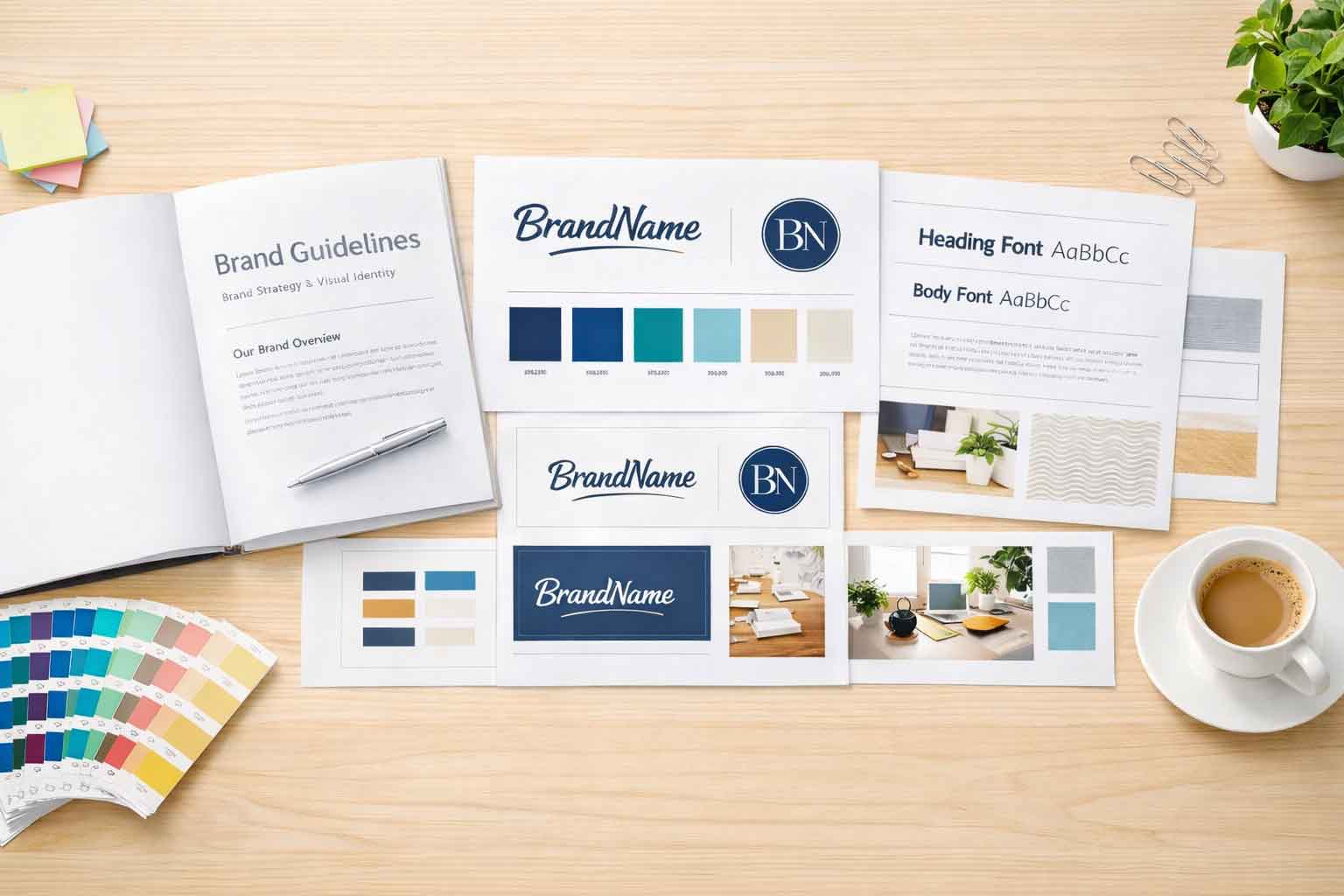
When we wrap up a new logo design or branding project, one of the questions we hear from a number of clients is which file types they should use and where. When these projects are completed we send our clients a folder containing PNGs, JPGs, PDFs, and sometimes EPS files. When looking at all the options it can be overwhelming to make sense of when to use which. Thankfully, you don’t need a graphic design degree to figure it all out. This quick guide will walk through when to use each type and why so you’ll be able to complete your marketing tasks quickly and confidently.

PNG: Ideal for Digital, Transparency, and Crisp Graphics

Best for: Logos, icons, graphics that require transparency, color gradients, or clean edges
Avoid for: Large print formats or when the file size is required to be small

PNG files are the go-to image file type for digital use because they can offer full transparency. This means the logo design on your website won’t have to show up with an awkward white box around it and social media posts won’t require odd backgrounds.PNGs are great for needing sharp, clean edges and graphics. They work great for things like icons, logos, and illustrations.

Their biggest downside? PNGs tend to be quite large file sizes compared to JPGs – especially if they’re not properly optimized. There are great tools like tinypng.com that compress a PNG without sacrificing too much (if any) quality.

JPG: Great for Photographs

Best for: Photos and images with wide array of colors
Avoid for: Graphics that require transparency or ultra-sharp lines and edges

JPG (or JPEG) is one of the most classic photo file formats. It works great for pictures – think staff photos, photos of your products, or stock images used in website banners. JPGs are often  smaller in size than PNGs, making them faster and easier to load on websites and social media platforms.

However, JPGs don’t support any transparency in the image at all. If the image is resized up or down too much it can also start to look fuzzy or blurry (pixelated if you want the technical term). They’re rarely ideal for things like logos or text-heavy graphics, especially in print.

EPS: A Designer’s Go-To for Print

Best for: Large-scale printing jobs, vector graphics, high-resolution projects
Avoid for: Everyday use, social media, or websites

EPS files are (very large) vector-based, which means they can be scaled all the way up to billboard size without losing any image quality. This makes them the ideal choice for print collateral such as business cards, banners, signs, and anything that needs to look super crisp.

Because they’re a very technical file type, EPS files are often handled by graphic designers or print shops. EPS is a file type that you should never be uploading to Facebook or your website as they are a massive file size.

PDF: Versatile for both Print and Viewing

Best for: Print-ready documents, sharing designs, brand guidelines
Avoid for: Website graphics (unless embedded or linked)

PDFs are a great file type because they preserve things like layouts, fonts, colors and quality across all devices. They’re also very easy to send to a printer (large print shop or your printer in your office) and are widely accepted by graphic design and print professionals. You can even use a PDF format of your logo for some printing pieces and it’ll come out looking fantastic.

Just note: PDFs aren’t meant for image placement on a website or inside social media platforms. They’re for viewing and printing much more. That said if you’re linking to a PDF to have someone print or embed it on your site they can work great. .

What About Facebook and Social Media Banners?

For leading social media platforms like Facebook, Instagram, or LinkedIn, both PNG or JPG work very well. The decision will come down to quality and file size. If the file is too large, it may not upload properly or could be poorly compressed by the platform to save space. If the image is too smaller it can end up looking blurry and pixelated. As a general rule of thumb:

  • PNG works best for logos or text overlays
  • JPG works better for real life photo-based designs

If in doubt, send both versions—your designer can tell you which will look best.

Need a Hand Choosing the Right File?

Even with this guide, there are times when choosing the right file format still raises questions – especially when switching between web, print, and social media. If you’re ever unsure which version to use, feel free to reach out. We’re always happy to help make sure your brand looks its best wherever it’s showing up.

Ready to discover how we can help make your website and marketing more successful?
Contact Us

Marketing Made Simple

Insights from Full Scope Creative

Our thoughts on website design, graphic design, marketing, SEO, website hosting, branding, business management, and more here in the Full Scope Creative blog!

Insights, Tips, and Strategies for Small Business Success

Our blog is packed with expert advice on website design, SEO, marketing, branding, and more. Whether you’re looking to improve your website’s performance, boost your online presence, or streamline your business’s digital strategy, you’ll find valuable insights and actionable tips right here.

Is Your Website Causing Customers to Bounce?

Visitors decide whether to stay on your website in seconds. When a site feels confusing, cluttered, or hard to use, people leave without clicking, reading, or reaching out. A high bounce rate is rarely about pricing or competition. It’s usually caused by unclear structure, poor mobile experiences, and pages that make users work too hard.

Read More »
Improving a webpage for better SEO

How to Improve SEO Rankings for Service Pages

Service pages don’t rank the same way blog posts do. Improving their SEO takes more than keywords and backlinks. It requires clear focus, stronger structure, trust signals, and supporting content that works together. This article breaks down practical, page-level improvements you can make to help your service pages perform better in search results.

Read More »

2025 Blog Recap: What We Shared This Year at Full Scope Creative

In 2025, we shared a lot on the Full Scope Creative blog. Those posts came from real questions, real projects, and real conversations with small business owners. This recap looks back at what we covered, why those topics mattered, and how steady, practical education continues to shape how we support our clients.

Read More »

Do I Need Hosting If I Use WordPress?

If you use WordPress, you still need website hosting. WordPress is the tool that manages your content, while hosting is what makes your site accessible online. Without hosting, your website has nowhere to live. This article explains how WordPress and hosting work together and why many businesses choose managed hosting with Full Scope Creative.

Read More »

What Is a Mockup in Graphic Design?

A mockup in graphic design is more than a preview. It is a critical step where designers test how a design works in real-world situations like websites, signage, and print materials. This process helps uncover issues early and explains why professional graphic design involves far more than just making things look good.

Read More »

Easy Ways to Improve Your Site

Small website changes can make a big difference. You do not need a full redesign to improve readability and usability. Adjusting line height, adding white space, using clearer headings, and breaking up long paragraphs can make your site easier to read and easier to use. These simple improvements help visitors feel more comfortable and confident on your site.

Read More »

Blog Comments

Blog comments sound great in theory, but in reality they create more risk than reward. On most WordPress sites, open comments invite spam, add security concerns, and require ongoing moderation. That is why we turn blog comments off by default. It saves time, protects the site, and avoids unnecessary headaches for business owners.

Read More »
Referees making sure the rules are followed

What Are the 7 Rules of Graphic Design?

Good graphic design is about more than looks. The seven rules of graphic design help guide attention, improve clarity, and build trust with your audience. From balance and contrast to white space and movement, these principles show up in every effective logo, website, and marketing piece. When one is missing, something always feels off.

Read More »
Ready to discover how we can help make your website and marketing more successful?
Contact Us

Full Scope Creative has been great to work with. On top of the services they are contracted to provide, as a small Nonprofit without a website professional on staff, Chris is always willing to answer questions & provide guidance when asked. I recommend working with Chris and his team!

~ Leah Stevens,
LT Virtual Solutions