Logos are Tough
Creating a logo is not always sunshine and roses. It is a meticulous and thoughtful process that requires creativity and precision to fully embody the brand. Here at Full Scope Creative, we understand how significant a logo is as the visual cornerstone of brand identity. To craft compelling logos, we follow an in-depth, comprehensive process consisting of intense research, drafting initial designs, and making revisions until the logo is perfect. By taking every necessary step, we are able to craft a logo that tells the brand’s story at a glance and leaves a lasting impression.
Without further ado, let’s go over the process that I, as a designer, take to craft a successful logo.
Phase 1: Research
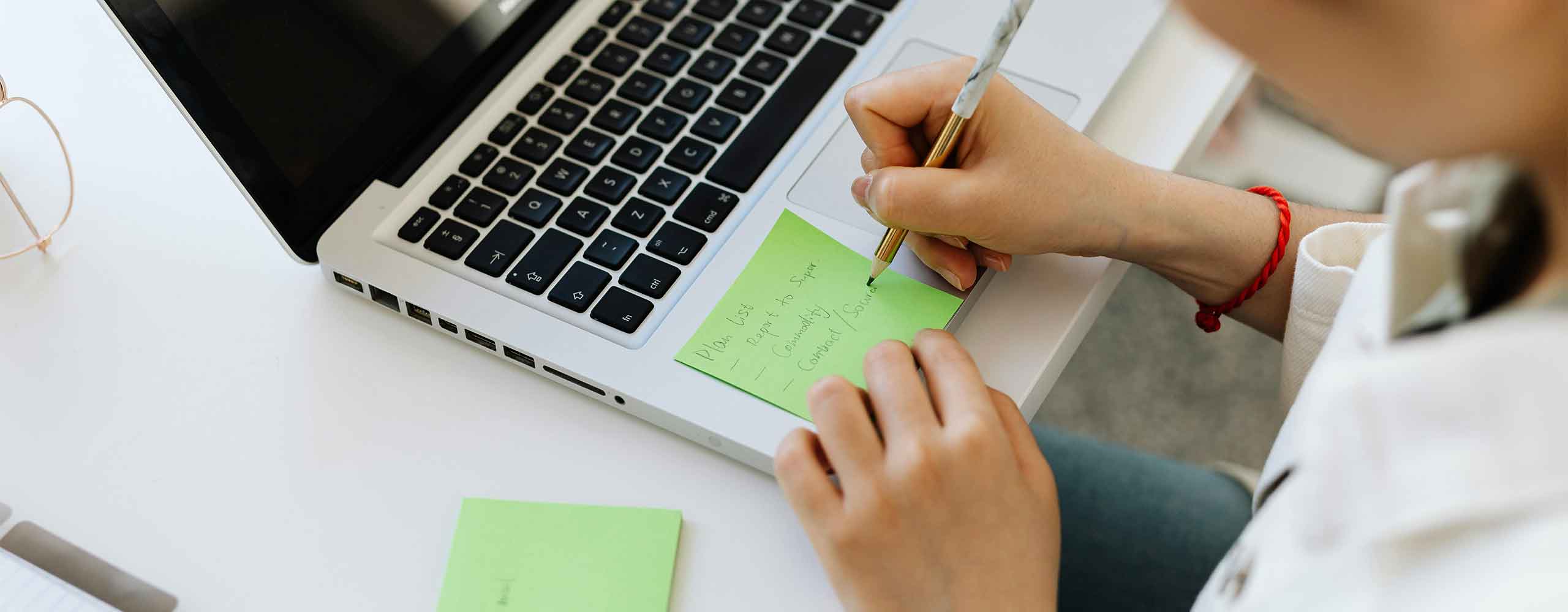
I cut up the process into four different phases, starting with the most crucial step of them all: research. This is where I learn absolutely everything about the brand I’m working with, as well as their competitors and what makes the specific brand I’m working with unique. The most comprehensive and simple way for me to ensure I’m following the right steps is a checklist consisting of multiple things I need to research.
Questionnaire Review
The first part of phase one gives me the bulk of the information I need to fully understand the brand, and that is the questionnaire. Here at Full Scope Creative, we love questionnaires—I’m only half joking. I know they are a pain, but through a completed questionnaire, I get a handle on how the company started, who they consider their greatest competitors, what visual styles they like, what fonts they want, and so forth.
Basically, a questionnaire review involves me completely reading over the questionnaire and getting a handle on the company, as well as emailing the client and asking any clarifying questions. But I don’t stop here; after that, we move onto…
Questionnaire Summary
After reviewing the questionnaire, I summarize each key point. This summary serves as a foundation for the entire design process, ensuring we stay aligned with your vision at every step. It’s here that I highlight things like colors, fonts, and everything in between, ensuring I fully understand what the client wants and creating a quick reference point for when I need to ensure I’m taking the proper steps in the design process.
Exploring Your Resources
Next is gathering even more information about the brand outside of the questionnaire. This consists mostly of checking their website, social media, and anything else that helps me understand even more about the brand. I usually take notes on certain things they say on their website that let me understand their values and what makes the company tick. This is very helpful in understanding the brand’s identity and painting a clearer picture.
Analyzing Competitors
Understanding the competitive landscape is crucial. It lets me understand just who we are up against, and I am able to analyze the competitors’ logos, branding strategies, and so forth to ensure that the logo I craft for the client will stand out and also fit within their industry.
Inspiration
Now that all of the boring, nitty-gritty stuff is done, we can finally focus on the artsy side of things… sort of. This part is at least more visual and less words, thank goodness. At this stage, I will sketch quick ideas, consult Pinterest for visuals, find inspiration in everyday life (yes, I am that weird person you see in a grocery store who takes out their phone to snap a picture of an ugly banana display because I like the layout or something). Then I will look at Google, free image source sites like Unsplash and Pexels, not-free sites, Behance, Dribble, AI prompters… the list goes on. The idea is to get as many visuals as I can from different sources so I can create… well, I’m getting ahead of myself. It’s time for phase 2, baby!
Phase 2: Initial Drafts
This is where we get into the meat and potatoes of logo building. It’s where I go from concepts to actual designs—albeit initial—but this is where we uncover the overall brand appearance. Like in phase 1, I make a checklist…
Mood Boards
First on this second phase checklist is the mood board. This is where I take all of the most compelling ideas I found when sifting through online inspiration and make them into a mood board. This defines the style I’m aiming to fit the design into, and it allows me to work out all sorts of little design elements I want to add or take away from the design. It helps me organize my thoughts and ideas so I can really get started on the next checkpoint.
Sketches
This is where I go crazy. There are no bad ideas—any idea is a good idea. I have to tell myself that sometimes because there are times when I get an idea on the fly, think it won’t work, put it on paper, and then it sparks the next greatest idea. Literally, I will sketch easily a hundred designs before I find the right ones. These sketches are rough but they are key in starting the next point.
Drafts
Once the sketches are worked out, I can finally start drafting some actual designs. This is where I take out my art program and try to work out a clean design based on my initial sketches. After that, I pick out my favorite designs and move onto the next checkpoint.
Review and Corrections
Usually, I can narrow it down to about 4 or 5 designs that I’m satisfied with, but even then, it’s good to get some outsider input. Showing it to other people provides another perspective, and often the people I show it to know absolutely nothing about design and can give me their thoughts as just some random viewer. They let me know which designs they prefer, and if there is anything I can change about them. Then that’s what I do: I make my final corrections and move on.
Sending to Clients
Once the drafts are polished, I can finally send them to clients for initial feedback. I send three different design concepts so they can find what they like and get some variety. Multiple designs are easier for everyone rather than a lot of back and forth trying to find the right design. This collaborative step ensures we are on the right track, and once that’s all worked out, we move onto the next phase.
Phase 3: Revisions
This phase is all about polishing the design so it fully meets the client’s needs.
Client Responses
First, we get the initial response from the client where they let me know the direction they want to go, which logo they want, any changes, and so forth. Then I can start the next checkpoint.
Revision Rounds
Now it’s time to actually engage in the revision process. We offer up to three rounds of revisions in our logo pack, and that’s typically more than enough time to configure the perfect design. But it’s the same process for each one. I make the revisions the client asks for, send it over, get feedback, and start again. Once that process is complete and the logo is fully worked out, we can finally take it to phase four!
Phase 4: Finalization
Finally, we are in the last phase where we get complete approval and send over the final files. Naturally, it’s a process!
Client Approval
First, we need explicit approval from the client before we can move on with sending over the final files. We want to ensure satisfaction with the final design before moving forward.
File Preparations
Once we receive approval, I start preparing the final files. This consists of taking each logo file and ensuring there is a full-color version, a black version, and a white version. These black and white versions are crucial for the logo to be adaptable regardless of the background.
Once I have that, I make two separate folders: one for the printed logo files and one for the digital logo files. This is essential because digital files are more vibrant, while print files are limited to the colors visible outside of the screen. Then I create each logo (color, black, and white) in several different file formats: JPEG, PNG, PDF, etc. This ensures the client has the proper file for any scenario, whether they are printing for a t-shirt or needing to make some form of edit.
Delivery to Client
Finally, we can deliver it to the client!
Project Completion
With the logo delivered, our project is complete. However, our relationship doesn’t end here. We remain available for any additional support or future design needs you may have.
Creating a logo is a collaborative and iterative process that requires careful planning and execution. By following these four phases—Research, Initial Drafts, Revisions, and Finalization—we ensure that the logo not only meets but exceeds your expectations.