One of the Fastest Ways to Ruin a Website

Bad images can ruin even the most well-designed website. Blurry photos, outdated shots, or overused stock images can make your brand look unprofessional and out of touch. Your site deserves visuals that reflect your quality and personality. Learn why great imagery is essential—and how to make sure your site makes a strong and lasting first impression.

Bad Images Can Undercut Even the Best Design

When building an amazing website, many small business owners focus on things like the content, the words, the layout, the colors. All of those things are incredibly important and detrimental to the success of the website (and business). There’s one other major element that is far too often overlooked but yet has the power to completely ruin even the best designed site: bad images.

At Full Scope Creative, we’ve seen this happen too many times to websites and businesses. A website can have great copy, an amazing layout and structure, and load in split seconds, but if the images are simply off – be that looking dated, blurry, generic, or completely separate from the brand – the whole site and user experience will suffer.

This image issue isn’t one that needs to happen on your site, so let’s look into the issue more and make sure it’s not happening on your site.

Why Bad Images Can Be So Damaging

When you meet someone in person for the first time, that first impression can set the tone for everything going forward. The same is true on your website. The first images that users see can set their idea of your business in seconds. Changing that first impression is beyond difficult. The images they see right away need to communicate quality and build trust.

But when if the website uses:

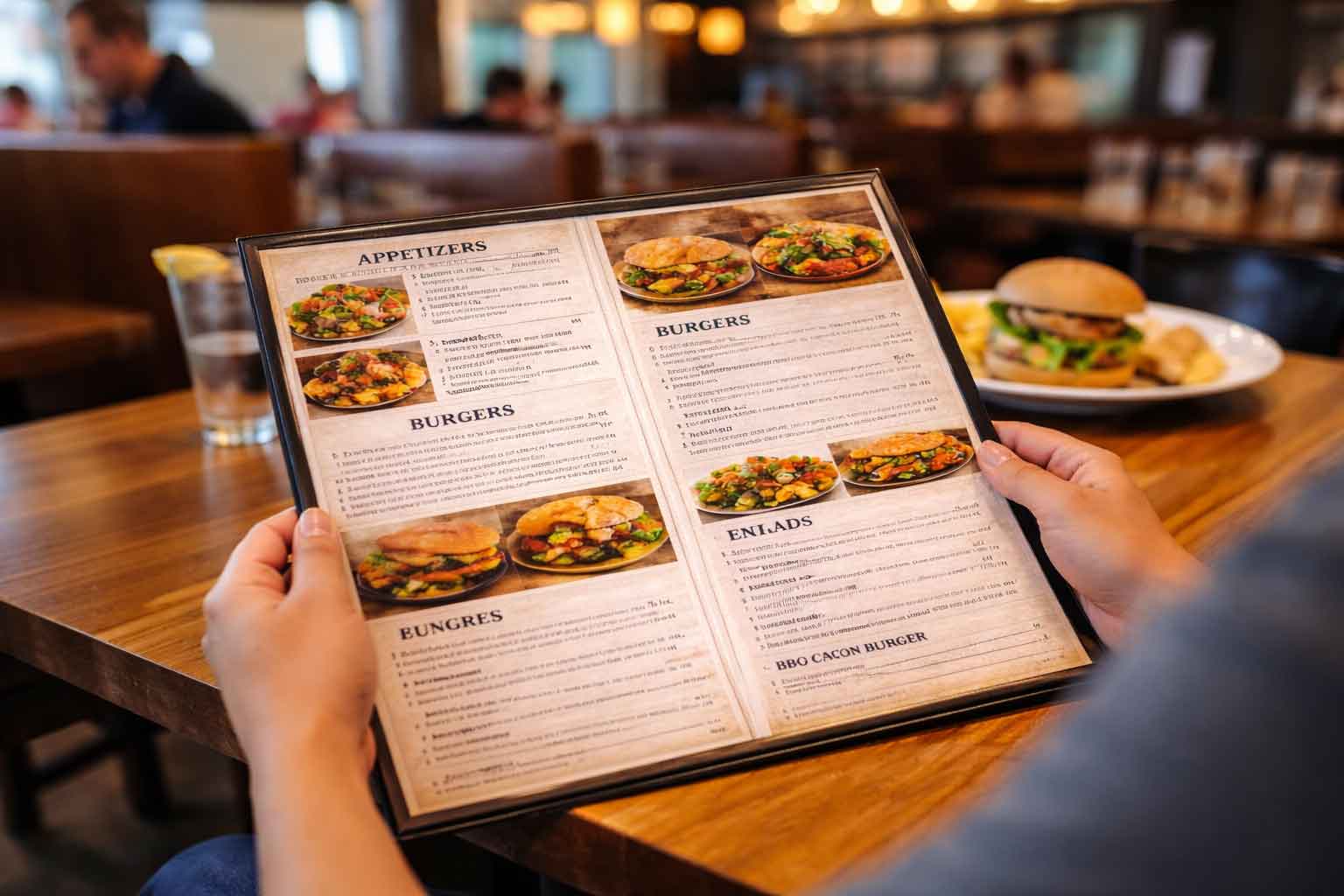
  • Blurry or low-resolution photos
  • Outdated pictures or old store shots
  • Overused, generic stock images
  • Images that don’t connect to the brand or industry

it can instantly make your business appear out of touch, unprofessional, or even untrustworthy.

Even with absolute top notch products or services, bad images can leave visitors questioning the business and brand.

“Stocky” Photos Don’t Build Trust

Stock images can be a sore spot for many in the creative fields. We’re not entirely against using them on sites, they have their place for some businesses and websites. But going too heavy on stock images and really on them too much, especially the images that “everyone’s seen this one before” can backfire quickly. You’ve seen the image of 5 business people in gray suits before – they work at 5 or 6 different companies in almost every city in America. 

If other businesses, or worse yet – your competitors,  are using the same stock images, your website and business lose credibility quickly. The goal is not to have your brand blend in, but to stand out.

Photos Should Reflect Your Unique Brand

Every business has a story. Every business has a personality. Every business has a set of values that make it unique to the marketplace. Every business’s photos should support and reflect that uniqueness. A friend of mine has a beautiful, unique, creative photo of him and his wife hanging in their house. Put my wife and I in that photo and it wouldn’t connect because it’s not our interests. The same holds true for your business photos. When visitors come to your site, they should get a sense of who and what the business is. That’s tough to do with stiff or irrelevant imagery.

For example:

  • If you own a local coffee shop, use real photos and images of your shop, your baristas, and your community.
  • If you’re a local law firm, use professional, polished images that show your team in action.
  • If you’re a creative agency, your images should be fresh, bold, and full of personality.

Generic simply doesn’t cut it anymore.

What Makes for a Great Website Image?

I’m not saying every photo on your site needs to be professionally taken or have thousands of hours put into it. At the end of the day, not every photo is going to be a magazine cover, but here’s what to aim for:

  • High resolution: No pixelation or blurriness (but optimized for great load time).
  • Natural and authentic: Use real photos of your team, your location, your products.
  • On-brand: Match the color tone of your brand and make sure the lighting and style align with your overall branding.
  • Purposeful: Every image should support the message of the page it’s on.

Don’t Let Bad Images Undermine Your Entire Website

A great website is more than just good code and catchy content. It’s about the whole picture (no pun intended for this blog article). That whole picture includes  the imagery that brings your brand and business to life. Don’t let your website be one of the ones that suffers due to poor images. Invest the time and effort to get the perfect images for your perfect website.

Ready to discover how we can help make your website and marketing more successful?
Contact Us

Marketing Made Simple

Insights from Full Scope Creative

Our thoughts on website design, graphic design, marketing, SEO, website hosting, branding, business management, and more here in the Full Scope Creative blog!

Insights, Tips, and Strategies for Small Business Success

Our blog is packed with expert advice on website design, SEO, marketing, branding, and more. Whether you’re looking to improve your website’s performance, boost your online presence, or streamline your business’s digital strategy, you’ll find valuable insights and actionable tips right here.

Which Website Builder Is Best for WordPress?

Trying to decide which website builder is best for WordPress? Divi, Beaver Builder, WP Bakery, and Elementor all offer different strengths. In this guide, we break down what each builder does well, where they fall short, and why Elementor is our top choice for small business websites at Full Scope Creative.

Read More »
ACF and Elementor are easy to use and can add so much to a site!

ACF and Elementor

ACF and Elementor allow us to turn a basic WordPress site into a structured, easy-to-manage system. With custom fields, custom post types, and dynamic layouts, your content stays organized and simple to update. Full Scope Creative sets it all up so you can just fill out fields and publish with confidence.

Read More »
4 servers and the 4 different types of website hosting.

What Are the 4 Types of Hosting?

What are the 4 types of hosting? Shared, VPS, dedicated, and cloud hosting each offer different levels of cost, speed, security, and control. In this guide, we break them down in simple terms so small business owners can understand their options and choose a hosting setup that fits their needs and budget.

Read More »
business owner going over a checklist

Your Site Isn’t Ready for SEO If…

SEO can drive real growth for a small business. But if your website is slow, hard to use on mobile, thin on content, or not focused on the right keywords, you may be wasting money. Before investing in SEO, make sure your site is built and structured to support it the right way.

Read More »

List out all of your services

Many small businesses offer more services than their website lets on. When those services are hidden or scattered, potential customers never see the full picture. This blog explains why clearly listing every service matters, how to structure services pages, and how the right setup helps build trust and guide visitors toward the next step.

Read More »
a website with a good CTA button

Better Calls To Action On a Site

Clear calls to action help guide website visitors instead of leaving them guessing what to do next. Just like good signage in a new building, CTAs create clarity, reduce frustration, and lead users where they want and need to go. If your website feels confusing, stronger CTAs can make all the difference.

Read More »

Do I need to redesign my website?

Do I need to redesign my website? It’s a question we hear all the time, and the answer is usually “maybe.” Some sites are outdated but workable. Others are held together with digital duct tape. This article walks through how to tell the difference and why starting with the “why” matters more than jumping into a redesign.

Read More »
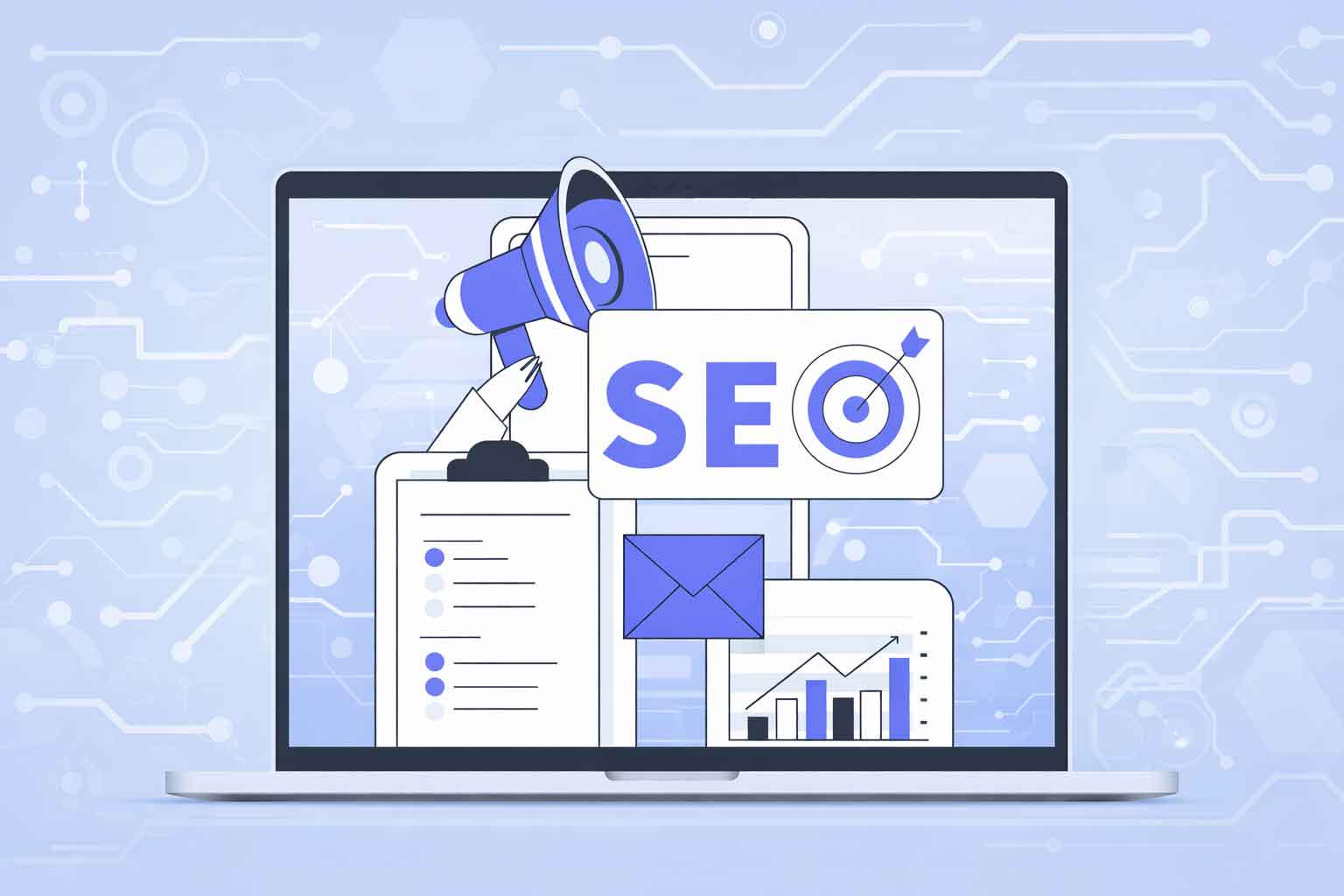
Illustration showing a website displayed on a computer screen with SEO elements like charts, content blocks, and targeting icons, explaining the question “Does Web Design Include SEO?” and how design and search optimization work together.

Does Web Design Include SEO?

Does web design include SEO? Not exactly, but the two work closely together. Web design focuses on structure, usability, and experience, while SEO focuses on visibility and how people find your site. A successful website needs both working together to reach its full potential and support long-term business growth.

Read More »
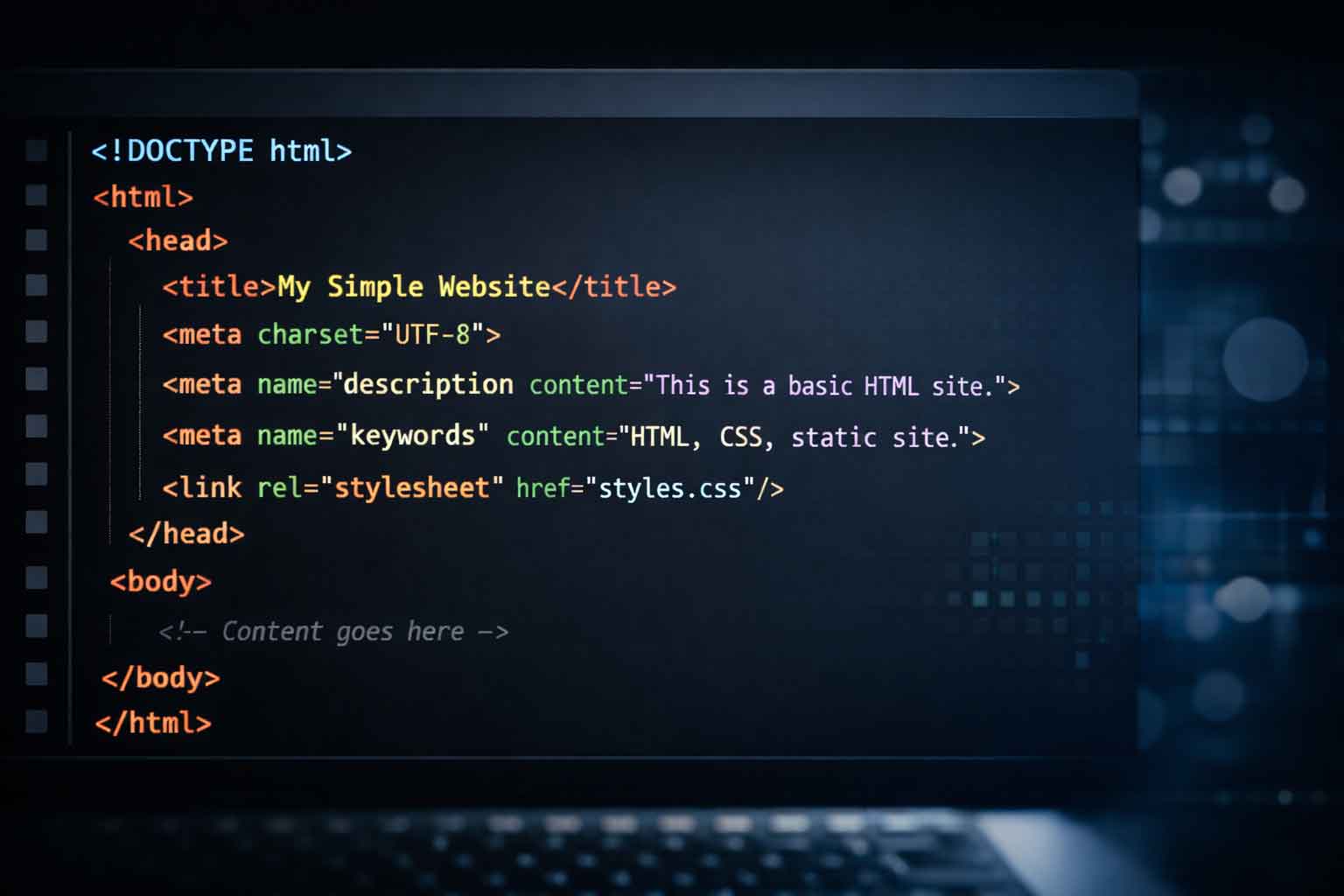
Simple HTML code for a website. Just cause it's a simple HTML site doesn't mean it can't be hacked.

Can a Static HTML Site Get Hacked?

Can a static HTML site get hacked? Many people assume simple websites are immune to security risks, but that is not how website security actually works. Hosting, access controls, and ongoing management play a much larger role than file type. This article explains why static sites are still vulnerable and how properly managed WordPress sites can be just as secure.

Read More »
Ready to discover how we can help make your website and marketing more successful?
Contact Us

Chris and his team are the best local web designers. They are great with details, patient with business owners (like myself) who are horrible with technology. They actually took the time to sit down and teach me how to use wordpress. Full scope understands small business because they are one

~ Ashley M.,
The Attic Books and Coffee