It’s in good hands

Your website shouldn’t just say you’re trustworthy, it should show it. From testimonials and portfolios to case studies and real team photos, the right elements help visitors feel confident reaching out. Learn how small changes to your website can build trust, reduce hesitation, and reassure people that they’re truly in good hands.

Ways Your Website Can Prove You’re Trustworthy

Each year, my wife and I have a couple of Christmas movies we always watch. One of them is Home Alone. Early in the movie, Marv shows up at the McCallister house posing as a police officer. He calmly tells the family, “Don’t worry about your home, it’s in good hands.” Of course, he was already scheming to rob them blind.

For businesses, not just the Sticky Bandits, trust is everything. Especially online. Your website is likely your introduction and your proof, all rolled into one. 

Saying “you’re in good hands” is easy. Showing it takes more intention. 

People want to feel safe and confident. They want to be reassured that they can trust who they’re dealing with.

Here are four of our most recommended ways to build and show trust directly on your website.

Testimonials

If you say something great about your own business, it’s just a marketing line. That’s because it is. But when your clients say something great about working with you, it carries real weight.

Testimonials help visitors answer a key question in their head: “Has this worked for someone like me?”

The strongest testimonials are specific. They mention the problem, the experience, and the outcome. They’re even better if connected to real people or real businesses. First names, company names, photos, and links go a long way in making testimonials feel genuine and not generic.

Whenever possible, connect testimonials to the work you did. Include a link to a portfolio item, a project page, or a case study about that exact project. That simple extra step helps visitors see the full story, not just a quote pulled out of context.

Portfolio

Saying you do great work is one thing. Showing it is another.

A portfolio lets visitors visually confirm what you’re capable of. It helps them picture what working with you might look like. For many businesses, especially service-based ones, this can be the difference between someone staying on your site or moving on.

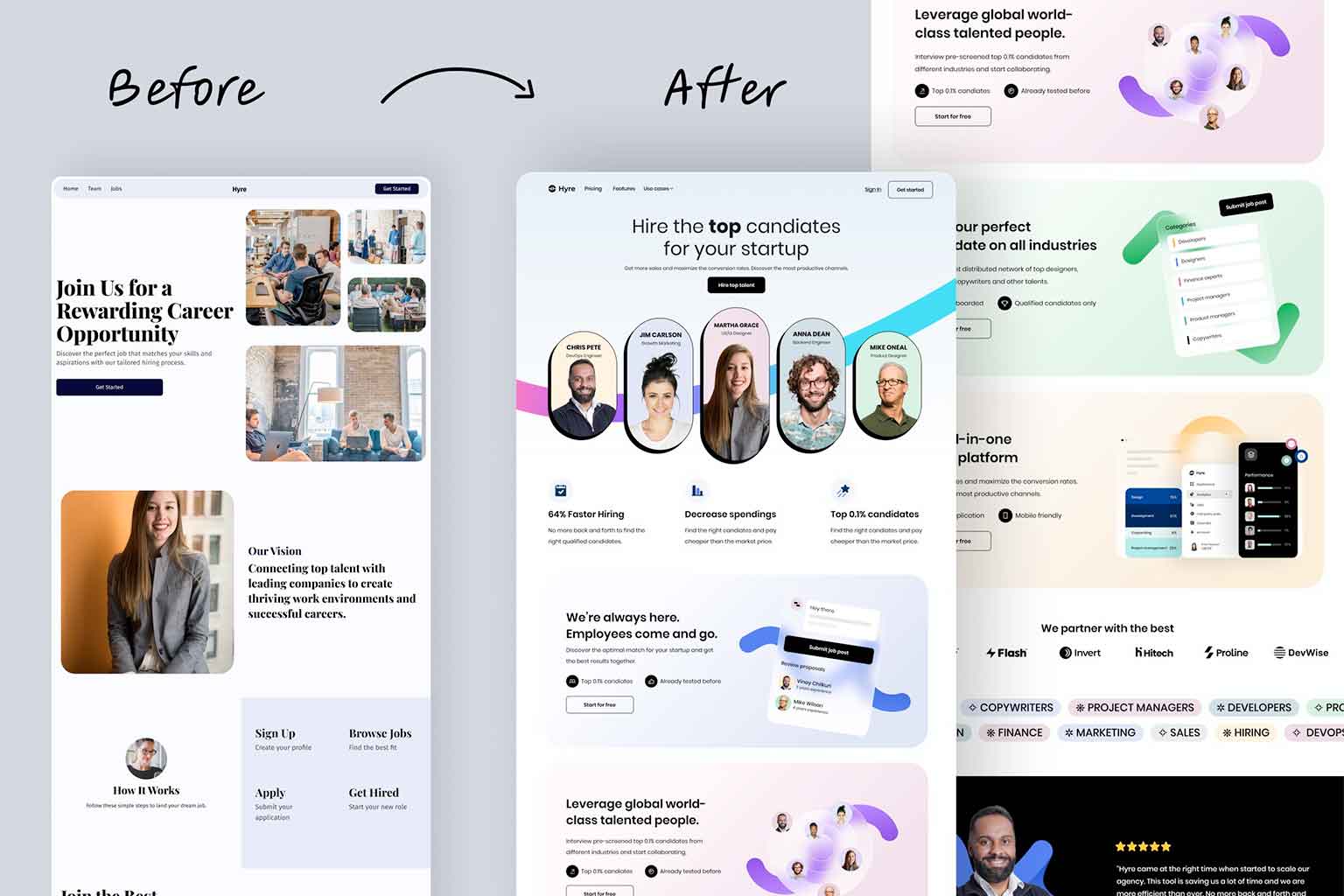
Before and after examples are especially powerful. They clearly show progress and improvement. They also help prospects understand the value of your work without needing a long explanation.

Your portfolio does not need to be massive. It just needs to be honest, current, and relevant to the kind of work you want more of. A few strong examples beat a large collection that no longer reflects what you do today.

Case Studies

Sometimes the work you do needs more explanation. That’s where case studies shine.

A good case study will walk a prospect all the way through the situation, the challenge, and to the solution. It shows your thinking, your process, and how you handle real-world problems. Case studies can be really helpful if your service is technical, layered, or hard to comprehend from the outside.

Case studies help build trust because they slow things down. They show that you know what you’re doing and that you’ve done it before. They also help the right clients self-identify. If someone reads a case study and thinks, “That’s exactly what I’m dealing with,” you’re already halfway there.

Team Photos

People want to buy from people. Not logos. Not vague company names. Real humans.

Including photos of your team helps visitors make a connection. It puts faces to names and adds personality to your business. It also subtly reassures people that there are real professionals behind the service.

Your team photos do not need to be fancy or overly polished. They should be clear, friendly, and accurate. Authentic beats perfect every time. When someone can see who they’ll be working with, it reduces hesitation and builds comfort.

Trust is not built with one element alone.

It’s built through consistency.

When testimonials, portfolios, case studies, and team photos all support each other, your website starts doing something important. It removes doubt. It answers questions before they’re asked. It quietly reassures visitors that they’re in good hands.

That feeling is what moves someone from browsing to reaching out.

A light check worth doing is this: if someone landed on your site for the first time today, could they quickly see proof that others have trusted you and had a good experience?

If not, that’s an opportunity. And it’s one of the most valuable improvements you can make to your website.

If you’re unsure how well your site is doing this, it never hurts to take a second look. Sometimes a few small changes can make a big difference in how trustworthy your business feels online.


Ready to discover how we can help make your website and marketing more successful?
Contact Us

Marketing Made Simple

Insights from Full Scope Creative

Our thoughts on website design, graphic design, marketing, SEO, website hosting, branding, business management, and more here in the Full Scope Creative blog!

Insights, Tips, and Strategies for Small Business Success

Our blog is packed with expert advice on website design, SEO, marketing, branding, and more. Whether you’re looking to improve your website’s performance, boost your online presence, or streamline your business’s digital strategy, you’ll find valuable insights and actionable tips right here.

4 servers and the 4 different types of website hosting.

What Are the 4 Types of Hosting?

What are the 4 types of hosting? Shared, VPS, dedicated, and cloud hosting each offer different levels of cost, speed, security, and control. In this guide, we break them down in simple terms so small business owners can understand their options and choose a hosting setup that fits their needs and budget.

Read More »
business owner going over a checklist

Your Site Isn’t Ready for SEO If…

SEO can drive real growth for a small business. But if your website is slow, hard to use on mobile, thin on content, or not focused on the right keywords, you may be wasting money. Before investing in SEO, make sure your site is built and structured to support it the right way.

Read More »

List out all of your services

Many small businesses offer more services than their website lets on. When those services are hidden or scattered, potential customers never see the full picture. This blog explains why clearly listing every service matters, how to structure services pages, and how the right setup helps build trust and guide visitors toward the next step.

Read More »
a website with a good CTA button

Better Calls To Action On a Site

Clear calls to action help guide website visitors instead of leaving them guessing what to do next. Just like good signage in a new building, CTAs create clarity, reduce frustration, and lead users where they want and need to go. If your website feels confusing, stronger CTAs can make all the difference.

Read More »

Do I need to redesign my website?

Do I need to redesign my website? It’s a question we hear all the time, and the answer is usually “maybe.” Some sites are outdated but workable. Others are held together with digital duct tape. This article walks through how to tell the difference and why starting with the “why” matters more than jumping into a redesign.

Read More »
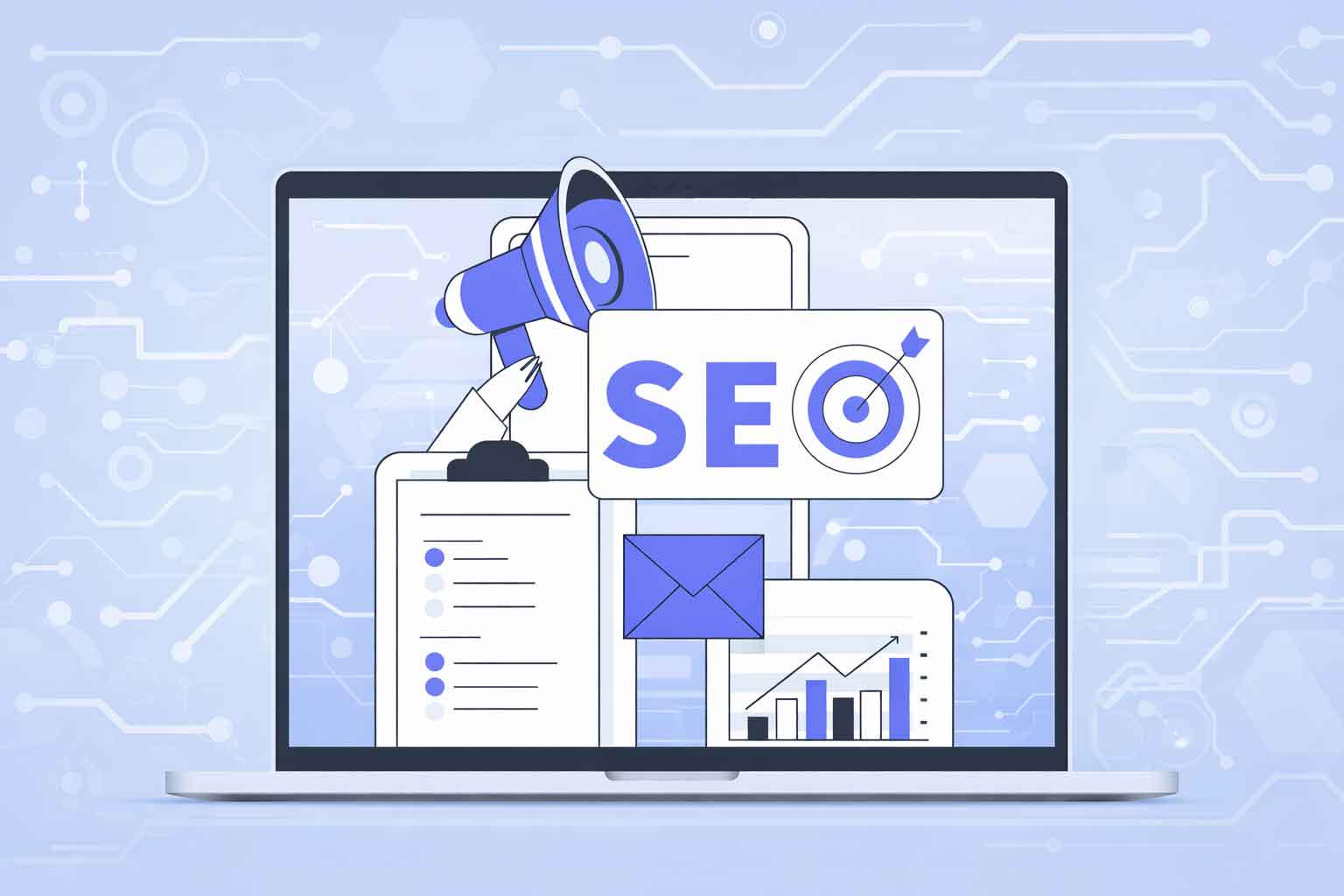
Illustration showing a website displayed on a computer screen with SEO elements like charts, content blocks, and targeting icons, explaining the question “Does Web Design Include SEO?” and how design and search optimization work together.

Does Web Design Include SEO?

Does web design include SEO? Not exactly, but the two work closely together. Web design focuses on structure, usability, and experience, while SEO focuses on visibility and how people find your site. A successful website needs both working together to reach its full potential and support long-term business growth.

Read More »
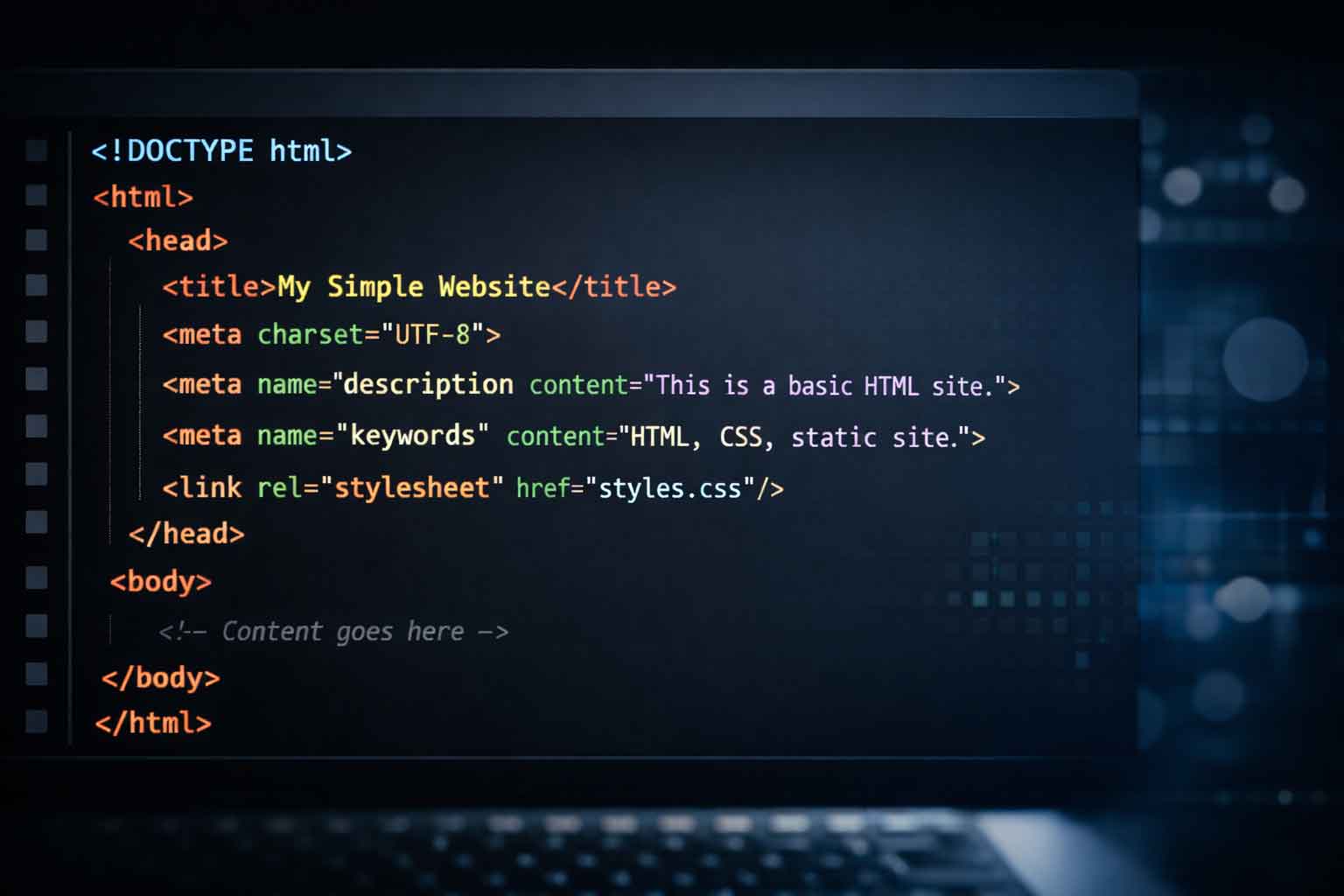
Simple HTML code for a website. Just cause it's a simple HTML site doesn't mean it can't be hacked.

Can a Static HTML Site Get Hacked?

Can a static HTML site get hacked? Many people assume simple websites are immune to security risks, but that is not how website security actually works. Hosting, access controls, and ongoing management play a much larger role than file type. This article explains why static sites are still vulnerable and how properly managed WordPress sites can be just as secure.

Read More »
A web browsers address bar showing the domain name.

Should your domain name move when your site does?

When businesses move from Wix or Squarespace to WordPress, the focus is usually on design and content. One critical detail often gets missed: the domain name. Leaving a domain with an old platform can create unnecessary complications later. Understanding where your domain lives and when to move it can save time, frustration, and future technical headaches.

Read More »
A computer screen with security icons

Can my WordPress site be hacked?

Can my WordPress site be hacked? Yes, it can, just like any other website. The real difference comes down to how security is managed. In this article, we explain why WordPress is safe when set up correctly, what security risks actually exist, and how Full Scope Creative removes the headaches by managing hosting, security, and backups for you.

Read More »
Ready to discover how we can help make your website and marketing more successful?
Contact Us

Chris and his team at Full Scope Creative have been an absolute pleasure to work with. They are very professional yet they make you feel like they have known you forever. Highly recommend their services!

~ Donovan Ruh,
Elevate Systems