How to Write Email CTAs That Actually Get Clicked

Your subject line gets the open, but your CTA gets the click. In email marketing, the right call-to-action can turn curiosity into conversions. Learn how to write CTAs that are clear, compelling, and impossible to ignore—without being pushy. Boost your click-through rates and start getting real results from every send.

More than just a “Click here” button

When most people think about email marketing, the first thing they focus on is the subject line. And yes – your subject line is crucial for getting someone to open the email. But once they’ve opened it, your next job is to get them to take action. That’s where your CTA, your call-to-action, comes in.

A CTA is more than just a “Click here” button. It’s the link between your reader’s interest and your ultimate goal, whether that’s scheduling a consultation, buying a product, downloading a guide, or signing up for an event. If your CTA falls flat, all the effort you put into crafting that email is wasted.

Know Your Goal Before Writing

Every email should have one main goal. If your message is trying to do five different things—sell a product, promote a blog, invite them to an event, and ask for reviews—you risk overwhelming your reader and diluting your results.

Instead, decide exactly what you want the recipient to do before you write a single word of the email. Once you have that goal nailed down, make sure your CTA drives people directly to it. For example:

  • Goal: Book a free consultation → CTA: “Schedule Your Free Consultation Today”
  • Goal: Download a PDF guide → CTA: “Get My Free Guide”

When you know the goal, writing the CTA becomes a whole lot easier.

Make It Action-Oriented and Clear

A good CTA tells people exactly what to do next. You want strong, direct verbs that inspire movement—words like “Download,” “Start,” “Schedule,” “Claim,” “Get,” or “Join.”

Avoid vague phrases like “Click here” or “Learn more.” They’re too generic and don’t give the reader a clear picture of what’s in it for them.

For example, instead of just “click here” for the text, use:

  • “Download Your Free Guide”
  • “Book Your 15-Minute Call”
  • “Reserve Your Spot”

The more specific you are, the more likely your reader will follow through.

Create Urgency Without Being Pushy

Urgency can be a powerful motivator, but there’s a fine line between effective and desperate. You don’t want to make your readers roll their eyes with endless “Act Now!” shouts.

Instead, use gentle urgency that gives a reason to act sooner rather than later:

  • Time-based offers: “Book by Friday to get your bonus gift.”
  • Scarcity cues: “Only 3 spots left for this workshop.”

When people feel like there’s a limited window to act, they’re more likely to click that CTA.

Make It Stand Out Visually

Your CTA can be the most persuasive phrase in the world, but if it blends into the rest of your email, it won’t get clicked. Design matters.

  • Use a button rather than a plain text link—it’s easier to see and tap, especially on mobile.
  • Choose a contrasting button color that still fits your brand. If your email is mostly blues and grays, a bold orange button can really stand out.
  • Give your CTA breathing room with white space around it so it doesn’t compete with other elements.

Remember: you want your reader’s eyes to naturally land on the button without having to search for it.

Test, Measure, and Adjust

There’s no universal “perfect” CTA—it depends on your audience, your offer, and even the time of day you send your email. That’s why testing is key.

  • A/B test different CTA phrases, button colors, and placements.
  • Try changing just one variable at a time so you know exactly what’s driving changes in click-through rates.
  • Review your results regularly and refine over time.

The best-performing CTA you have now might not be the best one a year from now.

Keep the Experience Seamless

Your CTA should take readers exactly where they expect to go. If your email says “Book Your Free Consultation,” don’t link to your homepage—link directly to the scheduling page.

Consistency is key here. Make sure your landing page (or whatever your CTA links to) matches the style, messaging, and promise you made in the email. If your email offers a free guide, the page they land on should be all about that guide—nothing else.

The Bottom Line on CTAs That Get Clicked

The best email CTAs are:

  • Clear about the action you want someone to take
  • Compelling enough to motivate them to take it.
  • Easy to find and act on.

If you take the time to plan your goal, write with strong action words, create gentle urgency, and make the button visually stand out, you’ll see your click-through rates climb.

At Full Scope Creative, we help our clients craft email campaigns that don’t just get opened—they get results. If you’re ready to improve your email marketing and get more clicks from every send, contact us today.

Ready to discover how we can help make your website and marketing more successful?
Contact Us

Marketing Made Simple

Insights from Full Scope Creative

Our thoughts on website design, graphic design, marketing, SEO, website hosting, branding, business management, and more here in the Full Scope Creative blog!

Insights, Tips, and Strategies for Small Business Success

Our blog is packed with expert advice on website design, SEO, marketing, branding, and more. Whether you’re looking to improve your website’s performance, boost your online presence, or streamline your business’s digital strategy, you’ll find valuable insights and actionable tips right here.

Which Website Builder Is Best for WordPress?

Trying to decide which website builder is best for WordPress? Divi, Beaver Builder, WP Bakery, and Elementor all offer different strengths. In this guide, we break down what each builder does well, where they fall short, and why Elementor is our top choice for small business websites at Full Scope Creative.

Read More »
ACF and Elementor are easy to use and can add so much to a site!

ACF and Elementor

ACF and Elementor allow us to turn a basic WordPress site into a structured, easy-to-manage system. With custom fields, custom post types, and dynamic layouts, your content stays organized and simple to update. Full Scope Creative sets it all up so you can just fill out fields and publish with confidence.

Read More »
4 servers and the 4 different types of website hosting.

What Are the 4 Types of Hosting?

What are the 4 types of hosting? Shared, VPS, dedicated, and cloud hosting each offer different levels of cost, speed, security, and control. In this guide, we break them down in simple terms so small business owners can understand their options and choose a hosting setup that fits their needs and budget.

Read More »
business owner going over a checklist

Your Site Isn’t Ready for SEO If…

SEO can drive real growth for a small business. But if your website is slow, hard to use on mobile, thin on content, or not focused on the right keywords, you may be wasting money. Before investing in SEO, make sure your site is built and structured to support it the right way.

Read More »

List out all of your services

Many small businesses offer more services than their website lets on. When those services are hidden or scattered, potential customers never see the full picture. This blog explains why clearly listing every service matters, how to structure services pages, and how the right setup helps build trust and guide visitors toward the next step.

Read More »
a website with a good CTA button

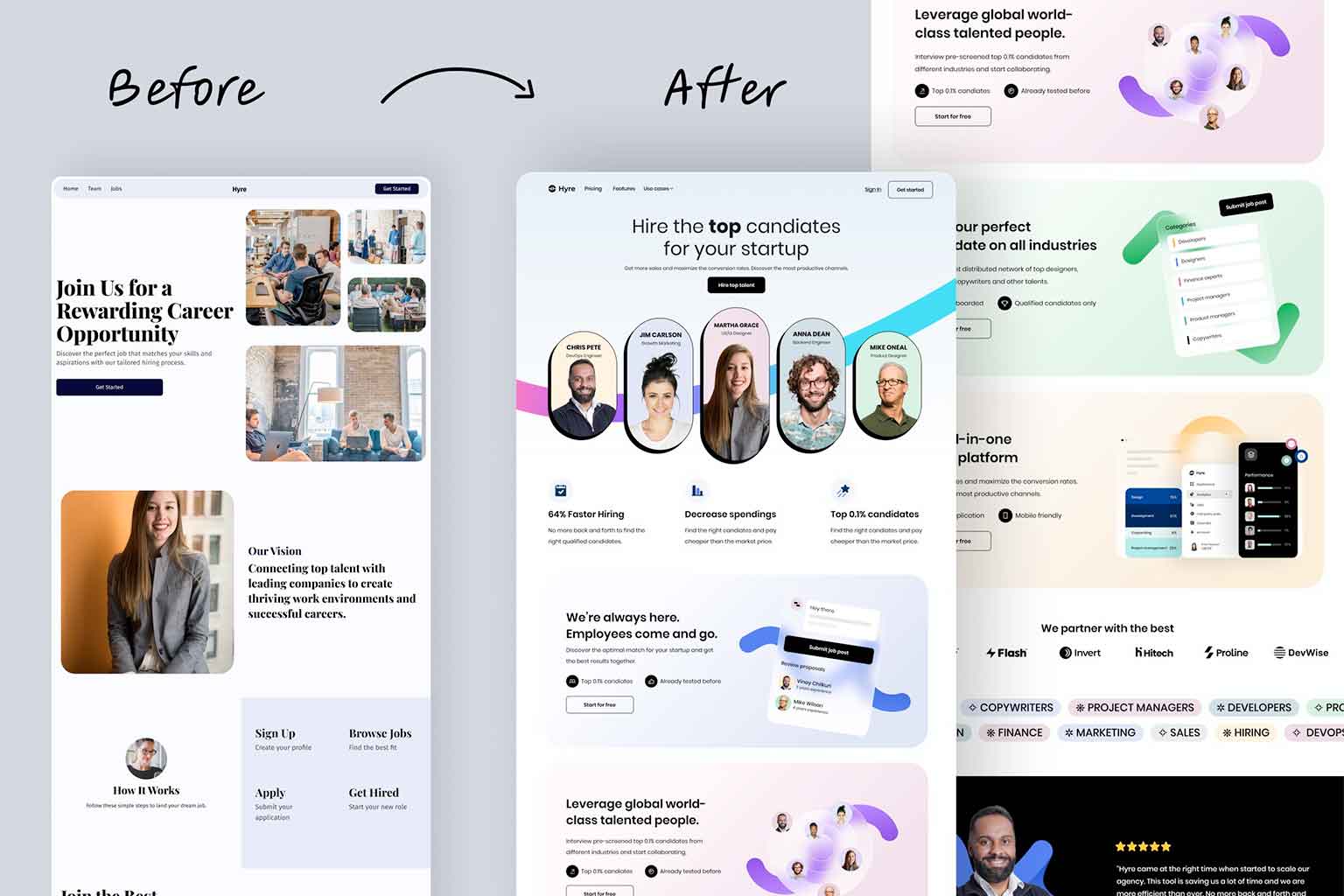
Better Calls To Action On a Site

Clear calls to action help guide website visitors instead of leaving them guessing what to do next. Just like good signage in a new building, CTAs create clarity, reduce frustration, and lead users where they want and need to go. If your website feels confusing, stronger CTAs can make all the difference.

Read More »

Do I need to redesign my website?

Do I need to redesign my website? It’s a question we hear all the time, and the answer is usually “maybe.” Some sites are outdated but workable. Others are held together with digital duct tape. This article walks through how to tell the difference and why starting with the “why” matters more than jumping into a redesign.

Read More »
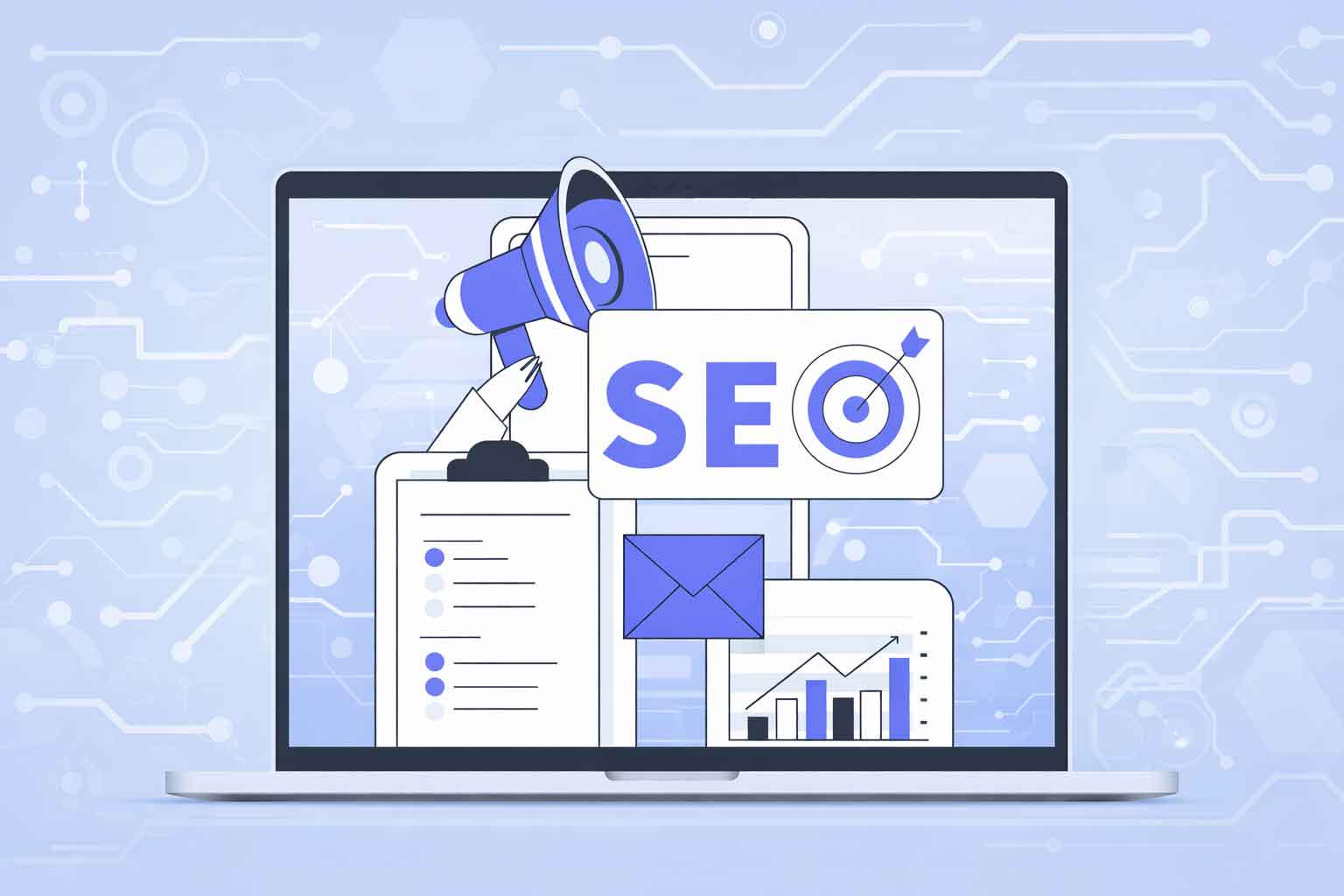
Illustration showing a website displayed on a computer screen with SEO elements like charts, content blocks, and targeting icons, explaining the question “Does Web Design Include SEO?” and how design and search optimization work together.

Does Web Design Include SEO?

Does web design include SEO? Not exactly, but the two work closely together. Web design focuses on structure, usability, and experience, while SEO focuses on visibility and how people find your site. A successful website needs both working together to reach its full potential and support long-term business growth.

Read More »
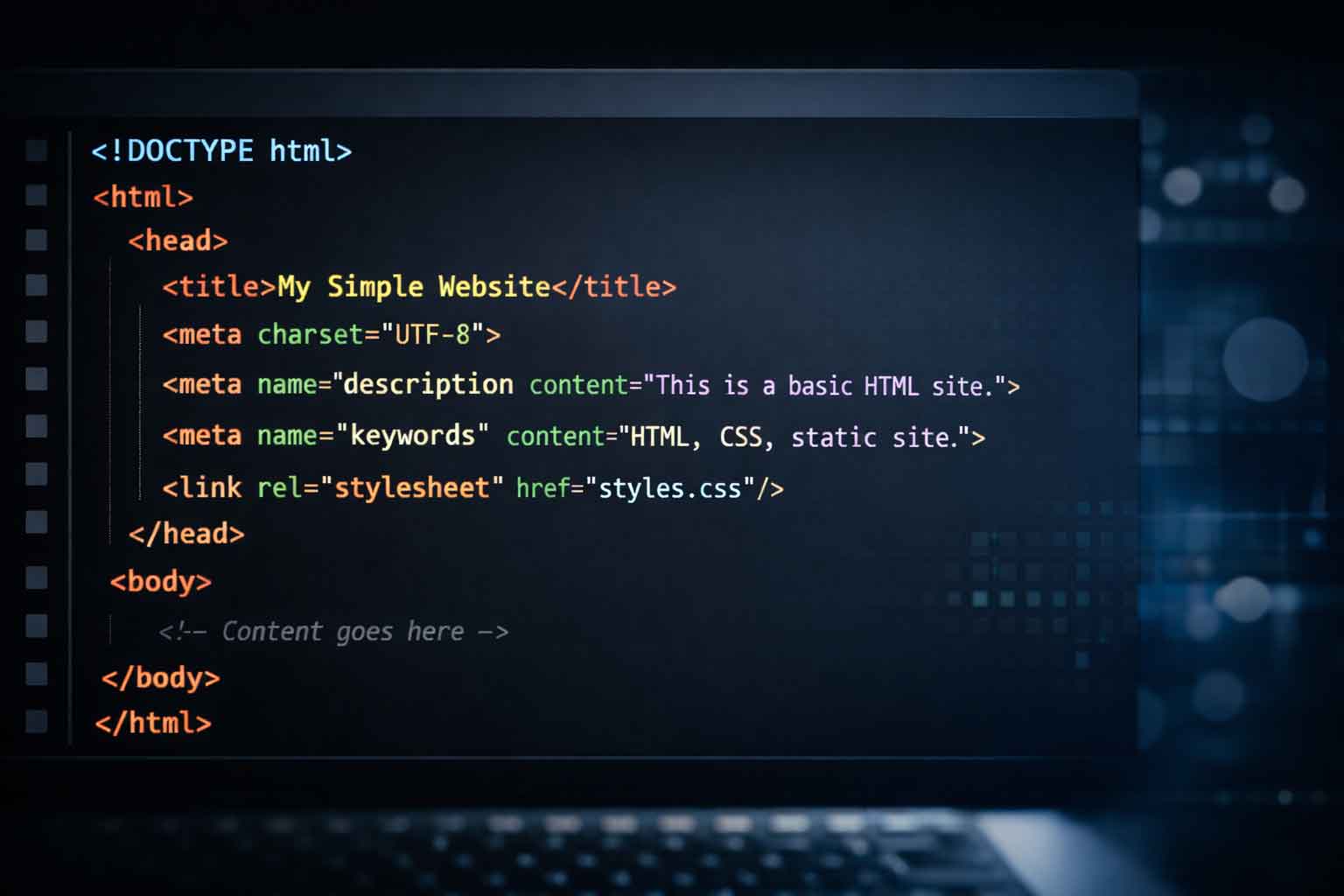
Simple HTML code for a website. Just cause it's a simple HTML site doesn't mean it can't be hacked.

Can a Static HTML Site Get Hacked?

Can a static HTML site get hacked? Many people assume simple websites are immune to security risks, but that is not how website security actually works. Hosting, access controls, and ongoing management play a much larger role than file type. This article explains why static sites are still vulnerable and how properly managed WordPress sites can be just as secure.

Read More »
Ready to discover how we can help make your website and marketing more successful?
Contact Us

Chris and his team at Full Scope Creative have been an absolute pleasure to work with. They are very professional yet they make you feel like they have known you forever. Highly recommend their services!

~ Donovan Ruh,
Elevate Systems