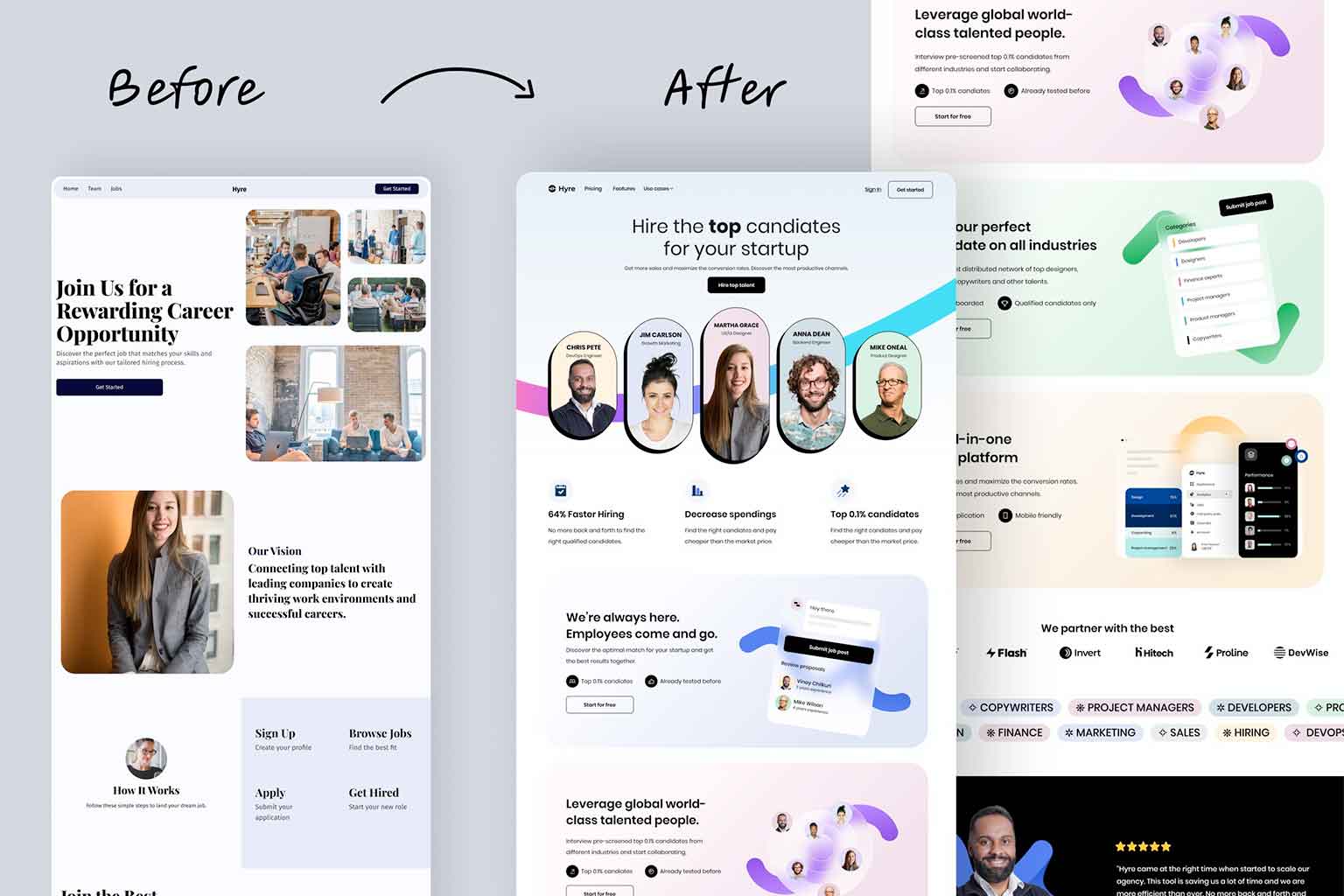
Practical, Page-Level Improvements That Help Service Pages Perform Better
Once you understand why service pages are evaluated differently, the next question is usually a practical one.
What should you actually change on the page?
Service page SEO is not about one single fix. It is a focus on small, intentional improvements that work together.These improvements and content updates help Google learn what the page is about better. That then helps users feel more confident taking the next step.
These are some of the most effective hands-on ways to improve service page performance. These all work great for local and service-based businesses.
Start With a Clear and Focused Page Topic
Each service page should focus on one primary service. Your home page or a main services page might focus on many, but the individual pages should be just one main focus.
That sounds simple, but it is one of the most common problems we see. Pages try to cover too much. Multiple services. Multiple audiences. Multiple goals.
A strong service page makes it immediately clear what the service is and who it is for. If the page is about website design, it should be about website design. Hosting, SEO, or other services can be mentioned briefly to show how complete your offering is, but they should not compete for attention.
The same idea applies to contractors. Flooring installation and drywall repair should not live on the same page. Each service deserves its own space and its own explanation.
Focus creates clarity. Clarity helps ranking.
Explain the Service Early and in Plain Language
Service pages should get to the point quickly.
Towards the top of the page, clearly explain what the service is. Explain things like who it is for and what problem it solves. This early explanation helps users and search engines understand the purpose of the page right away.
Avoid vague marketing language at the top. Words like “trusted” or “affordable” do not explain what you actually do. Clear descriptions do.
Once the service is defined, you can expand into details. How the service works. What makes it different. What someone can expect when working with you.
This depth is especially important for service pages. Google wants confidence before it recommends a page, and confidence comes from clarity.
Use Headings That Match How People Think and Search
Headings are more than just design elements.
They help structure the page and guide readers through the content. They also help search engines understand what topics the page covers.
Good service page headings often answer practical questions. What the service includes. Who it is for. What the process looks like. What makes your approach different.
Creative headings can be useful and impactful in blog articles, but service pages better benefit from more direct headings. Clear, descriptive headings make the page easier to scan and easier to understand.
Add Real Depth Without Making the Page Overwhelming
Service pages should not be thin, but they also should not feel cluttered.
Depth comes from answering real questions. Not from repeating the same points over and over. Walk through the service. Explain the value. Address common concerns. Clarify expectations.
This is why service pages often need more content than a home page section. On our own service pages, we go much deeper than what is covered on the home page because the intent is different. Someone visiting a service page wants details.
Breaking content into logical sections. Use shorter paragraphs, and spacing things out makes longer pages easier and more enjoyable to read.
Build Trust Directly on the Page
Trust is not something you add at the end. It should be woven into the page.
Examples of past work, testimonials, or brief case references help users feel more confident. Clear business information helps reinforce legitimacy. Consistent messaging helps reduce doubt.
Generic or templated content struggles here. Even if the layout stays the same across service pages, the content needs to be unique and specific to the service.
Whether you are offering web design, pouring concrete foundations, electronic recycling, or any other service, showing real experience goes a long way.
Strengthen Service Pages With Supporting Content
Service pages rarely succeed on their own.
Supporting content helps reinforce relevance and depth. Blog articles that answer related questions. Internal links between services that make sense. Pages that explain cost, timelines, or common concerns.
This supporting content does not replace the service page. It supports it.
Internal links help search engines learn the structure of the site and which pages matter most. They also help users explore related information without overwhelming the main service page.
Over time, this creates a stronger foundation around the service.
Review and Improve Service Pages Over Time
Service pages benefit from regular attention.
As your business evolves, your services may change slightly. As search behavior changes, expectations change too. Updating content, adding FAQs, improving clarity, or expanding sections keeps pages accurate and useful.
This ongoing refinement is often what separates service pages that stall from those that steadily improve.
Turning Good Service Pages Into Strong SEO Assets
Improving service page SEO is rarely about one big change.
It is about focus, clarity, structure, trust, and support working together. Each improvement builds on the last. Over time, those changes make the page easier for Google to recommend and easier for users to trust.
This kind of work takes planning and attention to detail, but it pays off when service pages start supporting real business growth instead of just sitting there.
If you want help implementing these improvements or rebuilding service pages that are not performing the way they should, this is exactly the type of work we help businesses with at Full Scope Creative.