How and Why to Hide Page Titles in WordPress Elementor
When building a new website using WordPress and Elementor, you get a lot of design control. Sometimes the page title shows up by default in a way that doesn’t fit your layout or SEO plans. It might look repetitive or out of place – especially if you’ve already added a heading at the top of your design. The exact page name might not be the exact keyword you want to rank for. The good news? Hiding page titles in WordPress Elementor is quick and easy with a few different options.
2 Reasons Why You May Want to Hide Page Titles
There are quite a few reasons to want to hide a page title. The most common that we’ve come across on most sites we work on is design flexibility. If the page has a big, bold header or hero section, the default title can feel redundant and look cluttered.
Another major reason to hide the page title is SEO. Page names won’t always match your keyword and digital marketing strategy perfectly – and sometimes not at all. You might have a page called “About Our Team” but instead want the main heading to say “Experienced Green Bay Web Designers.” By hiding the default WordPress and Elementor generated title, you can replace it with text that is keyword-rich that helps your site rank better.
4 Options for Hiding the Page Title
Change the Page Template
Elementor allows you to easily change the page templates. Some templates don’t show the default WordPress title at all. This is often the easiest fix and is the template option we use the most here at Full Scope Creative.
To do this, open the page in the WordPress editor, look for the Template or Page Attributes settings in the Post options on the right, and switch it to a template like “Elementor Canvas” or “Elementor Full Width.” Elementor Full Width is our most used template as well here at Full Scope Creative. These templates are designed and built to give you more control over the design and layout, usually removing the default title.
Use Elementor’s Built-In Settings
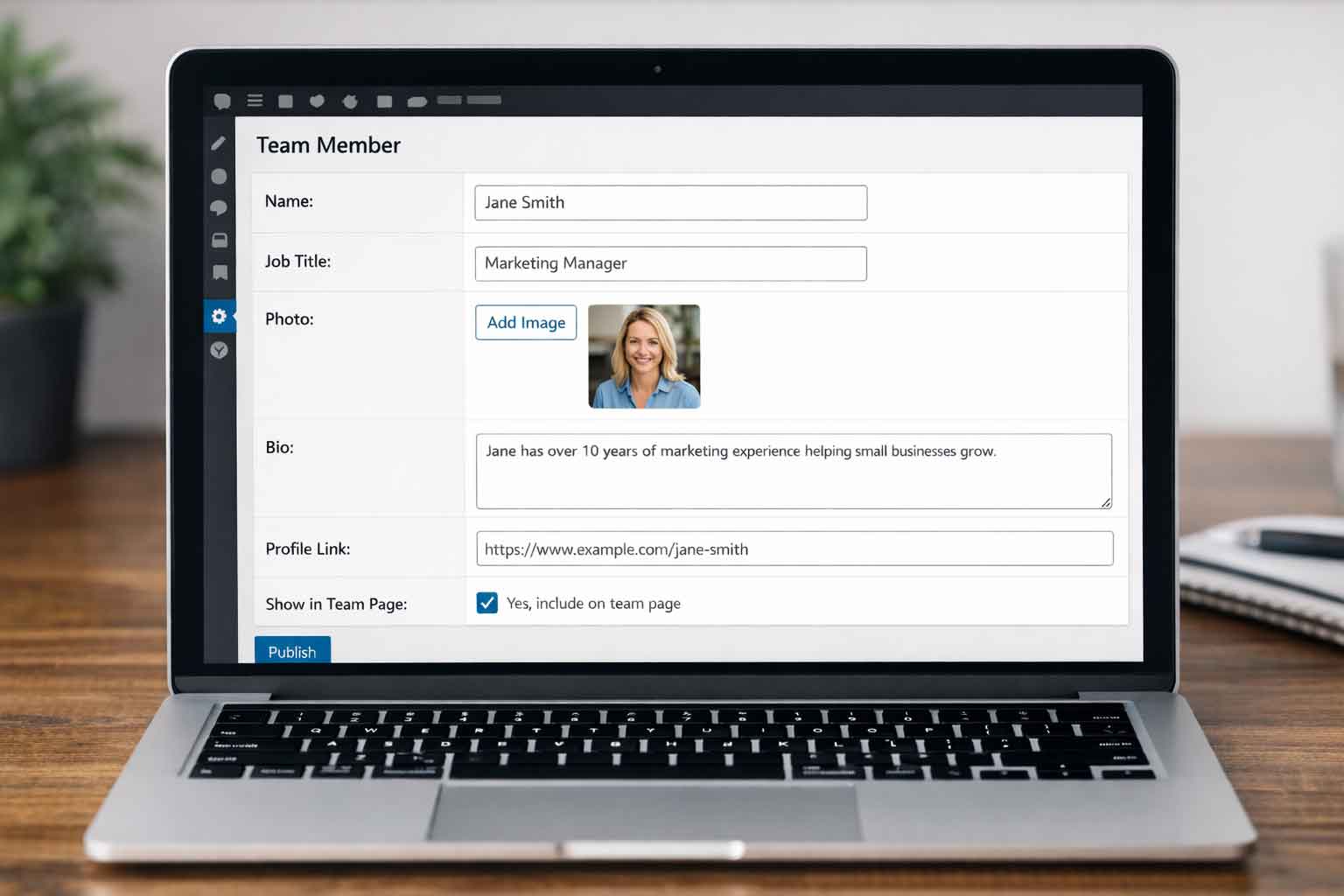
Depending on the theme you’re using on your website, Elementor may provide a simple toggle option to hide the title. If you open the page in Elementor, click the gear icon in the top black bar to access the page settings, and then look to see if there’s a “Hide Title” option.
The benefit of this option is that it is fast and requires no code. Not every theme supports it, but if the theme you’re using does, it’s worth checking before you try anything more advanced. At Full Scope Creative, we commonly use the Hello theme which does not have this option.
Hide the Title with CSS
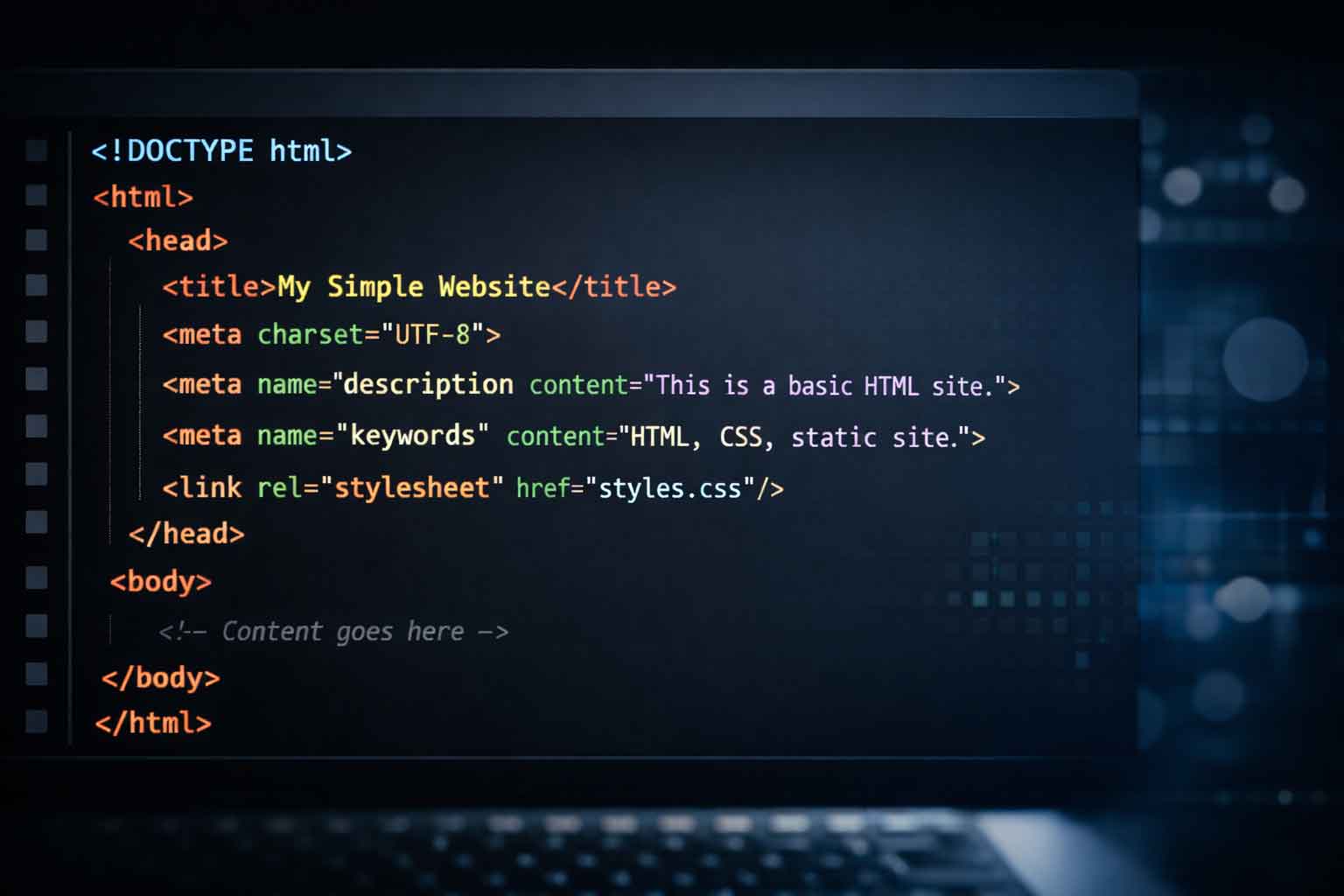
If you have the slightest bit of comfort with coding or are an advanced user, you can add a simple line of CSS. This option gives you more control and customization options as well. You can target just one page or hide titles across your whole site.
Here’s a simple line of CSS you can use:
h1.entry-title { display: none; }
This line of CSS will hide the default WordPress page title on all web pages. You can paste this line of CSS into the Additional CSS section in either the WordPress Customizer or Elementor Site Settings. If you only want the title hidden on one particular page, you can add that page’s unique ID to the code.
Use a Theme Setting or Plugin
Several WordPress themes, especially ones built for Elementor, have an option to disable titles. You’ll usually find this in the page settings or theme customizer options.
If your theme doesn’t offer this, there are different lightweight plugins designed just for hiding titles like this. They give you a simple checkbox on each page to toggle or turn the title on or off. It’s a straightforward fix if you are not comfortable with the CSS. The downside and risk to this option is that you’re adding in another plugin.
SEO and Branding Benefits of Hiding Page Titles
Hiding page titles isn’t just about looks and design. Doing so can also have a great impact on your SEO efforts for the page and website. By hiding the default or automatic title on a page, you can add in an H1 tag with text that matches the keyword you’re targeting exactly.
It can also help keep your design clean and consistent throughout the entire site. Your navigation might already show the full page name. By hiding the default title in the page content, you avoid repeating the same text twice on the page. Doing this can make your site feel more polished and user-friendly.
Making the Most of Hiding Page Titles in WordPress Elementor
Hiding a page title in WordPress and Elementor is actually a rather simple task. You can hide the title by switching templates, using a built-in on/off option, adding a simple line of CSS, or using a WordPress theme setting. Each option will give you better control over your website’s layout, design, and SEO. By taking advantage of this small and simple step, you can make your website design cleaner, focus on the best keyword for the page, and give your visitors a better first impression.