WordPress is a great content management system (CMS) and one of the things that helps make it so great is the fact that there are thousands and thousands of additional plugins that can be added to your site to make it work just the way you need. With those thousands of plugins available, it can be a daunting task to find the right plugin for what you need. I’ve used countless plugins over the years and have found a few ways to help make sure I choose reliable and safe plugins.

One of the first things I check for in a plugin is how recent it is – when the plugin was last updated. As I’ve mentioned before, one of the biggest keys to keeping your WordPress site secure is keeping it as updated as possible. Plugins are often one of the areas a hacker can exploit to get into your site. If a plugin hasn’t been updated in more than 2 years, WordPress will notify you of that and they may even remove the ability to download that plugin. Realistically, if I’m looking at a plugin that hasn’t been updated in 6 months, I’m not very likely to use that plugin. I’ll keep looking around for a while yet. If a plugin was just updated in the past few weeks or the past couple of months and I can see that the developer of the plugin has a good track record of making updates regularly, then I’ll start looking at the next criteria.

The next thing I look at is the number of active installs. If a plugin has a million+ active users, that’s a pretty good sign that it is working well for others is likely a good plugin. There’s no clear cut rule that says a plugin must have so many users to be safe, but in general, I want to see 100,000+ active users. If there are only 20 active users, for example, I’m not as convinced that a plugin has the resources to make it secure. That doesn’t mean I won’t use the plugin, but I will be extra cautious. One plugin I used that has 20 active users was built by another developer who I had worked with in the past and knew that they always had regular updates for the other plugin.

Also, I oftentimes check the reviews for a plugin to see what the community thinks of it. I’ll see if I can find reviews from another developer who tried to use it to achieve the same objective that I am working toward with the current project. I usually take negative reviews with a grain of salt, but if there are multiple negative reviews speaking to a certain aspect of the plugin, I will pay attention to those.

If I’m still not sure whether a plugin is safe to use or not, I’ll email the developer. If I get a reply quickly, it is at least an indication that the developer is actively involved in the plugin and responding to users in a timely manner. How well the developer can answer my questions often indicates if it is worth the time to test the plugin further.
Before using most plugins, I run them in a test environment and just to see how they work. I can then test the functionality of the plugin as well as see how it responds with the WordPress theme and other plugins that will be installed on the site. 

WordPress is so popular in part due to the number of plugins available there. Of course, the number of plugins available can make finding the right one to use a challenge. Following these simple steps can help save hours of searching and scratching your head and ultimately lead to a safer and more profitable site. 

Ready to discover how we can help make your website and marketing more successful?
Contact Us

Marketing Made Simple

Insights from Full Scope Creative

Our thoughts on website design, graphic design, marketing, SEO, website hosting, branding, business management, and more here in the Full Scope Creative blog!

Insights, Tips, and Strategies for Small Business Success

Our blog is packed with expert advice on website design, SEO, marketing, branding, and more. Whether you’re looking to improve your website’s performance, boost your online presence, or streamline your business’s digital strategy, you’ll find valuable insights and actionable tips right here.

Shared vs Dedicated Hosting for SEO

Does shared hosting hurt SEO? Does dedicated hosting help rankings? The truth is simpler than most people think. Google does not rank websites based on server type. It ranks them based on performance. In this article, we break down what actually matters for SEO and how hosting should support your growth, not replace real strategy.

Read More »
A client asking a question - great blog material!

Turn Client Questions Into Blog Posts

Every time a client says, “I have no idea what that is,” you just found your next blog topic. Instead of explaining it once and moving on, turn that question into an article. Then share it when others ask. You build traffic, trust, and authority all at the same time by simply teaching clearly.

Read More »
Hiking freely in nature. the joy of open, NOT closed website builders.

Closed Website Design Platforms

Closed website design platforms like Wix, Weebly, Squarespace, and GoDaddy Website Builder can be easy to start with. But they come with limits. You cannot move the site, change hosting freely, or fully customize the code. This article explains what a closed platform is and why many growing businesses choose WordPress instead.

Read More »
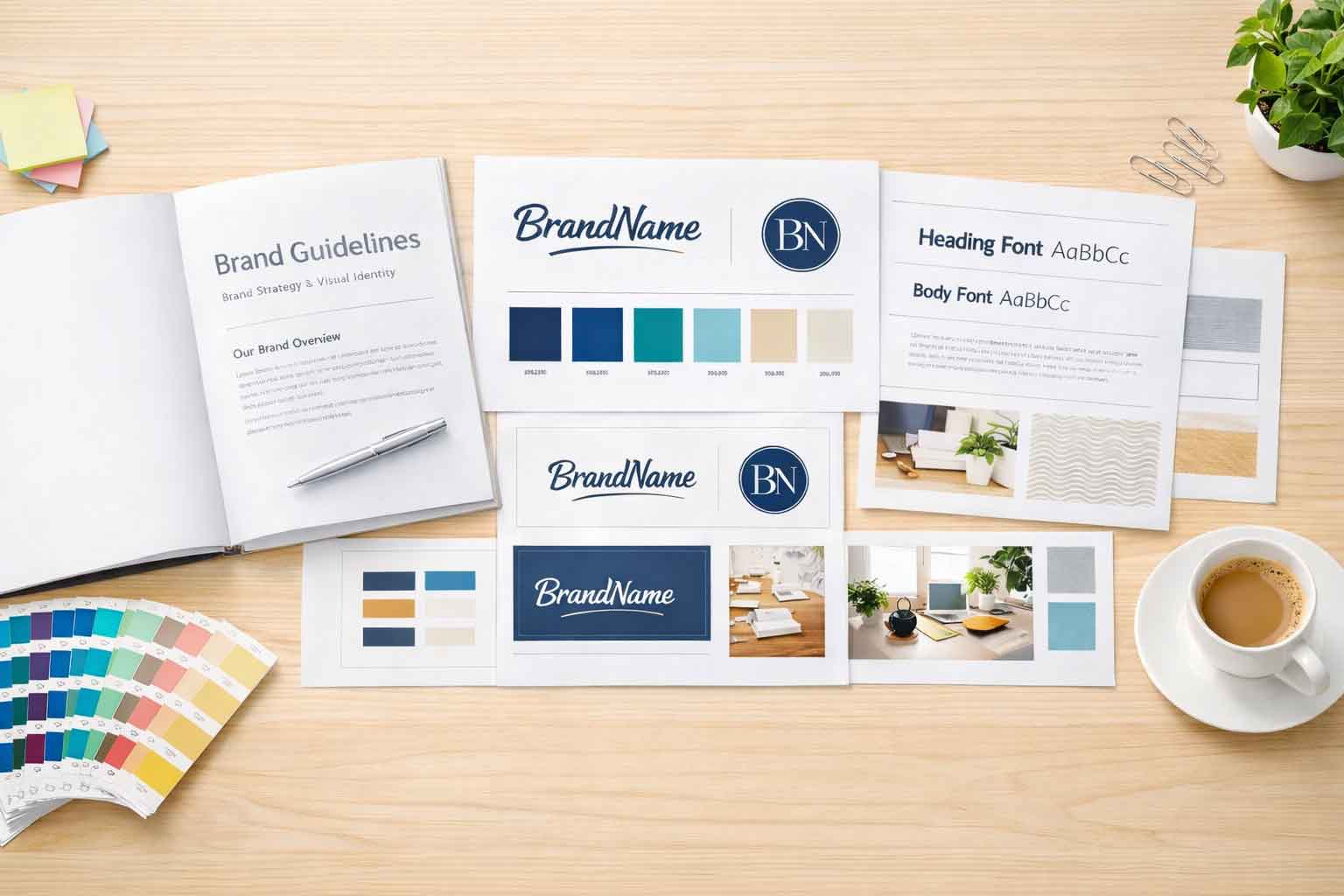
An example of a brand design guide

What is a Brand Design?

What is a brand design? It’s more than a logo. Brand design defines your colors, fonts, textures, and overall visual style so every part of your marketing looks consistent and professional. For small businesses, strong brand design creates clarity, improves websites, and makes future marketing easier and more effective.

Read More »

Which Website Builder Is Best for WordPress?

Trying to decide which website builder is best for WordPress? Divi, Beaver Builder, WP Bakery, and Elementor all offer different strengths. In this guide, we break down what each builder does well, where they fall short, and why Elementor is our top choice for small business websites at Full Scope Creative.

Read More »
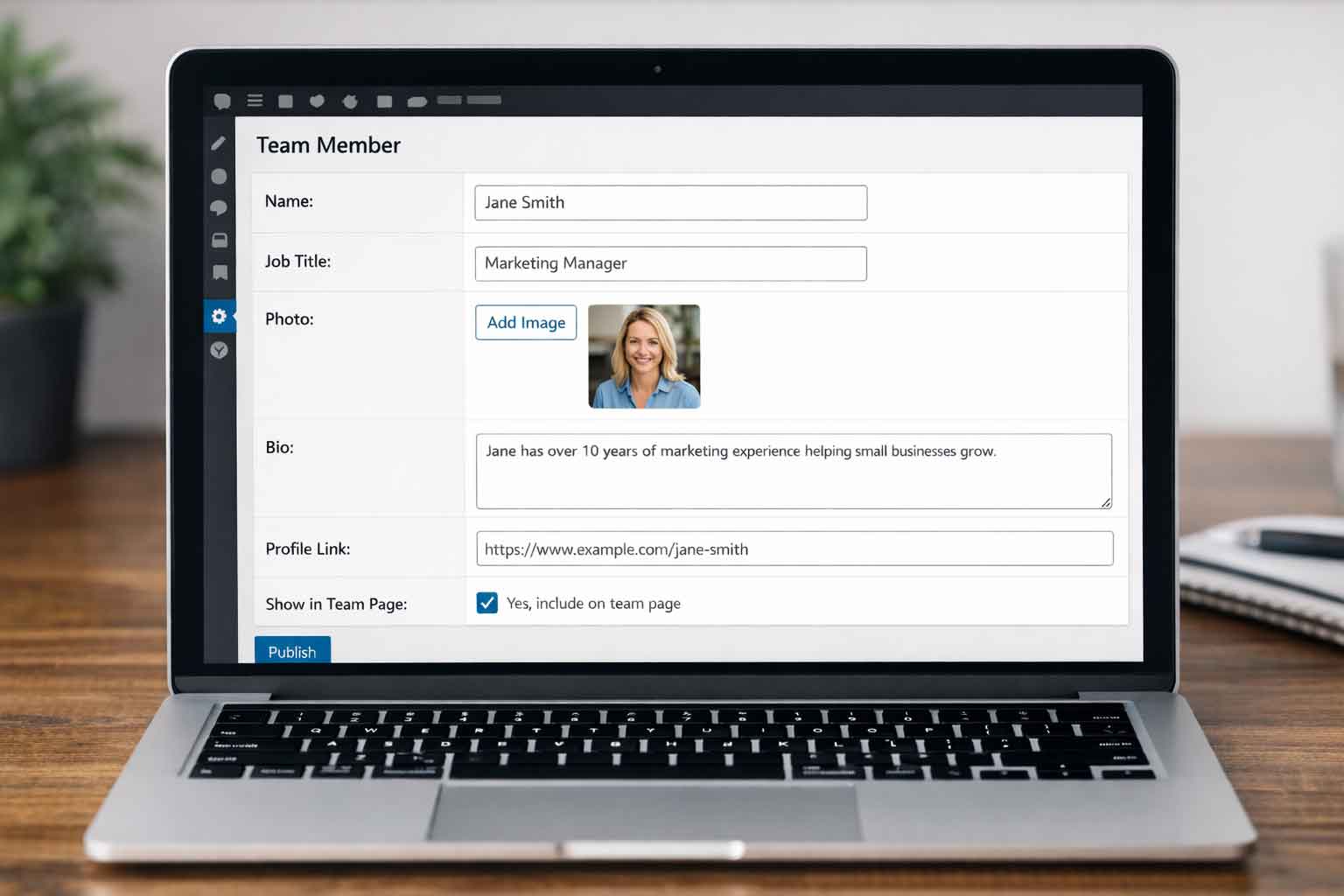
ACF and Elementor are easy to use and can add so much to a site!

ACF and Elementor

ACF and Elementor allow us to turn a basic WordPress site into a structured, easy-to-manage system. With custom fields, custom post types, and dynamic layouts, your content stays organized and simple to update. Full Scope Creative sets it all up so you can just fill out fields and publish with confidence.

Read More »
4 servers and the 4 different types of website hosting.

What Are the 4 Types of Hosting?

What are the 4 types of hosting? Shared, VPS, dedicated, and cloud hosting each offer different levels of cost, speed, security, and control. In this guide, we break them down in simple terms so small business owners can understand their options and choose a hosting setup that fits their needs and budget.

Read More »
business owner going over a checklist

Your Site Isn’t Ready for SEO If…

SEO can drive real growth for a small business. But if your website is slow, hard to use on mobile, thin on content, or not focused on the right keywords, you may be wasting money. Before investing in SEO, make sure your site is built and structured to support it the right way.

Read More »

List out all of your services

Many small businesses offer more services than their website lets on. When those services are hidden or scattered, potential customers never see the full picture. This blog explains why clearly listing every service matters, how to structure services pages, and how the right setup helps build trust and guide visitors toward the next step.

Read More »
Ready to discover how we can help make your website and marketing more successful?
Contact Us

Chris and his team at Full Scope Creative have been an absolute pleasure to work with. They are very professional yet they make you feel like they have known you forever. Highly recommend their services!

~ Donovan Ruh,
Elevate Systems