How Much Website Storage Space Is Needed

Website storage space might sound technical, but it’s a key part of choosing the right hosting plan. From images and videos to backups and plugins, every element of your site takes up space. Knowing how much you need—and what to avoid—can save you money and keep your site running smoothly. Here's what small business owners should know about storage.

How Much Website Storage Space Is Needed?

When looking for the perfect website hosting plan, you might come across a number of things that can be a bit confusing. One of those things is storage space. How much is needed? Is more storage space better? And what even takes up all that space?

For many small business owners, they’ve never had to consider hosting storage space before. Knowing how storage space works, and how much a site might need, can help avoid excessive hosting expenses and avoid performance issues.

What Is Website Storage Space

Storage space is the amount (often in gigabytes) of digital space for your website to take up on your hosting provider’s server. As a basic analogy, think of it like renting some office space. The more furniture, equipment, employees, and files you have, the more office space you will need.

Your website’s storage space will include things like:

  • Text and page content
  • Images and videos
  • Plugins and themes
  • Databases
  • Email (if your hosting includes it)
  • Site backups

Every time you add a photo or wording to a page or install a new plugin or theme, more and more of the available storage space is used up.

Common Factors That Use Up Storage Space

Not every website takes up storage space the same way. There are a few common things that can fill up your hosting account quickly.

Images & Videos: These are usually the biggest culprits of taking up large chunks of space. Large, high-resolution photos and background videos can take up space fast, especially if they’re not optimized properly.

Plugins & Themes: Most WordPress plugins are relatively small, however, some store large amounts of data—especially things like analytics, form entries, or e-commerce features.

Backups: Good hosting providers include regular backups. But depending on how frequently they’re created and where they’re stored, they can consume a surprising amount of space.

Email Storage: If your website hosting also manages your business email accounts, those inboxes (and their attachments) can add up over time.

E-Commerce Features: Online stores have product images, customer records, and order histories that steadily grow.

Why “Unlimited” Hosting Isn’t Always Honest

A lot of indexpensive or budget hosting companies like to advertise “unlimited storage.” While this might sound great, there’s usually a catch. There’s really no such thing as unlimited when it comes to physical servers. These plans usually come with limits hidden in the fine print—like how many individual files (called inodes) you’re allowed, or how much traffic your site can get before it’s throttled.

At Full Scope Creative, we prefer to be upfront about what you’re getting. Our hosting plans are designed around real-world small business needs—no gimmicks, just solid performance with the right amount of storage space.

How to Check and Manage Your Site’s Storage

If you’re curious about how much space your site is currently using, there are a few easy ways to check:

  • cPanel (if available): Many hosting dashboards include a storage breakdown.
  • WordPress plugins: Tools like WP-Optimize or Media Cleaner can show what’s taking up space.
  • Ask your host: If you’re with us, just shoot us an email and we’ll gladly take a look.

To keep your space usage under control:

  • Regularly delete unused images and media files
  • Remove old backups you no longer need
  • Deactivate or delete plugins and themes you’re not using

So, How Much Do You Really Need?

If your site is a standard small business site with a few pages, some images, and a contact form—you’ll likely use just 1–2GB. Even with regular updates and blogs, 5GB goes a long way. But if you’re running an online store, a podcast, or host a lot of videos, that number can climb. The key is finding a plan that fits—not one that sounds flashy or offers “unlimited” magic beans. 

For the aspect of backups and peak performance, it’s ideal to only use 70% of your storage space at maximum. On your laptop or desktop computer, if you use up too much of the hard drive storage space, you’ll start to see the computer running much slower, same holds true for website hosting. 

Hosting and storage space doesn’t have to be confusing

Website hosting doesn’t have to be confusing, and you don’t need to be a tech expert to make the right choice. Understanding the basics—like how storage space works—can help you feel more confident and in control of your website. At Full Scope Creative, we’re here to take the guesswork out of it and help you find the hosting solution that fits your site, your goals, and your peace of mind.


Ready to discover how we can help make your website and marketing more successful?
Contact Us

Marketing Made Simple

Insights from Full Scope Creative

Our thoughts on website design, graphic design, marketing, SEO, website hosting, branding, business management, and more here in the Full Scope Creative blog!

Insights, Tips, and Strategies for Small Business Success

Our blog is packed with expert advice on website design, SEO, marketing, branding, and more. Whether you’re looking to improve your website’s performance, boost your online presence, or streamline your business’s digital strategy, you’ll find valuable insights and actionable tips right here.

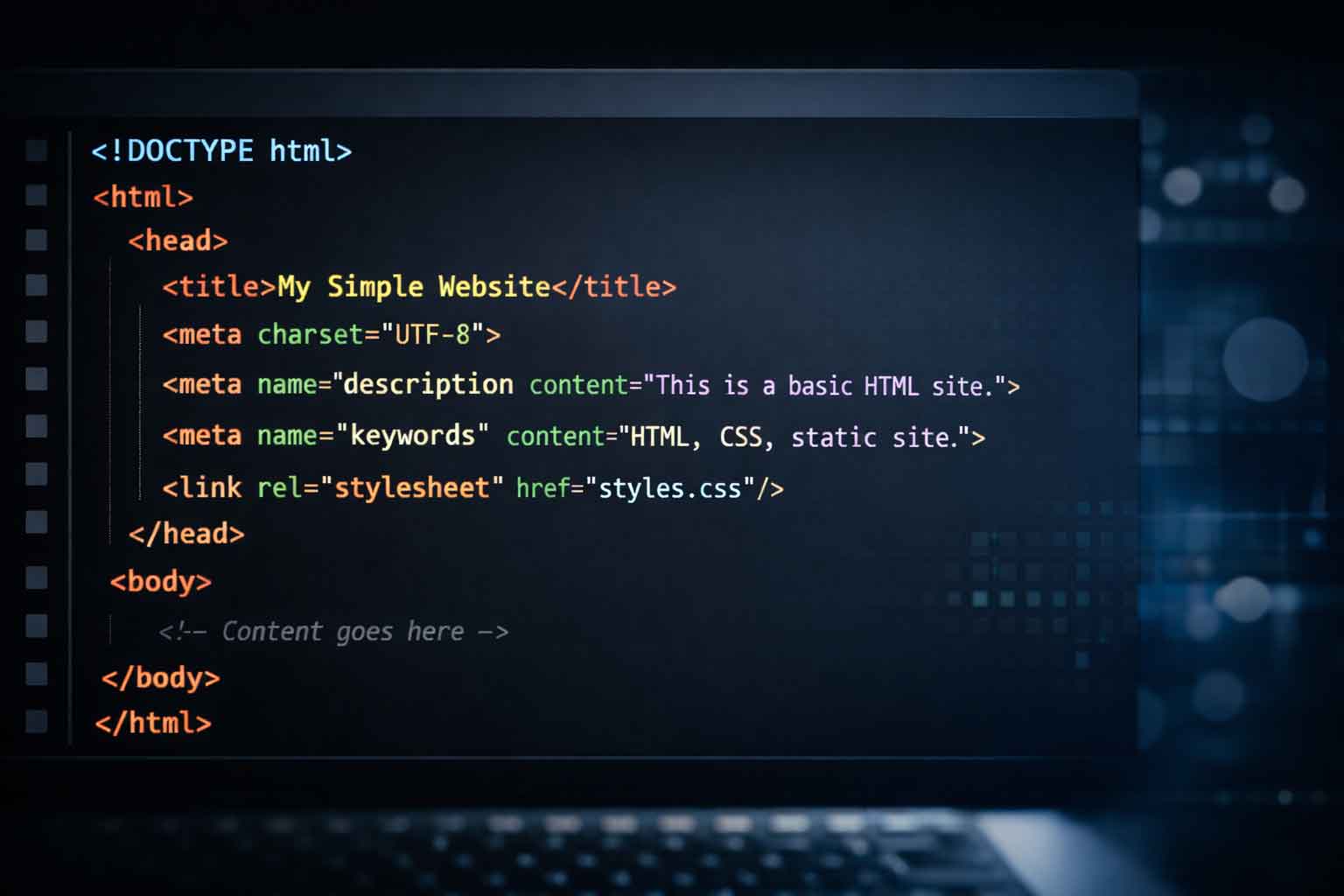
Simple HTML code for a website. Just cause it's a simple HTML site doesn't mean it can't be hacked.

Can a Static HTML Site Get Hacked?

Can a static HTML site get hacked? Many people assume simple websites are immune to security risks, but that is not how website security actually works. Hosting, access controls, and ongoing management play a much larger role than file type. This article explains why static sites are still vulnerable and how properly managed WordPress sites can be just as secure.

Read More »
A web browsers address bar showing the domain name.

Should your domain name move when your site does?

When businesses move from Wix or Squarespace to WordPress, the focus is usually on design and content. One critical detail often gets missed: the domain name. Leaving a domain with an old platform can create unnecessary complications later. Understanding where your domain lives and when to move it can save time, frustration, and future technical headaches.

Read More »
A computer screen with security icons

Can my WordPress site be hacked?

Can my WordPress site be hacked? Yes, it can, just like any other website. The real difference comes down to how security is managed. In this article, we explain why WordPress is safe when set up correctly, what security risks actually exist, and how Full Scope Creative removes the headaches by managing hosting, security, and backups for you.

Read More »
Using Google Analytics

Google Isn’t Just a Search Engine, It’s a Measurement Tool

Google is more than a place people search. Behind every query and click, it provides insight into how customers find your business and what they do next. Tools like Google Analytics, Google Search Console, and Google Business Profile help reveal visibility, behavior, and performance so businesses can make clearer decisions instead of guessing.

Read More »

Are There More Search Engines Than Just Google?

“Google it” has become shorthand for searching the internet, but Google isn’t the only search engine out there. From Bing and Yahoo to privacy-focused options like DuckDuckGo, there are real alternatives people use every day. This article breaks down the strengths, weaknesses, and why Google still dominates how businesses think about SEO.

Read More »
Confused user on a computer

Makes It Easy for Clients to Take the Next Step

A good website removes friction and makes it easy for visitors to take the next step. When users know where they are, what’s available, and what happens next, they act with confidence. Clear service pages, helpful FAQs, and simple calls to action show respect for a visitor’s time and attention.

Read More »
DNS servers around the globe

What to Expect During DNS Propagation

DNS propagation can be one of the most confusing parts of updating a website or email system. During this window, websites and email can appear slow, broken, or inconsistent. This behavior is normal and temporary. Knowing what to expect during DNS propagation helps reduce stress and prevents unnecessary panic while the update works its way through servers worldwide.

Read More »

Is Your Website Causing Customers to Bounce?

Visitors decide whether to stay on your website in seconds. When a site feels confusing, cluttered, or hard to use, people leave without clicking, reading, or reaching out. A high bounce rate is rarely about pricing or competition. It’s usually caused by unclear structure, poor mobile experiences, and pages that make users work too hard.

Read More »
Improving a webpage for better SEO

How to Improve SEO Rankings for Service Pages

Service pages don’t rank the same way blog posts do. Improving their SEO takes more than keywords and backlinks. It requires clear focus, stronger structure, trust signals, and supporting content that works together. This article breaks down practical, page-level improvements you can make to help your service pages perform better in search results.

Read More »
Ready to discover how we can help make your website and marketing more successful?
Contact Us

FSC does great work. Let your friends know. Chris puts all his passion into making your company look great on the internet.

~ Dean Raasch,