How Does Blogging Help SEO?

Blogging is a game-changer for small businesses because it helps level the playing field. While big brands may have large marketing budgets, a well-written blog post targeting the right keywords can get your site in front of local customers searching for your services. It’s cost-effective, builds credibility, and puts your expertise on display—all while boosting your search rankings.

How Does Blogging Help SEO for Small Businesses Specifically?

For many busy small business owners, blogging might feel like another time consuming task on an already long and evergrowing to-do list. You might hear about having to write a blog article for your site and simplewonder, how does blogging help SEO or my website? The answer is simple – in more ways than you might expect. When done right, blogging is one of the easiest and most effective tools to boost your website’s search visibility, reach new prospective customers, and achieve long-term marketing goals. 

Blogging goes far beyond just writing some fresh content for your website. It gives search engines more reasons and evidence to rank your site higher and for more keywords. So when you ask how does blogging help SEO for your site, here are the key benefits that make blogging a smart and strategic move.

Blogging Targets Long-Tail Keywords That Attract the Right Visitors

Most website homepages and service pages focus on more of the high-level keywords Those keywords are great because they do bring in a large chunk of your traffic. Long-tail keywords, while not bringing in as high of a volume usually, bring in more and more users. Blogging helps  you dig deeper into specific keyword phrases that your customers and prospective customers are typing into Google. These long-tail keywords are often less competitive (lower keyword difficulty) and are often easier to secure a higher ranking for.

For example, instead of targeting a keyword of just “web design,” a blog can go after a longtail keyword such as “how to design a website for a landscaping business.” These blog posts give your site more search terms and pages to rank in search engines and help bring in people looking for exactly what you wrote about. 

Blogging Builds Site Authority and Trust with Search Engines

Search engines love listing websites that are helpful, informative, and regularly updated. Blogging helps with all three. When your site and blog are consistently sharings useful content, Google starts to see you as an authority and trusted expert in your field.

So if you’re still asking how does blogging help SEO, here’s another way to look at it: every blog post is a digital signal or indicator to Google that your website is active and valuable to search users. Those signals add up over time and help boost your rankings across the board. Blogging regularly is one of the best ways to signal to Google that your business open, taking new clients, and here to server users.

Blogging Opens Up More Internal Linking Opportunities

Internal links, the links going from one page on your site to another, are great for SEO. When your site has plenty of internal links, Google and search engines can easily explore different pages, more pages, and keep diving deeper and deeper into your site. These links also help to efficiently and show the relationship between your pages. The more blog posts you have, the more text based links you can create to link to your service pages, case studies, contact form, or related posts.

These links not only improve SEO but guide your visitors along a helpful path to all the information they are looking for and eventually to becoming clients. It’s a simple but powerful way to boost both rankings and conversions.

Not every blog you write will go viral. But when you publish a helpful, thought provoking, insightful, or even entertaining blog post, the chances are there that another website will link to it from their own site or share it on social media. This is called a backlink and it is one of the most powerful and difficult aspects of SEO. Backlinks tell Google your content is valuable and can significantly help with SEO.

So again, how does blogging help SEO? By generating backlinks that build your site’s authority and visibility.

You Don’t Need to Blog Daily

Some business owners hear “blog” and assume they’ll need to post a new article every day. But that’s simply not necessary or and a far stretch from doable for many. What’s more important is to focus on quality and consistency. One well-written blog published at least each month, focused on a solid keyword and a clear topic, can do wonders over time.

And that blog post shouldn’t live in isolation on your website’s blog page. It can be repurposed to become the core of an email newsletter, content social media posts, and even turned into a  short video.

Blogging Keeps Your Website Fresh and Engaging

One of the ranking factors search engines look at is whether your site is being updated on a regular and consistent basis. A blog is the easiest way to keep your site fresh without needing to go through the tasks of reworking your homepage or services pages entirely. Plus, it gives returning visitors and current clients something new to read and keeps them engaged longer, which is also great for SEO.

Blogging Is a Smart, Scalable SEO Tool

Still wondering how does blogging help SEO? The short version is this: blogging gives your site more pages to rank, more keywords to target, and more value to offer both search engines and your ideal clients. It builds authority, improves internal linking, attracts backlinks, and helps your business grow over time.

If you’re not sure where to begin or want help planning out your blog strategy, we’d love to chat. Blogging might just be your business’s most underused SEO tool—and we can help you make the most of it.

Ready to discover how we can help make your website and marketing more successful?
Contact Us

Marketing Made Simple

Insights from Full Scope Creative

Our thoughts on website design, graphic design, marketing, SEO, website hosting, branding, business management, and more here in the Full Scope Creative blog!

Insights, Tips, and Strategies for Small Business Success

Our blog is packed with expert advice on website design, SEO, marketing, branding, and more. Whether you’re looking to improve your website’s performance, boost your online presence, or streamline your business’s digital strategy, you’ll find valuable insights and actionable tips right here.

ACF and Elementor are easy to use and can add so much to a site!

ACF and Elementor

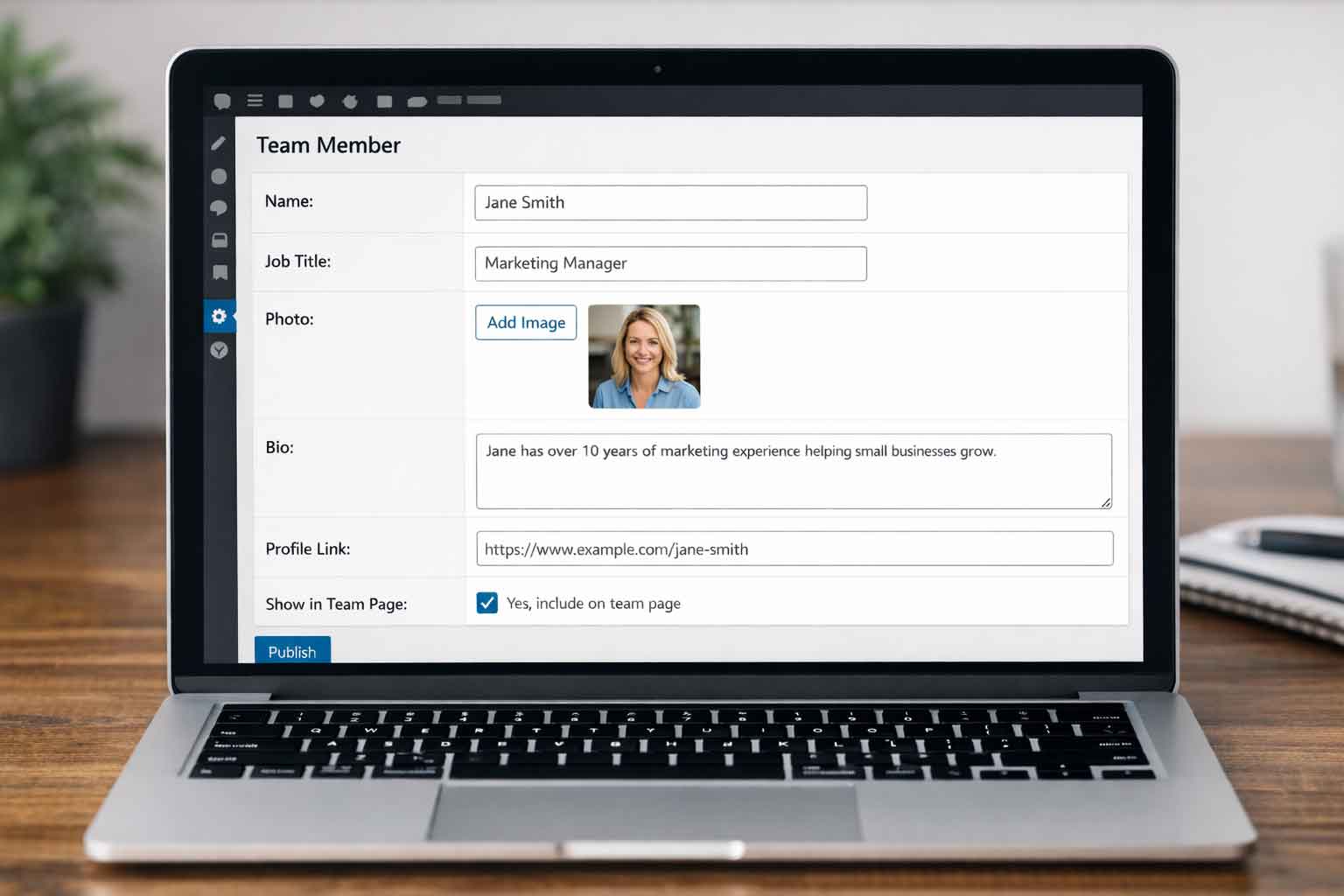
ACF and Elementor allow us to turn a basic WordPress site into a structured, easy-to-manage system. With custom fields, custom post types, and dynamic layouts, your content stays organized and simple to update. Full Scope Creative sets it all up so you can just fill out fields and publish with confidence.

Read More »
4 servers and the 4 different types of website hosting.

What Are the 4 Types of Hosting?

What are the 4 types of hosting? Shared, VPS, dedicated, and cloud hosting each offer different levels of cost, speed, security, and control. In this guide, we break them down in simple terms so small business owners can understand their options and choose a hosting setup that fits their needs and budget.

Read More »
business owner going over a checklist

Your Site Isn’t Ready for SEO If…

SEO can drive real growth for a small business. But if your website is slow, hard to use on mobile, thin on content, or not focused on the right keywords, you may be wasting money. Before investing in SEO, make sure your site is built and structured to support it the right way.

Read More »

List out all of your services

Many small businesses offer more services than their website lets on. When those services are hidden or scattered, potential customers never see the full picture. This blog explains why clearly listing every service matters, how to structure services pages, and how the right setup helps build trust and guide visitors toward the next step.

Read More »
a website with a good CTA button

Better Calls To Action On a Site

Clear calls to action help guide website visitors instead of leaving them guessing what to do next. Just like good signage in a new building, CTAs create clarity, reduce frustration, and lead users where they want and need to go. If your website feels confusing, stronger CTAs can make all the difference.

Read More »

Do I need to redesign my website?

Do I need to redesign my website? It’s a question we hear all the time, and the answer is usually “maybe.” Some sites are outdated but workable. Others are held together with digital duct tape. This article walks through how to tell the difference and why starting with the “why” matters more than jumping into a redesign.

Read More »
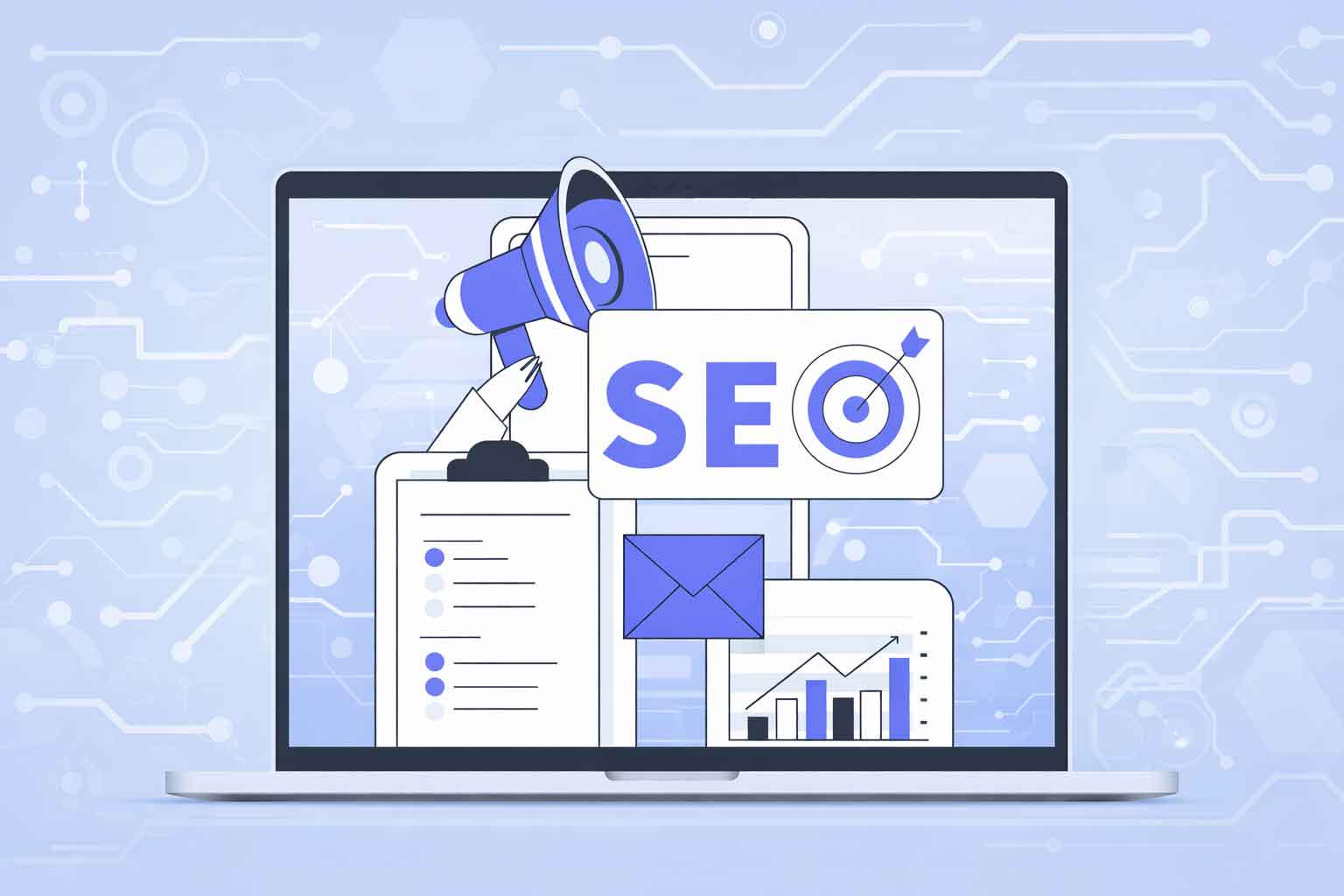
Illustration showing a website displayed on a computer screen with SEO elements like charts, content blocks, and targeting icons, explaining the question “Does Web Design Include SEO?” and how design and search optimization work together.

Does Web Design Include SEO?

Does web design include SEO? Not exactly, but the two work closely together. Web design focuses on structure, usability, and experience, while SEO focuses on visibility and how people find your site. A successful website needs both working together to reach its full potential and support long-term business growth.

Read More »
Simple HTML code for a website. Just cause it's a simple HTML site doesn't mean it can't be hacked.

Can a Static HTML Site Get Hacked?

Can a static HTML site get hacked? Many people assume simple websites are immune to security risks, but that is not how website security actually works. Hosting, access controls, and ongoing management play a much larger role than file type. This article explains why static sites are still vulnerable and how properly managed WordPress sites can be just as secure.

Read More »
A web browsers address bar showing the domain name.

Should your domain name move when your site does?

When businesses move from Wix or Squarespace to WordPress, the focus is usually on design and content. One critical detail often gets missed: the domain name. Leaving a domain with an old platform can create unnecessary complications later. Understanding where your domain lives and when to move it can save time, frustration, and future technical headaches.

Read More »
Ready to discover how we can help make your website and marketing more successful?
Contact Us
Working with Chris and the team at Full Scope Creative was an absolute pleasure from start to finish. He took so much off my plate, making the entire process smooth and stress-free. Chris really listened to my goals, and the final product not only met every objective, it exceeded my expectations! I’m incredibly proud of the outcome and genuinely excited about the website he and his team created for us. I highly recommend Full Scope Creative if you’re looking for a professional, collaborative, and top-notch experience!
~ Brian Borden,
Allouez Optimist Club