One of the things confirmed in the May 2024 Google algorithm leak, is the need to keep content fresh and relevant on a website. Keeping website content fresh and relevant is crucial for maintaining a high ranking in Google, especially for small businesses. Search engines like Google prioritize websites that regularly update and maintain their website content. Doing this not only helps improve where your site can be ranked, but also ensures that your customers are getting the most current and useful information. Here’s why content freshness and relevance matter and how you can leverage them to boost your business.
What is Content Freshness and Why Does it Matter?
Content freshness refers to how frequently and recently a website’s wording and content has been updated. Google prefers to provide their search users with only the latest information, which means that newer content is very likely to be favored in search results. Regularly updating your content signals to search engines that your site and business are active and continuously providing valuable information to your clients and the public.
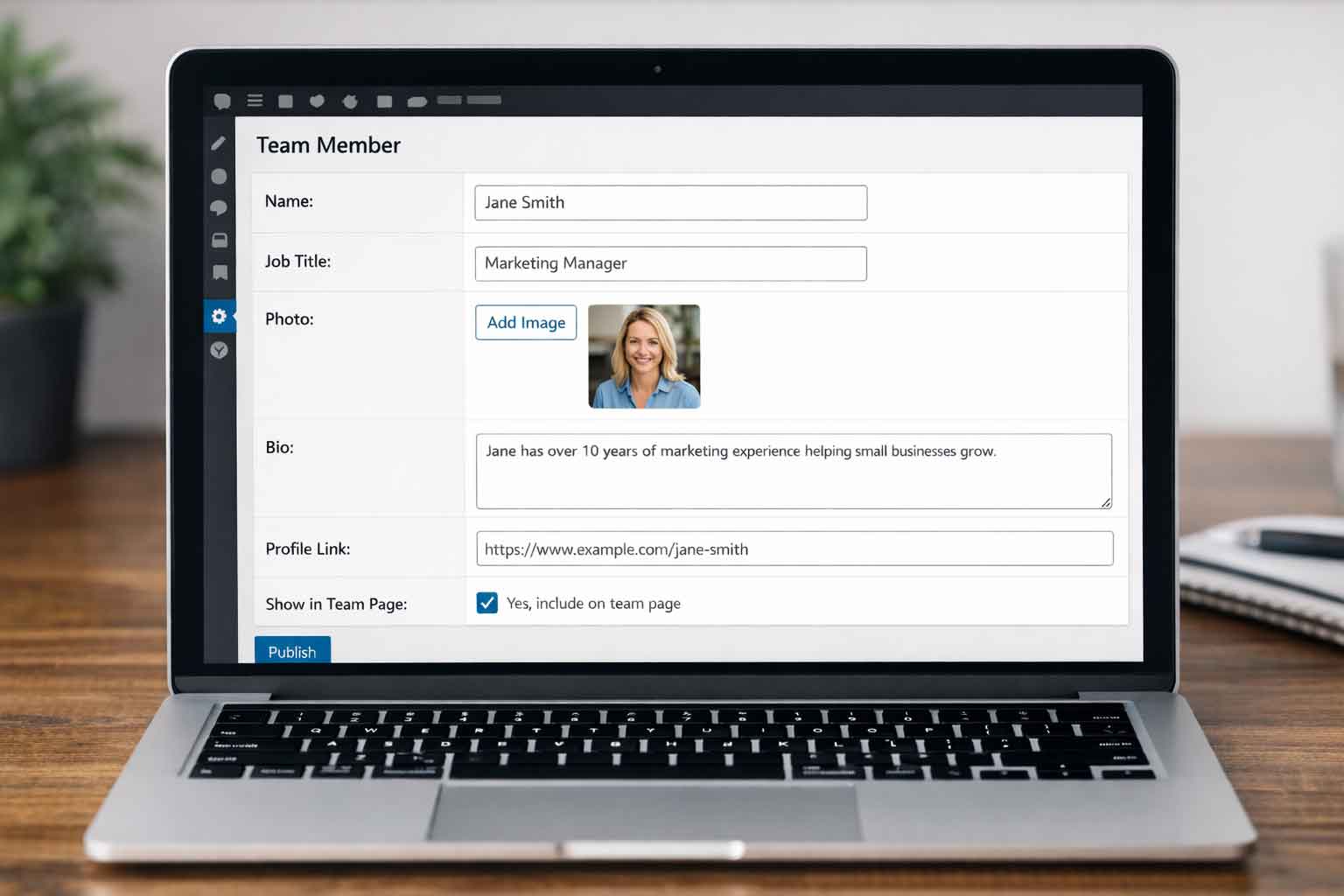
For small business owners, this means that keeping your website content up-to-date can help you stay ahead of your competitors. Whether it’s updating your blog with the latest industry news, refreshing product descriptions, or adding new testimonials, fresh content can improve your site’s visibility and attract more visitors.This can also be particularly advantageous as a strategy for out ranking larger businesses. Those larger or corporate businesses will likely move far slower than a small business can when it comes to generating this updated content. Having a new photo shoot to update photos can happen quickly and easily (and oftentimes inexpensively) for a small business.
The Importance of Content Relevance
The goal or aim of content relevance is to ensure that the information on your website meets the needs and interests of your potential clients and existing clients. When your wording is relevant, it aligns with what your website’s visitors are searching for, making it more likely that they will find your site useful and engaging. As we’ve known for a long time, Google’s number one goal is to provide users with links to sites that are going to be useful and engaging.
Google uses an extremely advanced set of algorithms to determine the relevance of your content. This involves understanding the context and meaning behind user searches and providing them with the most fitting and appropriate content. By focusing on relevant topics that address your audience’s pain points and interests, you can improve your chances of ranking higher in search results.
How Fresh and Relevant Content Benefits Your SEO
- Improved Search Rankings: Google evaluates the freshness of content through signals such as the dates on bylines, URLs, and the actual on-page content. Regularly updating these elements helps your site appear more frequently in search results, driving more organic traffic.
- Enhanced User Experience: Updated content ensures that visitors find the most accurate and current information, which enhances their overall experience on your site. Happy visitors are more likely to stay longer, explore more pages, and convert into customers.
- Increased Engagement: Fresh content that is relevant to your audience’s needs keeps them engaged. Whether it’s through blog posts, videos, or infographics, providing new and interesting information encourages visitors to interact with your site and share your content, further boosting your visibility.
Tips for Keeping Your Content Fresh and Relevant
- Regularly Update Your Blog: Posting new blog articles on a consistent basis is a great way to keep your content fresh. Focus on topics that are relevant to your industry and of interest to your audience.
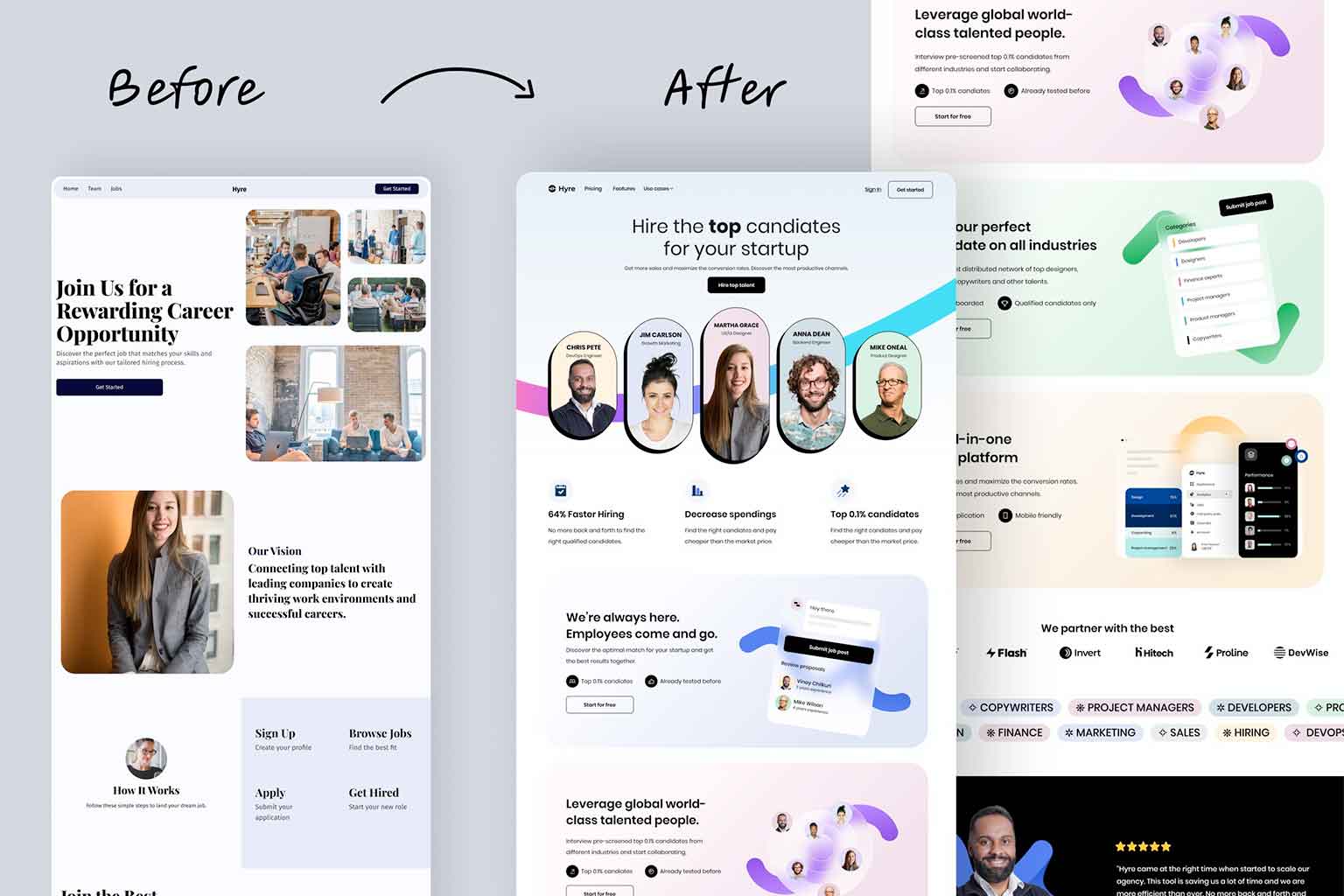
- Refresh Existing Content: Don’t just focus on creating new content; regularly review and update existing pages to ensure they remain accurate and relevant. This could involve adding new information, updating statistics, or refining your keywords.
- Engage with Current Trends: Stay informed about the latest trends in your industry and create content that addresses these trends. This shows your audience that you are knowledgeable and up-to-date, which builds trust and authority.
- Use Analytics: Utilize tools like Google Analytics to understand what content performs best with your audience. This data can guide you in creating more of the content that your visitors find most engaging and valuable.
not just an SEO tactic
For small business owners, keeping your website content fresh and relevant is not just an SEO tactic; it’s a way to ensure that you are providing the best possible experience for your visitors. By regularly updating your content and focusing on topics that matter to your audience, you can improve your search rankings, engage your customers, and ultimately drive more traffic and sales. Remember, in the world of digital marketing, staying current and relevant is key to staying competitive.