Avoid these for SEO Success
When we first meet with a prospective client or meet someone at a networking event, I often get asked “why do you think my site doesn’t rank higher on Google?” Unfortunately, for many websites of small businesses, there are 4 common search engine optimization (SEO) and internet marketing issues I see. Thin content, slow loading times, poor linking structure, and a lack of keyword usage are all common SEO issues that sites run into. Search engine optimization is obviously crucial for driving traffic and success to a website, so avoiding these four can have a huge impact for the positive on your ranking.
Thin Content
I’m certain that you’ve heard before, that content is king when it comes to SEO and digital marketing. High-quality and unique content provides great value to human users and is what they are searching for. Since search engines want to satisfy the queries that users are searching, search engines prioritize and value the sites that are rich in high-quality content.
Website pages with limited amounts of valuable high-quality information are viewed as having thin content. These sites fail to provide the information and answers that users and search engines are looking for. Because of this, having limited or thin amounts of wording, images, videos, graphics, and other types of information on your pages will have a negative impact on a website’s search engine rankings and user engagement.
Avoiding thin content is really quite simple, but not necessarily easy. Avoiding thin content is all about having a lot of content on website pages. Spend the time and resources to be sure that the pages on your website are detailed, informative, and address the needs of your audience. If your goal with your website content is to provide in-depth information, answering common questions, and offer great insights you can set your website apart from competitors – and rank higher.
At Full Scope Creative, we often recommend that pages be no less than 1000 words and home pages should be at least 2000. Each page should have at least 5-10 images on it as well. The more content that is added to the site just means we can use the web pages keywords (another upcoming common error) that man more times.
Slow Loading Speeds
No one, human user or search engine, likes a slow loading website. For this reason, the page speed of a website is an important aspect of SEO. Search engines value and want to list fast-loading websites because those websites and businesses tend to provide a better user experience for searchers.
When a website has a slow loading time it can have a negative impact on things like the bounce rates. With an increased bounce rate, meaning users leave your site quickly, it will send a signal to search engines that your site (and business) may not be the best option for users.
To improve your site’s loading time, be sure to complete the following:
- Optimize images by compressing each image without sacrificing quality
- Use a content delivery network (CDN) to have copies of your website and content around the globe
- Enable browser caching to reduce load times for visitors returning to the website
Tools like Google’s PageSpeed Insights can help you identify issues and provide recommendations for improving site speed.
Poor Internal Linking Structure
Internal linking is an essential aspect of SEO as it helps the various search engines crawl and index your site accurately. Having a poor internal linking structure (or limited to no internal links) will tend to make it more difficult for search engines to learn the order, relationship, and importance of the pages on your site. Limised internal linking can lead to potentially important pages not being crawled and indexed or and sometimes not even being ranked.
To create a strong internal linking structure:
- Ensure your internal links are logical and guide users (and search engines) to key pages
- Use descriptive anchor text for your links to provide context about the linked page
- Regularly audit your internal links to ensure they are functioning correctly and not leading to broken pages
A well-organized internal linking structure helps distribute link equity throughout your site and improves the overall user experience.
Lack of Keyword Usage
The importance of keywords cannot be understated. Keywords are the very foundation of SEO. Above backlinks, technical SEO, local SEO, PPC, direct traffic, and other SEO techniques, the keyword reigns supreme. These keywords help search engines understand the content and context of your pages and business. Without using the proper keyword(s), search engines will be able to accurately rank your website for the queries that users search for.
If your website or web page’s keyword is “cotton candy machine,” but those 3 words never show up together, the odds of ranking for a search query such as “What is the best cotton candy machine?” is nearly impossible. Each business will have a set of keywords that are their obvious keywords. Those keywords should be used repeatedly and as much as possible (a total of 2.5 – 3 percent of the page content should be keywords). We don’t want to over stuff the keywords or make it sound un-human, but the keywords must be used.
To effectively use keywords:
- Conduct keyword research to identify the terms your target audience is searching for.
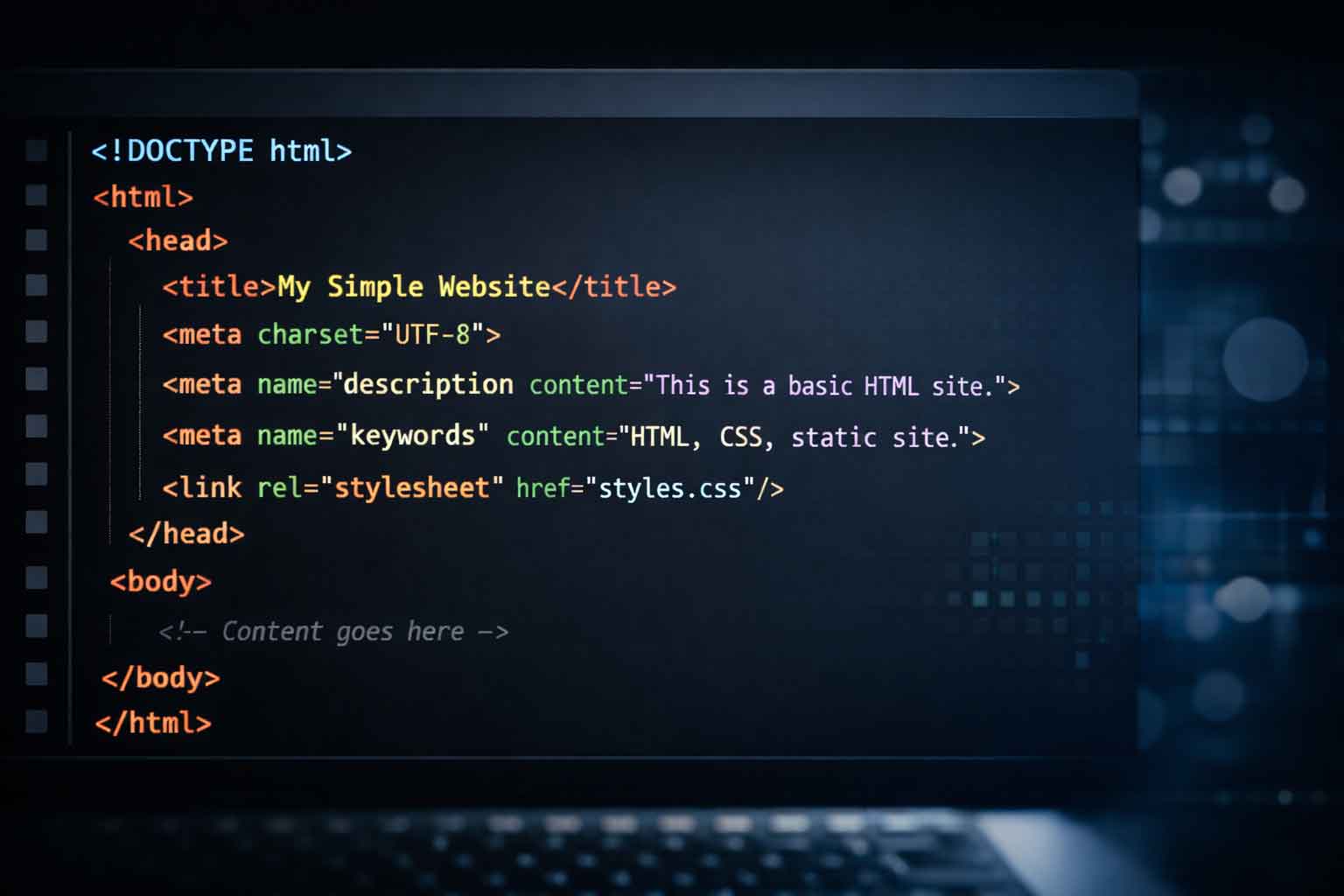
- Incorporate keywords naturally into your titles, meta descriptions, headers, and throughout the content.
- Avoid keyword stuffing, which can negatively impact SEO. Focus on providing valuable, relevant content that naturally incorporates keywords.
By strategically using keywords, you can improve your website’s visibility in search results and attract more targeted traffic. As the traffic goes up, so does the overall return on the website.
Enhance your SEO by avoiding these four mistakes
Avoiding these common SEO mistakes can significantly enhance your website’s performance and provide a better user experience. Focus on creating high-quality, unique content, improving page speed, organizing your internal linking structure, and using keywords effectively. By addressing these areas, you’ll be well on your way to achieving better search engine rankings and driving more organic traffic to your site.