Don’t Be an SEO Stormtrooper

Great content isn’t enough if it’s aimed at the wrong keywords. Skip the Stormtrooper approach—missing your target over and over—and focus on keywords with real search volume, low difficulty, and true relevance to your business. This blog breaks down how to choose the right keywords so your SEO efforts actually hit the mark.

Start Your SEO with the Right Keywords

I’m sure you’ve noticed that in Star Wars, the Stormtroopers never seem to hit whatever they’re aiming for. That franchise would have been wrapped up in 30 minutes if the Stormtroopers could hit a target and complete the goal. Far too many times, in a galaxy not far, far away, I’ve seen too many businesses and websites shooting and missing like Stormtroopers – primarily with their SEO attempts. You can write the absolute best content for your website, but if you’re using the wrong keywords, your success rate will be that of a Storm Trooper. 

With SEO, it all starts with keywords. Keywords, more importantly the right keywords, are the aim behind every piece of content be it a blog post, landing page, product description, or service page. And if you don’t take time to aim your SEO blasters? You’re likely not going to hit anything meaningful – like search traffic, leads, or sales. Kind of like when the Stormtroopers hit the wall or trees or who knows what. 

Why Keywords Are So Important

The keyword used on your site should be the same words and phrases people are actually typing into Google and search engines when they’re looking for something. If the content on your website doesn’t line up with what users are searching, Google’s very unlikely to put your site in front of them. It’s a massive miss for the Storm Trooper. 

The quality of your content won’t make up for a lack of keyword focus. The great content you have needs to have the keyword worked into it and throughout it. Think of the Storm Trooper who has the single greatest blaster in all of Star Wars. That Storm Trooper is still going to miss the mark. 

What Makes a Keyword “Good”?

While there is no shortage of the data you can analyze for a keyword when choosing which to work with, there are 3 main things we always recommend to look at first.

  • Search Volume – This tells you how many times or how often a keyword is searched. For many small businesses, a keyword search volume of 10–100 searches per month is a great spot to start. That might sound small, but those keywords are usually more target specific and realistic to rank for.
  • Keyword Difficulty (KD) – This is a score that provides an estimates of how difficult it would be to get your website to rank for that keyword. It is essentially a measure of just how big of a fight is it going to be to get to rank for that keyword. A KD of 25 or less is usually a great starting point, especially if your site is still building domain name authority.
  • Relevance – While this won’t show up exactly in a keyword report from a place like SEMrush.com, you should double or triple check that a keyword will really be meaningful to your business. Make sure it is for a service you offer or in an area you cover. Just because a competitor ranks for it doesn’t mean you need to or should as well. 

Local SEO & Strategic Keyword Targeting

Local SEO takes keyword strategy to a whole new level by incorporating geographic relevance—your goal isn’t just to rank, it’s to show up right when potential customers in your service area are searching. It starts with identifying “geo-modified” keywords (e.g., “plumber in Green Bay”) or terms with local intent like “near me,” which signal to search engines that you serve a specific location. Then, create content and pages that naturally integrate those terms—think service pages, blog articles, FAQs—while ensuring your Google Business Profile, NAP (Name‑Address‑Phone), and citations are consistent. According to Search Engine Land, local SEO is all about “optimizing and promoting a business’s digital assets to increase visibility for searches related to a particular geography” searchengineland.com.

Meanwhile, keyword research remains the backbone of effective SEO—for both local and broader approaches. As Full Scope Creative advises, you should prioritize keywords with sufficient search volume, low-to-moderate difficulty scores, and strong relevance to your services fullscopecreative.com+1fullscopecreative.com+1. For small or newly established local businesses, it’s smart to target niche phrases that average 10–100 searches per month and a keyword difficulty under about 25. These niche, location-specific keywords (e.g., “Green Bay bike repair shop”) offer a better shot at ranking and attracting qualified traffic than highly competitive generic terms. This balanced approach ensures that you’re aiming with purpose, not firing Stormtrooper-style in the SEO galaxy.

Hit Your Target

If you’ve seen Star Wars (and you for sure should have by now), you’ve seen how Stormtroopers fire their blasters endlessly and still manage to miss their target. Don’t let your website and business suffer the same fate. If you skip keyword research, you’re shooting like a Stormtrooper and hoping something works.

But if you take the time and aim at the right keywords you’ll be aiming with purpose. You can then create great content that aligns with what people are actually searching for in Google. It could be for a blog post, your homepage, or a local service page, but starting with strong, relevant keywords gives your SEO real direction.

Ready to discover how we can help make your website and marketing more successful?
Contact Us

Marketing Made Simple

Insights from Full Scope Creative

Our thoughts on website design, graphic design, marketing, SEO, website hosting, branding, business management, and more here in the Full Scope Creative blog!

Insights, Tips, and Strategies for Small Business Success

Our blog is packed with expert advice on website design, SEO, marketing, branding, and more. Whether you’re looking to improve your website’s performance, boost your online presence, or streamline your business’s digital strategy, you’ll find valuable insights and actionable tips right here.

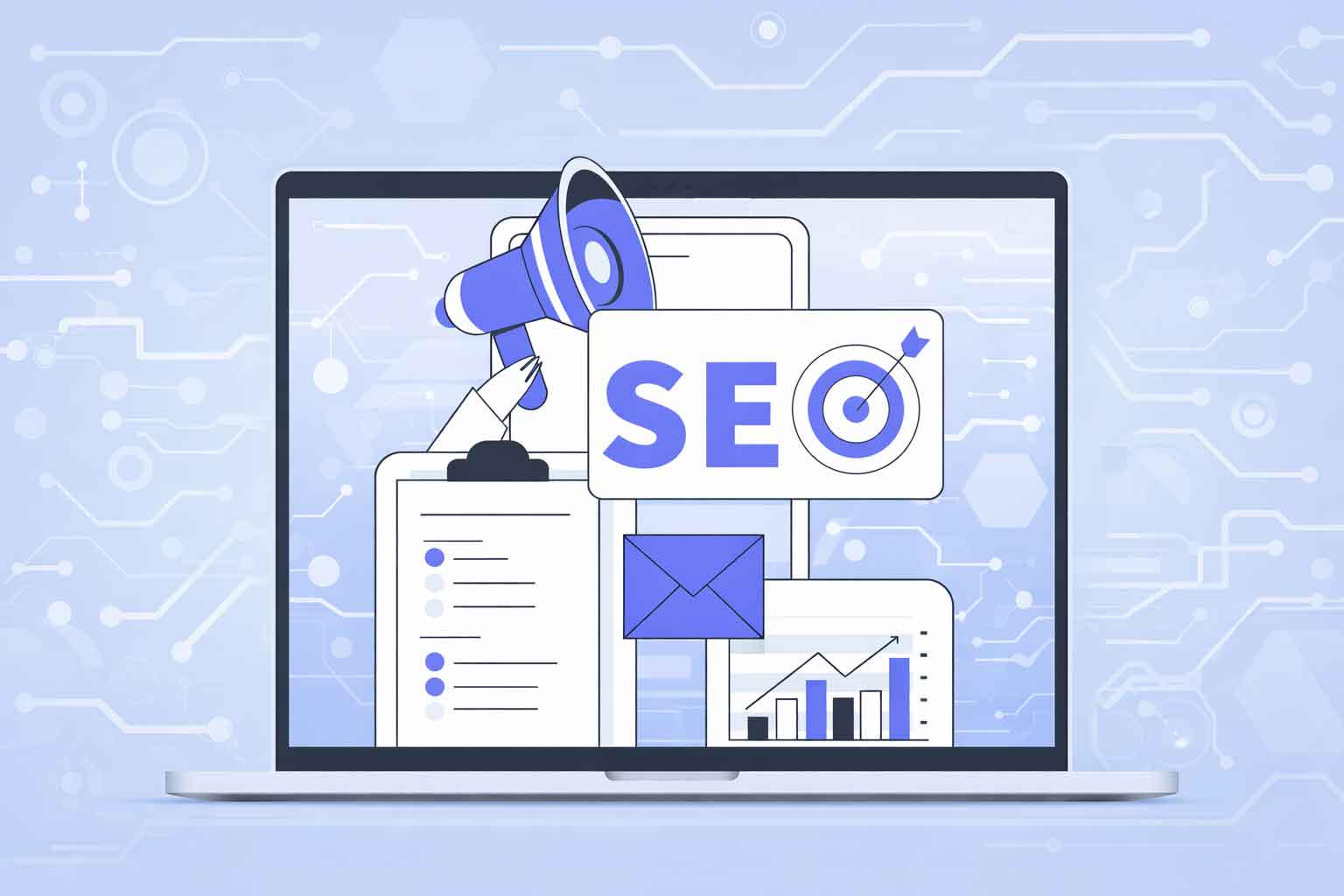
Illustration showing a website displayed on a computer screen with SEO elements like charts, content blocks, and targeting icons, explaining the question “Does Web Design Include SEO?” and how design and search optimization work together.

Does Web Design Include SEO?

Does web design include SEO? Not exactly, but the two work closely together. Web design focuses on structure, usability, and experience, while SEO focuses on visibility and how people find your site. A successful website needs both working together to reach its full potential and support long-term business growth.

Read More »
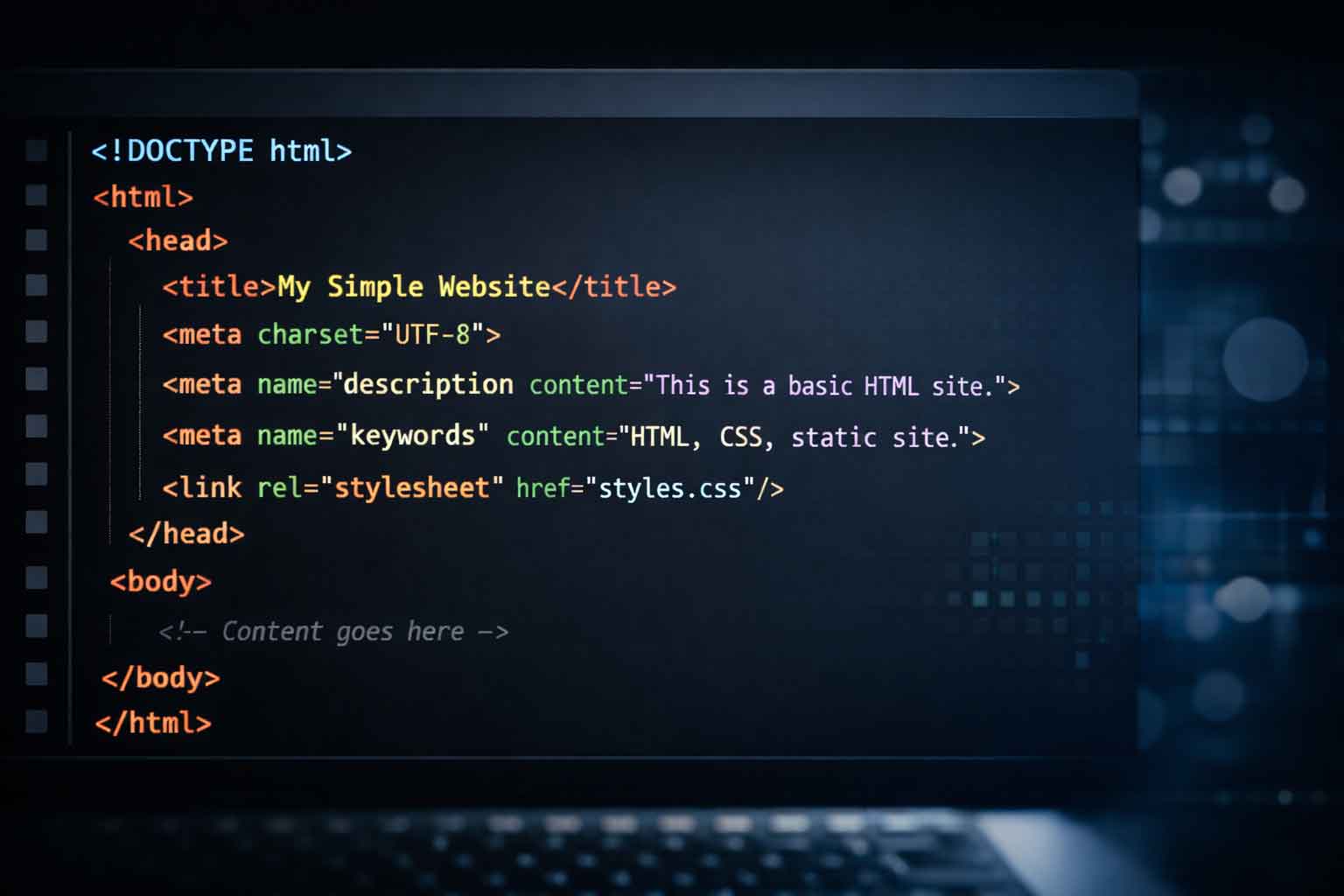
Simple HTML code for a website. Just cause it's a simple HTML site doesn't mean it can't be hacked.

Can a Static HTML Site Get Hacked?

Can a static HTML site get hacked? Many people assume simple websites are immune to security risks, but that is not how website security actually works. Hosting, access controls, and ongoing management play a much larger role than file type. This article explains why static sites are still vulnerable and how properly managed WordPress sites can be just as secure.

Read More »
A web browsers address bar showing the domain name.

Should your domain name move when your site does?

When businesses move from Wix or Squarespace to WordPress, the focus is usually on design and content. One critical detail often gets missed: the domain name. Leaving a domain with an old platform can create unnecessary complications later. Understanding where your domain lives and when to move it can save time, frustration, and future technical headaches.

Read More »
A computer screen with security icons

Can my WordPress site be hacked?

Can my WordPress site be hacked? Yes, it can, just like any other website. The real difference comes down to how security is managed. In this article, we explain why WordPress is safe when set up correctly, what security risks actually exist, and how Full Scope Creative removes the headaches by managing hosting, security, and backups for you.

Read More »
Using Google Analytics

Google Isn’t Just a Search Engine, It’s a Measurement Tool

Google is more than a place people search. Behind every query and click, it provides insight into how customers find your business and what they do next. Tools like Google Analytics, Google Search Console, and Google Business Profile help reveal visibility, behavior, and performance so businesses can make clearer decisions instead of guessing.

Read More »

Are There More Search Engines Than Just Google?

“Google it” has become shorthand for searching the internet, but Google isn’t the only search engine out there. From Bing and Yahoo to privacy-focused options like DuckDuckGo, there are real alternatives people use every day. This article breaks down the strengths, weaknesses, and why Google still dominates how businesses think about SEO.

Read More »
Confused user on a computer

Makes It Easy for Clients to Take the Next Step

A good website removes friction and makes it easy for visitors to take the next step. When users know where they are, what’s available, and what happens next, they act with confidence. Clear service pages, helpful FAQs, and simple calls to action show respect for a visitor’s time and attention.

Read More »
DNS servers around the globe

What to Expect During DNS Propagation

DNS propagation can be one of the most confusing parts of updating a website or email system. During this window, websites and email can appear slow, broken, or inconsistent. This behavior is normal and temporary. Knowing what to expect during DNS propagation helps reduce stress and prevents unnecessary panic while the update works its way through servers worldwide.

Read More »

Is Your Website Causing Customers to Bounce?

Visitors decide whether to stay on your website in seconds. When a site feels confusing, cluttered, or hard to use, people leave without clicking, reading, or reaching out. A high bounce rate is rarely about pricing or competition. It’s usually caused by unclear structure, poor mobile experiences, and pages that make users work too hard.

Read More »
Ready to discover how we can help make your website and marketing more successful?
Contact Us

Full Scope Creative has been great to work with. On top of the services they are contracted to provide, as a small Nonprofit without a website professional on staff, Chris is always willing to answer questions & provide guidance when asked. I recommend working with Chris and his team!

~ Leah Stevens,
LT Virtual Solutions