Are They Separate or Does Web Design Include SEO?
This is a common and fair question, and it is one we hear often from small business owners. Web design and SEO are not always clearly defined terms, and they are often misunderstood or blended together into one idea. That confusion makes sense, especially since both play such a big role in how a website performs.
Many people assume web design and SEO are the same thing because they are so closely related. In many ways, they are two sides of the same coin. One without the other rarely works as well as it should. A website needs both to succeed.
The core idea is this. Web design and SEO overlap heavily and work together constantly. They work best when planned together, and they aim toward very similar outcomes. Trying to solve one problem without the help of the other is almost impossible. At the same time, they solve different marketing objectives for a small business and require different skill sets to do well.
Web Design and SEO Overlap, but They Solve Different Problems
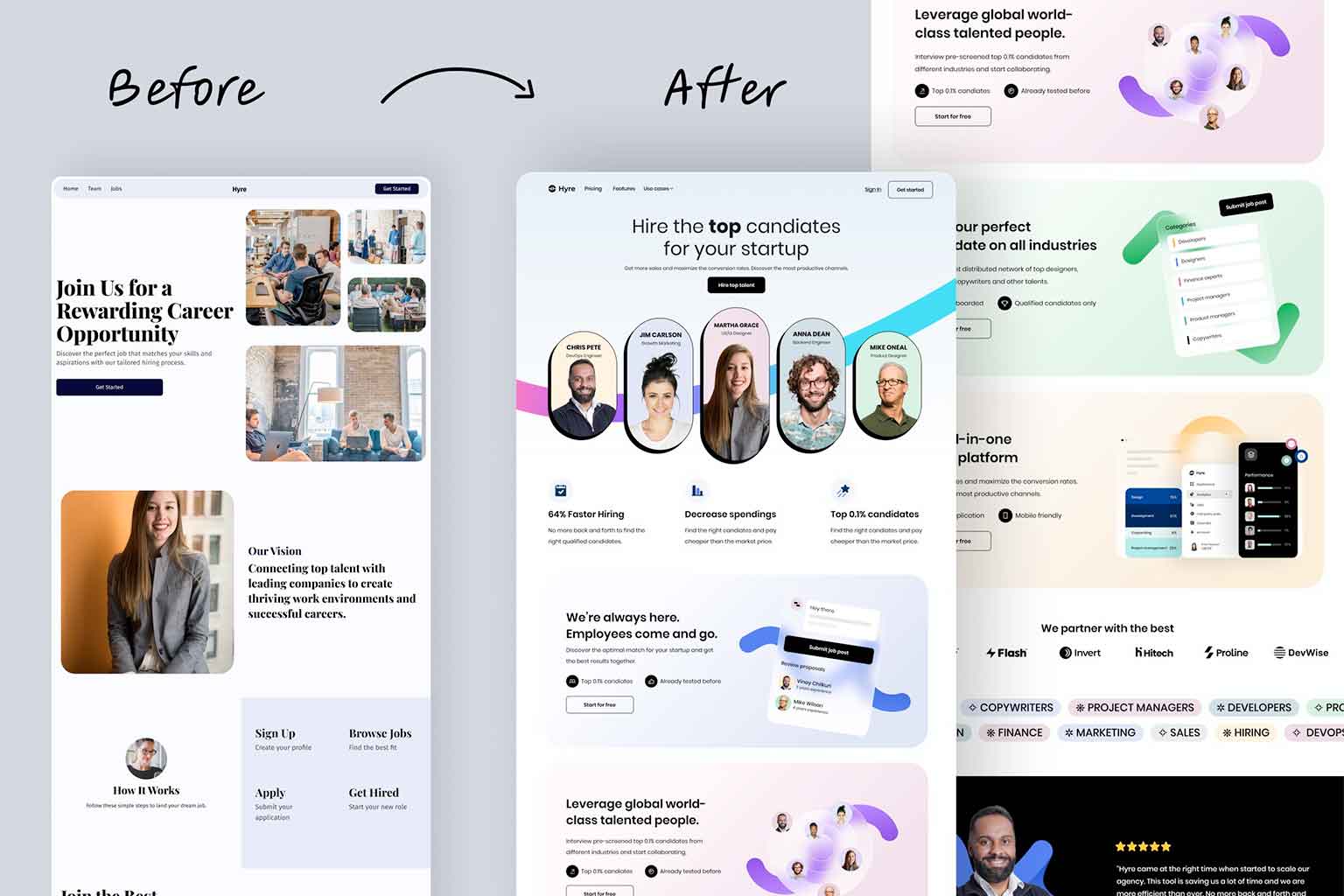
Web design and SEO overlap on many fronts, but that does not mean they are interchangeable. Without web design, SEO would lead users to boring, hard to use pages that no one wants to engage with. Without SEO, even the best designed website may never get traffic or users. Either scenario results in a dud for the business.
In many companies, web design and SEO are handled by different team members. The goal is the same, which is success for the small business, but the skills involved are different. One focuses more on structure, layout, and usability. The other focuses on visibility, search behavior, and how people actually find the site. Strong communication between these two disciplines matters more than most people realize.
A strong website needs both to perform well. Design and SEO are tightly connected, but they are still responsible for different parts of the overall picture. Looking at them together, rather than as one combined task, helps explain why both matter so much.
What Web Design Is Responsible For
Web design focuses on the experience and structure of the website. This is the part users see, explore, click through, and interact with. It plays a huge role in how people feel when they land on your site and whether they choose to stay or leave.
Web design is responsible for responsive design so the site works properly on phones, tablets, and desktops. It also impacts load time and performance, which affects both users and search engines. Clear calls to action help guide visitors toward contacting you, filling out a form, or taking the next step.
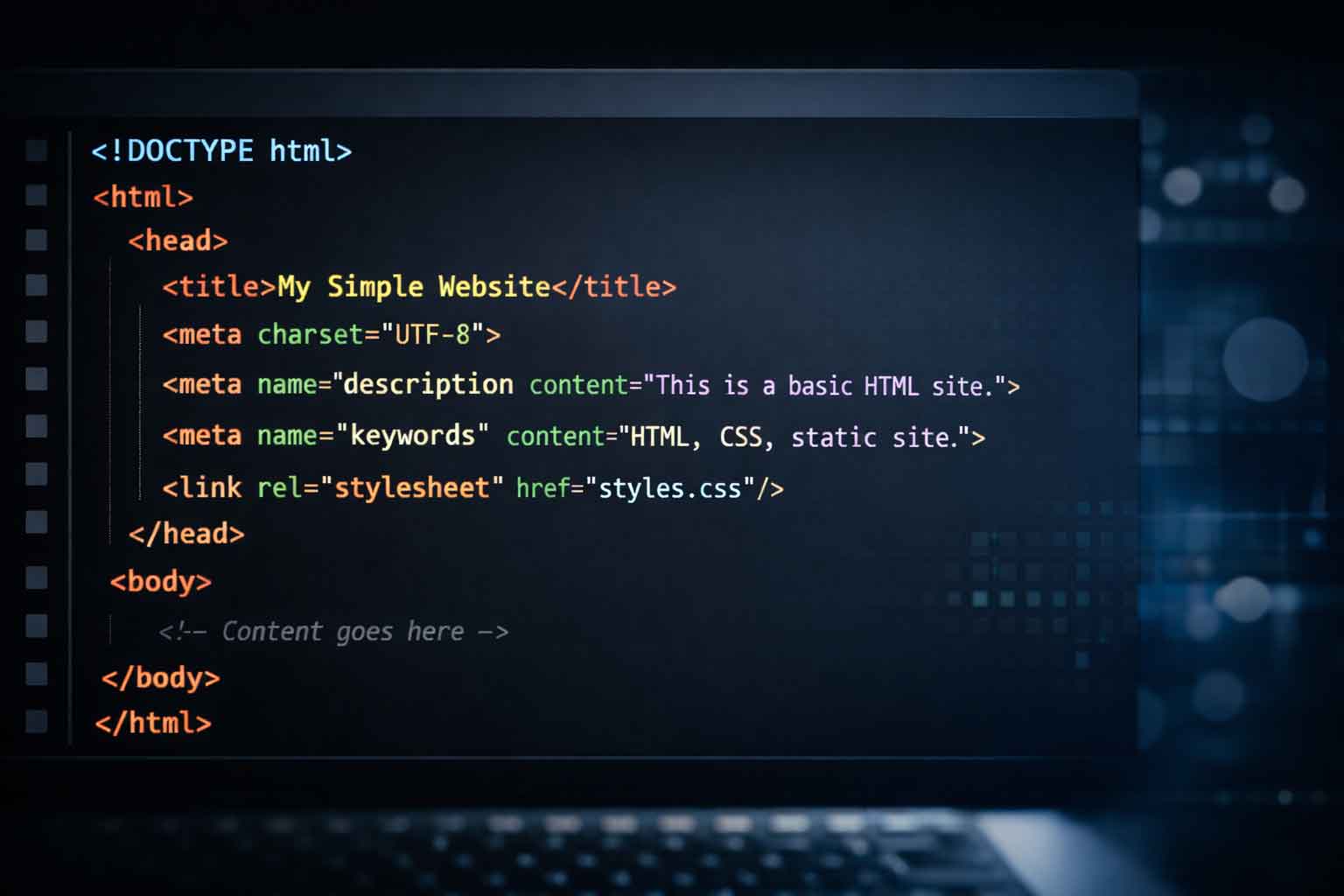
Layout and readability matter as well. Pages need to be easy to scan, easy to understand, and not overwhelming. Proper use of heading tags helps break content into logical sections that make sense to users. Images need to be displayed well and supported with alt text so they are accessible and useful.
Web design also plays a role in making sure there is enough content on the page to support key topics and keywords. Design is not just about how things look. It is about how everything works together in a functional and usable way.
What SEO Is Responsible For
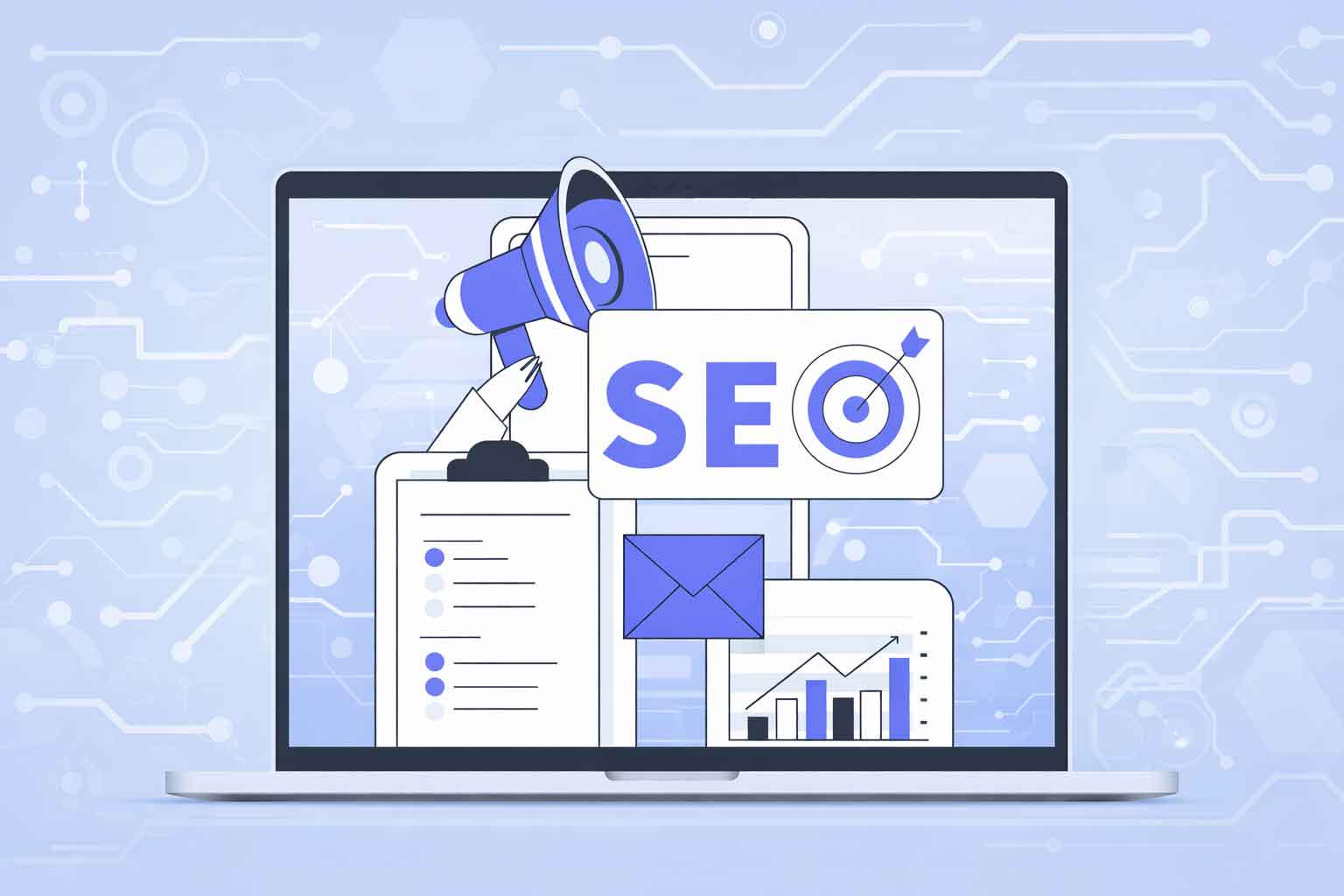
SEO focuses on visibility and direction. It is responsible for helping the right people find your website when they are searching online. This starts with keyword research and understanding how people actually search for your services.
SEO helps determine what pages should exist on a website and what each page should focus on. It informs headings, content topics, and how information should be structured. SEO also helps search engines understand what the site is about and how different pages relate to each other.
In practical terms, SEO informs what the site should focus on. It sets what keywords to use, what text goes where, how much content is needed, how many headings make sense, and how many calls to action should exist. It provides direction.
Web design then determines how that information is presented. SEO sets the plan. Design brings it to life.
Where Web Design and SEO Work Together
This is where the two sides truly partner together. SEO helps define headings, content topics, and image descriptions. It takes the content a site has and gives it purpose and direction for search visibility and rankings.
Web design ensures those elements are displayed clearly and effectively. Great keywords and strong SEO content do not matter if the site looks bad, loads slowly, or has broken links. If users cannot interact with the content, the effort behind it is wasted.
Site structure supports both users and search engines. Human visitors and search engine crawlers need to move through your site easily, page to page, diving deeper into content that builds trust and understanding. Strong content backed by strong structure gives both audiences what they need.
Planning web design and SEO together leads to better outcomes. Building a site first and trying to work SEO in later is rarely as effective as designing and building with SEO in mind from the start.
Why Web Design Without SEO Limits a Website’s Potential
This is where many underperforming websites run into trouble. A website can look great and still struggle if no one is finding it. It is like having a beautiful building and storefront where no one ever drives by.
A good looking website does not automatically attract traffic. People do not stumble across sites just because they are well designed. Search engines need clear signals to understand what your site is about and when to show it in results.
Even advanced platforms like Google rely on cues. They need to know what pages to prioritize, what topics matter most, how pages connect, and how users might move through the site. Without SEO, those signals are missing or unclear.
Without visibility, success is limited. When visibility is limited, leads and growth are limited too. The website never reaches its full potential, no matter how good it looks.
Why SEO Without a Solid Website Also Struggles
SEO can bring visitors to a website. Those visitors are searching for specific keywords, topics, and services, which means the content is already aligned with user intent.
But poor design can quickly undo that progress. Confusing layouts frustrate users. Slow load times cause people to leave. Hidden calls to action make it unclear what to do next. All of this reduces trust and conversions.
Slow performing websites also struggle to rank well in the first place. Non responsive sites perform even worse. Search engines care deeply about user experience, and design plays a major role in that experience.
Performance depends on both sides working together. Traffic without engagement does not help a business grow.
Think of It Like a Car and Fuel
Web design is the car. SEO is the fuel. You need both to get anywhere.
You can have a great car, but without fuel it goes nowhere. You can have fuel, but without a car there is nothing to put it in. Planning both together from the start leads to better performance and fewer issues down the road.
SEO can be added later, but it works best when it is considered during the design and build process.
A Quick Note on Ongoing SEO
SEO is not a one and done task. Ongoing SEO includes updating content, improving pages, and adjusting to how people search over time.
Sometimes design changes are part of that process. Pages may need to be expanded, reorganized, or updated to support new content and goals. Design still matters as SEO evolves, and everything still needs to look good and function well.
This is part of keeping a website healthy and competitive.
What This Means for Your Website
If you are planning a new website, this is why web design and SEO should be discussed together from the start. If you already have a site and it is not getting traffic, this is where SEO often comes into play.
If you are not sure which side is holding your site back, or how the two should work together for your business, feel free to reach out. Sometimes a simple conversation is all it takes to clarify the next step.