Creating Consistent Visual Language

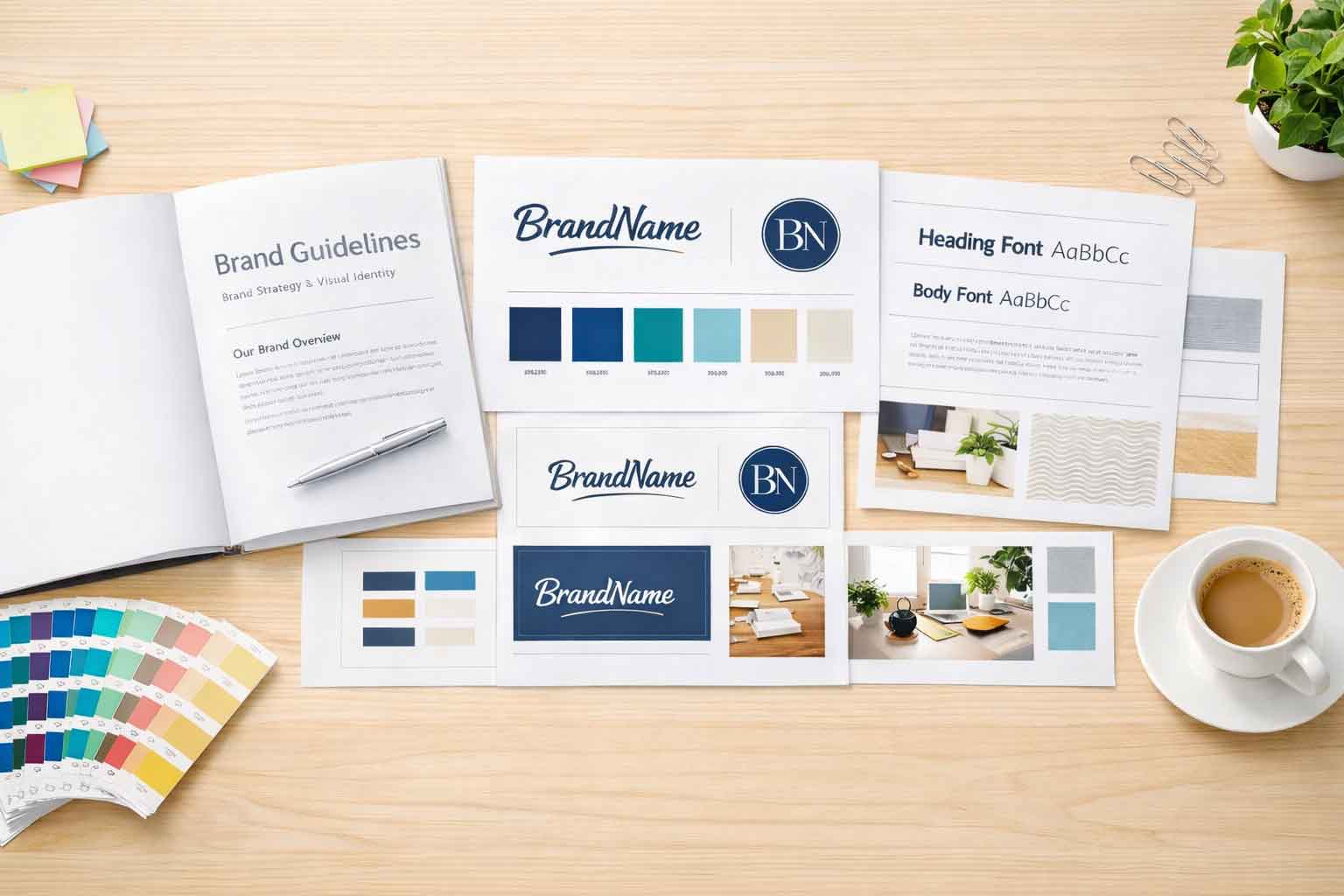
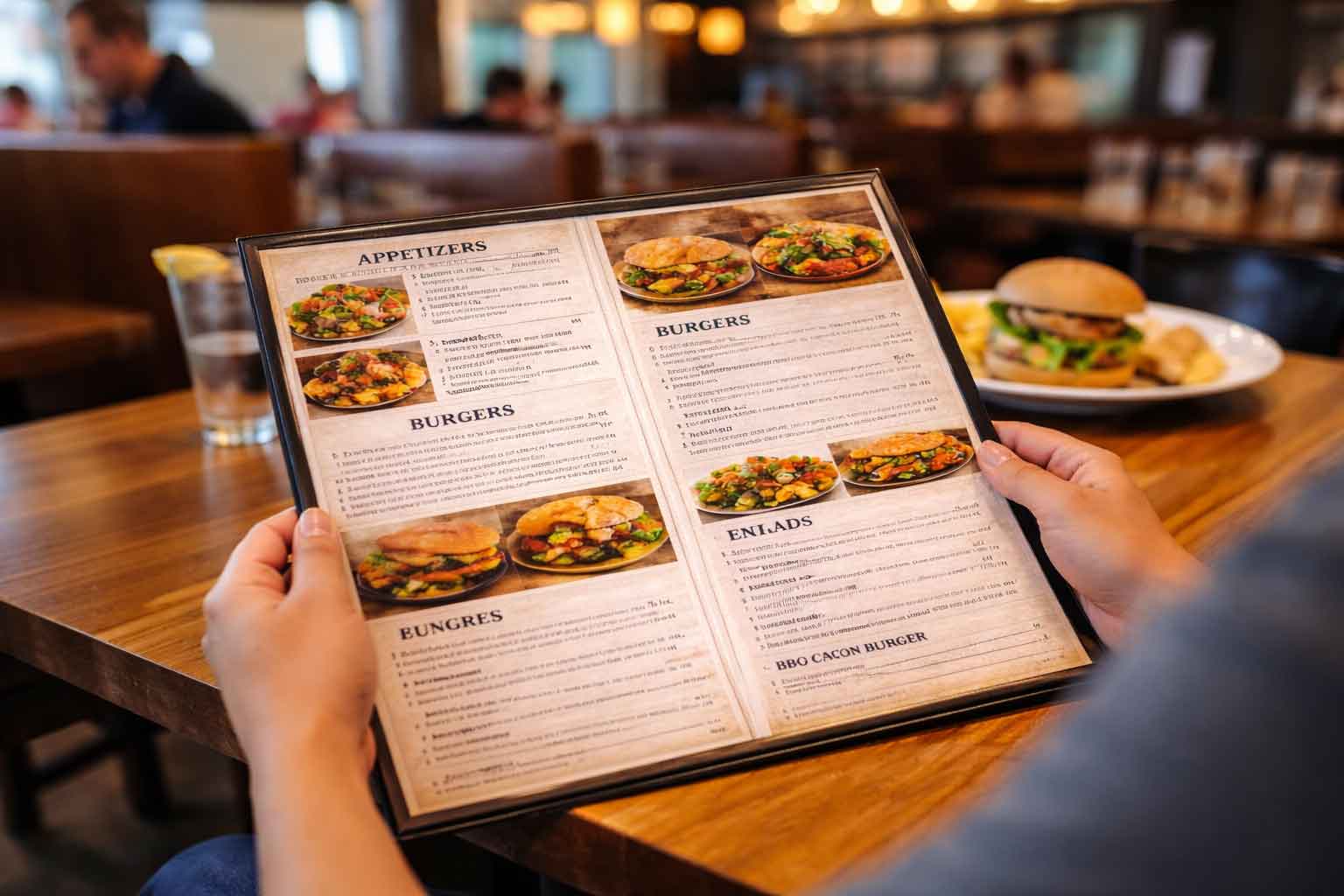
A consistent visual language makes your brand instantly recognizable across all platforms. This means using repeatable design elements like typography, color, and layout styles that reflect your brand’s personality. In this blog, we cover how to establish and maintain a strong visual identity that keeps your marketing materials aligned. At Full Scope Creative, we help brands look and feel consistent—whether it's a website, brochure, or social media post.

Interacting with your audience

In today’s digital age, brands interact with their audiences across a myriad of platforms—websites, social media, mobile apps, print materials, and more. Ensuring a consistent visual language across these diverse touchpoints is crucial for maintaining a cohesive brand identity and fostering recognition. In this article, we explore the importance of consistent visual language and provide practical strategies for achieving it across different platforms.

The Importance of Consistent Visual Language

Consistency in visual language reinforces brand identity, builds trust, and enhances brand recall. When a brand presents a unified look and feel across all platforms, it creates a seamless and professional image, making it easier for audiences to recognize and connect with the brand. Inconsistent visual elements, on the other hand, can confuse customers and dilute the brand message.

Key Elements of Visual Language

Before diving into the strategies, it’s essential to understand the key elements that constitute visual language:

  1. Color Palette: The set of colors used consistently across all brand materials.
  2. Typography: The fonts and typographic styles that reflect the brand’s voice.
  3. Imagery: The style and type of images, including photos, illustrations, and icons.
  4. Logo and Branding Elements: The primary logo, secondary marks, and other brand symbols.
  5. Layout and Composition: The way elements are arranged and structured on a page or screen.
  6. Graphic Styles: The overall aesthetic, including the use of shapes, lines, and textures.

Strategies for Creating Consistent Visual Language

1. Develop Comprehensive Brand Guidelines

Brand guidelines, or a brand style guide, are the cornerstone of maintaining visual consistency. These guidelines should detail:

  • Color specifications (HEX, RGB, CMYK)
  • Typography rules, including font sizes, weights, and styles
  • Logo usage guidelines, such as minimum sizes, spacing, and acceptable variations
  • Image style preferences, including types of images, filters, and treatments
  • Layout templates for different types of content
  • Graphic elements and their usage

2. Use Consistent Design Tools

Utilize the same design software and tools across your team to ensure consistency. Tools like Adobe Creative Cloud, Sketch, or Figma allow for the creation of shared libraries where team members can access the same design assets and templates.

3. Create Reusable Design Templates

Develop templates for common use cases such as social media posts, email newsletters, presentations, and website pages. Templates help maintain a uniform structure and style, even when content varies.

4. Implement a Design System

A design system is a collection of reusable components, guided by clear standards, that can be assembled to build any number of applications. This system includes everything from buttons and forms to navigation menus and icons, ensuring consistency in UI elements across digital platforms.

5. Regular Training and Updates

Regularly train your team on the importance of brand consistency and how to apply the brand guidelines. Keep the brand guidelines updated to reflect any changes or new elements, and communicate these updates to the team.

6. Centralize Asset Management

Use a digital asset management (DAM) system to store and organize all brand assets in one place. This makes it easy for everyone on the team to access the correct files and ensures that outdated or incorrect assets aren’t used.

Real World Examples: 

Coca-Cola is a masterclass in maintaining a consistent visual language. Their iconic red and white color palette, cursive typography, and imagery focused on joy and togetherness are instantly recognizable across TV ads, social media, packaging, and merchandise.

Apple is another great example, it uses its clean, minimalist design language and keeps it consistent across its website, product packaging, retail stores, and advertising. Their use of white space, sleek product images, and simple typography creates a cohesive brand experience that’s unmistakably Apple.

Conclusion

Creating a consistent visual language across different platforms is vital for building a strong, recognizable brand. By developing comprehensive brand guidelines, using consistent tools, creating reusable templates, implementing a design system, providing regular training, and centralizing asset management, brands can ensure a cohesive and professional image. Consistency not only enhances brand recognition but also builds trust and loyalty among customers.

Ready to take your brand’s visual consistency to the next level? Contact us with Full Scope Creative and get started!


Ready to discover how we can help make your website and marketing more successful?
Contact Us

Marketing Made Simple

Insights from Full Scope Creative

Our thoughts on website design, graphic design, marketing, SEO, website hosting, branding, business management, and more here in the Full Scope Creative blog!

Insights, Tips, and Strategies for Small Business Success

Our blog is packed with expert advice on website design, SEO, marketing, branding, and more. Whether you’re looking to improve your website’s performance, boost your online presence, or streamline your business’s digital strategy, you’ll find valuable insights and actionable tips right here.

Confused user on a computer

Makes It Easy for Clients to Take the Next Step

A good website removes friction and makes it easy for visitors to take the next step. When users know where they are, what’s available, and what happens next, they act with confidence. Clear service pages, helpful FAQs, and simple calls to action show respect for a visitor’s time and attention.

Read More »
DNS servers around the globe

What to Expect During DNS Propagation

DNS propagation can be one of the most confusing parts of updating a website or email system. During this window, websites and email can appear slow, broken, or inconsistent. This behavior is normal and temporary. Knowing what to expect during DNS propagation helps reduce stress and prevents unnecessary panic while the update works its way through servers worldwide.

Read More »

Is Your Website Causing Customers to Bounce?

Visitors decide whether to stay on your website in seconds. When a site feels confusing, cluttered, or hard to use, people leave without clicking, reading, or reaching out. A high bounce rate is rarely about pricing or competition. It’s usually caused by unclear structure, poor mobile experiences, and pages that make users work too hard.

Read More »
Improving a webpage for better SEO

How to Improve SEO Rankings for Service Pages

Service pages don’t rank the same way blog posts do. Improving their SEO takes more than keywords and backlinks. It requires clear focus, stronger structure, trust signals, and supporting content that works together. This article breaks down practical, page-level improvements you can make to help your service pages perform better in search results.

Read More »

2025 Blog Recap: What We Shared This Year at Full Scope Creative

In 2025, we shared a lot on the Full Scope Creative blog. Those posts came from real questions, real projects, and real conversations with small business owners. This recap looks back at what we covered, why those topics mattered, and how steady, practical education continues to shape how we support our clients.

Read More »

Do I Need Hosting If I Use WordPress?

If you use WordPress, you still need website hosting. WordPress is the tool that manages your content, while hosting is what makes your site accessible online. Without hosting, your website has nowhere to live. This article explains how WordPress and hosting work together and why many businesses choose managed hosting with Full Scope Creative.

Read More »

What Is a Mockup in Graphic Design?

A mockup in graphic design is more than a preview. It is a critical step where designers test how a design works in real-world situations like websites, signage, and print materials. This process helps uncover issues early and explains why professional graphic design involves far more than just making things look good.

Read More »

Easy Ways to Improve Your Site

Small website changes can make a big difference. You do not need a full redesign to improve readability and usability. Adjusting line height, adding white space, using clearer headings, and breaking up long paragraphs can make your site easier to read and easier to use. These simple improvements help visitors feel more comfortable and confident on your site.

Read More »
Ready to discover how we can help make your website and marketing more successful?
Contact Us

Chris and his team at Full Scope Creative are the best! I have worked with Chris on two different projects. The first project was updating a website and the second project we started a website from scratch. Both are incredibly challenging without the knowledge and expertise of someone like Chris, but Chris and his team made the process exciting with all of his great ideas. Great ideas, responsive, quick turnaround time. Thank you, Chris for being so kind and so great at what you do!

~ Sarah Lueschow,
MHO Open, Inc.