Why Clear Calls to Action Matter
When I went to a new doctor a few months back, the experience was different than I was used to. The check-in went fine eventually and the appointment itself was great, but parts of the visit were confusing. I wasn’t exactly sure which door to go in. I wasn’t certain which desk to check in at. I was told to go down hallway A, into room 25, and just wait there.
Nothing was wrong, but I was asking myself, “Am I doing this right?”
Fast-forward three months and my knee is feeling great thanks to surgery, but that first visit has always stuck with me.
It reminded me of the feeling many people get when they land on a website for the first time.
I’ve visited plenty of websites that give me that same confusing experience.
Do I click this link?
Do I scroll down?
How do I get to where I actually want to go?
That hesitation is a problem, and it’s exactly what clear Calls to Action are meant to solve.
Call to Action buttons and graphics, often shortened to CTAs, guide users to where they want to go and just as importantly to where they should go next.
Guide Users Where to Go
Most visitors don’t arrive on your website knowing its structure. They don’t know what pages you have, how things are organized, or what the best next step is. What they do know is that they’re looking for something.
Your job is to help them find it.
Strong CTAs guide users to:
- A product page
- A service page
- A contact form
- A booking or inquiry page
That conversion doesn’t always mean buying something. Sometimes the goal is simply starting a conversation.
Clarity matters here. The user should know exactly where they’re going when they click a button. If they land on a new page and immediately think, “Why am I here?” the CTA didn’t do its job.
Good CTAs reduce uncertainty. They make the website feel easier to use and safe, even if the visitor doesn’t consciously realize why.
Guide Users Where You Want Them to Go
There’s also a strategic side to CTAs.
Once someone is on a service or product page, sending them to another page, like an About page, usually isn’t helpful. They’ve likely already seen your homepage, learned a bit about your company, and learned what you do.
What they need next is direction.
This is where conversion-focused CTAs come in:
- Request a Quote
- Schedule a Consultation
- Get Started
- Contact Us Today
For many small businesses, that last one is still incredibly effective. The contact page becomes the conversion point.
If your website doesn’t clearly guide users toward that next step, you’re asking them to figure it out on their own, and many won’t.
Not sure where users should be going next on your site? This is something we help small businesses sort through all the time at Full Scope Creative. Sometimes it just takes a little clarity and intention.
Don’t Be Annoying With Your CTA
Attention is good. Annoyance is not.
You’ve probably been to websites with flashing buttons, blinking backgrounds, or aggressive pop-ups. They might grab attention, but usually for the wrong reasons.
Drawing attention is good.
Being distracting or overwhelming is very bad.
A good rule of thumb is this. If you look at a CTA and think, “That might be annoying,” it probably is.
CTAs should feel confident and helpful, not pushy or desperate. In most cases, subtle emphasis works far better than loud visuals.
Use More Than One
Not everyone interacts with a website the same way.
Some people are drawn to buttons. Others notice imagery first. Some prefer clear text links, while others respond better to larger graphical elements.
That’s why relying on a single CTA style can limit how effective your site is.
Using a mix of:
- Button styles
- Section-based CTAs
- Supporting graphics
- Thoughtful placement throughout a page
…helps guide more users without overwhelming them.
At Full Scope Creative, we spend a lot of time thinking about this when we build sites, including our Premium Framework sites. Clear, intentional buttons make it obvious what to do next, and that clarity makes a real difference for users.
Stick to Your Brand
CTA buttons and graphics are not the place to introduce random new colors or fonts.
Your brand should already have a defined color palette, typography, and visual style. CTAs should be a natural extension of that brand, not something tacked on.
Consistency builds trust. When buttons look like they belong, users feel more confident clicking them.
Clear Direction Makes a Better Website
Clear calls to action don’t just help users navigate your site. They help turn interest into real conversations and real opportunities.
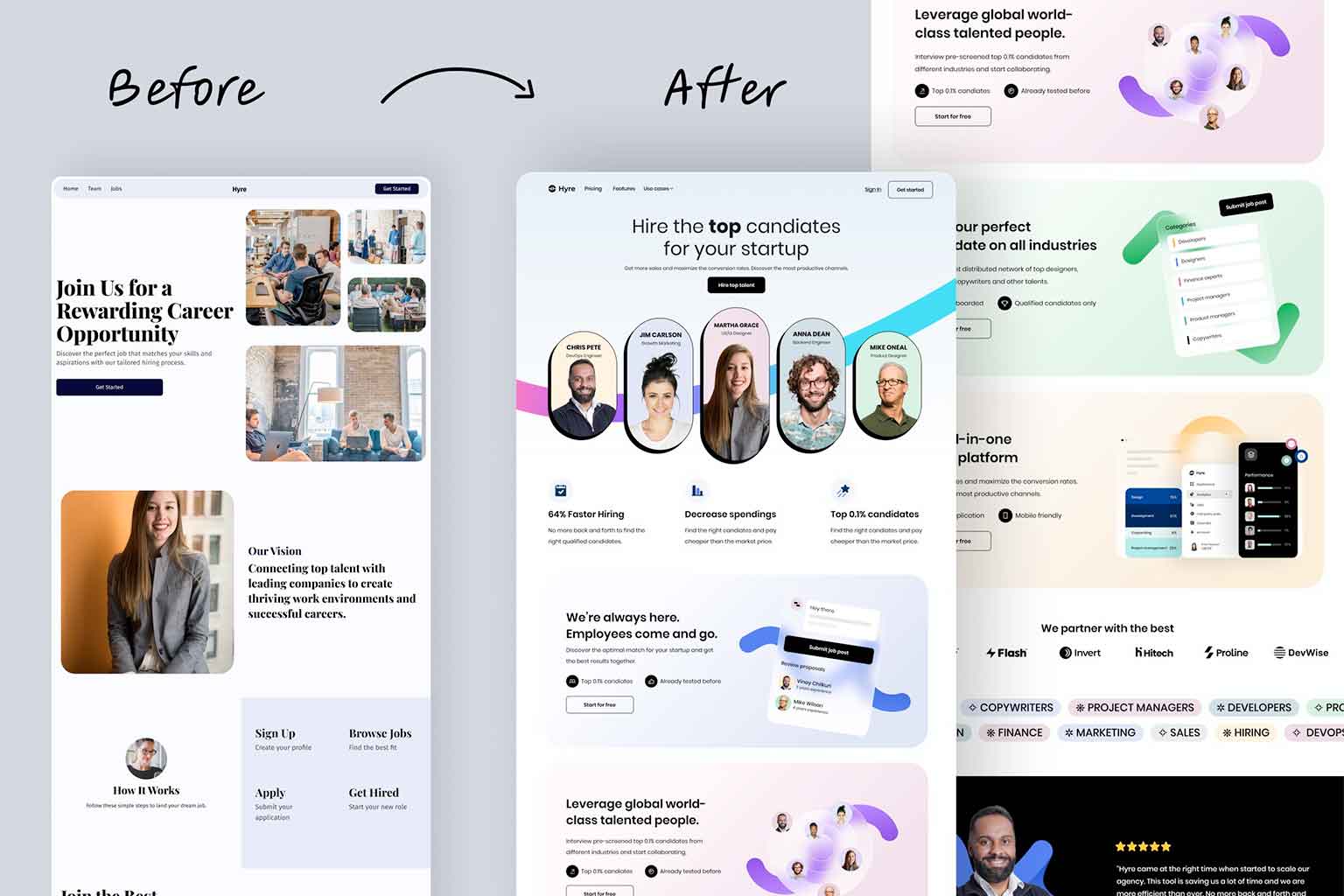
If you look at your website and think it feels confusing, cluttered, or unsure of what visitors should do next, it’s usually not a content problem. It’s a clarity problem.
Not sure what to do with CTAs on your website? Full Scope Creative can help give you ideas, direction, and a clearer path for your visitors. If you’d like a second set of eyes on your site, reach out. We’re always happy to talk it through.